Category Archives: Hygiene

Research Campylobacter Updates

Eurosurveillance

Differentiation between travel-related and domestic cases of infectious disease is important in managing risk. Incubation periods of cases from several outbreaks of campylobacteriosis in Canada, Europe, and the United States with defined exposure time of less than 24 hours were collated to provide information on the incubation period distribution. This distribution was consistent across the varied outbreaks considered, with 84% (702/832) of cases having an incubation period of four days or less and 1% having an incubation period of eight days or more. The incubation period distribution was incorporated into a model for the number of travel-related cases presenting with symptom onset at given dates after return to their country of residence. Using New Zealand notification data between 2006 and 2010 for cases who had undertaken foreign travel within 10 days prior to symptom onset, we found that 29.6% (67/227 cases; 95% confidence interval (CI): 28.3–30.8%) of these cases were likely to have been domestic cases. When cases with symptom onset prior to arrival were included, the probable domestic cases represented 11.8% (67/571; 95% CI: 11.2–12.3%). Consideration of incubation time distributions and consistent collection of travel start/end dates with symptom onset dates would assist attribution of cases to foreign travel.

Clincal Infectious Diseases

Campylobacteriosis in humans, caused by Campylobacter jejuni and C. coli, is the most common recognized bacterial zoonosis in the EU and US. The acute phase is characterized by gastro intestinal  symptoms. The long-term sequelae (Guillain-Barré Syndrome, reactive arthritis and post-infectious irritable bowel syndrome)  contribute considerably to the disease burden. Attribution studies identified poultry as the reservoir responsible for up         to 80% of the human Campylobacter infections. In the EU, an estimated 30% of the human infections is associated with consumption and preparation of poultry  meat. Until now, interventions in the poultry meat production chain have not been effectively introduced except for targeted  interventions in Iceland and New Zealand. Intervention measures (e.g. biosecurity) have limited effect or are hampered by  economic aspects or consumer acceptance. In the future a multi-level approach should be followed, aiming at reducing the level of contamination of consumer products rather than complete absence of Campylobacter.

CDC  – UK Duck Liver Campylobacter Outbreak

Campylobacter­ spp.–related gastroenteritis in diners at a catering college restaurant was associated with consumption of duck liver pâté. Population genetic analysis indicated that isolates from duck samples were typical of isolates from farmed poultry. Campylobacter spp. contamination of duck liver may present a hazard similar to the increasingly recognized contamination of chicken liver.




Research – Norovirus Updates

Science DirectNorovirus

Human norovirus (NoV) contaminated hands are important routes for transmission. Quantitative data on transfer during contact with surfaces and food are scarce but necessary for a quantitative risk assessment. Therefore, transfer of MNV1 and human NoVs GI.4 and GII.4 was studied by artificially contaminating human finger pads, followed by pressing on stainless steel and Trespa® surfaces and also on whole tomatoes and cucumber slices. In addition, clean finger pads were pressed on artificially contaminated stainless steel and Trespa® surfaces. The transfers were performed at a pressure of 0.8–1.9 kg/cm2 for approximately 2 s up to 7 sequential transfers either to carriers or to food products. MNV1 infectivity transfer from finger pads to stainless steel ranged from 13 ± 16% on the first to 0.003 ± 0.009% on the sixth transfer on immediate transfer. After 10 min of drying, transfer was reduced to 0.1 ± 0.2% on the first transfer to 0.013 ± 0.023% on the fifth transfer. MNV1 infectivity transfer from stainless steel and Trespa® to finger pads after 40 min of drying was 2.0 ± 2.0% and 4.0 ± 5.0% respectively. MNV1 infectivity was transferred 7 ± 8% to cucumber slices and 0.3 ± 0.5% to tomatoes after 10 min of drying, where the higher transfer to cucumber was probably due to the higher moisture content of the cucumber slices. Similar results were found for NoVs GI.4 and GII.4 transfers measured in PCR units. The results indicate that transfer of the virus is possible even after the virus is dried on the surface of hands or carriers. Furthermore, the role of fingers in transmission of NoVs was quantified and these data can be useful in risk assessment models and to establish target levels for efficacy of transmission intervention methods.

CDC

The duration of immunity to norovirus (NoV) gastroenteritis has been believed to be from 6 months to 2 years. However, several observations are inconsistent with this short period. To gain better estimates of the duration of immunity to NoV, we developed a mathematical model of community NoV transmission. The model was parameterized from the literature and also fit to age-specific incidence data from England and Wales by using maximum likelihood. We developed several scenarios to determine the effect of unknowns regarding transmission and immunity on estimates of the duration of immunity. In the various models, duration of immunity to NoV gastroenteritis was estimated at 4.1 (95% CI 3.2–5.1) to 8.7 (95% CI 6.8–11.3) years. Moreover, we calculated that children (<5 years) are much more infectious than older children and adults. If a vaccine can achieve protection for duration of natural immunity indicated by our results, its potential health and economic benefits could be substantial.

CDC

We report an increase in the proportion of genotype GI.6 norovirus outbreaks in the United States from 1.4% in 2010 to 7.7% in 2012 (p<0.001). Compared with non-GI.6 outbreaks, GI.6 outbreaks were characterized by summer seasonality, foodborne transmission, and non–health care settings.

CDC

After the substantial decrease in acute gastroenteritis (AGE) in children caused by rotavirus after introduction of 2 rotavirus vaccines (1), norovirus has become the leading cause of medically attended AGE in US children <5 years of age (2). We describe the clinical characteristics of norovirus disease and assessed whether rotavirus vaccine protected against norovirus AGE.


Research – Foodborne illness Outbreaks from Microbial Contaminants in spices, 1973–2010

Science Direct

This review identified fourteen reported illness outbreaks attributed to consumption of pathogen-contaminated spice during the period 1973–2010. Countries reporting outbreaks included Canada, Denmark, England and Wales, France, Germany, New Zealand, Norway, Serbia, and the United States. Together, these outbreaks resulted in 1946 reported human illnesses, 128 hospitalizations and two deaths. Infants/children were the primary population segments impacted by 36% (5/14) of spice-attributed outbreaks. Four outbreaks were associated with multiple organisms. Salmonella enterica subspecies enterica was identified as the causative agent in 71% (10/14) of outbreaks, accounting for 87% of reported illnesses. Bacillus spp. was identified as the causative agent in 29% (4/10) of outbreaks, accounting for 13% of illnesses. 71% (10/14) of outbreaks were associated with spices classified as fruits or seeds of the source plant. Consumption of ready-to-eat foods prepared with spices applied after the final food manufacturing pathogen reduction step accounted for 70% of illnesses. Pathogen growth in spiced food is suspected to have played a role in some outbreaks, but it was not likely a contributing factor in three of the larger Salmonella outbreaks, which involved low-moisture foods. Root causes of spice contamination included contributions from both early and late stages of the farm-to-table continuum.

USA – FDA Draft on Pathogens in Spices

FDA

In light of new evidence calling into question the effectiveness of current control measures to reduce or prevent illness from consumption of spices in the United States, the United States Food and Drug Administration (FDA) developed a risk profile on pathogens and filth in spices. The objectives of the risk profile were to (1) describe the nature and extent of the public health risk posed by consumption of spices in the United States by identifying the most commonly occurring microbial hazards and filth in spice (2) describe and evaluate current mitigation and control options designed to reduce the public health risk posed by consumption of contaminated spices in the United States (3) identify potential additional mitigation and control options and (4) identify critical data gaps and research needs. The draft risk profile for pathogens and filth in spices provides information for FDA to use in the development of plans to reduce or prevent illness from spices contaminated by microbial pathogens and/or filth.


USA – Outbreak Updates – Cyclospora – Foster Farms – Hepatitis

CDC Final Report Hepatitis A  – Townsend Farmscdc

This  particular outbreak appears to be over. However, Viral Hepatitis is still an  important cause of human illness in the United States. More information about Viral Hepatitis,  and steps people can take to reduce their risk of infection, can be found on the CDC Viral Hepatitis website.

CDC Final Report Cyclospora

These outbreaks appear to be over. More information about Cyclospora can be found on CDC’s Cyclospora pages.

CDC Report on More Foster Farms Salmonella Cases

As of October 29,  2013, a total of 362 persons infected with seven outbreak strains of Salmonella Heidelberg have been reported from 21 states and Puerto Rico.

38% of ill persons have been hospitalized, and no deaths have been reported.

Most ill persons (74%) have been reported from California.

Research – Listeria’s Resistance to Disinfectants

University of Veterinary Science- ViennaEurofins Food Testing UK

Listeria poses a significant risk to human health. The main transmission route involves meat and dairy products, so it is important to treat dairies and food-processing plants regularly with disinfectants to kill bacteria. Unfortunately, listeria is developing resistance to the compounds that are most frequently used. Recent work in the group of Stephan Schmitz-Esser at the University of Veterinary Medicine, Vienna (Vetmeduni Vienna) has uncovered the mechanism for listeria’s resistance to one such agent, benzalkonium chloride. The findings have been published in the online journal Plos One.


RASFF Alerts – DSP – Mussels – Hepatitis A- Frozen Berries – E.coli – Clams – Mussels

RASFF -Diarrhoeic Shellfish Poisoning (DSP) toxins – okadaic acid (188 µg/kg – ppb) in chilled mussels (Mytlius Galloprovincialis) from Spain in Italy

RASFF -hepatitis A virus in frozen mixed berries processed in Italy, with raw material from Poland, Serbia, Chile, Bulgaria, Sweden and Bosnia and Herzegovina in Italy

RASFF -high count of Escherichia coli (5400 MPN/100g) in clams (Venus verrucosa) from Greece in Italy

RASFF -too high count of Escherichia coli (3500 MPN/100g) in chilled mussels from France

RASFF -too high count of Escherichia coli (9200; 2400 MPN/100g) in chilled mussels (Mytilus galloprovincialis) from Spain in Italy

Research – Norovirus Survival on Sprouted Seeds

American Society for Microbiologyalfalfa

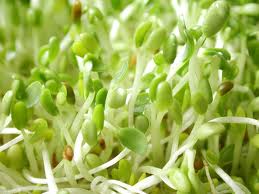
Human norovirus (huNoV) and hepatitis A virus (HAV) have been involved in several produce-associated outbreaks and identified as major food-borne viral etiologies. In this study, the survival of huNoV surrogates (murine norovirus [MNV] and Tulane virus [TV]) and HAV was investigated on alfalfa seeds during storage and postgermination. Alfalfa seeds were inoculated with MNV, TV, or HAV with titers of 6.46 ± 0.06 log PFU/g, 3.87 ± 0.38 log PFU/g, or 7.01 ± 0.07 log 50% tissue culture infectious doses  (TCID50)/g, respectively. Inoculated seeds were stored for up to 50 days at 22°C and sampled during that storage period on days 0, 2, 5, 10, and 15. Following storage, virus presence was monitored over a 1-week germination period. Viruses remained infectious after 50 days, with titers of 1.61 ± 0.19 log PFU/g, 0.85 ± 0.21 log PFU/g, and 3.43 ± 0.21 log TCID50/g for MNV, TV, and HAV, respectively. HAV demonstrated greater persistence than MNV and TV, without a statistically significant  reduction over 20 days (<1 log TCID50/g); however, relatively high levels of genomic copies of all viruses persisted over the testing time period. Low titers of  viruses were found on sprouts and were located in all tissues as well as in sprout-spent water sampled on days 1, 3, and 6  following seed planting. Results revealed the persistence of viruses in seeds for a prolonged period of time, and perhaps  of greater importance these data suggest the ease of which virus may transfer from seeds to sprouts and spent water during  germination. These findings highlight the importance of sanitation and prevention procedures before and during germination.

Research – Salmonella

Food Poisoning BulletinSalm

Salmonella is naturally occurring. In the wake of outbreaks, like the one linked to Foster Farms chicken, it’s an often-repeated phrase meant to assuage consumer fears and absolve corporate responsibility. But the phrase leaves out a key piece of information, where Salmonella naturally occurs.

Salmonella lives in the intestines of humans and other animals. It doesn’t “naturally occur” on the boneless, skinless chicken breasts or the wings and drumsticks you buy at the store. It gets there through a process of contamination. People can only get Salmonella infections when they eat or drink foods that have microscopic amounts of human or animal fecal matter on them.

Food Safety News

The mishandling or undercooking of raw chicken meat associated with the recent Foster Farms Salmonella outbreak has sickened nearly 340 people across 20 states and Puerto Rico since March and has caused concern among consumers, consumer groups, and food-safety advocates about the safety of our food system and the efficacy of testing systems designed to keep our nation’s food supply safe.

Currently, federal law under USDA allows for 7.5 percent of whole chicken carcasses to be contaminated with pathogenic bacteria such as Salmonella and Campylobacter. This means that products contaminated with Salmonella and Campylobacter have become common and are frequently shipped from production facilities to stores. It is up to the consumer to follow safe handling and cooking practices to avoid being sickened.

USDA Food Safety and Inspection Service guidelines require microbiological sampling to monitor raw poultry for harmful pathogenic bacteria such as Salmonella and Campylobacter, but the regulations are not necessarily enforceable because no strains of Salmonella and Campylobacter are classified as adulterants.

USA – Cyclospora Outbreak Update

Food Poisoning Journal

As of September 20, 2013 (5pm EDT), CDC has been notified of 643 ill persons with of Cyclospora infection from 25 states: Arkansas, California, Connecticut, Florida, Georgia, Illinois, Iowa, Kansas, Louisiana, Massachusetts, Michigan, Minnesota, Missouri, Nebraska, New Hampshire, New Jersey, New York (including New York City), Ohio, Pennsylvania, South Dakota, Tennessee, Texas, Virginia, Wisconsin, and Wyoming.

Most of the illness onset dates have ranged from mid-June through mid-July.

Public health officials in Iowa and Nebraska performed investigations within their states and concluded that restaurant-associated cases of cyclosporiasis in their states were linked to a salad mix produced by Taylor Farms de Mexico.

Epidemiologic and traceback investigations conducted in Texas by state and local public health and regulatory officials, the FDA, and CDC indicated that some illnesses among Texas residents were linked to fresh cilantro from Puebla, Mexico.