Category Archives: Food Testing

USA – Texas – Shigella and Botulism Outbreaks

Shigella BlogShigella_stool

Shigella outbreak continues to hit Grayson County hard. Health Department officials say new cases are being reported every day.

News 12 last reported there were 36 cases just before Thanksgiving. But, in just 13 days that number has jumped to 61 confirmed cases in Grayson County.

A command center has been set up at the Health Department, where they say employees are working to stop Shigella from spreading.

Botulism Blog

On Friday, the Health Department was informed of the first potential case here in Amarillo. They soon began investigating and discovered three other possible cases.

Two of the patients matched the criteria and were given the antitoxin. Doctors say they are slowly improving.

All four patients are adults and are currently hospitalized.

“We’ve got a small group of people who know each other in some manner, we hope that there are no other cases, but we just want to do our due diligence and make sure that we are protecting our community by providing information,” Casie Stoughton who is the Assistant Director of the City of Amarillo Public Health Department.

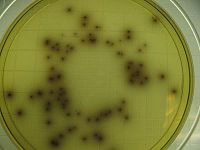
Research – Information Clostridium botulinum

Food Poisoning Journal

Botulism is a rare, life-threatening paralytic illness caused by neurotoxins produced by an anaerobic, gram-positive, spore-forming bacterium, Clostridium botulinum. Unlike Clostridium perfringens, which requires the ingestion of large numbers of viable cells to cause symptoms, the symptoms of botulism are caused by the ingestion of highly toxic, soluble exotoxins produced by C. botulinum while growing in foods.

UK – FSA – Call For Tender – Effectiveness of Surface Treatment in Reducing Microbiological Contamination

FSAfood_standards_agency_logo

The Food Standards Agency is inviting tenders to carry out research on the effectiveness of surface treatment in reducing microbiological contamination of meat. This project only applies to meat intended for the production of raw or lightly cooked food.

RASFF Alerts – Aflatoxin -Pistachio – Ginger – Groundnuts – Dried Figs – Peanuts

RASFF -aflatoxins (B1 = 15.9; Tot. = 18.1 µg/kg – ppb) in pistachio kernels from Afghanistan, via Turkey in Italy

RASFF -aflatoxins (B1 = 10.7; Tot. = 30.8 µg/kg – ppb) in organic ginger from India in Germany

RASFF-aflatoxins in blanched groundnuts from China in France

RASFF – aflatoxins (B1 = 0.5 / B1 = 38.3 µg/kg – ppb) in dried figs from Turkey in France

RASFF-aflatoxins (B1 = 38.6; Tot. = 43.6 µg/kg – ppb) in dried figs pulled from Turkey in France

RASFF-aflatoxins (B1 = 25.2; Tot. = 29.0 / B1 = 23.7; Tot. = 27.5 µg/kg – ppb) in peanut kernels from China in Cyprus


RASFF Alerts – Listeria – Herring Fillets – E.coli – Clams – Salmonella – Spinach

RASFF -Listeria monocytogenes (< 10 CFU/g) in chilled herring fillets in oil from the Netherlands in France

RASFF -high count of Escherichia coli (1300 MPN/100g) in live clams from Croatia in Italy

RASFF -Salmonella poona in fresh water spinach from Sri Lanka in Finland

RASFF Alert – Hepatitis A – Frozen Berries

RASFF -hepatitis A virus (presence) in frozen mixed berries from Italy, with raw material from Bulgaria and Poland in Italy

RASFF Alert – Histamine -Canned Sardines

RASFF – histamine (104; 112; 137 mg/kg – ppm) in canned sardines in olive oil from Morocco in France

RASFF Alerts – Animal Feed – Salmonella – Aflatoxin

RASFF -Salmonella Lladoff (1 out of 5 samples; 2 out of 5 samples; 3 out of 5 samples /25g) in soybean meal non GMO from Italy in Austria

RASFF -aflatoxins (B1 = 376 / B1 = 356 / B1 = 367 µg/kg – ppb) in groundnuts for birdfeed from Nigeria, via the British Virgin Islands in the UK

USA/Canada – USDA Recall – Prosciutto – Listeria monocyotgenes

USDAFood Testing

Santa Maria Foods, a Brampton, Ontario, establishment, is recalling approximately 2,600 pounds of whole boneless ham prosciutto product due to possible contamination with Listeria monocytogenes, the U.S. Department of Agriculture’s Food Safety and Inspection Service (FSIS) announced today.

The ham product was shipped to California and Michigan for further distribution. Case labels bear the Canadian establishment number “473A” within the Canadian mark of inspection. The following product is subject to recall: [Labels]

  • Approximately 50-lb. boxes labeled “PROSCIUTTO x 4 GOLD” with the case codes BR031356 or BR031374, produced on Nov. 14 and Nov. 15, 2013. Each box contains 4 individually packaged hams with the case codes BR031341 or BR031354.

The problem was discovered by FSIS sampling collected during routine reinspection. The sampled product was held, but further investigation by Santa Maria Foods revealed that additional potentially implicated product had been released into commerce. FSIS and the company have received no reports of illnesses associated with consumption of these products. Anyone concerned about an illness should contact a healthcare provider.

Listeria: Why so deadly to the Elderly and Pregnant Women

Food Poisoning Bulletin – Full Article at this link.

Listeria is the common name for the pathogenic or disease-causing bacterium known as Listeria monocytogenes.  It is a foodborne bacterium that, when ingested, causes an infection known as listeriosis.[1]  Approximately 2,500 illnesses and 500 deaths are attributed to listeriosis in the United States annually.[2]

Listeria is ubiquitous in the environment, and can be isolated from wild and domestic animals, birds, insects, soil, wastewater, and vegetation.  The bacterium easily comes into contact with farm animals, as it has been found to be present in grazing areas, stale water, and poorly prepared animal feed.  In addition to being present in the environment, Listeria can live in the intestines of humans, animals, and birds for long periods of time without causing infection.