Category Archives: Food Testing

USA – Research – What is Salmonella

Food Poisoning BulletinSalmonella

It has long been said that, in 1885, pioneering American veterinary scientist, Daniel E. Salmon, discovered the first strain of Salmonella.  Actually, Theobald Smith, research-assistant to Dr. Salmon, discovered the first strain of Salmonella–Salmonella cholerae suis.  But, being the one in charge, Dr. Salmon got all the credit.  In any case, today the number of known strains of the bacteria totals over two thousand.  In recent years, concerns have been raised, as particular strains of the bacteria have become resistant to traditional antibiotics, in both animals and humans.

USA – Research -The E. coli O157:H7 Bacteria and its Complications

Food Poisoning BulletinEcoli Istock

E. coli O157:H7 is one of hundreds of strains of the bacterium Escherichia coli.[1]  Most strains of E. coli are harmless and live as normal flora in the intestines of healthy humans and animals.[2]  The E. coli bacterium is among the most extensively studied microorganism.[3]  The combination of letters and numbers in the name of the E. coli O157:H7 refers to the specific markers found on its surface and distinguishes it from other types of E. coli.[4]  The testing done to distinguish E. coli O157:H7 from its other E. coli counterparts is called serotyping.[5]  Pulsed-field gel electrophoresis (“PFGE”),[6]sometimes also referred to as genetic fingerprinting, is used to compare E. coli O157:H7 isolates to determine if the strains are distinguishable.[7]

USA – CDC – Solve the Outbreak App!

solveoutbreak_cdc_200x200-v2CDC

Are you ready to work your way closer to becoming a Disease Detective? CDC has released an update to Solve the Outbreak, the popular, free iPad app that puts you in the shoes of a member of the Epidemic Intelligence Service. The app now has twice as many outbreaks as before, giving you double the opportunity to have fun.

The immensely popular app has had fans clamoring for more. So if you’ve been stuck as an Apprentice, now’s your chance to work your way through the new outbreaks to earn more badges!

New Features

New, exciting features such as:

  • sound effects,
  • new levels, and
  • achievements.

Work hard to earn an achievement such as Clever Clogs and Smarty Pants; but beware of the Grim Reaper and Underachiever if you fail to Solve the Outbreak.

USA – CDC New Tool For Food Safety in Restaurants

Food Poisoning BulletinE.coli O157

Almost half of all foodborne illness outbreaks that occur every year in the U.S. are associated with restaurants and delis. The CDC has released new findings and prevention tools to improve food safety in restaurants. Public health officials say that increased awareness and implementation of proper food safety in restaurants and delis may prevent many of the foodborne illness outbreaks reported every year in the U.S.

Education of restaurant workers and public health surveillance are two critical tools necessary in preventing these illnesses. Food preparation and handling practices, worker health policies, and hand-washing practices are some of the factors that are not reported during outbreaks. Carol Selman, head of the CDC’s Environmental Health Specialists Network team said, “inspectors have not had a formal system to capture and report the underlying factors that likely contribute to foodborne outbreaks or a way to inform prevention strategies and implement routine corrective measures to prevent future outbreaks.”

USA – Vibrio Outbreak Raw Oysters

Food Poisoning BulletinVibrio

Vibrio outbreak associated with eating raw oysters and raw clams has sickened at least 104 people in 13 states over the last six months, according to the Centers for Disease Control and Prevention (CDC). Six people have been hospitalized.

Public health investigators have traced the source of some of these illnesses to shellfish harvest areas in Connecticut, Massachusetts, New York, and Virginia. Massachusetts issued a recall of oysters,  Connecticut issued a recall of oysters and clams. Implicated harvest areas in Virginia were closed in July and remain closed.  In Massachusetts, they were closed in August and remain closed. In New York they were closed in June and reopened in mid-September. In Connecticut, they were closed in August and reopened in mid-September.

USA – Beef and Pork Product Recall E.coli STEC

E.coli BlogShiga_toxin_(Stx)_PDB_1r4q

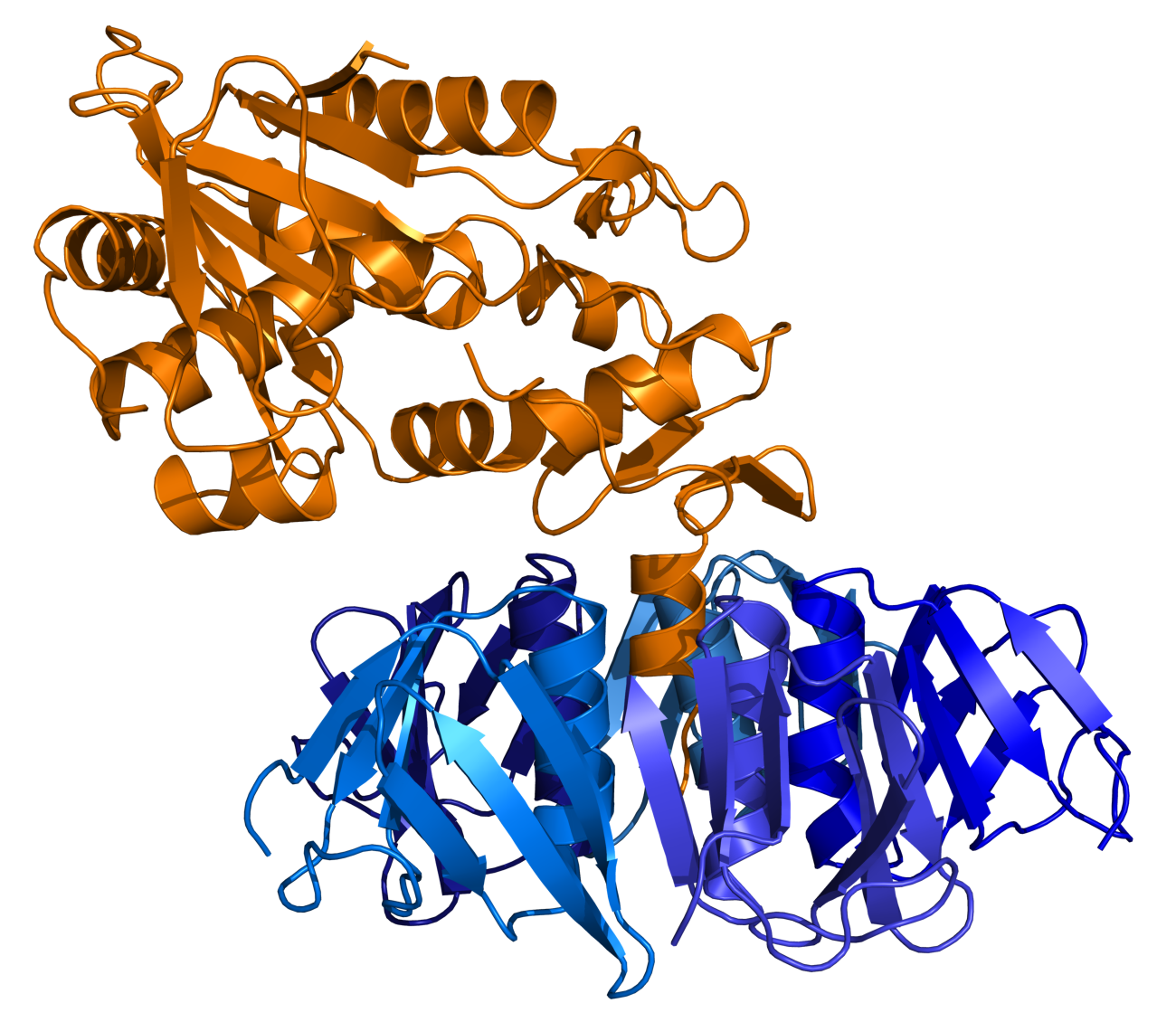
Cloud’s Meats, Inc. is voluntarily recalling beef and pork products possibly contaminated with E. coli. following positive test results for non-0157 Shiga toxin-producing E. coli (STECs) in samples of items produced mid-November. The samples were taken during routine testing conducted by the Missouri Department of Agriculture’s Meat and Poultry Inspection Program November 14 and analyzed by the Department’s Veterinary Diagnostic Laboratory in Springfield.

Italy – Alert Over Clostridium botulinum – Olives

IllfattoalimentareClost

The Ministry of Health has launched an alert for botulism involving two lots of olives brand Bel Colle.  The alarm goes back to November 26, 2013 following the emergency admission at the hospital Morgagni Forlì, a patient with severe symptoms due to suspected poisoning from Clostridium botulinum.

UK – FSA – Recall Mussels/Calms – Possible Illness

FSAfood_standards_agency_logo

Following a small number of illness reports in the UK, as a precaution while investigations are taking place, Marks & Spencer has removed from sale and recalled three Marks & Spencer branded mussel-based products.

M&S – Mussels in Garlic
Unique code: 00604819 and 00929189

M&S – Mussels in White Wine
Unique code: 00720618

M&S – Mussels and Clams
Unique code: 00667104

‘Use by’: all date codes

Marks & Spencer has recalled the affected products from consumers. Point-of-sale notices have been displayed in stores advising consumers of the recall and the actions they can take if they have bought an affected product.

A copy of the company’s product recall notice is attached to this notification.


Research – Bacterial Adaptation to Cold

Microbiology

Micro-organisms react to a rapid temperature downshift by triggering a physiological response to ensure survival in unfavourable conditions. Adaptation includes changes in membrane composition and in the translation and transcription machineries. The  cold shock response leads to a growth block and overall repression of translation; however, there is the induction of a set of specific proteins that help to tune cell metabolism and readjust it to the new conditions. For a mesophile like E. coli, the adaptation process takes about 4 h. Although the bacterial cold shock response was discovered over two decades ago we  are still far from understanding this process. In this review, we aim to describe current knowledge, focusing on the functions of RNA-interacting proteins and RNases involved in cold shock adaptation.

RASFF Alerts – E.coli -Clams – Mussels – Bovine Meat

RASFF -too high count of Escherichia coli (490 MPN/100g) in live clams (Venus verrucosa) from Greece in Italy

RASFF -too high count of Escherichia coli (330; 1090 MPN/100g) in live mussels from France

RASFF – shigatoxin-producing Escherichia coli (presence /25g) in frozen boneless bovine meat (Bos taurus) from Brazil in the Netherlands