Category Archives: Food Temperature Abuse

RASSF Alert – Shellfish Toxins – Tellins

RASFF

Presence of lipophyse toxins in a tellin fishing area in France, Belgium, Spain, Switzerland

RASFF Alert- Mold/Mould – Tomato Passata

RASFF

Risk of mould in tomato passata from Italy in Denmark

New Zealand – Public health warning: shellfish biotoxin alert for Marlborough Sounds

MPI

New Zealand Food Safety is advising the public not to collect or consume shellfish gathered from part of Queen Charlotte Sound due to the possible presence of toxins.

“Routine tests on mussel samples taken from Okiwa Bay (The Grove) have shown levels of diarrhetic shellfish toxins more than 3.5 times the safe limit,” says New Zealand Food Safety specialist adviser Piers Harrison.

“The warning extends from The Grove up to a line from Dieffenbach Point across to West Head in the Marlborough Sounds.

“Please do not gather and eat shellfish from this area because anyone doing so is potentially at risk of getting sick.

“Cooking the shellfish does not remove the toxin, so mussels, oysters, tuatua, pipi, toheroa, cockles, scallops, catseyes, kina (sea urchin) and all other bivalve shellfish from this area should not be eaten.”

Singapore- Recall of Joymom’s Musang King Snowskin Mooncake and Fragrance’s Single Yolk LotusPaste Baked Mooncake – Staphylococcus aureus

SFA

The Singapore Food Agency (SFA) is conducting a recall for two food products. The
products are:
i. Joymom’s Musang King Snowskin Mooncake
ii. Fragrance’s Single Yolk Lotus Paste Baked Mooncake

2 SFA has detected Staphylococcus aureus (S. aureus) in Joymom’s Musang King
Snowskin Mooncake, and aflatoxins in Fragrance’s Single Yolk Lotus Paste Baked Mooncake,
both at levels exceeding the maximum limits stipulated in Singapore’s Food Regulations.

3 As a precautionary measure, SFA has directed the respective importers, Taste Right
Pte Ltd and Fragrance Foodstuff Pte Ltd, to recall the implicated products. The recall is
ongoing

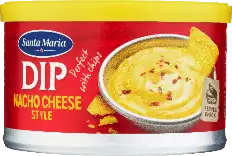
Belgium – Sauces – Cheddar Cheese Sauce (3 kg) et Dip Nacho Cheese Style (250g) de la marque Santa Maria.- Bacillus cereus

AFSCA

The FASFC withdraws the Sauces products – “Cheddar Cheese Sauce (3 kg)” and “Dip Nacho Cheese Style (250g)” of the Santa Maria brand from sale and recalls them from consumers due to the possible presence of Bacillus cereus .

You are asked not to consume these products and to return them to the point of sale where they were purchased.

Product description

– Name of the products: Cheddar Cheese Sauce (3 kg) and Dip Nacho Cheese Style (250g)
– Brand: Santa Maria
– Minimum durability dates (MBD) (“Best before”):
           Cheddar Cheese Sauce (3 kg): from 06/01/2024 to 08/31/2024
           Dip Nacho Cheese Style (250g): from 06/01/2025 to 08/31/2025
– Batch numbers: all batches are affected
– Nature of packaging: plastic pots

The products were distributed through different points of sale.

For any further information , you can contact the AFSCA contact point for consumers: 0800/13.550 or pointdecontact@afsca.be .

Denmark – Bacillus cereus in cheese dip

Foedevarestyrelsen

Paulig Denmark A/S is recalling Santa Maria Dip Nacho Cheese Style, as Bacillus cereus bacteria have been found in the product. The product should be discarded or returned to the store where it was purchased.

Image of the product

Which food is recalled

Santa Maria Dip Nacho Cheese Style
Net content: 250g
Best before dates: From 01.06.2025 to 31.08.2025

Where is the product sold

The product is sold in grocery stores throughout the country.

Why is the product being recalled?

The bacterium Bacillus cereus has been detected in the product. The symptoms of infection with the bacteria are typically vomiting or diarrhea.

What should you do as a consumer?

The Danish Veterinary and Food Administration advises consumers to return the product to the store where it was purchased, or discard it.

If you experience symptoms in connection with consuming the product, you should contact your own doctor.

Who recalls the product

Paulig Denmark A/S
Ringager 2A
2605 Brøndby

RASFF Alerts – Mold/Mould – Tortillas- Shelled Almonds – Dried Plums

RASFF

Presence of mould on tortillas from Spain in France

RASFF

High count of moulds and aflatoxins in shelled almonds from the United States in the Netherlands

RASFF

Mold on the surface of dried plum, packaged in Croatia with raw material from Serbia

RASFF Alert- Histamine – Tuna

RASFF

Histamine in tuna, from Sri Lanka in the Netherlands

RASFF Alert- Lactobacilli – Curry Ketchup

RASFF

Lactobacilli in curry ketchup from the Netherlands in Aruba, Canada, Portugal and Spain

New Zealand -Public health warning: shellfish biotoxin alert for Raglan coastline

MPI

New Zealand Food Safety today issued a public health warning advising the public not to collect or consume shellfish harvested from the Raglan coastline.

The warning extends from Port Waikato, southward to Tauratahi Point at the entrance of Kawhia Harbour. The warning includes the entire Raglan and Aotea Harbours but not Kawhia Harbour. Paralytic Shellfish Toxins have been detected in shellfish from Raglan at levels above the safe limit set by MPI.

Mussels, oysters, tuatua, pipi, toheroa, cockles, scallops, catseyes, kina (sea urchin) and all other bivalve shellfish should not be eaten.

Note that cooking shellfish does not remove the toxin.

Pāua, crab and crayfish may still be eaten if the gut has been completely removed prior to cooking, as toxins accumulate in the gut. If the gut is not removed, its contents could contaminate the meat during the cooking process.

Symptoms typically appear between 10 minutes and 3 hours after ingestion and may include:

  • numbness and a tingling (prickly feeling) around the mouth, face, and extremities (hands and feet)
  • difficulty swallowing or breathing
  • dizziness
  • headache
  • nausea
  • vomiting
  • diarrhoea
  • paralysis and respiratory failure and in severe cases, death.

If anyone becomes ill after eating shellfish from an area where a public health warning has been issued, phone Healthline for advice on 0800 61 11 16, or seek medical attention immediately. You are also advised to contact your nearest public health unit and keep any leftover shellfish in case it can be tested.

Monitoring of toxin levels will continue and any changes will be communicated accordingly. Commercially harvested shellfish – sold in shops and supermarkets, or exported – is subject to strict water and flesh monitoring programmes by MPI to ensure they are safe to eat.