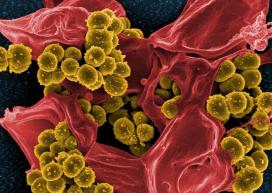
Category Archives: Food Technology

Research – Salmonella Contamination in Ready-to-Eat Tilapia Sashimi Processing Plants

Journal of Food Protection

In this study, we investigated contamination rates and possible contamination routes of Salmonella in two typical tilapia sashimi processing plants in Taiwan. We found that the overall isolation rate was 5.0% (n = 61), from a total of 1,218 samples collected in a year from different processing sections (freezing, scaling and bleeding, visceral removal, washing and disinfection, and packaging) and from different operating times (before processing and 3 and 6 h after processing began). In plant A, which is a relatively well-operated plant compared with plant B, Salmonella was only found in the freezing, scaling and bleeding, and visceral removal sections, with isolation rates ranging from 0 to 9.3%. No Salmonella was identified in the final ready-to-eat products at plant A. In plant B, Salmonella was found in all sections and in the final products, with isolation rates ranging from 4.6 to 36.1%. Regarding the processing times, the contamination rates increased significantly (P < 0.05) 3 h after processing began in plant B. Among the isolates, 10 serotypes were detected, some of which are commonly observed in human salmonellosis cases in Taiwan, indicating a risk of zoonoses. However, only four isolates showed antimicrobial resistance in the current study. With molecular subtyping, we observed accumulated and persistent Salmonellaecontamination patterns in plant B. These results suggest that inadequate sanitation impairs the foodborne pathogen control program in tilapia sashimi plants.

Research – Assessing the airborne survival of bacteria in aerosol droplets from coughs and sneezes

Science Daily qwf

The airborne transmission of diseases including the common cold, influenza and tuberculosis is something that affects everyone with an average sneeze or cough sending around 100,000 contagious germs into the air at speeds of up to 100 miles per hour.

New research led by scientists from the University of Bristol and published today in the Journal of the Royal Society Interface, outlines a new technique that, for the first time, examines directly the environmental factors that control the transmission of disease to the level of a single aerosol particle and a single bacterium.

Aerosol droplets are a typical route for the transport of pathogens, such as bacteria and viruses, and the airborne transmission of disease.

The impact of environmental factors (such as relative humidity, temperature, atmospheric oxidants and the presence of light) on the viability and infectivity of pathogens in aerosol droplets remains poorly understood.

For example, although the seasonal variation in influenza cases is known, the environmental factors determining the differences in airborne transmission of the virus is not well understood.

To help understand this process better, scientists have established a novel approach for forming aerosol droplets containing a specific number of bacteria, trapping a cloud of these droplets of exact known population and simulating their environmental exposure over a time from five seconds to several days.

The aerosol droplets are then gently sampled onto a surface to determine how many bacteria have survived their time in the aerosol phase.

The study reports on the benchmarking of this new approach, demonstrating the many advantages over conventional techniques, which include introducing large populations of droplets to large rotating drums or capturing droplets on spiders’ webs.

Not only can measurements be made down to the single bacterium/single droplet level requiring very little quantity of aerosol (picolitres), but high time resolution (one second) measurements of viability can be made, allowing the first quantitative studies of the influence of dynamic factors transforming the aerosol (for example evaporation, condensation) on viability.

For example, the study shows that during evaporation of droplets, the concentration of typical salts can rise way beyond their solubility limit, placing considerable osmotic stress on the bacteria and reducing viability.

Lead author, Professor Jonathan Reid from the University of Bristol’s School of Chemistry, said: “This new technique offers the eventual prospect of allowing refined measurements to improve our understanding of the transmission of many airborne diseases including tuberculosis, the influenza virus, and foot and mouth disease.”

Research – Effect of Atmospheric Pressure Plasma on Listeria monocytogenes Attached to Abiotic Surfaces

Journal of Food Protection

Listeria monocytogenes can be introduced into food processing plants via raw material of animal or plant origin and can establish endemic populations through formation of biofilms. Biofilms are a continuous source of contamination for food products, and L. monocytogenes cells in biofilms are more resistant to stress and sanitizing agents than are planktonic cells. The use of gas-discharge plasmas may offer a feasible alternative to conventional sanitization methods. Plasmas are a mixture of charged particles, chemically reactive species, and UV radiation and can be used to destroy microorganisms. The purpose of this study was to measure the effectiveness of cold atmospheric pressure plasma (APP) treatments against bacteria attached to a solid surface and to evaluate the individual susceptibility of various L. monocytogenes strains. Attention was focused on the state of the cells after treatment, combining detection by viable counts and quantitative PCR (qPCR). Most of the culturable cells were inactivated after APP treatment, but the qPCR assay targeting the 16S rRNA revealed the presence of injured cells or their entrance into the viable but nonculturable state. These results were at least partly confirmed by a resuscitation experiment. After APP treatment, L. monocytogenes cell suspensions were incubated in brain heart infusion broth; some cells grew in the medium and therefore had survived the treatment. An understanding of the effects of APP on L. monocytogenes can inform the development of sanitation programs incorporating APP for pathogen removal. Methods other than those based of the culturability of the cells should be used to monitor pathogens in food processing plants because cultivation alone may underestimate the actual microbial load.

UK- Scotland – Guidance for Scottish local authority officers on the production of cheese from unpasteurised milk

HPS

The Scottish Food Enforcement Liaison Committee (SFELC) has endorsed guidance produced by their Joint Specialist Cheese and Risky Foods Short-Life Working Group on the production of cheese from unpasteurised milk.

The guidance aims to control the microbiological risks in the production of artisan cheeses made from unpasteurised milk, specifically Shiga toxin-producing Escherichia coli(STEC). The guidance applies to all establishments producing cheese made from unpasteurised milk from cows, goats, sheep and buffalo.

Cheese made from unpasteurised milk has been linked to outbreaks of human illness and in particular, illness caused by STEC organisms including E. coli O157. The guidance has been developed in relation to the control of STEC and is intended for use during the inspection and enforcement of food safety controls applied by cheesemakers producing cheese made from unpasteurised milk.

The guidance reflects current scientific knowledge and understanding in relation to STEC and the production of cheese from unpasteurised milk. As scientific information and evidence on STEC evolves, the guidance will be reviewed. In addition, the guidance will complete a pilot implementation phase before a scheduled review.

The guidance is available to view at: https://www.foodstandards.gov.scot/downloads/SFELC_Document.pdf.

Details of a recent report on pathogen risks in unpasteurised cheese in Scotland can be viewed on the HPS weekly report, current note 52/5006: http://www.hps.scot.nhs.uk/ewr/redirect.aspx?id=78563.

Research – Evaluation of lemongrass and ginger essential oils to inhibit Listeria monocytogenes in biofilms

Wiley Online

Abstract

Listeria monocytogenes, a foodborne pathogen, is hard to eliminate from food processing environments because it can persist in biofilms. Searching for natural agents that can effectively act against L. monocytogenes biofilms is important to prevent food contamination, especially in the case of ready‐to‐eat foods. Here, we determine the key components of the lemongrass and ginger essential oils (EOs) and evaluate the activity of each EO against L. monocytogenes biofilms. Biofilms grown on stainless steel and glass coupons were monitored by culture method and confocal laser scanning microscopy (CLSM). These techniques revealed the presence of live and dead cells. Monoterpenes were the main components in the lemongrass EO; monoterpenes and sesquiterpenes were the main constituents of the ginger EO. Although the lemongrass EO affected L. monocytogenes biofilms significantly, none of the tested treatments inhibited the pathogen completely. Therefore, controlling the presence of L. monocytogenes in food processing areas demands preventive measures.

Practical application

Microbial biofilms constitute a challenge for effective sanitation in the food industry. Synthetic products are commonly used as sanitizers, but consumers have demanded more natural food produced in eco‐friendly environments. This scenario has motivated the search for natural antimicrobials that can be applied in food facilities to eliminate microorganisms from biofilms. Plant‐derived compounds represent an alternative source of antimicrobials due to their potential acceptance by the consumers and wide availability. This study shows that treatment with lemongrass essential oil significantly affects biofilms formed by the foodborne pathogen Listeria monocytogenes, but the treatment does not eradicate the biofilms. Our results demonstrate that it is possible to identify natural antimicrobials with potential use as alternative sanitizers in the food industry.

Australia – Recall: Raw Apricot Kernels

NSW Food Authority

The NSW Food Authority advises:

Tamex Import Export has recalled the above product from Fred’s one stop, Nevros Supermarket, Middle East Supermarket, BM Fruit Market, and Fairfield Forum Market in NSW.

Product details:

  • Raw Apricot Kernels, 400g, plastic bag
  • Best Before 27.03.2019

Problem: The recall is due to biotoxin (hydrocyanic acid) contamination.

Food safety hazard: Food products containing hydrocyanic acid may cause illness if consumed.

Country of origin: Turkey

What to do: Consumers should not eat this product. Any consumers concerned about their health should seek medical advice and should return the product to the place of purchase for a full refund.

For more information on this recall, contact Tamex Import Export on 02 9832 3656​

Research – Listeria monocytogenes risk associated with chicken at slaughter and biocontrol with three new bacteriophages

Wiley Online

Abstract

The aim of this study was to isolate Listeria monocytogenes from chicken neck skins and lytic bacteriophages from poultry slaughterhouse wastewaters, and following the characterization of the isolates, biocontrol of L. monocytogenes was investigated on chicken drumsticks with the isolated phages. L. monocytogenes prevalence was detected 12.3% in the chicken samples and the dominant serotype was determined as 1/2a (92.5%). Expression levels of major virulence genes were revealed by real‐time RT‐PCR. Ten different DNA profiles were detected by ERIC‐PCR fingerprinting. According to the MIC results, LM‐P75 was defined as MDR by showing resistance to antibiotics in six different groups. Besides, five lytic listeriophages were isolated from wastewaters and treated with Cla1 and Sac1. Taking EoP, TEM, in vitro, and in vivo analyses results into consideration, three bacteriophages were used for the biocontrol assay. The application of the bacteriophages on drumsticks achieved a reduction up to 3.3 log CFU/ml in L. monocytogenes count in 3 hr of incubation at 4°C.

Practical applications

Our results showed that in spite of the developments in hygiene practices during slaughtering, chicken meat is still a potential source for L. monocytogenes. On the other hand, the phage cocktail that used in this study can be an effective tool to reduce L. monocytogenes in chicken carcasses at final wash or at cooling step in poultry slaughtering process, as well as in decontamination of chicken meat parts.

Research – Wiping out MRSA: effect of introducing a universal disinfection wipe in a large UK teaching hospital

ARIC Journal

mrsa

Background

Contamination of the inanimate environment around patients constitutes an important reservoir of MRSA. Here we describe the effect of introducing a universal disinfection wipe in all wards on the rates of MRSA acquisitions and bacteraemias across a large UK teaching hospital.

Methods

A segmented Poisson regression model was used to detect any significant changes in the monthly numbers per 100,000 bed days of MRSA acquisitions and bacteraemias from April 2013 – December 2017 across QEHB.

Results

From April 2013 to April 2016, cleaning of ward areas and multi-use patient equipment by nursing staff consisted of a two-wipe system. Firstly, a detergent wipe was used, which was followed by a disinfection step using an alcohol wipe. In May 2016, QEHB discontinued the use of a two-wipe system for cleaning and changed to a one wipe system utilising a combined cleaning and disinfection wipe containing a quaternary ammonium compound. The segmented Poisson regression model demonstrated that the rate of MRSA acquisition/100,000 patient bed days was affected by the introduction of the new wiping regime (20.7 to 9.4 per 100,000 patient bed days; p <0.005).

Discussion

Using a Poisson model we demonstrated that the average hospital acquisition rate of MRSA/100,000 patient bed days reduced by 6.3% per month after the introduction of the new universal wipe.

Conclusion

We suggest that using a simple one wipe system for nurse cleaning is an effective strategy to reduce the spread and incidence of healthcare associated MRSA.

Research – Long-Term Depuration of Crassostrea virginica Oysters at Different Salinities and Temperatures Changes Vibrio vulnificus Counts and Microbiological Profile

Journal of Food Protection

Previous short-duration depuration studies with the eastern oyster (Crassostrea virginica) demonstrated difficulty in achieving significant naturally incurred Vibrio vulnificus population count reductions. The present study used long-duration depuration (14 days) at controlled temperatures (10 or 22°C) and salinities (12, 16, or 20 mg/g). All depuration temperature–salinity combinations significantly reduced V. vulnificus counts, with greatest reductions seen in 12 mg/g, 10°C seawater (2.7-log CFU/g reduction) and in 20 mg/g, 22°C seawater (2.8-log reduction). Mesophilic vibrios dominated the overall microflora of freshly harvested oysters, whereas refrigerated storage selected for psychrotrophic bacteria (Pseudomonas spp., Aeromonas spp., Shewanella spp., Psychrobacter spp.) as well as did depuration at 10°C (Pseudoalteromonas spp., Shewanella spp., Vibrio spp.). Depuration at 22°C retained dominance of mesophilic vibrios, including pathogenic species, followed by Shewanella spp., Pseudoalteromonas spp., and Photobacterium spp. Although aerobic plate counts were lower in 22°C depurated oysters (5.0 log versus 6.0 log) compared with 10°C, depuration at 10°C offered greater V. vulnificus population reductions than depuration at 22°C. This advantage was only seen at 12 mg/g salinity, with no impact at 16 and 20 mg/g salinities. No depuration treatment reduced V. vulnificus counts to nondetectable levels. Use of prolonged depuration may be a helpful intervention to control V. vulnificus populations in oysters.

Research – A Quantitative Risk Assessment of Human Salmonellosis from Consumption of Walnuts in the United States

Journal of Food Protection

We assessed the risk of human salmonellosis from consumption of shelled walnuts in the United States and the impact of 0- to 5-log reduction treatments for Salmonella during processing. We established a baseline model with Salmonella contamination data from 2010 to 2013 surveys of walnuts from California operations to estimate baseline prevalence and levels of Salmonella during preshelling storage and typical walnut processing stages, considered U.S. consumption data, and applied an adapted dose-response model from the Food and Agriculture Organization and the World Health Organization to evaluate risk of illness per serving and per year. Our baseline model predicted 1 case of salmonellosis per 100 million servings (95% confidence interval [CI], 1 case per 3 million to 1 case per 2 billion servings) of walnuts untreated during processing and uncooked by consumers, resulting in an estimated 6 cases of salmonellosis per year (95% CI, <1 to 278 cases) in the United States. A minimum 3-log reduction treatment for Salmonella during processing of walnuts eaten alone or as an uncooked ingredient resulted in a mean risk of <1 case per year. We modeled the impact on risk per serving of three atypical situations in which the Salmonella levels were increased by 0.5 to 1.5 log CFU per unit pretreatment during processing at the float tank or during preshelling storage or posttreatment during partitioning into consumer packages. No change in risk was associated with the small increase in levels of Salmonella at the float tank, whereas an increase in risk was estimated for each of the other two atypical events. In a fourth scenario, we estimated the risk per serving associated with consumption of walnuts with Salmonella prevalence and levels from a 2014 to 2015 U.S. retail survey. Risk per serving estimates were two orders of magnitude larger than those of the baseline model without treatment. Further research is needed to determine whether this finding reflects variability in Salmonella contamination across the supply or a rare event affecting a portion of the supply.