Category Archives: Food Safety

Research – Salmonella Newport Outbreaks Associated with Ground Beef Outbreak Investigation After-Action Report, 2016-2019

FSIS USDA

Outbreaks at a Glance
Illnesses 542 States included 36 Hospitalizations 163 Deaths 1
Response at a Glance
Ill people with 40 documentation to identify foods
Recall or Public Health Alert Yes Process improvement – Yes
•This Salmonella Newport strain associated with ground beef has been characterized as a reoccurring strain because it has caused repeated outbreaks of human illnesses with similar epidemiologic characteristics. Every month, FSIS monitors selected Salmonella serotypes, including Newport, for directional changes and trends, and compares them to a 3-year historical average for that particular serotype.

Highlights

•A strain of Salmonella Newport caused reoccurring human infections and two outbreaks associated with ground beef.

•There were over 100 illnesses for each outbreak (106 in outbreak 1 and 436 in outbreak 2), which is unusual for ground beef outbreaks.

•The investigations prompted a government-industry collaboration on innovative methods of obtaining shopper history. Shopper history best practices and success stories are highlighted in an article on the Association of Food and Drug Officials webpage.

What Happened?

From 2016 to 2019, in collaboration with public health partners, the Food Safety and Inspection Service (FSIS) investigated two Salmonella Newport outbreaks:

•The majority of reported ill people lived in the Southwestern area of the United States.

•The analyzed isolates did not show any predicted antimicrobial resistance.

•At least 80% of the ill people had eaten ground beef in the week before illness. At least one ground beef sample tested positive for Salmonella Newport and was closely related by whole genome sequencing (WGS) to clinical isolates.

•Ill people reported eating or possibly eating undercooked ground beef.

Belgium – Jumbo steamed meal Tom Ka Khai -Salmonella

AFSCA

Jumbo Recall
Product: Jumbo steamed meal Tom Ka Khai (Jumbo stoomsoep Tom Ka Khai).
Issue: The product may contain salmonella bacteria.


In agreement with the FASFC, Jumbo withdraws from sale the ” Tom Ka Khai steamed meal ” with EAN 8718452622566 and expiry dates (DLC) 07-06-2022 and 08-06-2022 of the Jumbo brand and recalls it to consumers because the product may contain salmonella bacteria.

Jumbo asks its customers not to consume this product and to return it to the point of sale where it was purchased, where they will be reimbursed.

Product Description Product

Name: Jumbo Stoomsoep Tom Ka Khai (Jumbo Steamed Meal Tom Ka Khai)
Brand: Jumbo
EAN: 8718452622566 Best Before
Dates (BBD): 07-06-2022 and 08-06-2022
Sale Period: From 02-06-2022 to 07-06-2022
Type of packaging: Plastic packaging
Weight: 550 g

The product was distributed through Jumbo subsidiaries in Belgium.

For more information , customers can contact customer services on 0800-98998 or Jumbo.com .

Our apologies for the inconvenience caused.

USA – F&S Fresh Foods Recalls 7.25oz Garden Highway Snacks Brand Protein Power Snack (UPC 8 26766 00979 4) Because of Possible Health Risk -Salmonella

FDA

Summary

Company Announcement Date:
FDA Publish Date:
Product Type:
Food & Beverages
Peanut Butter
Foodborne Illness
Reason for Announcement:
Salmonella
Company Name:
F&S Fresh Foods
Brand Name:
Fresh Garden Highway
Product Description:
Protein Power Snack

Company Announcement

F&S Produce Co of Vineland, NJ is recalling a limited quantity of Protein Power Snack, because it contains a cup of 0.75oz JIF peanut butter which has the potential of being contaminated with Salmonella, an organism which can cause serious and sometimes fatal infections in young children, frail or elderly people, and others with weakened immune systems. Healthy persons infected with Salmonella often experience fever, diarrhea (which may be bloody), nausea, vomiting and abdominal pain. In rare circumstances, infection with Salmonella can result in the organism getting into the bloodstream and producing more severe illnesses such as arterial infections (i.e., infected aneurysms), endocarditis and arthritis.

Protein Power Snack was distributed at US Walgreens stores in NJ and NY.

The product has since been pulled from the shelves and is currently past the expiration date.  The last lot of the affected product had a code date of “Best By: 05/28/22” which can be located on the front label.

No illnesses have been reported to date from this product. However, the peanut butter used to make this product has illnesses associated with it.

The recall was as the result of F&S receiving some of the affected lots of JIF Peanut Butter which J.M. Smucker Co has recalled.  The company has ceased the production and distribution of the product as FDA and the company continue their investigation.

If consumers still have any of this product remaining in their homes, they are urged to return it to the place of purchase for a full refund. Consumers with questions may contact Joseph Garofalo at 856-391-7122 or jgarofalo@fsfreshfoods.com from 8am-5pm EST on Mon-Fri.

Outbreak Advisory link


Company Contact Information

Consumers:
Joseph Garofalo
 856-391-7122

Product Photos

Romania – Seed Mix Recall – Salmonella

ANSVSA

Olimp recalls Alesto Mix semințe / Seed mix (200g; Lots 767-221441-1, 767-221521-1, 767-221531-1 (Expiration date 20.01.2023) and Lot 767-221541-1 (Expiration date 28.02.2023)) due to possible Salmonella contamination.

USA – Urban Remedy Recalls Urban Remedy Organic Revitalizing Tea Tonic – Strawberry Hibiscus Rose Due to Possible Hepatitis A Contamination

FDA

Company Announcement

Urban Remedy is voluntarily recalling Urban Remedy Organic Revitalizing Tea Tonic Strawberry Hibiscus Rose (LOT 1232 BEST BY 7/17/2022) because it has the potential to be contaminated with Hepatitis A. Urban Remedy contracts Youngstown Grape Distributors Inc. to co-manufacture this product. The product may contain fresh organic strawberries linked to the FDA outbreak investigation of FreshKampo organic strawberries. https://www.fda.gov/food/outbreaks-foodborne-illness/outbreak-investigation-hepatitis-virus-strawberries-may-2022.

Hepatitis A is a contagious virus that can cause liver disease. A Hepatitis A virus (HAV) infection can range in severity from a mild illness lasting a few weeks to a severe illness lasting several months. In rare cases, particularly consumers who have a pre-existing severe illness or are immune compromised, Hepatitis A infections can progress to liver failure. Illness usually occurs within 15 to 50 days after eating or drinking contaminated food or water. Symptoms of Hepatitis A infection include fever, headache, fatigue, loss of appetite, nausea, vomiting, diarrhea, abdominal pain, jaundice, dark urine or pale stool. In some instances, particularly in children under the age of six, Hepatitis A infection may be asymptomatic.

Persons who may have purchased the affected product do not consume, if consumed consult your health care provider or local health department to determine if a vaccination is appropriate and consumers with symptoms of Hepatitis A should contact their health providers or the local health department immediately.

No illnesses have been reported consuming Urban Remedy product to date.

UPC Description Lot Number Product Size
813377025831 Urban Remedy Organic Revitalizing Tea Tonic Strawberry Hibiscus Rose 1232 Best By 7/17/2022 12oz

The product was sold in a 12oz resealable plastic bottle at various retail stores in CA, NM, VA, CO, WA, OR, CO, NY, PA, AZ, IL, OH, MD, WI, TX, WY, MO, ME, KY, MI, NC, MA, NE, and UT states between 5/17/2022 – 5/29/2022.

“At Urban Remedy, food safety is our company’s top priority,” said Paul Coletta, CEO. The company is committed to keeping their consumers informed and is asking those who purchased product with the affected lot number to dispose of the item or return it to place of purchase for full credit.

Consumers with additional questions can call (855) 875-8423 from 9:00 am to 6:00 pm PDT or email Connect@UrbanRemedy.com


Company Contact Information

Consumers:
 (855) 875-8423
 Connect@UrbanRemedy.com

Product Photos

Netherlands – Safety Warning Steam Soup Tom Ka Khai Jumbo – Salmonella

NVWA

Safety Warning Steam Soup Tom Ka Khai Jumbo

Jumbo warns about steam soup Tom Ka Khai. The soup may contain salmonella bacteria. Eating the product can especially endanger the health of pregnant women, young children, the elderly and people with weakened immune systems.

See the Jumbo website

Which product is it?

  • Product: Jumbo steam soup Tom Ka Khai
  • Barcode: 8718452622566
  • Best before: 07-06-2022 and 08-06-2022

Sincerely

The Dutch Food and Consumer Product Safety Authority

USA – Taharka Brothers Ice Cream Recalls Peanut Butter Cup Ice Cream Because of Possible Health Risk – Salmonella

FDA

Summary

Company Announcement Date:
FDA Publish Date:
Product Type:
Food & Beverages
Reason for Announcement:
Salmonella
Company Name:
Taharka Brothers Ice Cream
Brand Name:
Taharka Brothers
Product Description:
Peanut Butter Cup Ice Cream

Company Announcement

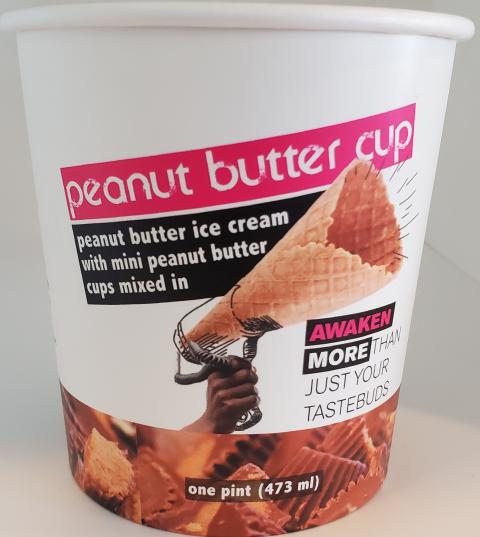
Taharka Brothers Ice Cream of Baltimore, Maryland is recalling its Peanut Butter Cup ice cream, because it has the potential to be contaminated with Salmonella, an organism which can cause serious and sometimes fatal infections in young children, frail or elderly people, and others with weakened immune systems. Healthy persons infected with Salmonella often experience fever, diarrhea (which may be bloody), nausea, vomiting and abdominal pain. In rare circumstances, infection with Salmonella can result in the organism getting into the bloodstream and producing more severe illnesses such as arterial infections (i.e., infected aneurysms), endocarditis and arthritis.

Affected Peanut Butter Cup ice cream was distributed between 03/01/2022 and 05/28/2022 to the Maryland and DC area through grocery stores, scoop shops, restaurants, and direct to consumer delivery.

The product comes in two forms, a 16 ounce paper pint container, which includes a design of peanut butter cups on a white background. The barcode on the side of the container will read 38455-78827. The product was also sold in brown, rectangular, cardboard containers measuring 2.5 gallons with a white sticker label reading Peanut Butter Cup.

No illnesses or health-related complaints in connection with this recall have been reported to Taharka Brothers to date. However, there is an ongoing outbreak associated with the consumption of JIF peanut butter.

The potential for contamination was noted after routine testing by ingredient supplier J. M. Smucker Co. revealed the presence of Salmonella in some of their peanut butter products. J. M. Smucker Co. brand peanut butter was used in the production of Peanut Butter Cup ice cream until 05/28/2022 and distributed to multiple retailers including the following:

Streets Market Eddies of Roland Park Graul’s Market
Green Valley Marketplace Good Food Markets Santoni’s Geresbecks

Wholesale customers are encouraged to remove affected Peanut Butter Cup ice cream from circulation, photograph the product, and dispose of the product. Please email duane@taharkabrothers.com with your business name and address, the product that was disposed of, as well as any photographs to receive a credit to your account.

Individual customers are encouraged to not consume the ice cream and visit a Taharka Brothers store location for an exchange or refund. Individuals who are unable to visit a store location are asked to email taharkacs@gmail.com Customers with further questions may contact the company at 410-698-2738 Monday – Friday from 9am – 5pm EST.


Company Contact Information

Consumers:
Taharka Brothers Ice Cream
 410-698-2738

Product Photos

Quebec – Lack of information necessary for the safe consumption of maple-smoked salmon sold by Buffet Maison, the Orléans caterer

Quebec

QUEBEC CITY , June 7, 2022 /CNW Telbec/ – The Ministry of Agriculture, Fisheries and Food (MAPAQ), in collaboration with Buffet Maison, the Orleans caterer, located at 995, route Prévost , in Saint-Pierre -de-l’Île-d’Orléans, advises the public not to consume the product indicated in the table below if it has not been kept in the freezer at all times since the time of procurement. Indeed, the product label does not include the information necessary for its safe consumption, namely the statement “Keep frozen until use” which is required.

Product name

Format

Affected lot

“Maple Smoked Salmon”

Variable

Units sold until June 7, 2022

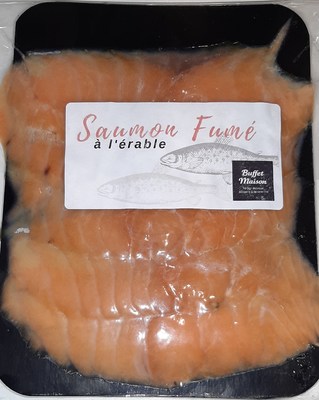
The product that is the subject of this warning was offered for sale until June 7, 2022 inclusively, and only at the establishment designated above. It was placed on a black cardboard tray covered with transparent film and sold frozen. The product label includes, in addition to its name, the words “Buffet Maison”.

The operator is voluntarily recalling the product in question. It has agreed with MAPAQ to issue this warning as a precautionary measure. Persons who have this product in their possession and have not kept it in the freezer at all times since the time of purchase are advised not to consume it. They must either return it to the establishment where they bought it or throw it away. Even if the affected product shows no signs of tampering or suspicious odors, its consumption may represent a health risk. It should be noted that no case of illness associated with the consumption of this food has been reported to MAPAQ to date.

Additional information

The Ministry publishes various information documents concerning food safety. Interested persons can consult them in the “Food Consumption” section of the MAPAQ website: www.mapaq.gouv.qc.ca/consommation  . They also have the possibility of registering online by visiting www.mapaq.gouv.qc.ca/rappelsfoods  to receive, by e-mail, the food recall press releases published by the Ministry. Finally, it is possible to follow “MAPAQfoods” on Twitter at the following address: www.twitter.com/MAPAQfoods  .

maple smoked salmon (CNW Group/Ministry of Agriculture, Fisheries and Food) 


Hazard Classification: Class 1 
Reference Number: 4560

Source: 
Media relations 
Direction des communications 
Ministry of Agriculture, Fisheries and Food 
Tel. : 418 380-2100, extension 3512 
www.mapaq.gouv.qc.ca  

QuoteConsult the original content to download the multimedia: http://www.newswire.ca/fr/releases/archive/June2022/07/c5522.html


Catania – Alert for the presence of histamine in canned tuna in sunflower oil from Spain

ACSA

related links

UK -New UK Food Safety Network to tackle £9 billion food poisoning challenge

FSA

Food poisoning is a major health challenge that costs the UK up to £9 billion each year. To help tackle the problem, the Food Standards Agency (FSA) and Biotechnology and Biological Sciences Research Council (BBSRC) have invested £1.6m into a new Food Safety Network, hosted by the Quadram Institute.

  • in the UK, estimates indicate there are 2.4 million cases of foodborne illness a year
  • the estimated annual cost from these illnesses is £9 billion (with £6 billion from unknown causes)
  • research shows that the cause of illness is often a microbial pathogen carried over into food from the environment, or from livestock, or even from people
  • the microbes which cause the greatest economic impact are Campylobacter and Salmonella
  • listeria-related food poisoning is rare, but has a mortality rate of nearly 13 per cent
  • microbes also play a key role in food waste, with Pseudomonas accounting for 25 per cent of food spoilage

FSA Chief Scientific Adviser Professor Robin May, said:

‘We are excited to partner with BBSRC and Quadram Institute for the creation of the UK Food Safety Network. Foodborne disease is a major cause of illness in the UK population and imposes a significant burden on both infected individuals and the economy. The network directly aligns with the core objectives of the FSA Strategy 2022-2027 to ensure food is safe and food is what it says it is. Importantly, the network will ensure that the FSA is well-placed to tackle the challenges of foodborne illnesses by bringing together experts from government, industry and academia to address current and emerging issues of food safety in the UK.’

Quadram Institute group leader and lead for the new network, Dr Matt Gilmour, said:

BBSRC Executive Chair, Professor Melanie Welham said:

Scientists at the Quadram Institute already use advanced genomic sequencing approaches and genomic epidemiology, which has significantly enhanced the UK’s ability to monitor and respond to microbial threats in the food system (also demonstrated by the Quadram team in its work on the SARS-CoV-2 pandemic).

The UK Food Safety Network will connect food industry, food and health policymakers and academia to collaboratively pursue shared research priorities that will protect the UK from foodborne hazards. The Network will serve as an innovation hub to coordinate and fund cross-sectoral research and training activities that address current and emerging challenges.

The Network’s objectives are to:

  • assemble a community of UK food producers, food policy makers and scientific researchers who collectively can take robust actions toward improving food safety
  • identify areas of research need and opportunity that, in the view of food stakeholders and network members, will have meaningful impacts on UK food safety
  • coordinate new collaborative research activities that will promote the application of science towards the food safety challenges identified by our food system community
  • host training promoting skills development, interoperability and relationship-building between our food system community
  • translate the knowledge generated within the Network to food safety stakeholders, and to upcycle existing information and technologies relevant to food safety that have not yet been applied more broadly

Quadram Institute Director, Professor Ian Charles, said:

‘The safety of our food is threatened by both enduring and emerging threats from microbes that contaminate our food. This threat is exemplified by microbes that spread between the environment, animals and humans – with foodborne exposures being a means for the transmission of pathogens and novel antimicrobial resistance genes from agriculture.

‘The challenge is to take an integrated and unified approach to these problems right through from agriculture and the environment, to food production and human health, in what’s termed a ‘One Health’ approach. To do that we need to collaborate with food and other associated industries to share research and innovation and deliver training activities.’