Category Archives: Food Safety

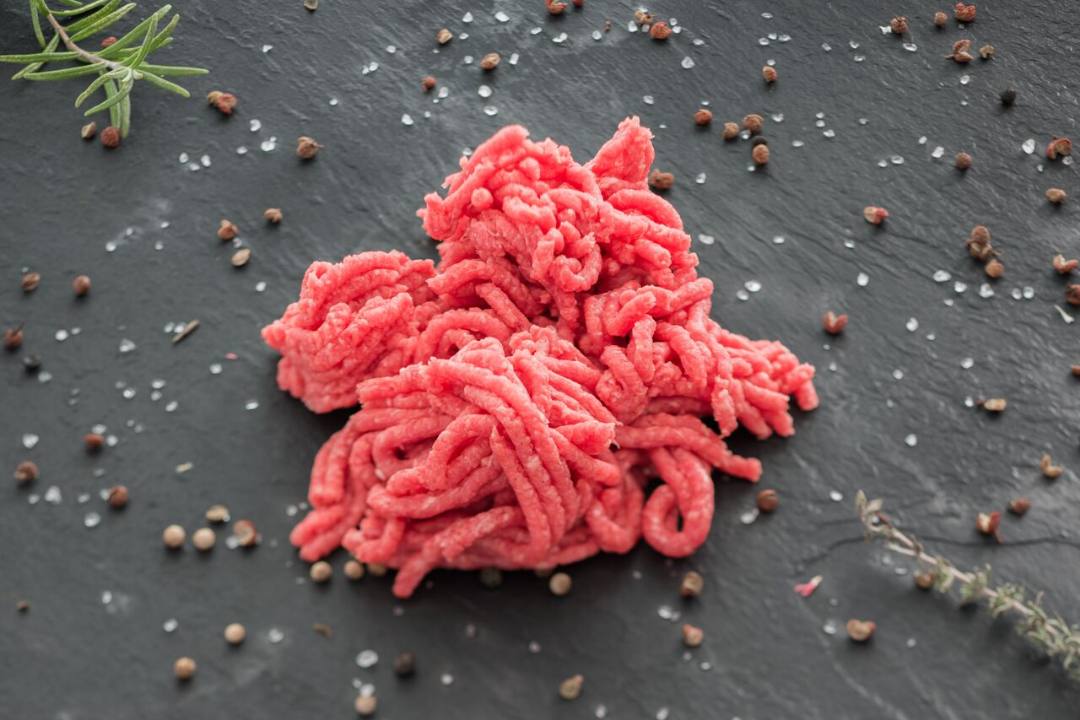
France – Minced meat sold in the traditional butcher’s department – Listeria monocytogenes

Gov france

Identification information of the recalled product

  • Product category Feed
  • Product subcategory Meats
  • Product brand name Unbranded
  • Model names or references Minced meat
  • Identification of products
    Batch
    05185006 in bulk – variable weight.
  • PackagingIn bulk – Traditional butcher’s section
  • Marketing start/end date From 02/06/2023 to 10/06/2023
  • Storage temperature Product to be stored in the refrigerator
  • Geographic area of ​​sale Whole France
  • Distributors E.Leclerc Chaponnay

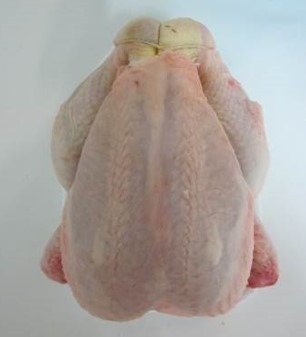
France ROTISSERIE PAC CHICKEN 1200g W/BAG – Listeria monocytogenes

Gov france

Identification information of the recalled product

  • Product category Feed
  • Product subcategory Meats
  • Product brand name NEUTRAL
  • Model names or references ROTISSERIE PAC CHICKEN 1200g W/BAG
  • Identification of products
    GTIN Batch Date
    3266980155803 0093015879 Use-by date 06/06/2023
    3266980155803 0093015879 Use-by date 07/06/2023
  • Packaging NAKED
  • Marketing start/end date From 30/05/2023 to 07/06/2023
  • Storage temperature Product to be stored in the refrigerator
  • Health mark FR 71 056 001 CE
  • Geographic area of ​​sale Whole France
  • Distributors INTERMARCHE, SYSTEM U, LECLERC, CROSSROADS

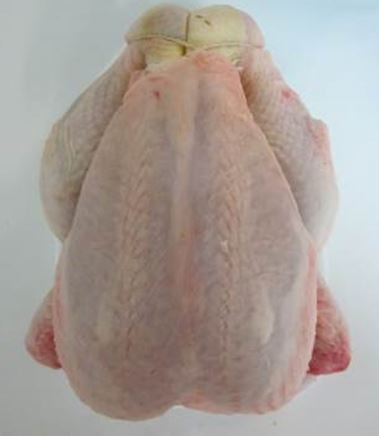
France – Whole CHICKEN – Listeria monocytogenes

Gov france

Identification information of the recalled product

  • Product category Feed
  • Product subcategory Meats
  • Product brand name THE PROFESSIONAL GAULS
  • Model names or references NAKED CHICKEN THE PROFESSIONAL GAULOIS
  • Identification of products
    GTIN Batch Date
    3238990002170 0093015879 Use-by date 06/06/2023
  • Marketing start/end date From 31/05/2023 to 06/06/2023
  • Storage temperature Product to be stored in the refrigerator
  • Health mark FR 71 056 001 CE
  • Geographic area of ​​sale Whole France
  • Distributors CROSSROADS
  • List of points of saleTraça_pour_Rappel_Conso_ref_99631.pdf
  • Practical information regarding the recall

    • Reason for recallpresence of Listeria monocytogenes
    • Risks incurred by the consumer Listeria monocytogenes (causative agent of listeriosis)

USA – FDA Alerts Public of Expanding Strawberry Recall Over Concerns of Hepatitis A Exposure

Contagion Live

Last Tuesday, the FDA announced that additional suppliers who provide strawberries to consumer stores such as Walmart and Costco have strawberries that were part of a voluntary recall. This has been an ongoing FDA investigation of hepatitis A infections linked to frozen organic strawberries imported from Baja California, Mexico.

According to the FDA, on June 12, the Willamette Valley Fruit Co. of Salem, Oregon, initiated a voluntary recall of select packages of frozen fruit products containing strawberries. Recalled products include Great Value Mixed Fruit 4-lb, Great Value Sliced Strawberries 4-lb, Great Value Antioxidant Fruit Blend 2-lb, Rader Farms Organic Fresh Start Smoothie Blend 48-oz. bag (each bag consists of six 8-oz packages), and Rader Farms Organic Berry Trio 3-lb.

The strawberries were sold to consumer stores Costco, Walmart, and HEB.

On June 7, 2023, Wawona Frozen Foods said it voluntarily recalled year-old packages of its Organic DayBreak Blend distributed to Costco Wholesale stores in Arizona, California, Colorado, Utah and Washington from April 15, 2022 to June 26, 2022.

In addition, California Splendor, Inc. of San Diego, California, has voluntarily recalled certain lots of 4-lb. bags of Kirkland Signature Frozen Organic Whole Strawberries that were sold at Costco stores in Los Angeles and Hawaii, and at two San Diego business centers. And Scenic Fruit Company of Gresham, Oregon, has performed a voluntarily recalled frozen organic strawberries, sold to Costco, Aldi, KeHE, Vital Choice Seafood, and PCC Community Markets in certain states and to Trader Joe’s nationwide.

The FDA also reported the latest update on the food-borne outbreak. As of June 14, there has been 9 total cases with 6 in Washington state, 2 in California, and 1 in Oregon. There has been 3 hospitalizations and no deaths. The last reported illness was April 12.

To find more information on this recall and the specific products involved in it and the states where the products were distributed, interested parties can go to this FDA page.

Australia – That’s Amore Cheese Burrata – Listeria monocytogenes 

FSANZ

​Date published: 13 June 2023

Date Updated 20 June 2023

Product information

That’s Amore Cheese Pty Ltd is conducting a recall of Burrata 125g and That’s Amore Cheese Mini Burrata 120g.

The That’s Amore Cheese Burrata 125g has been available for sale at Independent Grocery Stores in VIC, NSW, WA, SA and QLD.
The That’s Amore Cheese Mini Burrata 120g at Coles in VIC and Independent Grocery Stores in VIC and QLD.

Date markings​

Use By 22/06/2023 and 23/06/2023

​​

Problem

The recall is due to Listeria monocytogenes contamination

Food safety hazard

Listeria monocytogenes may cause severe illness in pregnant women, unborn babies, neonates, the elderly, and individuals who are immunocompromised. The general population can also become ill from consuming food contaminated with Listeria monocytogenes.

Country of origin

Australia

What to do​

Any consumers concerned about their health should seek medical advice.

Customers should return the product to the place of purchase for a full refund.

For further information please contact:

That’s Amore Cheese
Ph: 03 9463 4200

​​​​

Related links:

Research – Cool for the Summer: Keep Your Favorite Salads Chilled

USDA

Vegetable Bacteria Danger

At your next picnic, let the spotlight shine on your food — not on party crashers like Salmonella or Listeria. When temperatures rise and food safety steps aren’t followed, cold dishes at a cookout are at risk for unsafe bacteria levels. Avoid foodborne illness by following these steps:
Clean: Remember to clean and sanitize all dishes and utensils used to make your salad and wash your hands before and after food prep.
Separate: Use different cutting boards, plates and utensils to avoid spreading bacteria when preparing your raw foods and ready-to-eat cold dishes.
Cook: Make sure the main meat or poultry ingredients used in cold salads (egg salad, chicken salad, etc.) are cooked to safe internal temperatures before mixing:
Cook eggs to 160 F.
Cook chicken to 165 F.
Although most cold salads use mayonnaise, the danger of foodborne illness lies with the main ingredient, such as eggs or chicken. Make sure they are cooked and chilled at the proper temperature. If you use homemade mayonnaise, follow these guidelines.
Chill: Avoid the Danger Zone (temperatures between 40 F and 140 F) by refrigerating perishable food within two hours — one hour if it’s a hot day (above 90 F). Keep cold foods at an internal temperature of 40 F or below by nestling food in ice or keeping food in a cooler.
For more information about food safety, call the USDA Meat and Poultry Hotline at 1-888-MPHotline (1-888-674-6854) or email MPHotline@usda.gov to reach a food safety specialist or chat live at ask.usda.gov from 10 a.m. to 6 p.m. Eastern Time, Monday through Friday.

Research – Microbiological Safety and Quality of Fermented Products

MDPI

Fermented foods, which have emerged fortuitously over the course of human development, have become an essential part of human history worldwide. These rich and diverse fermented foods not only have unique flavors and qualities that appeal to local preferences but also embody local cultures and play a significant role in human life. Despite the popularity of fermented foods globally, many traditional fermented foods are still produced using open fermentation methods where it is difficult to evaluate the safety or function of microorganisms, leading to inevitable challenges. Therefore, to advance the knowledge on the functional properties of microorganisms in fermented foods globally, and shed light on the impact of these microorganisms on the safety and quality of fermented foods, we present “Microbiological Safety and Quality of Fermented Products”, a Special Issue publishing 10 papers.
This Special Issue covers four pivotal research topics. First, the microbial safety of fermented products, where researchers have focused on identifying food-borne pathogens in particular fermented products through detection methods, thereby improving the safety levels and reducing the harms of fermented products. Second, the functions of microorganisms in fermented foods have been investigated. Third, researchers have explored the application of microorganisms in various stages of fermented food production, for example, in pre-treatment, fermentation, and post-fermentation processes. Fourth, researchers have analyzed the changes in microflora during the different stages of fermenting food, providing crucial evidence for understanding the role played by microbes in creating distinctive flavor and quality.

Research – Singapore Food Statistics 2022

SFA

The Singapore Food Agency (SFA)’s mission is to ensure and secure a supply of safe food for Singapore. Food security is an existential concern for Singapore.
We import more than 90% of the food we consume, making it impossible for us to insulate ourselves from global food supply shocks. In recent years, Singapore experienced first-hand the effects of supply chain disruptions caused by the COVID-19 pandemic, climate change, geopolitical disruptions and policy decisions taken by foreign governments.
SFA works closely with government agencies, businesses and consumers to manage food security risks, and transform the agri-food sector to be more productive, climate resilient and resource efficient.
To safeguard Singapore’s food security, SFA adopts a multi-pronged approach which includes diversifying food import sources, increasing local production and growing food overseas. SFA also has in place an integrated farm-to-fork food safety system to ensure that food for sale in Singapore is safe for consumption.
SFA’s food safety takes a risk-based approach that is guided by science and aligned to international standards. This Singapore Food Statistics publication describes the developments in Singapore’s food supply and food safety situation in 2022. 3SINGAPORE FOOD STATISTICS 2022

New Zealand – Shellfish biotoxin alerts – PSP

MPI

South Island warning

Reason for alert Paralytic Shellfish Poisoning (PSP)

Date warning issued 31 May 2023
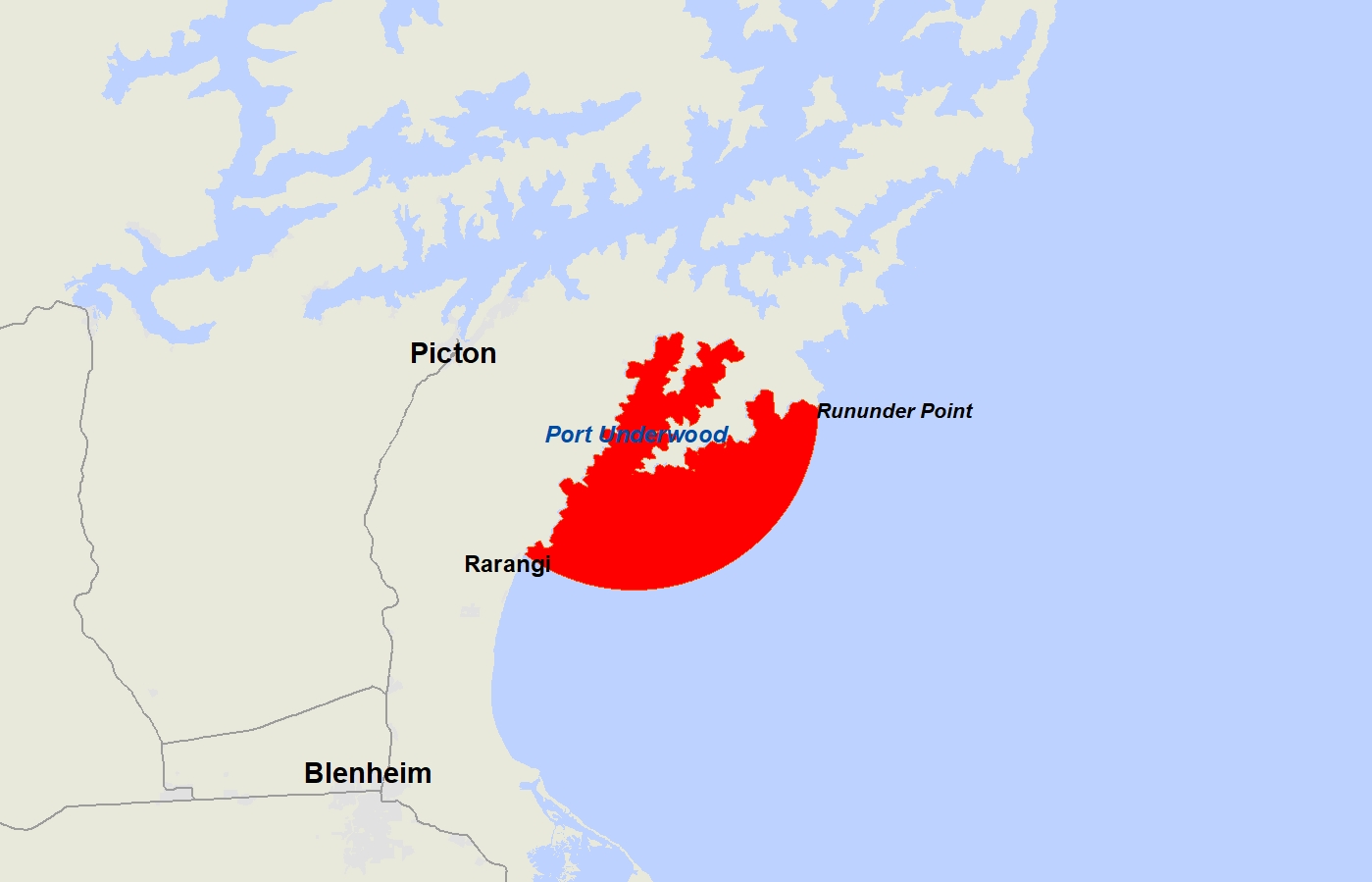
Affected area Port Underwood
Shellfish affected Mussels, oysters, tuatua, pipi, toheroa, cockles, scallops, catseyes, kina (sea urchin) and all other bivalve shellfish.

Note, cooking shellfish does not remove the toxin.

Pāua, crab and crayfish may still be eaten if the gut has been completely removed prior to cooking, as toxins accumulate in the gut. If the gut is not removed its contents could contaminate the meat during the cooking process.

Symptoms Symptoms typically appear between 10 minutes and 3 hours after ingestion and may include:

  • numbness and a tingling (prickly feeling) around the mouth, face, and extremities (hands and feet)
  • difficulty swallowing or breathing
  • dizziness
  • headache
  • nausea
  • vomiting
  • diarrhoea
  • paralysis and respiratory failure and in severe cases, death.
Other information Paralytic shellfish toxins have been detected in shellfish from the Kaipara Harbour at levels over the safe limit of 0.8mg/kg set by MPI. Ongoing testing will continue and any changes will be communicated accordingly.

Map of the affected area

Map of affected area from Rarangi to Rununder Point, Port Underwood area in Marlborough.

Quebec – Notice not to consume Alfredo Rosso sauce prepared and sold by the company Del Monaco – E.coli

Quebec

QUEBEC CITY ,  May 29, 2023 /CNW/ – The Ministry of Agriculture, Fisheries and Food (MAPAQ), in collaboration with the Food Inspection Division of the City of Montreal and the company Del Monaco , located at 2968, boulevard Saint-Charles , in Montreal ( Kirkland ), warns the public not to consume the product indicated in the table below, because this food is likely to contain the bacterium  E. coli .  

Product name

Format

Affected lot

“alfredo rosso sauce”

500ml

BEST BEFORE 09 NOV. 2023

The product that is the subject of this warning was offered for sale until May 24, 2023, and only at the establishment designated above. The product was packaged in a plastic container with a transparent snap-on lid and sold frozen. The product label included, in addition to its name, the words “www.delmonaco.ca”.

The operator is voluntarily recalling the product in question. It has agreed with MAPAQ and the Food Inspection Division of the City of Montreal to distribute this warning as a precautionary measure. In addition, people who have this product in their possession are advised not to consume it. They must return it to the establishment where they bought it or throw it away. Foods contaminated with E. coli bacteria do not necessarily show any visible spoilage or suspicious smell, but can still make a person who eats them sick. The possible symptoms are as follows: nausea, vomiting, more or less acute abdominal cramps and watery or bloody diarrhea.

It should be noted that no case of illness associated with the consumption of this food has been reported to MAPAQ to date.