Category Archives: Food Poisoning

Oyster Bay Shellfish – Vibrio parahaemolyticus Outbreak

Food Poisoning Bulletin

The New York Department of Environmental conservation is advising food establishments to avoid using or selling shellfish harvested from areas in the town of Oyster Bay, N.Y. According to the Rhode Island Department of Health, harvesting is no longer allowed in that area because of an illness outbreak caused by Vibrio parahaemolyticus, a naturally occurring marine bacteria.

RASFF – PSP, Listeria,Salmonella, Histamine

RASFF – PSP Mussels from France

RASFF – STEC E.coli Roqufort Cheese France

RASFF – Salmonella Pasteurised Eggs in Denmark sourced in Poland

RASFF – Listeria in Chilled Smoked Salmon in Italy sourced in Spain

RASFF – Salmonella Frozen Chicken Thighs in France sourced in the Netherlands

RASFF – Salmonella Frozen Turkey Meat in Italy

Danish Alert – Histamine in Fresh Tuna

Newborns Sickened in Hospital- Salmonella

Food Safety News

Over the past three weeks, two newborn girls have contracted Salmonella infections at a Central California hospital.

Authorities are investigating how the infants, treated at Doctors Medical Center in Modesto, were exposed to the bacteria. 
 
“We don’t have an answer yet,” said Dr. John Walker of the Stanislaus County’s Public Health Services. “However, there has been intense investigation.”    
 
One of the victim’s moms suspects that the infant formula given to her daughter in neonatal intensive care may have been contaminated. 
 
A hospital administrator at Doctors told CBS Sacramento that this appears to be an isolated event, not part of a larger outbreak.


RASFF Alerts – Salmonella and Histamine

RASFF – Salmonella in frozen beef trimmings in Sweden sourced in Germany.

RASFF – Salmonella frozen skinless chickin in Estonia sourced in Brazil.

RASFF – Histamine frozen raw tuna in Belgium sourced in Viet Nam.

Thailand – 460 Sick – Hard Boiled Eggs – Salmonella

Bangkok Post

The number of students who have fallen ill from salmonella poisoning at a Chiang Mai school has risen to 460.

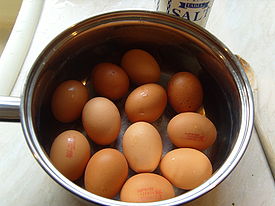
Health authorities say the students fell ill after eating three-day-old boiled eggs tainted with salmonella bacteria.

Dr Pornthep Siriwanarangsan, director-general of the Disease Control Department, said Chiang Mai Welfare School students became sick after eating donated eggs that were boiled three days previously and not reheated before they were consumed, allowing the bacteria to develop.

On Sunday evening, about 900 students of the school, located in Mae Rim district, ate chilli curry and donated boiled eggs at the cafeteria.

After the meal, 75 of the students became ill with headaches, high fever, nausea and diarrhoea.

The number of sick students increased to 460 yesterday, health authorities said.

US Picnic 36 Sick – E.coli O157

E.coli Blog

As a result of eating food at a picnic at Neff’s Lawn Care in Germantown, at least 36 individuals have become ill. Of those, 9 have been hospitalized. Public Health – Dayton & Montgomery County is continuing an investigation into the cause of the foodborne outbreak. Estimates are that as many as 200-300 people may have attended an annual customer appreciation picnic.

Public Health is continuing to gather information through interviews with those who became ill and those who prepared the food. Investigators are also looking at food sources, food handling and storage practices, food temperature controls, and the potential of cross contamination of the food.

RASFF and Other Alerts – Mould, Listeria, Salmonella,Aflatoxins, STEC, Campylobacter

RASFF – Mould in Cheddar Cheese in Denmark sourced in the UK.

RASFF – Salmonella in Roasted Soya Beans in Belgium.

RASFF – Campylobacter in Fresh Whole Chicken in Denmark sourced in Germany.

RASFF – Salmonella in Galacto Oligosaccharide in Netherlands sourced in South Korea

RASFF – STEC E.coli Bovine Meat in Belgium

RASFF – Aflatoxins in Groundnuts in Netherlands sourced in Nicaragua.

Denmark – Undesirable bacteria in Yoghurt

Denmark – Mould on Cheese products.

Germany – Salmonella in Teewurst Sausage

FSA – Bag it Up – Food Safety

FSA

The Food Standards Agency in Wales is reminding consumers how they can protect their shopping when packing raw and ready-to-eat food products to reduce the risk of cross-contamination.

Information published today by the Welsh Government shows there has been a 96% reduction in the use of carrier bags in some retail sectors since charges for plastic bags were introduced in Wales in October 2011.

With more and more consumers reusing carrier bags, either for sustainability or as a result of charging, there are some important tips to help prevent bacteria spreading to ready-to-eat food.

  • Keep raw meat and fish separate from ready-to eat-foods, in separate bags.
  • If your bags are re-useable, keep one or two just for use with raw meat and fish. Don’t use them for ready-to-eat foods.
  • Re-useable bags (and single use carrier bags) should be disposed of if there’s been any spillage of raw meat juices.

RASFF Alerts – Salmonella, Listeria, Histamine

RASFF – Salmonella in Chicken Breast Filets in Denmark sourced in Poland

RASFF – Histamine in Chilled Tuna in France sourced in Spain.

RASFF – Listeria in Chilled Smoked Salmon in Italy sourced in Denmark.

German Site – Listeria in Mainzer Cheese, Salmonella in Smoked Ham


US – Botulism Outbreak

Food Safety News

Three Oregonians were hospitalized with boutlism after eating at a private barbecue, according to state health officials. 

The Clostridium botulinum bacteria that infected these individuals is thought to have come from home-canned foods served at the event, held in Deschutes County. All three victims were residents of the county, located in central Oregon.     
 
The public should see this outbreak as an example of the dangers of improper home canning, warns the agency.