Category Archives: Food Pathogen

Research – Multistate Outbreak of Salmonella enterica Serovar Heidelberg with Unidentified Source, Australia, 2018–2019

CDC

Abstract

We report a multistate Salmonella enterica serovar Heidelberg outbreak in Australia during 2018–2019. Laboratory investigation of cases reported across 5 jurisdictions over a 7-month period could not identify a source of infection but detected indicators of severity and invasiveness. The hospitalization rate of 36% suggested a moderately severe clinical picture.

Salmonella enterica serovar Heidelberg is a frequently identified serotype among infections in humans in North America, East Africa, and Asia but is uncommon in Australia. An average of 37 cases of Salmonella Heidelberg were notified in Australia annually in 2009–2017, predominantly overseas acquired (1). Six outbreaks have been reported nationally since 1995; 1 outbreak in 1996 had >500 cases, but most have <7 cases (R. Bell, pers. comm. [email], 2020 Jun 16). We report a national outbreak of Salmonella Heidelberg infection across 5 jurisdictions over 7 months.

We report a national outbreak investigation of a locally uncommon S. enterica serovar of unknown origins in Australia. Although Salmonella Heidelberg outbreaks are relatively uncommon in Australia, given this outbreak’s comparatively high hospitalization rate and the presence of saf fimbrial genes in the implicated strain, future cases warrant prompt investigation to assess severity and invasiveness. A platform for real-time exchange of sequence data in Australia and use of routine WGS for salmonellosis cases, including comparison with local and international strain data, may enable more timely detection of outbreaks.
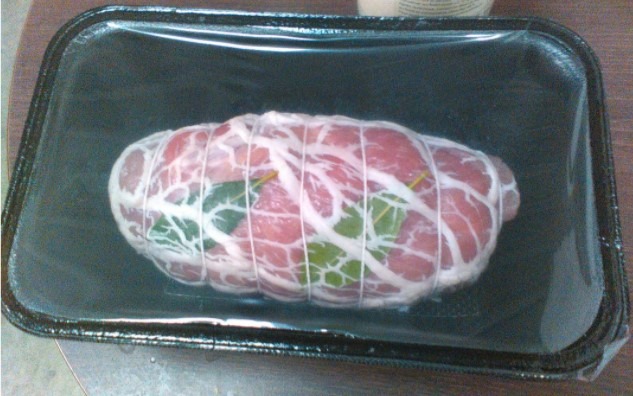
France – Stuffed Pork Roast – Salmonella

Gov france

Identifying information for the recalled product

  • Product category Food
  • Product sub-category Meats
  • Product brand name Without Brand
  • Names of models or references Tray of a stuffed roast pork (approx. 800 g weight)
  • Product identification
    Lot Dated
    21355-8810 Use-by date 12/29/2021
  • Packaging Black tray of approximately 800 g
  • Start date / End of marketing From 12/22/2021 to 12/27/2021
  • Storage temperature Product to be stored in the refrigerator
  • Health mark FR 13.097.003 CE
  • Geographical sales area Whole France
  • Distributors Fresh (Chaponnay, Draguignan, Houtaud, Belley, Bonneville, Auch, Annemasse, Beauzelle, Nemours, Bayeux, Ambérieu en Bugey, Montargis, Etoile sur Rhône). My Market (St Cloud). Intermarché (Malissol). Savoyard Market (St Alban)

Practical information regarding the recall

  • Reason for recall Salmonella detection
  • Risks incurred by the consumer Salmonella spp (causative agent of salmonellosis)

Research – Detrimental Effect of Ozone on Pathogenic Bacteria

MDPI

Background: Disinfection of medical devices designed for clinical use associated or not with the growing area of tissue engineering is an urgent need. However, traditional disinfection methods are not always suitable for some biomaterials, especially those sensitive to chemical, thermal, or radiation. Therefore, the objective of this study was to evaluate the minimal concentration of ozone gas (O3) necessary to control and kill a set of sensitive or multi-resistant Gram-positive and Gram-negative bacteria. The cell viability, membrane permeability, and the levels of reactive intracellular oxygen (ROS) species were also investigated;

Material and Methods: Four standard strains and a clinical MDR strain were exposed to low doses of ozone at different concentrations and times. Bacterial inactivation (cultivability, membrane damage) was investigated using colony counts, resazurin as a metabolic indicator, and propidium iodide (PI). A fluorescent probe (H2DCFDA) was used for the ROS analyses;

Results: No reduction in the count colony was detected after O3 exposure compared to the control group. However, the cell viability of E. coli (30%), P. aeruginosa (25%), and A. baumannii (15%) was reduced considerably. The bacterial membrane of all strains was not affected by O3 but presented a significant increase of ROS in E. coli (90 ± 14%), P. aeruginosa (62.5 ± 19%), and A. baumanni (52.6 ± 5%);

Conclusion: Low doses of ozone were able to interfere in the cell viability of most strains studied, and although it does not cause damage to the bacterial membrane, increased levels of reactive ROS are responsible for causing a detrimental effect in the lipids, proteins, and DNA metabolism. View Full-Text

Belgium – QUESO DE CABRA – Listeria monocytogenes

AFSCA

Recall of Delhaize
Product: QUESO DE CABRA.
Problem: presence of Listeria monocytogenes.


Delhaize asks its customers not to consume and to bring back to the store the products below.

In collaboration with the AFSCA, Delhaize has decided to withdraw these products from the market and to recall them to consumers due to the presence of Listeria monocytogenes.

Product info:

Name: QUESO DE CABRA
Brand: Delhaize
EAN code: 2205473000000 Best
before: 01/03/2022
Marketing period: from 12/23/2021 to 12/24/2021 included

Every day, Delhaize performs hundreds of in-house quality controls to ensure the quality and food safety of its products at all times.

In the meantime, Delhaize has already withdrawn all affected products from the shelves and tightened controls on the product and the supplier. Customers who have purchased this product are asked not to consume it. Customers have the option of returning the product in question to the point of sale where they purchased it. The reimbursement of each affected item is guaranteed.

Other products in the same assortment are not affected and can therefore be consumed safely. Delhaize apologizes for the inconvenience caused.

Advice and information for consumers:

What if you have already purchased the product?

Do not consume the product and return it to your Delhaize store. The products will be refunded to you.

For further information , customers can contact our customer service on the free number 0800/95 713.

Belgium -Italian tiramisu – Listeria monocytogenes

AFSCA

Recall Crelem Bakeries
Product: Italian tiramisu.
Problem: possible presence of Listeria monocytogenes.


In consultation with the FASFC, Crelem Bakeries is withdrawing the Tiramisu Italian product from sale and is reminding consumers of it due to the possible presence of Listeria monocytogenes.

Crelem Bakeries asks its customers not to consume this product and to bring it back to the point of sale.

Product Description

Product Name: Italian Tiramisu
Brand Name: Crelem Bakeries Best before
date (DLC): from 12/28/2021 to 01/03/2022
Sales period: from 12/21/2021 to 12/27/2021
Packaging type: Plastic
jar Weight: 100 g

The product has been sold in several supermarkets and retail stores including Spar, Alvo, etc.

For more information , please contact:

Crelem Bakeries Quality Service
E-mail: Quality@crelembakeries.be

Canada – Various prepared meals sold by certain Osaka and T&T Supermarkets in British Columbia recalled due to Salmonella

CFIA

Summary

Product
Various prepared meals
Issue
Food » Microbial Contamination » Salmonella
What to do

Do not consume the recalled products

Issue

T&T Supermarket Inc. is recalling various prepared meals from the marketplace due to possible Salmonella contamination.

The recalled products have been sold at the following stores in British Columbia:

  • Osaka Supermarket, 1000-3700 No. 3 Road, Richmond, BC
  • T&T Supermarket, 147-4800 Kingsway, Burnaby, BC
  • T&T Supermarket, MAJ1-8311 Lansdowne Road, Richmond, BC
  • T&T Supermarket, 100-19705 Fraser Hwy, Langley, BC

What you should do

  • If you think you became sick from consuming a recalled product, call your doctor
  • Check to see if you have the recalled products in your home
  • Do not consume the recalled products
  • Recalled products should be thrown out or returned to the location where they were purchased

Food contaminated with Salmonella may not look or smell spoiled but can still make you sick. Young children, pregnant women, the elderly and people with weakened immune systems may contract serious and sometimes deadly infections. Healthy people may experience short-term symptoms such as fever, headache, vomiting, nausea, abdominal cramps and diarrhea. Long-term complications may include severe arthritis.

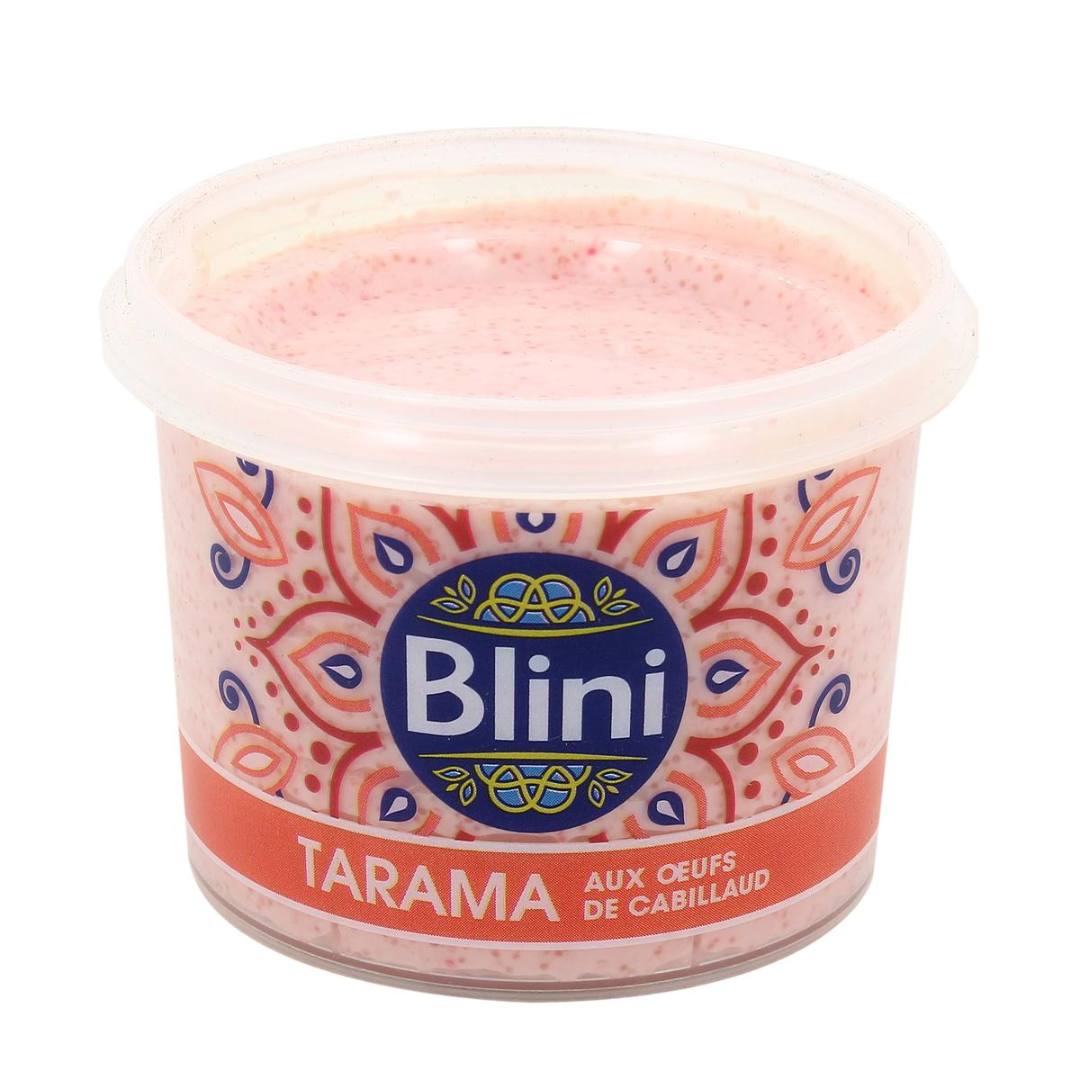
France – Tarama crab – E.coli

Gov france

Identifying information for the recalled product

  • Product category Food
  • Product sub-category Prepared meals and snacks
  • Product brand name Blini Workshop
  • Names of models or references Tarama crab offer of the moment
  • Product identification
    GTIN Lot Dated
    3292070009503 09214061 Use-by date 01/17/2022
  • Products List Small_store _-_ Taramas_24122021.pdf Attachment
  • Packaging180gr
  • Start date / End of marketing Since 12/24/2021
  • Storage temperature Product to be stored in the refrigerator
  • Health mark FR 14.712.042 CE
  • Geographical sales area Whole France
  • Distributors Auchan Intermarché Carrefour Leclerc

Practical information regarding the recall

  • Reason for recall Potential presence of Escherichia coli
  • Risks incurred by the consumer Escherichia coli

France – Tarama – E.coli

Gov france

Identifying information for the recalled product

  • Product category Food
  • Product sub-category Prepared meals and snacks
  • Product brand name Blini
  • Names of models or references Tarama
  • Product identification
    GTIN Lot Dated
    3292070000029 04214061 Use-by date 01/17/2022
  • Products List Small_store _-_ Taramas_24122021.pdf Attachment
  • Packaging100gr
  • Start date / End of marketing From 12/24/2021 to 01/17/2022
  • Storage temperature Product to be stored in the refrigerator
  • Health mark FR 14.712.042 CE
  • Geographical sales area Whole France
  • Distributors Carrefour Leclerc Intermarché

Practical information regarding the recall

  • Reason for recall Potential presence of Escherichia coli
  • Risks incurred by the consumer Escherichia coli

Denmark – Major outbreak of E. coli is probably due to spring onions in ready-to-eat cabbage salad

SSI

The Statens Serum Institut (SSI) has seen an increase in the number of registered patients due to a special Escherichia coli (EIEC) in Denmark since 23 November 2021. The investigation shows that the source of infection is probably spring onions used in ready-to-eat cabbage salads, which are sold in three different retail chains.

Last edited December 27, 2021
Since mid-December, SSI, in collaboration with the Danish Veterinary and Food Administration, the DTU Food Institute and the clinical microbiological departments at the country’s hospitals, has been investigating the disease outbreak. From 23 November to 17 December 2021, 68 infections have been registered; 43 women and 25 men aged 1-91 years, and 20 people have been admitted to the hospital. The sick live throughout the country, except for the North Jutland region.

“This disease outbreak is unusual and extensive with 68 cases in three weeks. EIEC is a bacterium that usually affects travelers who have been to countries outside of Europe. When we saw a sudden increase in EIEC infection in Denmark, we were aware that there must be infection via a food ”
Epidemiologist Luise Müller from SSI

Ready-to-eat cabbage salad with spring onions

Interviews of patients have shown that several had eaten ready-made cabbage salads, and studies of purchasing data showed that the cabbage salads were purchased in the period from 15 to 30 November. Further investigation and tracing is still underway to uncover how the salads have been contaminated with the coli bacterium. For the time being, this indicates that the pollution has occurred at a subcontractor abroad.

The salads have been sold in i.a. REMA1000, COOP and Menu stores. They have a short shelf life of six days, and therefore there is no current risk with the cabbage salads that are on the shelves now.

Infects through food

EIEC is an intestinal bacterium that, like salmonella and campylobacter, typically spreads through food. Symptoms of an EIEC infection are acute stomach infection with diarrhea, general malaise, abdominal pain, possibly nausea, vomiting, and / or fever. The infection usually goes away on its own. Severe infections can manifest as dysentery (ie stool with blood, mucus and pus, fever and affected general condition).

What should you do if you have eaten that coleslaw?

If you have not had symptoms of an EIEC infection, or if you have had symptoms that have gone away on their own, do not do anything. In case of persistent symptoms or doubts, you can contact your own doctor.

Read more

Read more about E. coli infection
Read more about the EIEC outbreak

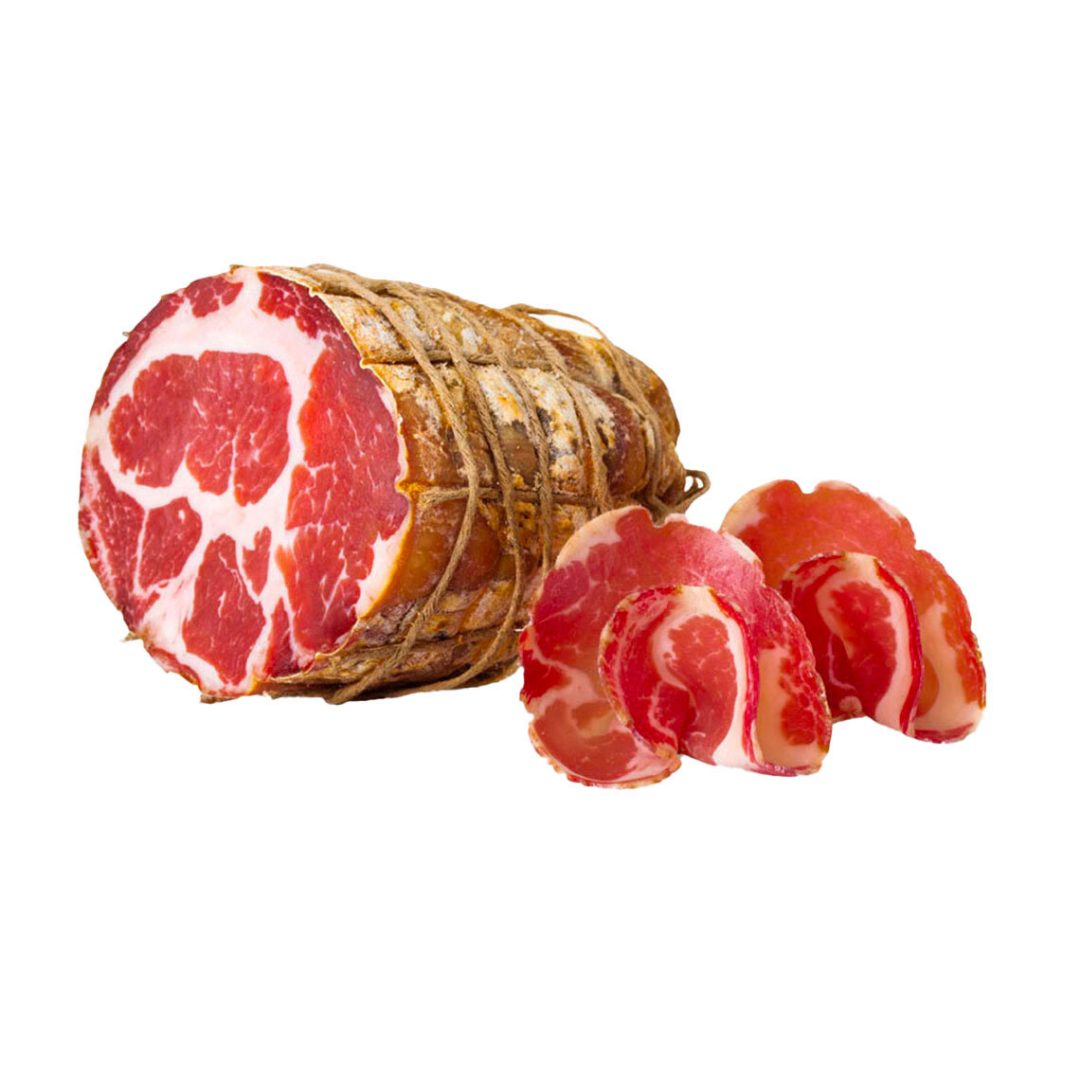
France – Coppa sold in slices in the Coupe department – Listeria monocytogenes

Gov france

Identifying information for the recalled product

  • Product category Food
  • Product sub-category Others
  • Product brand name Unbranded
  • Names of models or references Coppa Montorsi sliced ​​on request.
  • Product identification
    GTIN Lot
    0208465000000 Coppa sold in the cold cuts section from 11/09/21 to 11/28/21
  • Packaging Sold in slices in the cut section
  • Start date / End of marketing From 11/09/2021 to 11/28/2021
  • Storage temperature Product to be stored in the refrigerator
  • Geographical sales area And Leclerc de Ribérac
  • Distributors SAS SORIDIS Center E.Leclerc

Practical information regarding the recall

  • Reason for recall Presence of Listeria monocytogenes <10 cfu / g
  • Risks incurred by the consumer Listeria monocytogenes (causative agent of listeriosis)