Category Archives: Food Microbiology

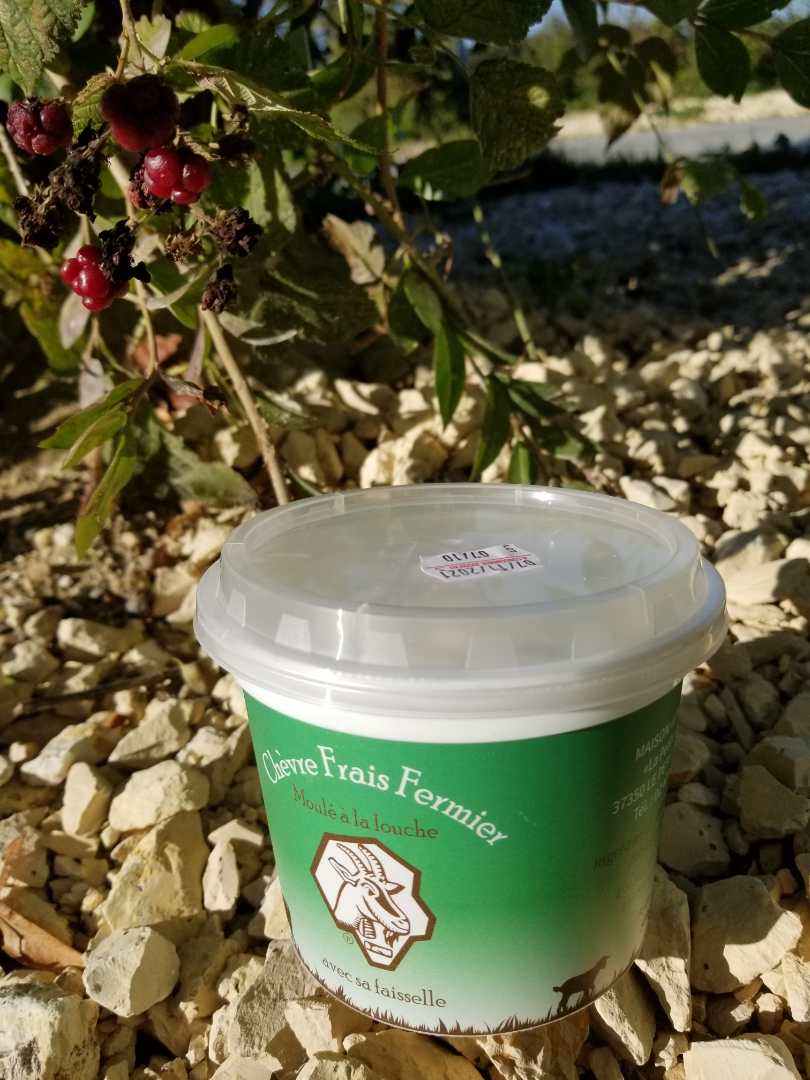
France – FRESH GOAT FARM – STEC E.coli

Gov france

Identification information of the recalled product

  • Product category Feed
  • Product subcategory Milk and dairy products
  • Product brand name LIMOUZIN HOUSE
  • Model names or references FRESH GOAT FARM
  • Identification of products
    Batch Date
    06/8 Use-by date 07/08/2023
    06/15 Use-by date 07/15/2023
    06/01 Use-by date 01/07/2023
  • Packaging PLASTIC POT in the self-service department
  • Marketing start/end date From 06/01/2023 to 06/23/2023
  • Storage temperature Product to be stored in the refrigerator
  • Health mark FR 37.184.032
  • Further information FRESH FARM GOAT CHEESE MOLDED WITH A LADLE WITH ITS FAISSELLE
  • Geographic area of ​​sale Whole France
  • Distributors SEE INTERNET CONSO REMINDER LIST
  • List of points of sale LIST_CLIENT_RETRAIT_POTS.pdf

Germany – Gerolsteiner Naturell in the 0.75l individual glass bottle – Mould/Mold

LMW

Alert type: Groceries
Date of first publication:

06/30/2023

Product name:

Gerolsteiner Naturell in the 0.75l individual glass bottle

Product images:

Natural_Glass_MW_0_75_Fl_2020.png

Gerolsteiner

Manufacturer (distributor):

Gerolsteiner Brunnen GmbH & Co.KG, Vulkanring, 54567 Gerolstein

Reason for warning:

It was found that mold may have formed on isolated bottles.

Packaging Unit: 0.75L
Durability: 04/16/2025
Lot identification: L04 093
Manufacturer’s website:

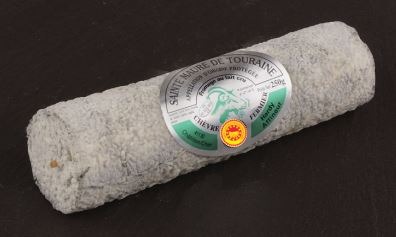
France – Saint Maure de Touraine AOP ash farmer – STEC E.coli

Gov france

Identification information of the recalled product

  • Product category Feed
  • Product subcategory Milk and dairy products
  • Product brand name Hardy refiner
  • Model names or references Sainte Maure de Touraine AOP ash farmer lot 77-148 DDM 07/18/2023
  • Identification of products
    Batch Date
    77148 3199 Date of minimum durability 18/07/2023
  • Packaging case of 18 cheeses
  • Marketing start/end date From 09/06/2023 to 30/06/2023
  • Storage temperature Product to be stored in the refrigerator
  • Health mark EN 41.043.003 CE
  • Geographic area of ​​sale Whole France
  • Distributors DOMAFRAIS BORDIER

France – STRAWBERRY PIES -Listeria monocytogenes

Gov france

Identification information of the recalled product

  • Product category Feed
  • Product subcategory Sweet products
  • Product brand name FACTORY IN FAGNIERES
  • Model names or references STRAWBERRY PIE SOLD AT THE TRADITIONAL STAND
  • Identification of products
    GTIN Batch Date
    0201013000000 MADE ON 06/23/2023 Use-by date 06/26/2023
    0201014000000 MADE ON 06/23/2023 Use-by date 06/26/2023
  • Marketing start/end date From 06/23/2023 to 06/24/2023
  • Storage temperature Product to be stored in the refrigerator
  • Geographic area of ​​sale CHALONS AND ITS SURROUNDINGS
  • Distributors LECLERC FAGNIERES ONLY

Research – Pseudomonas Biofilms Pose Food Safety Threat by Aiding Listeria Survival in Processing Environments

Food Safety.Com

Pseudomonas biofilms can aid the survival of Listeria monocytogenes cells even after disinfection, according to a recent study. Although Pseudomonas are often overlooked as a food safety hazard due to being associated with food spoilage rather than with human foodborne illnesses, the study’s findings suggest that the bacteria may pose a direct threat to food safety in the processing environment.

Pseudomonas are the most commonly found bacteria in food processing environments due to characteristics such as a high growth rate at low temperatures, a high tolerance of antimicrobial agents, and biofilm formation. The bacteria have been of special interest as colonizers in food processing environments, as a food spoilage organism, and as protectors of foodborne pathogens.

Previous research has demonstrated the possibility of surviving bacteria exposed to sub-lethal concentrations of disinfectants being able to co-select for both disinfectant- and antibiotic-resistant properties. Several studies also indicate that interspecies interactions in a biofilm could serve as an accelerator for horizontal gene transfer, as well as facilitate adaptation to environmental conditions and the subsequent decreased susceptibility to antimicrobials. It has been suggested that multi-species, Pseudomonas-dominated biofilms could host and shelter pathogens like L. monocyotogenes.

In the study, researchers from the Norwegian University of Science and Technology isolated Pseudomonas samples from cleaned and disinfected surfaces in a salmon processing facility. A total of 186 isolates were screened for biofilm formation at 12 °C, and were graded as strong, medium, or weak biofilm producers. A high variation in biofilm formation was observed, with 12 percent rated as strong, 29 percent as medium, and 27 percent as weak biofilm producers, as well as 29 percent not producing a detectable biofilm.

Research – Estimating Waterborne Infectious Disease Burden by Exposure Route, United States, 2014

CDC

Abstract

More than 7.15 million cases of domestically acquired infectious waterborne illnesses occurred in the United States in 2014, causing 120,000 hospitalizations and 6,600 deaths. We estimated disease incidence for 17 pathogens according to recreational, drinking, and nonrecreational nondrinking (NRND) water exposure routes by using previously published estimates. In 2014, a total of 5.61 million (95% credible interval [CrI] 2.97–9.00 million) illnesses were linked to recreational water, 1.13 million (95% CrI 255,000–3.54 million) to drinking water, and 407,000 (95% CrI 72,800–1.29 million) to NRND water. Recreational water exposure was responsible for 36%, drinking water for 40%, and NRND water for 24% of hospitalizations from waterborne illnesses. Most direct costs were associated with pathogens found in biofilms. Estimating disease burden by water exposure route helps direct prevention activities. For each exposure route, water management programs are needed to control biofilm-associated pathogen growth; public health programs are needed to prevent biofilm-associated diseases.

Research – Case Study: Clostridium botulinum Poisoning Caused by Canned Pate

Food Safety.Com

Ten cases of Clostridium botulinum poisoning occurred from mid-July to mid-August of 2020, according to the Food Safety Department of Vietnam. All ten victims were treated in the hospital, with two exhibiting severe symptoms. The two elderly victims with severe symptoms of Clostridium botulinum poisoning reported having eaten canned, plant-based pate. Samples of the leftover pate were analyzed by two separate institutions and found to contain Clostridium botulinum toxin, which can be fatal when ingested in a quantity of less than 0.1 mg. 

The Food Safety department convened an urgent meeting with the manufacturer of the pate. The pate was confirmed to have become contaminated with Clostridium botulinum during production. Product recall notices, consumer recommendations, and written requests for handling the case were issued in quick succession. 

Research – Bacillus subtilis PM5 from Camel Milk Boosts Chicken Immunity and Abrogates Salmonella entertitidis Infections

MDPI

Abstract

With the practice of a successful livestock industry using antibiotics, which has continued for more than five decades, researchers have long been interested in finding alternatives to antibiotics for poultry production. Probiotics can potentially reduce enteric diseases in livestock and enhance their productivity. The aim of this study was to isolate putative probiotics from camel milk and test them against Salmonella infection as well as host immune development. Thirteen different isolates were obtained from six different camel milk samples from dairy farms in Saudi Arabia. Three of the six isolates (PM1, PM2, PM3, PM4, PM5, and PM6) that showed Gram-positive characters reacted negatively to catalase and hemolytic assays. PM1, PM5, and PM6 showed significant nonpolar surface properties (>51% hydrophobic) and potent antimicrobial activities against avian pathogens, namely S. enterica, S. typhi, S. aureus, and E. coli. PM5 exhibited substantial probiotic traits; therefore, further focus was given to it. PM5 was identified as Bacillus subtilis OQ913924 by the 16S rRNA sequencing method and showed similarity matrix > 99%. An in vivo chicken model was used to access the health benefits of probiotics. After salmonella infection, the mucosal immune response was significantly increased (p < 0.01), and none of the challenge protocols caused mortality or clinical symptoms after infection in intestinal contents. S. enterica organ infiltration in the spleen, thymus, and small intestine was significantly reduced in the B. subtilis PM5-fed chickens. The S. enterica load in chicken feces was reduced from CFU 7.2 to 5.2 in oral-fed B. subtilis PM5-fed chickens. Probiotic-fed chickens showed buffered intestinal content and positively regulated the level of butyric acid (p < 0.05), and intestinal interleukin 1 beta (IL1-β), C-reactive protein (CRP), and interferon gamma (IFN-γ) levels were reduced (p < 0.05). In addition, B. subtilis PM5 showed significant binding to peritoneal macrophages cells and inhibited S. enterica surface adhesion, indicating co-aggregation of B. subtilis PM5 in macrophage cells. It could be concluded that supplementation with probiotics can improve the growth performance of broilers and the quality of broiler chickens against enteric pathogens. The introduction of this probiotic into the commercial poultry feed market in the near future may assist in narrowing the gap that now exists between chicken breeding and consumer demand.

Research – Listeria monocytogenes Strains Persisting in a Meat Processing Plant in Central Italy: Use of Whole Genome Sequencing and In Vitro Adhesion and Invasion Assays to Decipher Their Virulence Potential

MDPI

Abstract

In this study, we used both a WGS and an in vitro approach to study the virulence potential of nine Listeria monocytogenes (Lm) strains belonging to genetic clusters persisting in a meat processing plant in Central Italy. The studied clusters belonged to CC1-ST1, CC9-ST9, and CC218-ST2801. All the CC1 and CC218 strains presented the same accessory virulence genes (LIPI-3, gltA, gltB, and aut_IVb). CC1 and CC9 strains presented a gene profile similarity of 22.6% as well as CC9 and CC218 isolates. CC1 and CC218 showed a similarity of 45.2% of the same virulence profile. The hypervirulent strains of lineage I (CC1 and CC218) presented a greater ability to adhere and invade Caco-2 cells than hypovirulent ones (CC9). CC1 strains were significantly more adhesive and invasive compared with CC9 and CC218 strains, although these last CCs presented the same accessory virulence genes. No statistically significant difference was found comparing CC218 with CC9 strains. This study provided for the first time data on the in vitro adhesiveness and invasiveness of CC218-ST2801 and added more data on the virulence characteristics of CC1 and CC9. What we observed confirmed that the ability of Lm to adhere to and invade human cells in vitro is not always decipherable from its virulence gene profile.

Switzerland – Monitoring of Zoonoses

BLV

Current

zoonotic transverse

Publication of the Swiss Zoonoses Report 2022

In 2022, the number of reported zoonoses in humans generally increased compared to the two previous years. There were about the same number of cases as in 2019 before the Covid pandemic. The most frequently recorded zoonoses in humans were campylobacteriosis and salmonellosis. In both diseases, contaminated food is the main source of the disease. Consumers can reduce the risk of infection with good kitchen hygiene and simple measures: seesichergeniessen.ch