Archives
-
Join 347 other subscribers
KSWFoodWorld
Blog Stats
- 474,807 Views
Category Archives: Food Microbiology Testing
Research – Antibacterial Effects of Theaflavins against Staphylococcus aureus and Salmonella paratyphi B: Role of Environmental Factors and Food Matrices
This study aimed to investigate the effects of different environmental factors (temperature, pH, and NaCl) and food matrices (skimmed milk powder, lecithin, and sucrose) on the antibacterial activity of theaflavins (TFs) against Staphylococcus aureus (S. aureus) and Salmonella paratyphi B (S. paratyphi B). TFs showed a larger diameter of inhibition zone (DIZ, 12.58 ± 0.09 mm–16.36 ± 0.12 mm) value against S. aureus than that of S. paratyphi B (12.42 ± 0.43 mm–15.81 ± 0.24 mm) at the same concentration (2–10 mg/mL). When temperatures were 25–121 °C, the DIZ of TFs against both S. aureus and S. paratyphi B was not significantly different. As pH increased from 2 to 10, their DIZ values decreased significantly from 16.78 ± 0.23 mm to 13.43 ± 0.08 mm and 15.63 ± 0.42 mm to 12.18 ± 0.14 mm, respectively. Their DIZ values increased slightly as the NaCl concentration increased from 0.2 mol/L to 0.8 mol/L, while their DIZ values decreased significantly for skimmed milk powder concentrations in the range of 60–120 g/L. Regarding the concentrations of lecithin and sucrose were 2–12 g/L and 10–60 g/L, their DIZ values showed no significant change against S. paratyphi B, but an increased trend for S. aureus. Under the above different environmental factors and food matrices, TFs maintained excellent antibacterial activity against S. aureus and S. paratyphi B, providing a theoretical guidance for applying TFs as novel antibacterial additives in the food industry.
Posted in Antibacterial, Decontamination Microbial, Food Micro Blog, Food Microbiology, Food Microbiology Blog, Food Microbiology Research, Food Microbiology Testing, microbial contamination, Microbial growth, Microbiological Risk Assessment, Microbiology, Microbiology Investigations, Microbiology Risk, Salmonella, Staphylococcus aureus
Australia – Research – A1243 Harmonisation of marine biotoxin standards for bivalve shellfish
To review the current biotoxin (DST and PST) maximum levels (MLs) for bivalve molluscs in Schedule 19 to Standard 1.4.1 of the Code, with the aim of harmonising with Codex MLs for bivalve molluscs (CXS 292-2008).
Call for submissions
(pdf 507 kb)
(word 156 kb)
Supporting document 1 – known cases
(pdf 302 kb)
(word 132 kb)
Supporting document 2 – costs and benefits
(pdf 402 kb)
(word 138 kb)
Administrative Assessment – 23 December 2021
(pdf 235 kb)
(word 65.8 kb)
Executive Summary
(pdf 221 kb)
(pdf 221 kb) Application
(pdf 11.6 mb)
Application – additional information
(pdf 349 kb)
Applications published on our website may contain material owned by a third party. If you wish to re-use third party material, you may need to seek permission from the copyright owner.
Posted in Decontamination Microbial, Food Micro Blog, Food Microbiology, Food Microbiology Blog, Food Microbiology Research, Food Microbiology Testing, Lipophilic Marine Biotoxin, Marine Biotoxin, microbial contamination, Microbiological Risk Assessment, Microbiology, Microbiology Investigations, Microbiology Risk
Research -Holistic Strategies to Control Salmonella Infantis: An Emerging Challenge in the European Broiler Sector
Abstract
Salmonella spp. has been globally recognized as one of the leading causes of acute human bacterial gastroenteritis resulting from the consumption of animal-derived products. Salmonella Enteritidis, S. Typhimurium, and its monophasic variant are the main serovars responsible for human disease. However, a serovar known as S. Infantis has emerged as the fourth most prevalent serovar associated with human disease. A total of 95% of isolated S. Infantis serovars originate from broilers and their derived products. This serovar is strongly associated with an elevated antimicrobial (AMR) and multidrug resistance, a resistance to disinfectants, an increased tolerance to environmental mercury, a heightened virulence, and an enhanced ability to form biofilms and attach to host cells. Furthermore, this serovar harbors genes that confer resistance to colistin, a last-resort antibiotic in human medicine, and it has the potential to acquire additional transferable AMR against other critically important antimicrobials, posing a new and significant challenge to global public health. This review provides an overview of the current status of the S. Infantis serovar in the poultry sector, focusing on its key virulence factors, including its virulence genes, antimicrobial resistance, and biofilm formation. Additionally, novel holistic strategies for controlling S. Infantis along the entire food chain are presented in this review.
Posted in antimicrobial resistance, Antimicrobials, Decontamination Microbial, Food Micro Blog, Food Microbiology, Food Microbiology Blog, Food Microbiology Research, Food Microbiology Testing, microbial contamination, Microbial growth, Microbiological Risk Assessment, Microbiology, Microbiology Investigations, Microbiology Risk, Salmonella, Salmonella in Chicken
Nine Kano pilgrims had food poisoning in Saudi Arabia – NAHCON
The National Hajj Commission of Nigeria (NAHCON) said at least nine pilgrims from Kano had food poisoning in Saudi Arabia.
NAHCON said contrary to reports that there was a cholera outbreak among pilgrims from Kano, nine pilgrims had diarrhoea after eating unhygienic delicacies from local food vendors in Mecca.
“A temporary surveillance clinic was opened at the affected house when about nine pilgrims suffered from mostly diarrhoea which medical checks and investigations confirmed to be food poison from a local delicacy.
Posted in Food Illness, Food Micro Blog, Food Microbiology, Food Microbiology Blog, Food Microbiology Research, Food Microbiology Testing, Food Poisoning, Foodborne Illness, Illness, microbial contamination, Microbial growth, Microbiological Risk Assessment, Microbiology, Microbiology Investigations, Microbiology Risk
Research – Identification of genetic variations related to pathogenicity by whole genome sequencing of Listeria monocytogenes SMFM2019-FV16 isolated from enoki mushroom
Abstract
In this study, the characteristics of Listeria monocytogenes isolated from enoki mushroom (Flammulina velutipes) collected from May to July 2019 were analyzed. The isolates were analyzed for strain characteristics, hemolysis, antibiotic resistance, heat resistance, and virulence genes (inlA, inlB, actA, plcB, and hlyA) were analyzed, and whole genome sequencing (WGS) analysis was performed for the strain with the highest risk. Seven isolates were obtained from some enoki mushroom samples. All isolates were β-hemolytic and had virulence genes. Antibiotic resistance test showed multi-drug resistance in L. monocytogenes strain SMFM2019-FV15 and SMFM2019-FV16. L. monocytogenes SMFM2019-FV16 showed higher heat resistance than the other isolates. According to the results L. monocytogenes SMFM2019-FV16 was selected as the strain with the highest risk. WGS for L. monocytogenes SMFM2019-FV16 showed that it had 14 antibiotic resistance genes and 43 virulence genes, and 35 single nucleotide variants in the 43 virulence genes were observed. These results indicate that these genetic variations might be related to the high risk of L. monocytogenes SMFM2019-FV16.
Posted in Food Micro Blog, Food Microbiology, Food Microbiology Blog, Food Microbiology Research, Food Microbiology Testing, Food Pathogen, Listeria, Listeria Enoki Mushrooms, Listeria monocytogenes, microbial contamination, Microbial growth, Microbiological Risk Assessment, Microbiology, Microbiology Investigations, Microbiology Risk, Pathogen, pathogenic
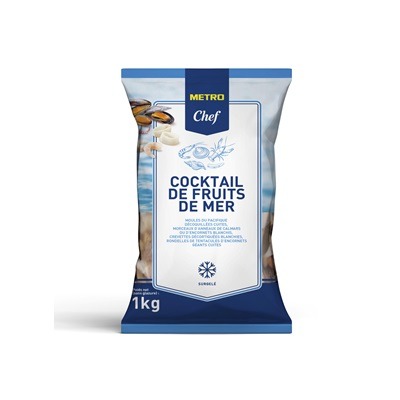
France – Seafood cocktail 1kg METRO CHEF – Salmonella

Identification information of the recalled product
- Product category Feed
- Product subcategory Fishery and aquaculture products
- Product brand name METRO CHEF
- Model names or references Seafood cocktail 1kg METRO CHEF
- Identification of products
GTIN Batch Date 3439496423517 P3151001 Date of minimum durability 31/05/2025 - Marketing start/end date From 06/16/2023 to 07/05/2023
- Storage temperature Product to keep in the freezer
- Health mark FR.69.141.003.CE
- Geographic area of sale Whole France
- Distributors METRO France
Posted in food contamination, food handler, Food Hazard, Food Hygiene, Food Inspections, Food Micro Blog, Food Microbiology, Food Microbiology Blog, Food Microbiology Testing, Food Pathogen, Food Quality, food recall, Food Safety, Food Safety Alert, Food Safety Management, Food Safety Regulations, Food Testing, Salmonella
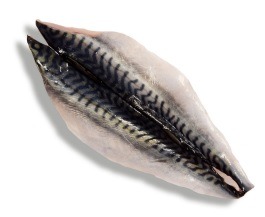
France – VACUUM MACKEREL FILLET – Histamine

Identification information of the recalled product
- Product category Feed
- Product subcategory Fishery and aquaculture products
- Product brand name AUCHAN
- Model names or references VACUUM MACKEREL FILLET
- Identification of products
Batch Date 06/14/2023 Use-by date 06/21/2023 - Products List Reminder_sign_(1).pdf Attachment
- Packaging Under a vacuum
- Marketing start/end date From 06/14/2023 to 06/21/2023
- Storage temperature Product to be stored in the refrigerator
- Geographic area of sale Auchan Toulouse store
- Distributors Auchan Toulouse store
Posted in food contamination, food handler, Food Hazard, Food Hygiene, Food Inspections, Food Micro Blog, Food Microbiology, Food Microbiology Blog, Food Microbiology Testing, Food Poisoning, Food Quality, food recall, Food Safety, Food Safety Alert, Food Safety Management, Food Safety Regulations, Food Testing, Food Toxin, Histamine
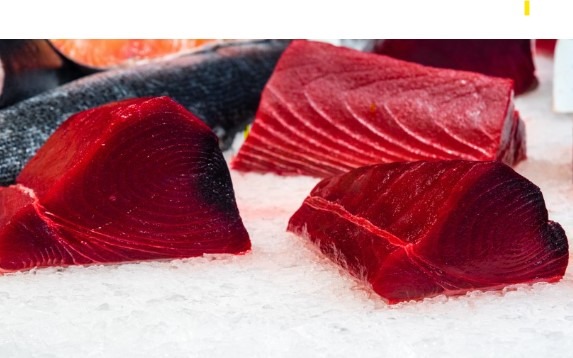
France – Albacore tuna loin – Histamine

Identification information of the recalled product
- Product category Feed
- Product subcategory Fishery and aquaculture products
- Product brand name unbranded
- Model names or references Tuna loin sold at the fish stand
- Identification of products
Batch Product sold between 06/26/2023 and 06/30/2023 - Packaging TRADITIONAL STAND
- Marketing start/end date From 06/26/2023 to 06/30/2023
- Storage temperature Product to be stored in the refrigerator
- Geographic area of sale Regions: Burgundy-Franche-Comté
- Distributors Cora Belfort
Posted in food contamination, food handler, Food Hazard, Food Hygiene, Food Inspections, Food Micro Blog, Food Microbiology, Food Microbiology Blog, Food Microbiology Testing, Food Pathogen, Food Quality, food recall, Food Safety, Food Safety Alert, Food Safety Management, Food Safety Regulations, Food Testing, Salmonella
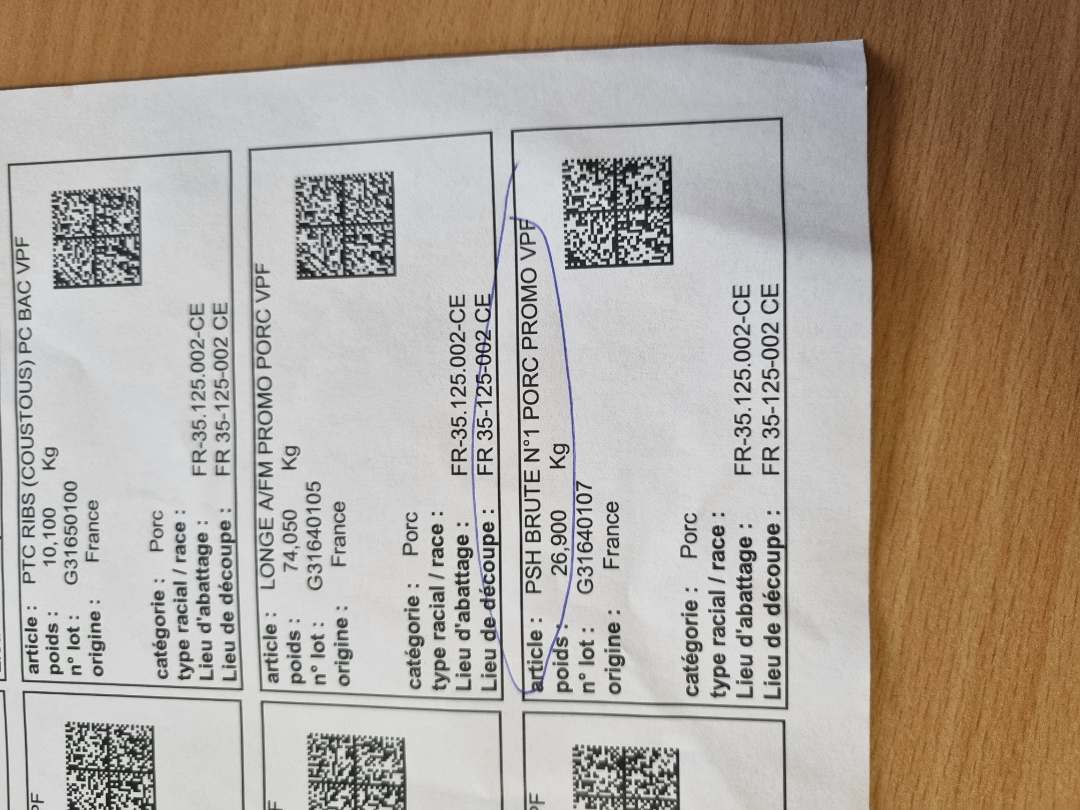
France – MARINE BACON – Salmonella

Identification information of the recalled product
- Product category Feed
- Product subcategory Meats
- Product brand name GATIN
- Model names or references MARINE BACON
- Identification of products
GTIN Batch Date 31640107 All lots Use-by date 06/25/2023 - Products List 20230703121133675.pdf Attachment
- Packaging BULK OR TRAYS
- Marketing start/end date From 06/20/2023 to 06/25/2023
- Storage temperature Product to be stored in the refrigerator
- Geographic area of sale Whole France
- Distributors INTERMARCHE MORHANGE
Posted in food contamination, food handler, Food Hazard, Food Hygiene, Food Inspections, Food Micro Blog, Food Microbiology, Food Microbiology Blog, Food Microbiology Testing, Food Pathogen, Food Quality, food recall, Food Safety, Food Safety Alert, Food Safety Management, Food Safety Regulations, Food Testing, Salmonella
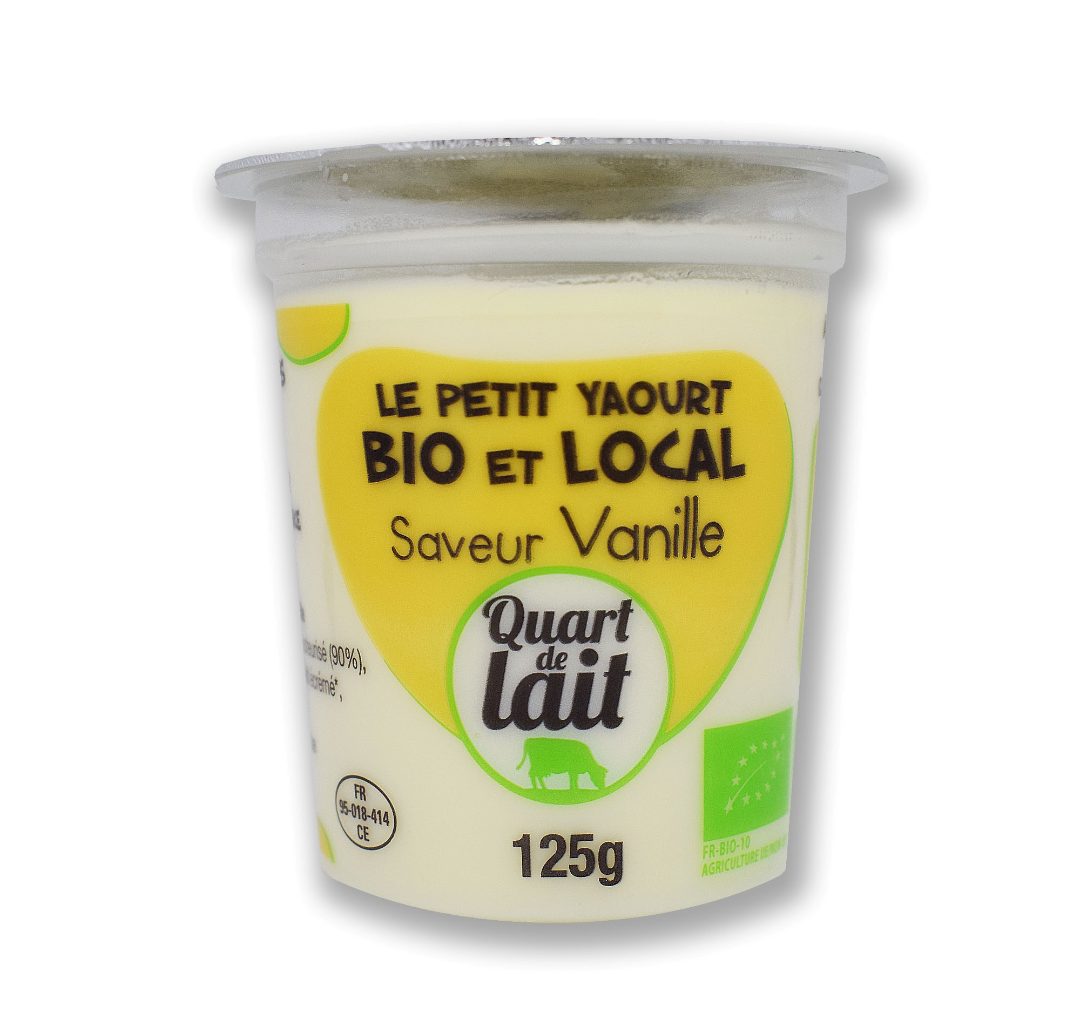
France – ORGANIC YOGHURT VANILLA FLAVOR QUARTER MILK 125 G – Salmonella

Identification information of the recalled product
- Product category Feed
- Product subcategory Milk and dairy products
- Product brand name QUARTER OF MILK
- Model names or references ORGANIC YOGHURT VANILLA FLAVOR QUARTER MILK 125 G
- Identification of products
GTIN Batch Date 3770003809142 07/12/2023 Use-by date 07/12/2023 - Products List FT.003.01_Yoghurt_BIO_Saveur_Vanille_125g_24u.pdfAttachment
- Packaging JAR 125G
- Marketing start/end date From 06/22/2023 to 07/12/2023
- Storage temperature Product to be stored in the refrigerator
- Health mark ORGANIC YOGHURT VANILLA FLAVOR QUARTER MILK 125 G
- Further information ORGANIC YOGHURT VANILLA FLAVOR QUARTER MILK 125 G
- Geographic area of sale Regions: Ile-de-France
- Distributors eurocheese
Posted in food contamination, food handler, Food Hazard, Food Hygiene, Food Inspections, Food Micro Blog, Food Microbiology, Food Microbiology Blog, Food Microbiology Testing, Food Pathogen, Food Quality, food recall, Food Safety, Food Safety Alert, Food Safety Management, Food Safety Regulations, Food Testing, Salmonella