Category Archives: Food Microbiology Research

USA – More than 100 students home sick due to suspected Norovirus-related illnesses

ABC15

PHOENIX — More than 100 students at Hopi Elementary School in Arcadia stayed home due to illness this week, and norovirus could be the cause.

Norovirus, which is also called food poisoning, stomach flu, or stomach bug, is the leading cause of foodborne illness, according to the Centers for Disease Control and Prevention (CDC).

ABC15 learned an email was sent to parents at Hopi Elementary School, urging children experiencing nausea, vomiting, diarrhea, stomach pains, and low-grade fever to stay at home.

The email also noted, “Per the CDC the most common cause of these symptoms is the norovirus.”

New Zealand – Sick for days: Consumers report food poisoning after eating hummus – Salmonella

Stuff NZ

Hummus products subject to a recall due to salmonella contamination concerns could have been on shelves for weeks.

And while the Ministry for Primary Industries has not had any reports of illness, some consumers say they have been affected.

Have you been affected? Contact brianna.mcilraith@stuff.co.nz

Shaina Petersen said she became unwell on Monday and had eaten some of the affected hummus at the weekend.

She went to the doctor on Thursday and was tested but had not yet received the results. “The doctor said given my symptoms I’m a probable case. My symptoms have been flu-like with fatigue, chills, aches, headache, nausea and diarrhoea but with painful stomach cramping, loss of appetite and a curdling feeling.”

USA – Ruby Princess: More than 200 sickened on the Princess Cruises voyage

Outbreak News Today

Federal health officials are reporting that some 219 passengers and crew suffered with symptoms of  vomiting and diarrhea during a recent Princess Cruises’ Ruby Princess voyage (RU305P  from February 26–March 5, 2023).

To date, the etiology of the illness has not been discovered.

In response to the outbreak, Princess Cruises and the crew aboard the ship reported the following actions:

  • Increased cleaning and disinfection procedures according to the ship’s outbreak prevention and response plan.
  • Collected stool specimens from gastrointestinal illness cases to send to the CDC lab for pathogenic identification.

Vessel Sanitation Program (VSP) epidemiologists and environmental health officers will board the ship in Galveston, Texas, on March 5 to conduct a formal outbreak investigation.

Research- Development of an Extraction Method to Detect Hepatitis A Virus, Hepatitis E Virus, and Noroviruses in Fish Products

MDPI

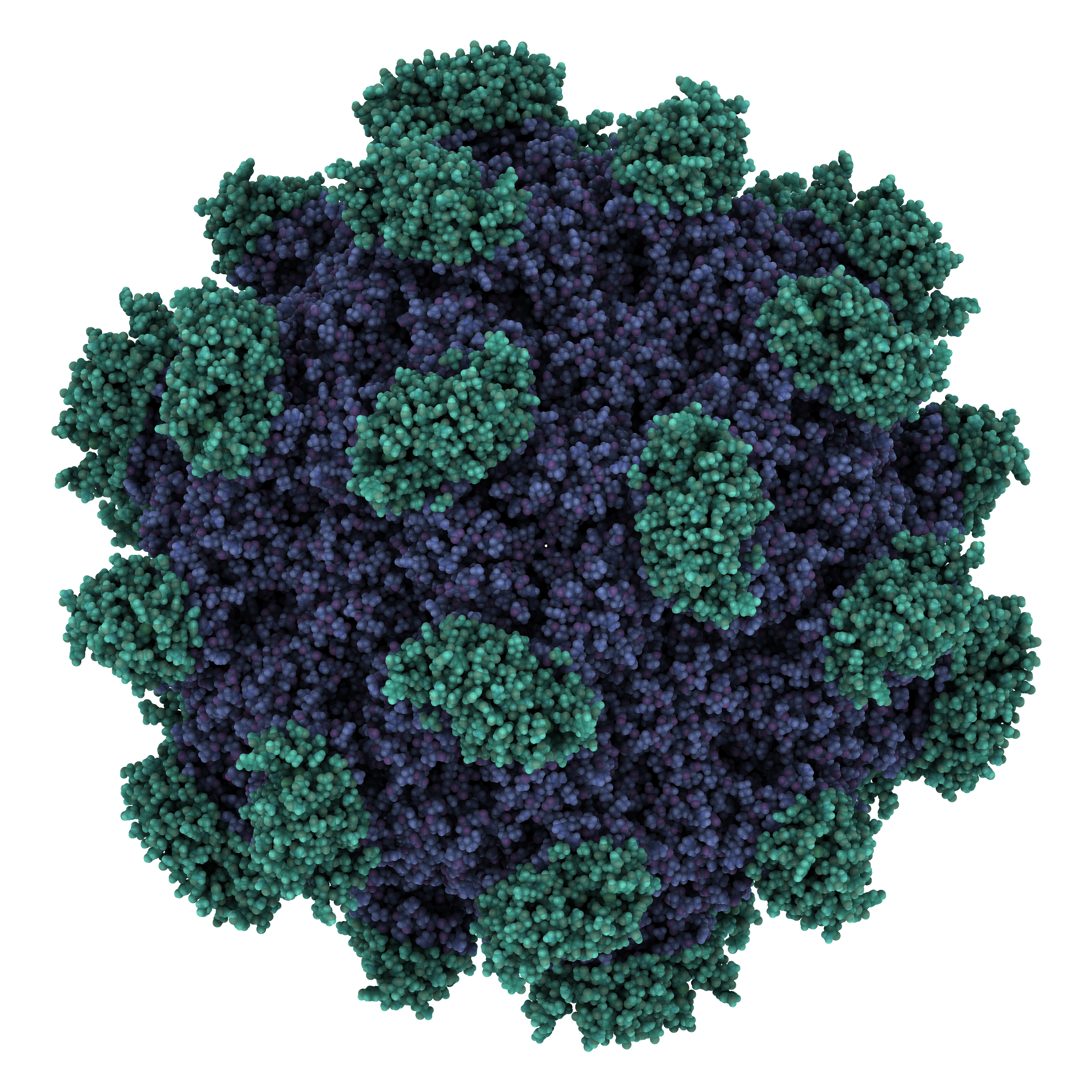
Hepatitis E virus capsid structure. HEV infection causes viral hepatitis. Atomic-level structure.

Abstract

Viruses are a leading cause of foodborne disease worldwide. Hepatitis viruses (hepatitis A (HAV) and hepatitis E (HEV)) and human norovirus are recognized as the main viruses of public health concern in food hygiene. ISO 15216 approved procedures are not validated for detection of HAV and human norovirus in foodstuffs, such as fishes, leading to an inability to ensure the safety of these products. This study aimed to provide a rapid and sensitive method for detecting these targets in fish products. An existing method that includes proteinase K treatment was selected for further validation using artificially contaminated fish products, according to the recent international standard ISO 16140-4. Recovery efficiencies in pure RNA extracts of viruses ranged from 0.2% to 66.2% for HAV, 4.0% to 100.0% for HEV, 2.2% to 100.0% for norovirus GI, and 0.2% to 12.5% for norovirus GII. LOD50 values were between 144 and 8.4 × 10⁴ genome copies/g for HAV and HEV, and 104 and 2.0 × 10³ copies/g for norovirus GI and norovirus GII, respectively. LOD95 values were between 3.2 × 10³ and 3.6 × 10⁵ genome copies/g for HAV and HEV, and between 8.8 × 10³ and 4.4 × 10⁴ genome copies/g for norovirus GI and norovirus GII, respectively. The method developed here was successfully validated in various fish products and can be applied for routine diagnostic needs.

EU – Risk Ranking of Chemical and Microbiological Hazards in Foods ‐ Research Project and International Workshop

EFSA

Abstract

The purpose of this project was to improve the ability to perform risk ranking of current chemical and microbiological hazards in foods. The work was performed in three work packages (WPs) comprising an overview of chemical and microbiological risk assessment (WP1), development of methods for risk ranking (WP2), and the organisation of an international workshop (WP3). The developmental work consisted of 1) a method for chemical hazards that was also adapted for newer toxicological effect data, and 2) an exposure model applicable to both types of hazards in its design. Conclusions at the workshop included that risk ranking fundamentally would provide added support to risk management and risk communication. Both probability and severity of a health effect was regarded to be relevant to incorporate in the metric used for risk ranking. Measures of health burden were regarded as useful by many participants but there was no consensus on the most preferable metric. The value of other metrics, including less data intensive ones, was also noted. While risk ranking should be based on risk assessment principles, management aspects would ultimately need to be considered on top of this. Participants were positive to a joint framework for both chemical and microbiological hazards, but several challenges were identified. In the face of a general lack of desired data it was regarded to be important to make efficient use of the available information, and it may be advantageous if methods are compatible with different sets of evidence. It is recommended that the common metric for risk ranking is further resolved in terms of what aspects it should account for, the usefulness of particular or different metrics, as well as the concept of a tiered approach. Development of an overarching guidance for risk ranking addressing the many types of rankings possible is proposed.

Research – Microbial Load of Fresh Blueberries Harvested by Different Methods

MDPI

Abstract

Currently, more and more growers are transitioning to the use of over-the-row machine harvesters for harvesting fresh market blueberries. This study assessed the microbial load of fresh blueberries harvested by different methods. Samples (n = 336) of ‘Draper’ and ‘Liberty’ northern highbush blueberries, which were harvested using a conventional over-the-row machine harvester, a modified machine harvester prototype, ungloved but sanitized hands, and hands wearing sterile gloves were collected from a blueberry farm near Lynden, WA, in the Pacific Northwest at 9 am, 12 noon, and 3 pm on four different harvest days during the 2019 harvest season. Eight replicates of each sample were collected at each sampling point and evaluated for the populations of total aerobes (TA), total yeasts and molds (YM), and total coliforms (TC), as well as for the incidence of fecal coliforms and enterococci. The harvest method was a significant factor (p < 0.05) influencing the TA and TC counts, the harvest time was a significant factor influencing the YM counts, while the blueberry cultivar was an insignificant (p > 0.05) factor for all three indicator microorganisms. These results suggest that effective harvester cleaning methods should be developed to prevent fresh blueberry contamination by microorganisms. This research will likely benefit blueberry and other fresh fruit producers.

Research – Nanoparticle Coatings on Glass Surfaces to Prevent Pseudomonas fluorescens AR 11 Biofilm Formation

MDPI

Abstract

Microbial colonization of surfaces is a sanitary and industrial issue for many applications, leading to product contamination and human infections. When microorganisms closely interact with a surface, they start to produce an exo-polysaccaridic matrix to adhere to and protect themselves from adverse environmental conditions. This type of structure is called a biofilm. The aim of our work is to investigate novel technologies able to prevent biofilm formation by surface coatings. We coated glass surfaces with melanin-ZnO2, melanin-TiO2, and TiO2 hybrid nanoparticles. The functionalization was performed using cold plasma to activate glass-substrate-coated surfaces, that were characterized by performing water and soybean oil wetting tests. A quantitative characterization of the antibiofilm properties was done using Pseudomonas fluorescens AR 11 as a model organism. Biofilm morphologies were observed using confocal laser scanning microscopy and image analysis techniques were used to obtain quantitative morphological parameters. The results highlight the efficacy of the proposed surface coating to prevent biofilm formation. Melanin-TiO2 proved to be the most efficient among the particles investigated. Our results can be a valuable support for future implementation of the technique proposed here in an extended range of applications that may include further testing on other strains and other support materials.

Research IMPERATIVES FOR IMPROVEMENT OF FOOD SAFETY IN FRUIT AND VEGETABLE VALUE CHAINSIN VIET NAM

ADB

Key Findings
 
Production of fruits and vegetables in Viet Nam has been changing, which is driven by consumer preferences, urbanization, demographics, and rising incomes. Yet, they are produced with high usage of chemical fertilizers and pesticides. Consumers, in general, particularly in Ha Noi, buy most of their fruits and vegetables from traditional wet markets. Produce sold in these markets are not certified and not traceable to farms. Many wet markets in Ha Noi suffer from insu ̄cient infrastructure.
 
Waste management is unhygienic, and there is no clear separation between the areas selling fruits and vegetables and those selling animals and animal products.
 
Researchers from Vietnam National University of Agriculture (VNUA) collected biological samples of mustard greens, cucumber, and dragon fruit from farms, wholesale markets, and retail markets and analyzed them for Salmonella and Escherichia coli (E. coli) at the Department of Food Processing Technology at VNUA. Their analysis shows that foodborne pathogens are a particular concern for leafy vegetables. About 31% of the mustard greens samples collected from farms had E. coli loads above maximum permissible levels, 67% for samples collected from wholesale markets, and 82% from retail markets.
 
The increase of pathogenic loads across the value chains—from farm to retail—can be traced from lack of hygienic practices in handling of fruits and vegetables by all players.
 
Samples of dragon fruit, mustard greens, and cucumber were also analyzed for five commonly used chemical pesticides, two heavy metals, and nitrate. Pesticide residue analysis was performed at the National Institute for Food Control, while the other contaminants were analyzed at the Department of Food Processing Technology at VNUA.
 
Out the three types of produce sampled, pesticide residue above permissible levels was found only in cucumber. No samples had heavy metals and nitrate concentrations above maximum permissible levels. A banned active ingredient was detected in only one type of produce, mustard greens (in one of 20 samples), and was not found in dragon fruit or cucumber.
 
Chemical pesticide contamination in fruits and vegetables is a key concern of consumers and other stakeholders.
 
Foodborne pathogens are generally perceived as a smaller concern because consumers believe they can manage this risk through food preparation methods, which is a misconception as foodborne pathogens are the most important health risks for Vietnamese consumers (World Bank 2016 ).
 
The Government of Viet Nam has designated particular areas for “safe vegetable production.” These areas currently account for about 40% of Ha Noi’s vegetable area of 12,000 hectares. Vegetable farmers in these areas have been encouraged to form producer cooperatives. The government regularly tests soil and water quality and also tests vegetable produce for pesticide residues once a year. Livestock farming is not allowed in these areas to reduce the risk of cross-contamination.
 
These actions contribute to improving the food safety of vegetables to some extent. But they do help government agencies to better support smallholder vegetable farmers and monitor the quality of the produce.
 
Over the past decade, Viet Nam has revised its food safety laws and regulations, and the existing frameworks are mainly in line with international standards (Vu and Anh 2016 ). The country has a National Food Safety Committee, but there is no central food safety agency. Responsibilities are divided over three ministries (agriculture, commerce, and health), which results in some contradictions and confusion in enacting food safety-related regulations and acts among these ministries.
 
The implementing capacity of government organizations is rather limited. Authorities in charge of food safety seem to remain focused on inspection and control of end products, but not much on preventing contamination in production and marketing processes.


Ireland – Outbreak of Salmonella Typhimurium on the island of Ireland declared over

NDSC

An outbreak investigation was launched by HPSC on 22/12/2022 after seven Salmonella Typhimurium isolates were identified as forming a cluster by routine Whole Genome Sequencing (WGS) carried out by the National SalmonellaShigella and Listeria Reference Laboratory (NSSLRL). The isolates, which were of a less commonly occurring subtype of Salmonella Typhimurium, MLST type ST36, were related to two previous Salmonella Typhimurium isolates (sequenced in the NSSLRL in October 2020 and December 2021) and isolates identified in other European countries since 2020. The source of salmonellosis was not identified for these previous cases. An additional thirteen isolates were added to this cluster following further WGS by the NSSLRL in January 2023, while WGS performed by the Gastrointestinal Bacteria Reference Unit (GBRU) of the UK’s Health Security Agency’s (UKHSA) identified an additional seven cases resident in Northern Ireland and England that fell within the same cluster. In total 27 cases, identified between December 2022 and January 2023, who were resident on or who visited the island of Ireland were investigated as part of this outbreak.

Epidemiological data on outbreak cases were collected in each jurisdiction via national computerised surveillance systems, enhanced surveillance forms and trawling questionnaires. Symptom onset dates for cases ranged between the 30th of November 2022 and the 13th of January 2023, peaking on December 7th. Cases were geographically distributed across multiple areas on the island of Ireland. Fourteen cases were male and thirteen were female. Most cases were adults, ranging in age from 25 to 91 years, and two cases were children (aged <18 years). The median age of cases was 57 years. Forty-one percent (41%) of cases (n=11) were reported to have been hospitalised.[1]

A multi-disciplinary Outbreak Control Team (OCT), chaired by HPSC, was convened in January 2023. This group comprised representatives from HPSC, National Health Protection Service, NSSLRL, Departments of Public Health, the HSE Environmental Health Service, The Food Safety Authority of Ireland (FSAI) and the HSC Public Health Agency of Northern Ireland (PHA) and Food Standards Agency in Northern Ireland (FSA-NI). The OCT met four times during January and February 2023. Enhanced surveillance forms and trawling questionnaires were used to determine food and environmental exposure histories for all cases but no common exposures were identified. Additionally, food business supplier lists were examined and no commonalities were identified. The outbreak was declared over on February 16th 2023 as more than two incubation periods had elapsed without the reporting of new cases associated with this cluster but the source of this outbreak remains unknown.

In January 2023, FSAI instigated a food recall of batches of chicken products due to the detection of Salmonella Typhimurium and the Department of Agriculture, Food and the Marine launched an investigation into the incidence of Salmonella Typhimurium in a number of broiler flocks. There is no microbiological evidence of a link between the cases of salmonellosis investigated as part of this outbreak with the poultry product recall and positive poultry flocks.

Research – Bacterial biofilm reduction by 275 and 455 nm light pulses emitted from light emitting diodes

Wiley Online

Biofilm of antibiotic resistant bacteria. Rod-shaped and spherical bacteria. Escherichia coli, Pseudomonas, Mycobacterium tuberculosis, Klebsiella, Staphylococcus aureus, MRSA. 3D illustration

Abstract

Eradication of biofilms from the food contact surfaces is a challenging task, owing to their increased resistance to sanitizers and regular cleaning practices. The treatment with the light pulses emitted from the light emitting diode (LED) is an emerging surface decontamination technology, that can produce the antibiofilm effect by photodynamic inactivation. The objective of this study was to understand the antibiofilm efficacy of the 275 (Ultraviolet-C [UV-C]) and 455 nm (Blue) light pulses emitted from the LEDs against single and dual-species biofilms of Salmonella Typhimurium ATCC13311 and Aeromonas australiensis 03-09 on stainless steel (SS) coupons formed at different time. The biofilm formation by S. Typhimurium was improved when grown with A. australiensis in dual-species culture. Both 275 and 455 nm light pulses showed significant antibiofilm activity against S. Typhimurium and A. australiensis in single and dual-species biofilms. For instance, the 275 nm LED treatment of surfaces of SS coupons with 1.8 J/cm2 dose on each surface, produced reductions of 4.24 and 3.9 log (CFU/cm2) in single (cell attachment) and dual-species biofilms of S. Typhimurium, and reductions of 4.45 and 4.99 log (CFU/cm2) in single and dual-species biofilms of A. australiensis. However, the susceptibility of A. australiensis toward 455 nm LED treatments was influenced by the presence of S. Typhimurium in the dual-species biofilm. The confocal laser scanning microscopy images revealed significant cell membrane damage in the dual-species biofilms by the LED treatments with 275 and 455 nm light pulses. Overall, several factors like surface temperature increase, strains used, treatment dose, treatment time, and incubation period of biofilms influenced the inactivation efficacy of the 275 and 455 nm LED treatments against the biofilms formed on SS coupons. This study provides an insight into the inactivation efficacy of LED light pulses against bacterial biofilms on food grade SS surfaces.