Category Archives: Food Microbiology Research

USA – Kawasho Foods USA Inc. Announces Expansion of Voluntary Recall of GEISHA Medium Shrimp 4oz. Due to Possible Under Processing

FDA

Kawasho Foods USA Inc. of New York, NY, is announcing an expansion of its February 26, 2023, voluntary recall of canned GEISHA Medium Shrimp 4oz. to now recall all lots of this product. Kawasho Foods is taking this step out of an abundance of caution due to a concern that there is a possibility that the product has been under processed, which could lead to the potential for spoilage organisms or pathogens.

Kawasho Foods made this decision after receiving additional information from the Food and Drug Administration.

The Product was distributed to retailers nationwide (AL, AR, AZ, CA, CO, CT, DE, FL, GA, IA, IL, IN, KS, KY, MA, MI, MN, MO, NC, NH, NJ, NY, OH, OR, PA, TN, TX, UT, VA, WA, WI) from Dec 2022 to Apr 2023.

The GEISHA Medium Shrimp is packaged in a 4oz. metal can, with UPC 071140003909 (Listed on the back of the label).

This event only affects this specific product.

Consumers should not use this product, even if it does not look or smell spoiled. No illnesses or other adverse consequences have been reported to date in connection with this product.

Consumers who have purchased this product are urged to return to place of purchase for a full refund. If you have any question regarding this recall, please contact us at Toll Free (224)278-9935 (Monday to Friday, 9:00 a.m. to 5 p.m. EST) or via email at info@geishabrand.com.

Link to Initial Press Release.


Company Contact Information

Consumers:
 (224)278-9935
 info@geishabrand.com

Product Photos

Research – Alternaria mycotoxins and its incidence in fruits and vegetables

Conicet

Alternaria is a ubiquitous fungal genus, widely distributedin the environment and a range of different habitats. It includes both plantpathogenic and saprophytic species, which can affect crops in the field orcause post-harvest spoilage of plant fruits and kernels. Numerous Alternaria species cause damage toagricultural products including cereal grains, fruits and vegetables, and areresponsible for severe economic losses worldwide. MostAlternaria species have the abilityto produce a variety of secondary metabolites, which may play important rolesin plant pathology as well as food quality and safety. Alternariol (AOH),alternariol monomethyl ether (AME), tenuazonic acid (TeA), tentoxin (TEN) andaltenuene (ALT) are considered the main Alternariacompounds thought to pose a risk to human health. However, food-borne Alternaria species are able to producemany additional metabolites, whose toxicity has been tested incompletely or nottested at all. Both alternariols are mutagenic and their presence in cerealgrain has been associated with high levels of human esophageal cancer in China.TeA exerts cytotoxic and phytotoxic properties, and is acutely toxic in differentanimal species, causing hemorrhages in several organs. The possible involvementof TA in the etiology of onyalai, a human hematological disorder occurring inAfrica, has been suggested. Altertoxins (ALXs) have been found to be morepotent mutagens and acutely toxic to mice than AOH and AME. Other metabolites,such as TEN, are reported to be phytotoxins, and their toxicity on animals hasnot been demonstrated up to now. Vegetablefoods infected by Alternaria rot areobviously not suitable for consumption. Thus, whole fresh fruits are notbelieved to contribute significantly with Alternariatoxins to human exposure. However, processed vegetable products may introduceconsiderable amounts of these toxins to the human diet if decayed or moldyfruit is not removed before processing. Thetaxonomy of the genus is not well defined yet, which makes it difficult toestablish an accurate relationship between the contaminant species and theirassociated mycotoxins. Great efforts have been made to organize taxa intosubgeneric taxonomic levels, especially for the small-spored, food associatedspecies, which are closely related and constitute the most relevant foodpathogens from this genus.Severalcrops of agricultural value are susceptible to infection by different Alternaria species and can contribute tothe entry of Alternaria mycotoxins inthe food chain. The distribution of Alternariaspecies was studied in different commodities grown in Argentina. These foodpopulations were characterized through a polyphasic approach, with specialinterest in their secondary metabolite profiles, to understand their fullchemical potential. Alternariaspecies associated with tomato, bell pepper, blueberry, apples and wheatcultivated in Argentina showed a surprisingly high metabolomic andmycotoxigenic potential. The natural occurrence of Alternaria toxins in these foods was also investigated. The resultshere presented will provide background for discussion on regulations for Alternaria toxins in foods.

Research – Deep ultraviolet fluorescence sensing with multispectral imaging to detect and monitor food-borne pathogens on the leafy green phyllosphere

Wiley Online

Demand for sustainable and safe raw agricultural commodities is growing rapidly worldwide. Reducing the risk of foodborne illnesses associated with fresh produce is a task which the industry and academic researchers have been struggling with for many years. There is an immediate need to devise a non-invasive optical detection system to monitor the food-borne pathogens on the leaf surface. The detection of foodborne pathogens on leafy produce is performed often too late because of the invasive techniques used to evaluate the pathogen colonization. Use of deep ultraviolet fluorescence (DUVF) sensing and visible–near infrared multispectral imaging (MSI) has previously been used to monitor plant interactions against both biotic and abiotic stress regimes. Using the patho-system that we developed to monitor Salmonella sp. and Listeria sp. ingression in leafy greens such as lettuce/spinach, we show that plant response in terms of fluctuation of chlorophyll pigments post-Salmonella/Listeria treatment is rapid. We also show that the mode of application of Salmonella/Listeria via foliar or root supplementation changes the ChlA response. Our data also reveals that the plant sentinel response in terms of early photosynthetic response may be critical to detect food-borne pathogens on leafy greens. MSI demonstrated that plant stress was detectable and proportional to the bacterial inoculation rate on plants. Our research may lead to implementation of better strategies and technology to increase yield and reduce risks associated with contamination of foodborne bacterial pathogens.

Research – Severe Streptococcus equi Subspecies zooepidemicus Outbreak from Unpasteurized Dairy Product Consumption, Italy

CDC

Abstract

During November 2021–May 2022, we identified 37 clinical cases of Streptococcus equi subspecies zooepidemicus infections in central Italy. Epidemiologic investigations and whole-genome sequencing showed unpasteurized fresh dairy products were the outbreak source. Early diagnosis by using sequencing technology prevented the spread of life-threatening S. equi subsp. zooepidemicus infections.

Streptococcus equi subspecies zooepidemicus is a β-hemolytic streptococcus expressing Lancefield group C antigen and is 1 of 3 S. equi subspecies. S. equi subsp. zooepidemicus is an opportunistic pathogen that can infect domestic animals, pets, and wildlife (16). Sporadic human cases have been reported (7), characterized by clinical manifestations that vary from meningitis to sepsis. Human infection generally occurs through direct contact with infected animals or by consumption of contaminated unpasteurized milk or other dairy products (810). We report a large S. equi subsp. zooepidemicus outbreak in Italy.

Research – Forgotten but not gone: Yersinia infections in England, 1975 to 2020

Eurosurveillance

Yersiniosis, most often caused by  is one of the most common bacterial food-borne zoonoses in Europe with reported overall incidence of 1.8 cases per 100,000 population in 2020 [1]. There is, however, marked variation among countries, with the highest numbers of cases per 100,000 population reported in Denmark and Finland (7.1 and 7.0, respectively) and the lowest in Romania and Bulgaria (0.03 and 0.06, respectively) [1]. Transmission is primarily faecal–oral via food or water contaminated with animal faeces [2]. Yersiniosis has been associated with the consumption of pork meat (raw or undercooked), occupational exposure to pigs, untreated drinking water, milk, vegetables, juices, ready-to-eat and other foods [36]. The incidence of yersiniosis in Europe is higher in males and in children under 5 years, and no clear seasonal pattern has been reported over the last decade [1,3]. Yersiniosis commonly presents as diarrhoea, abdominal pain and fever, and can manifest as acute mesenteric lymphadenitis and terminal ileitis. Although it is usually self-limiting with a low case fatality rate (0.05%), symptoms often persist for several weeks [3,6].

The reported incidence of  infections in the United Kingdom (UK) is well below the European average (0.2 cases per 100,000 in 2019) [3]. Routine testing for  is not currently recommended in the UK, unless there is a clinical suspicion (e.g. appendicitis, mesenteric lymphadenitis, terminal ileitis or reactive arthritis) [7]. The aim of this study was to describe the changing incidence and epidemiology of diagnosed  infections in England between 1975 and 2020 and to estimate the potential under-ascertainment of  due to the lack of routine testing.

Research – Researchers explore probiotics to control Campylobacter

Feedstuffs

On-farm control measures are required to mitigate the risk of the bacteria being transmitted to humans working with poultry and people who visit poultry farms. Abdelaziz’s lab is studying the impact of inoculating eggs (in-ovo) with probiotics on gut health and immune system development of broilers before they hatch.

Probiotics are live bacteria, fungi, or yeasts that help poultry maintain healthy digestive systems. They are increasingly being included in poultry diets as alternatives to antibiotics. Abdelaziz and his team believe in-ovo technology can be used to deliver probiotics to chicken embryos and help boost chicks’ immune systems before they hatch.

During their investigation, Abdelaziz and his team have found certain probiotics (lactobacilli) applied in-ovo to chick embryos increased immune-related genes in the chicks’ guts which could promote healthy immune systems of chick embryos. Future studies will investigate whether Lactobacillus-induced immune responses protect against harmful microorganisms after chicks hatch.

Researchers urge Campylobacter focus in the Czech Republic

Food Safety News

Scientists in the Czech Republic have called for a national reference laboratory for human Campylobacter infections to be created in the country.

From 2018 to 2021, 81,115 cases were reported in the electronic Infectious Disease Information System (ISIN). Slightly more men than women were sick. Campylobacter jejuni makes up the majority of cases followed by Campylobacter coli. The highest incidence was in people aged 1 to 4 years old.

Almost 10,000 people were hospitalized and 34 deaths were reported including five children younger than 5, three teenagers, seven people aged 21 to 35, and 19 people older than 57.

Preventative measures should be aimed at children younger than 5 because of the high incidence and people older than 80 who are at higher risk of severe illness and hospitalization, said scientists.

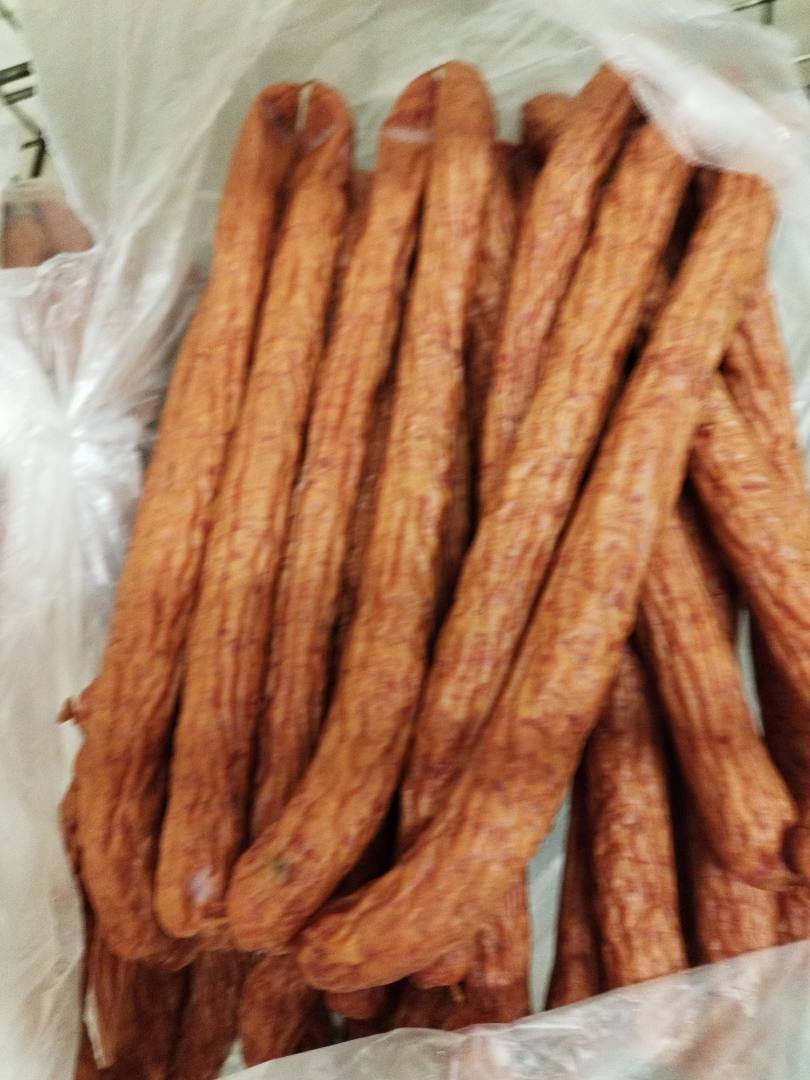
France – Constable Sausage – Listeria monocytogenes

Gov france

Identification information of the recalled product

  • Product category Feed
  • Product subcategory Meats
  • Product brand name The Thur
  • Model names or references Gendarmes La Thur sold by weighing in the delicatessen section
  • Identification of products
    GTIN Batch Date
    3760050060580 79 Use-by date 04/27/2023
  • Packaging Gendarmes sold in the delicatessen department, weighed cut
  • Marketing start/end date From 08/04/2023 to 14/04/2023
  • Storage temperature Product to be stored in the refrigerator
  • Health mark FR.68.040.001.CE
  • Geographic area of ​​sale Sélestat hypermarket E.Leclerc West district
  • Distributors Leclerc Selestat West district

Practical information regarding the recall

  • Reason for recall Presence of Listeria Monocytogenes

France – Sausage to bite – Listeria monocytogenes

Gov france

Identification information of the recalled product

  • Product category Feed
  • Product subcategory Meats
  • Product brand name ILLER
  • Model names or references Sausage to bite
  • Identification of products
    Batch
    9091523
  • Packaging Bulk
  • Marketing start/end date From 04/13/2023 to 04/18/2023
  • Storage temperature Product to be stored in the refrigerator
  • Health mark EN 67.300.003 EC
  • Further information The product was sold in the traditional department between 04/13/2023 and 04/18/2023
  • Geographic area of ​​sale direct sale
  • Distributors Iller butcher’s shop – 43 route de Dachstein – 67120 MOLSHEIM

Practical information regarding the recall

  • Reason for recall Presence of Listeria monocytogenes
  • Risks incurred by the consumer Listeria monocytogenes (causative agent of listeriosis)

Czech Republic – Pork spread with roasted onion – Listeria monocytogenes

Potravinynapranyri

Place of inspection:
Příbram ( Jinecká 315, Příbram I, 26101 Příbram )
ID: 25244523
Food group: Meat and meat products Heat-treated perishable products

Pork spread with roasted onion
Category: Dangerous foods
Invalid parameter:

Listeria monocytogenes

The pathogenic bacteria Listeria monocytogenes was detected in the product . This bacteria can cause a disease called listeriosis.

Expiration date: 20/02/2023
Packaging: Plastic tub
Quantity of the product in the package: 125 g
Manufacturer: Uzeniny Příbram as
Country of origin:  Czechia
Date of sample collection: 2/8/2023
Reference number: 23-000005-SVS-CZ
The sample was detected by the official control of the State Veterinary Administration.