Groceries
14.02.2023
Gaperon sheep Gaperon goat
LAITERIE DE VICHY, France
Due to suspected contamination with unwanted bacteria Listeria monocytogenes.
BBD until 03/18/2023
Identification mark : FR03094002CE
Groceries
14.02.2023
Gaperon sheep Gaperon goat
LAITERIE DE VICHY, France
Due to suspected contamination with unwanted bacteria Listeria monocytogenes.
BBD until 03/18/2023
Identification mark : FR03094002CE
Posted in food contamination, food handler, Food Hazard, Food Hygiene, Food Inspections, Food Micro Blog, Food Microbiology, Food Microbiology Blog, Food Microbiology Testing, Food Pathogen, food recall, Food Safety, Food Safety Alert, Food Safety Management, Food Safety Regulations, Food Testing, Listeria, Listeria monocytogenes
Jerash Governor Firas Al-Faour told Roya that the Jordan Food and Drug Administration (JFDA) closed the restaurant Tuesday morning after a number of people reported not feeling well after eating from that restaurant.
He noted that the closure decision was taken as a precautionary step until the results of the samples taken by the JFDA come out.
All cases were admitted to the Jerash Governmental Hospital and all, except for two children, have been discharged.
The two children are between four and five years of age, who are currently in stable/good health condition.
Faour warned citizens and residents to be careful when it comes to restaurant discounts and offers.
Posted in Decontamination Microbial, Food Micro Blog, Food Microbiology, Food Microbiology Blog, Food Microbiology Research, Food Microbiology Testing, Food Poisoning, microbial contamination, Microbial growth, Microbiological Risk Assessment, Microbiology, Microbiology Investigations, Microbiology Risk
NONGPOH, Feb 13: In a suspected case of food poisoning, more than 40 people from Nongkhrah village in Ri-Bhoi were admitted to hospitals a day after they attended a bachelor party on February 10.
As per sources, it was informed that the attendees of the bachelor party, which was held in the same village, were mostly locals.
It was also informed that more than 40 people, including women and children, fell sick a day after consuming pork at the gathering, and were rushed to Nongpoh Civil Hospital, Nongpoh and Bethany Hospital, Pahamsyiem for treatment.
The other attendees, who did not consume pork, did not, however, complain of any health issue.
Posted in Decontamination Microbial, Food Micro Blog, Food Microbiology, Food Microbiology Blog, Food Microbiology Research, Food Microbiology Testing, Food Poisoning, microbial contamination, Microbial growth, Microbiological Risk Assessment, Microbiology, Microbiology Investigations, Microbiology Risk

| Date | ||
|---|---|---|
| Use-by date between 02/20/2023 and 02/21/2023 | ||
Posted in food contamination, food handler, Food Hazard, Food Hygiene, Food Inspections, Food Micro Blog, Food Microbiology, Food Microbiology Blog, Food Microbiology Testing, Food Pathogen, food recall, Food Safety, Food Safety Alert, Food Safety Management, Food Safety Regulations, Food Testing, Salmonella, Salmonella in Chicken
In the framework of the EU4Health Programme, the European Commission has allocated specific resources for Member States for setting up a coordinated surveillance system under the One Health approach for cross‐border pathogens that threaten the Union (CP‐g‐22‐04.01 Direct grants to Member States’ authorities). This initiative required the development of surveillance plan proposal for early detection of zoonotic pathogens in animals and the environment. This report summarized the preparatory work undertaken for the development of surveillance plan proposals for early detection of zoonotic pathogens in pigs and poultry. Two diseases were in the focus of this work, namely Hepatitis E and Influenza in Swine. Four so‐called surveillance activity cards were developed for Hepatitis E and one surveillance activity card for Influenza in Swine. These surveillance plan proposals serve the purpose of outlining scientifically sound surveillance options for zoonotic pathogens for review and further development by experts of the EFSA Working Group on One Health surveillance.
Recall of Coprobel SC
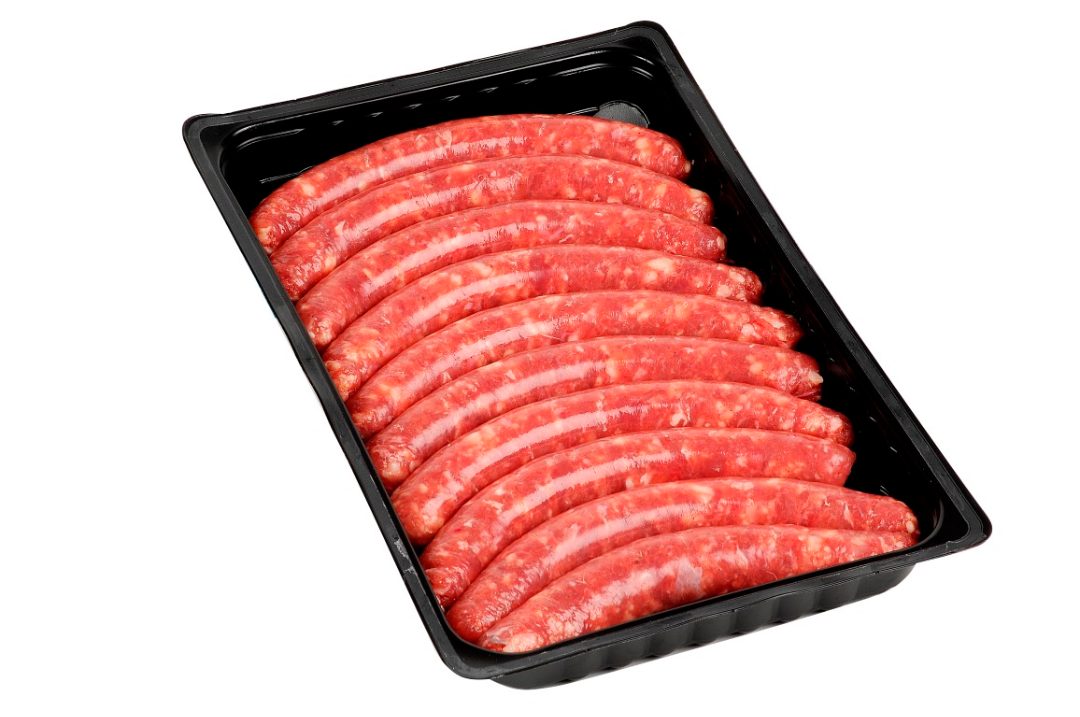
Product: Coq des Prés brand chicken chipolatas.
Problem: Possible presence of Salmonella.
Routine analyzes of the self-checking procedure of the Ardenne Volaille slaughterhouse have detected the possible presence of Salmonella in chipolatas of the Coq des Prés brand (see affected batches below). These chipolatas were made with chickens from Coprobel SC.
Coprobel SC has therefore decided, in agreement with the FASFC, to withdraw this product from sale and asks consumers not to consume this product. The products concerned (unopened) can be returned to the point of sale in which they were purchased, where they will be reimbursed.

Product description
– Product name: Organic chicken chipolatas
– Brand: Coq des Prés
– Use-by date (BBD) (“Use by”): 02/15/2023
– Batch numbers: 521963, 521964, 521957, 521987
– Sales period: from 02/09/2023 to 02/13/2023 –
Type of packaging: controlled atmosphere tray
– Weight: packs of 5 pieces or 2 kg
The product was distributed by:
– Interbio – Rue de la Basse Sambre 24, 5140 Sombreffe
– Marma – FRED CHAFFARTLAAN 11, 3300 Tienen
– Isabelle – Chaussée Rue de l’Eglise 22, 6220 Fleurus
– Françoise Demand – RUE DE BELVAUX 4, 5377 Sinsin
– Bastin Joël – LA VAULX RICHARD 20, 4970 Stavelot
– Pont Farm – RUE DIEU LE GARDE 6A, 4280 Hannut – Degroote – FRUMONT 19
, 5520 Onhaye
– Graux Farm – RUE SART HELMAN 6, 5380 Fernelmont , contact: Mr. Rouchet francois.rouchet@coqdespres.be
Posted in afsca, food contamination, food handler, Food Hazard, Food Hygiene, Food Inspections, Food Micro Blog, Food Microbiology, Food Microbiology Blog, Food Microbiology Testing, Food Pathogen, food recall, Food Safety, Food Safety Alert, Food Safety Management, Food Safety Regulations, Food Testing, Salmonella, Salmonella in Chicken

| GTIN | Lot | Date |
|---|---|---|
| 020222001 | 30350877 | Use-by date 02/12/2023 |
Posted in food contamination, food handler, Food Hazard, Food Hygiene, Food Inspections, Food Micro Blog, Food Microbiology, Food Microbiology Research, Food Microbiology Testing, Food Pathogen, food recall, Food Safety, Food Safety Alert, Food Safety Management, Food Safety Regulations, Food Testing, Listeria, Listeria monocytogenes
National surveillance data shows laboratory reports of the virus are 66% higher than the average at this time of year. The biggest increase in laboratory confirmed norovirus has been seen in the group of those aged 65 years and over. While high numbers of cases in this age group is expected at this time of year, these levels haven’t been seen in over a decade.
In response to the increase in cases, UKHSA is reminding the public of the actions that they can take to reduce the spread of norovirus.
Norovirus is highly infectious and is easily spread through contact with someone with the infection or with contaminated surfaces. One of the best ways to prevent the spread of norovirus is by practising good hand hygiene. Most people will make a full recovery within 2 to 3 days but it is important to drink plenty of fluids to prevent dehydration, especially for the very young, elderly or those with weakened immune systems who are more at risk.
The number of outbreaks caused by norovirus have increased in hospitals, schools and care homes, with the majority of outbreaks reported in care home settings.
Dr Lesley Larkin, Surveillance Lead, Gastrointestinal Infections and Food Safety (One Health) Division at UKHSA, said:
Norovirus levels are currently the highest we have seen at this time of year in over a decade. Most reported cases are in the over 65s and we’re also seeing a rise in reported outbreaks, particularly in care home settings.
Please stay at home if you are experiencing norovirus symptoms and do not return to work (particularly if you work with vulnerable people or food) or send sick children to school or nursery until 48 hours after symptoms have cleared. If you have a loved one in a care home or hospital, please avoid visiting until 48 hours after symptoms have cleared.
Regular hand washing is really important to help stop the spread of this bug, but remember, alcohol gels do not kill off norovirus so soap and warm water is best.
NHS Medical Director, Professor Sir Stephen Powis, said:
The number of people in hospitals with norovirus has risen significantly in line with what we are seeing in the community and in care homes – it is a really unpleasant illness to catch, but for the vast majority of people it will usually pass in a couple of days, and self-treating at home is the best way to help yourself and avoid putting others at risk.
Posted in Contaminated water, Decontamination Microbial, Food Micro Blog, Food Microbiology Blog, Food Virus, gastroenteritis, microbial contamination, Microbial growth, Microbiological Risk Assessment, Microbiology, Microbiology Investigations, Microbiology Risk, Norovirus, Water, water microbiology, Water Safety

| GTIN | Lot | Date |
|---|---|---|
| 0204011032214 | 30350877 | Use-by date 02/16/2023 |
Posted in food contamination, food handler, Food Hazard, Food Hygiene, Food Inspections, Food Micro Blog, Food Microbiology, Food Microbiology Blog, Food Microbiology Testing, Food Pathogen, food recall, Food Safety, Food Safety Alert, Food Safety Management, Food Safety Regulations, Food Testing, Listeria, Listeria monocytogenes
DUMAGUETE CITY – At least nine water sources from different areas in Vallehermoso town, Negros Oriental province, tested positive for E.coli (Escherichia coli) bacteria that left five people dead, and more cases reported over the weekend.
Jennifer Remollo, the provincial officer of the Department of Health (DOH) in Negros Oriental, told the Philippine News Agency in an interview Monday that laboratory tests were done from water samples taken from these sources after the number of cases skyrocketed last week.
“As of today, our office has recorded 203 cases of acute gastroenteritis, including the five deaths that were earlier reported last week,” Remollo said.
“Consumption of E.coli contaminated water sources can be fatal due to severe dehydration from diarrhea,” she said.
Included in those that tested positive for the bacteria were mostly from deep well and spring sources in the areas of Barangay Don Espiridion Villegas; Sitio Sangi, Barangay Tabon; Sitio Patag, Barangay Puan; Sitio Tubod, Barangay Malangsa; Barangay Puan; Malapay 1, Barangay Bagawines;; Barangay Macapso; and Barangay Poblacion, Remollo said.
The DOH official said constant rains for many days in these areas may have caused the contamination of these water sources.
She said 82 of those who came down with symptoms were admitted to the hospital.
Those who died were residents of Barangay Puan.
Posted in Contaminated water, E.coli, food contamination, food handler, Food Hazard, Food Hygiene, Food Inspections, Food Micro Blog, Food Microbiology, Food Microbiology Blog, Food Microbiology Testing, Food Pathogen, food recall, Food Safety, Food Safety Alert, Food Safety Management, Food Safety Regulations, Food Testing, Water, water microbiology, Water Safety