Category Archives: Food Micro Blog

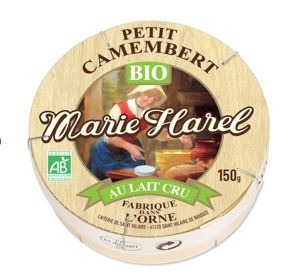
France – Small organic raw milk camembert – STEC E.coli

Gov france

Identification information of the recalled product

  • Product category Feed
  • Product subcategory Milk and dairy products
  • Product brand name Marie-Harel
  • Model names or references Small organic raw milk camembert Marie Harel
  • Identification of products
    GTIN Batch Date
    3267031601003 018551 Date of minimum durability 19/03/2023
  • Products List Traca_lot_018551_Petit_cam_Bio_150_g_Marie_Harel.pdfAttachment
  • Marketing start/end date From 02/10/2023 to 03/19/2023
  • Storage temperature Product to be stored in the refrigerator
  • Health mark FR 61 402 001 EC
  • Geographic area of ​​sale Whole France
  • Distributors Carrefour / Cora / System U / Leclerc / Auchan / Intermarché

Practical information regarding the recall

  • Reason for recall Strong suspicion of STEC
  • Risks incurred by the consumer Toxigenic Shiga Escherichia coli (STEC)

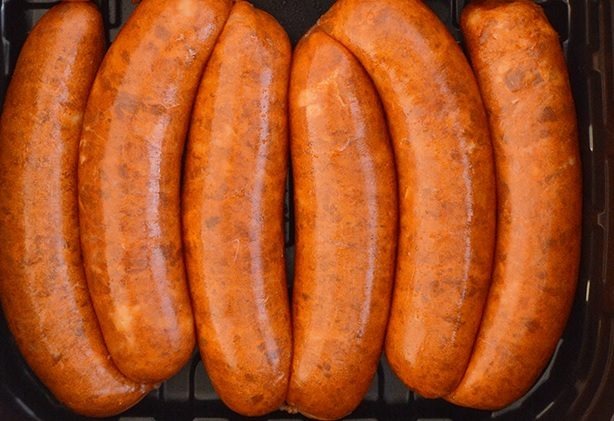
France – Poultry sausage (corizo, cheese, merguez) – Salmonella

Gov france

Identification information of the recalled product

  • Product category Feed
  • Product subcategory Meats
  • Product brand name Neutral / Id’halal / Medina Halal
  • Model names or references Corizo ​​poultry sausage Poultry cheese sausages Poultry merguez sausage
  • Identification of products
    Batch Date
    9773000072 Use-by date 03/27/2023
  • Products List Product_list.pdfAttachment
  • Packaging Per 5kg, 2.6kg, 1kg, 600g Under atmosphere
  • Marketing start/end date From 03/13/2023 to 03/17/2023
  • Storage temperature Product to be stored in the refrigerator
  • Health mark FR.69.135.001.CE
  • Further information The products were sold in the traditional department / butcher’s shop
  • Geographic area of ​​sale Whole France
  • Distributors See seller list
  • List of points of sale Vendor_list.pdf

Practical information regarding the recall

  • Reason for recall Presence of salmonella on corizo ​​sausages, merguez sausages and cheese sausage
  • Risks incurred by the consumer Salmonella spp (causative agent of salmonellosis)

Research – Aged meat not riskier than fresh meat

EFSA

Aged meat does not pose any additional risks compared to fresh meat if it is aged under controlled conditions, EFSA experts concluded in a scientific opinion released today.

Meat ageing is a process during which microbes and enzymes act upon the meat to break down the connective tissue, thereby tenderising the meat and giving it a richer flavour. This can be done through two main methods: wet ageing and dry ageing. Wet ageing is used for beef, pork and lamb that is stored and refrigerated in a vacuum package, while dry aged beef is refrigerated without packaging which results in a dry surface that is cut off before preparation.

“Aged meat has risen in popularity in recent years among the food industry and restaurants yet until now there has been a lack of knowledge about its safety. EFSA’s advice contributes to fill that gap and provides a solid scientific basis for food business operators to produce aged meat that is safe,” said the Chair of EFSA’s Panel on Biological Hazards, Prof Kostas Koutsoumanis.

There are no additional risks involved provided that the specific combination of time and temperature identified in the scientific opinion are observed during the ageing process, said EFSA’s experts. For example, dry aged beef can be considered as safe as fresh beef if ageing is done for up to 35 days at a temperature of 3°C or lower.

Research – EFSA – Crunch time for insects?

EFSA

What’s your idea of a tasty snack? Fruit, biscuits, bread and jam perhaps? What would you say if you were offered something more adventurous – fried crickets or grasshoppers? Popular in some countries such as Thailand and Mexico, they are often eaten with chili and lime. In Europe, reactions are mixed! Our expert Ermolaos Ververis explains how EFSA’s novel foods team assesses whether foods such as insects are safe, and he makes us rethink what we know as staple foods in Europe. Come join us for this episode of Science on the Menu, where we even put these questions to the test.

Image
Listen on Spotify icon
Image
Listen on Google podcast icon
Image
Listen on Apple podcast icon

USA – Resources for the Control of Listeria monocytogenes for Manufacturers of Soft Fresh Queso Fresco-type CheesesUSA –

FDA

Summary of FDA’s Strategy to Help Prevent Listeriosis Outbreaks Associated with Soft Fresh Queso Fresco-Type Cheeses

This fact sheet is intended to help Queso Fresco-type soft cheese manufacturing groups further their understanding of possible food safety risks that can occur in production and the resources available to help them consistently produce safe food.

What are soft Queso Fresco-type cheeses?

Soft Queso Fresco-type (QFT) cheeses are fresh, unripe cheeses that do not go through a significant aging process. These types of cheeses are white/off-white in color and very moist. They also have a low salt and acid content, which gives them a shorter shelf life compared to that of other aged cheeses. This also means soft QFT cheeses must always be refrigerated. Depending on the country of origin, some of the more popular fresh, soft QFT cheeses are labeled as either Latin-style or Mexican-style cheeses. Well-known examples of QFT cheeses include Oaxaca, Asadero, Queso Blanco, Queso Fresco, Requeson, and Panela, amongst others [1],[2].

What are some concerns with soft Queso Fresco-type cheeses?

The pathogen of primary concern among soft QFT cheeses is Listeria monocytogenes (L. monocytogenes), a type of disease-causing bacteria that specifically causes the infection listeriosis. Outbreaks of listeriosis have been linked with soft QFT cheeses made from raw milk or those that contain ingredients that were contaminated somewhere during the cheese-making process.  Historical outbreaks of listeriosis have been associated with QFT made from unpasteurized milk, but recent outbreaks have been caused by cheeses made from pasteurized milk that was contaminated during the cheese-making process. The soft QFT cheeses linked to past outbreaks were often manufactured by smaller-scale producers. These outbreaks have often affected a higher proportion of pregnant Hispanic women and their newborns. Listeriosis infections in pregnant women can result in serious illness, miscarriage, or even stillbirth. Older adults, newborns, and people with weakened immune systems are also at higher risk for developing serious symptoms associated with listeriosis. In addition to the risk of listeriosis linked to soft QFT cheese, the Centers for Disease Control and Prevention has reported multiple outbreaks linked to other pathogenic bacteria in these products, including Salmonella, Campylobacter jejuni, and Brucella [3],[4].

USA – Raw milk bill requires Hawaii Legislature to choose between health risks or food security

Food Safety News

Hawaii House Bill 521 reads like another attempt to weaken the regulation of raw milk until you notice that the year 3000 is currently listed as the effective date. That might be a long wait for those who want to legalize raw milk and raw milk products in the Aloha State including the bill’s powerful author.

Nevertheless, HB521 is getting serious consideration from Hawaii’s legislative committee. The bill has already been heard by the House Finance Committee and the Committee on Consumer Protection and Commerce. Those two committees agree that the purpose of HB 521 is to:

1) Authorize and decriminalize the sale of raw milk and raw milk products directly to consumers for human consumption, subject to certain conditions; and

(2) Authorize the sale of raw goat milk for pet consumption, subject to certain conditions.

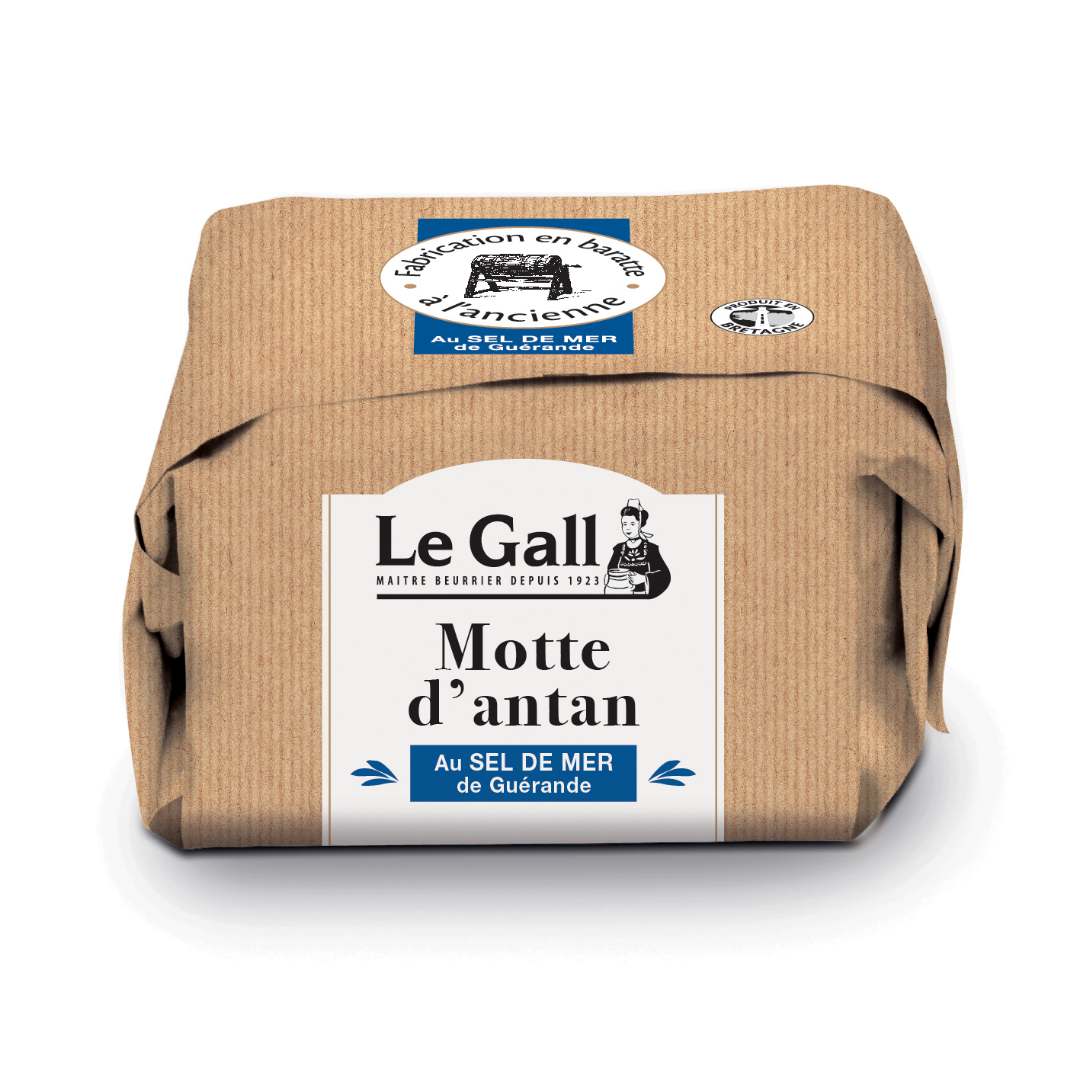
France – Motte d’Antan with Guérande sea salt 250G – Listeria monocytogenes

Gov france

Identification information of the recalled product

  • Product category Feed
  • Product subcategory Milk and dairy products
  • Product brand name The Gall
  • Model names or references Motte d’Antan with Guérande sea salt 250G
  • Identification of products
    GTIN Batch Date
    3252920011797 037 Date of minimum durability 04/27/2023
  • Marketing start/end date From 02/17/2023 to 02/27/2023
  • Storage temperature Product to be stored in the refrigerator
  • Health mark EN 29.232.093 EC
  • Geographic area of ​​sale Whole France
  • Distributors AUCHAN, CARREFOUR, INTERMARCHE, LECLERC, SAMADA

Practical information regarding the recall

  • Reason for recall Detection of Listeria Monocytogenes.
  • Risks incurred by the consumer Listeria monocytogenes (causative agent of listeriosis)

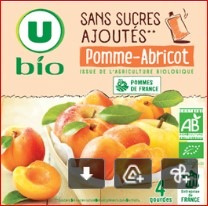
France – Organic compote gourds without added sugar 4x90g – Mycotoxin – Patulin

Gov france

Identification information of the recalled product

  • Product category Feed
  • Product subcategory Sweet products
  • Product brand name In BIO
  • Model names or references Organic strawberry apple gourds without added sugar 4x90g Apricot apple gourds without added sugar 4x90g Apple gourds without added sugar 4x90g Apple gourds without added sugar 12x90g
  • Identification of products
    GTIN Lot Date
    3256226396817 L9450 Date of minimum durability 31/10/2023
    3256226396848 L9423 Date of minimum durability 31/10/2023
    3256226396831 L9282 Date of minimum durability 31/10/2023
    3256226396862 L9283 Date of minimum durability 31/10/2023
  • Packaging Gourds 90 g
  • Storage temperature Product to be stored in the refrigerator
  • Health mark EMB84080E
  • Geographic area of ​​sale Whole France
  • Distributors Magasins U

Practical information regarding the recall

  • Reason for recall Physico-chemical risk
  • Risks incurred by the consumer Patulin

UK – Update 1: The Old Cheese Room extends recalls of Baronet, Baby Baronet and Mini Baronet Soft Cheese because of the presence of Listeria monocytogenes

FSA

The Old Cheese Room is extending its recall of Baronet, Baby Baronet and Mini Baronet Soft Cheeses because Listeria monocytogenes has been found in some batches of these products. This PRIN is an update to include further dates and batch codes and replaces earlier PRINs.

Product details

Baronet Soft Cheese
Pack size 1kg
Best before 21 March 2023 11 April 2023 12 April 2023 18 April 2023
Baby Baronet Soft Cheese
Pack size 200g
Best before 22 March 2023 04 April 2023 10 April 2023 16 April 2023
Mini Baronet Soft Cheese
Pack size 270g
Best before 22 March 2023 10 April 2023 18 April 2023

Risk statement

The presence of Listeria monocytogenes in some batches of the products listed above.

Symptoms caused by this organism can be similar to flu and include high temperature, muscle ache or pain, chills, feeling or being sick and diarrhoea. However, in rare cases, the infection can be more severe, causing serious complications, such as meningitis.

Some people are more vulnerable to listeria infections, including those over 65 years of age, pregnant women and their unborn babies, babies less than one month old and people with weakened immune systems.

Action taken by the company

The Old Cheese Room is recalling the above products. Point of sale notices will be displayed where the products were sold. These notices explain to customers why the products are being recalled and tell them what to do if they have bought the products. Please see the attached notice.

France – Butter with salt crystals 250g – Listeria monocytogenes

Gov france

Identification information of the recalled product

  • Product category Feed
  • Product subcategory Milk and dairy products
  • Product brand name KER ARGOET
  • Model names or references Butter with salt crystals 250g
  • Identification of products
    GTIN Batch Date
    3701002403598 All lots Use-by date 04/17/2023
  • Marketing start/end date From 02/21/2023 to 03/15/2023
  • Storage temperature Product to be stored in the refrigerator
  • Health mark EN 22.232.093 EC
  • Geographic area of ​​sale Whole France
  • Distributors LARGE FRESH, FRESH, My Market

Practical information regarding the recall

  • Reason for recall detection of Listeria Monocytogenes.
  • Risks incurred by the consumer Listeria monocytogenes (causative agent of listeriosis)