RASFF – Mould in German Hazlenuts
RASFF – Enterobacteria in German dried bovine meat
RASFF – Salmonella Montivideo in Netherlands lamb meal.
RASFF – Histamine in frozen Indonesian tuna,

RASFF – Mould in German Hazlenuts
RASFF – Enterobacteria in German dried bovine meat
RASFF – Salmonella Montivideo in Netherlands lamb meal.
RASFF – Histamine in frozen Indonesian tuna,
Posted in Bacteria, Enterobacteriaceae, Eurofins Laboratories, Food Hygiene, Food Illness, Food Inspections, Food Poisoning, Food Safety, Food Safety Alert, Food Technology, Food Testing, Foodborne Illness, Histamine, Microbiology, Moulds, Pathogen, RASFF, Recall, Salmonella
Tagged enterobacteria, histamine, lamb meal, montivideo
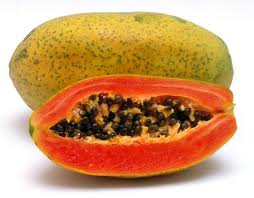
Caribe Produce LTD Co. of McAllen, TX, is recalling 286 cases of Papaya Maradol, Caribeña Brand papayas packed in 35 lb. cartons marked with the brand “ Caribeña “ and “ Product of Mexico” stamped on the side.
These papayas have the potential to be contaminated with Salmonella, an organism which can cause serious and sometimes fatal infections in young children, frail or elderly people, and others with weakened immune systems. Healthy persons infected with Salmonella often experience fever, diarrhea (which may be bloody), nausea, vomiting and abdominal pain. In rare circumstances, infection with Salmonella can result in the organism getting into the bloodstream and producing more severe illnesses such as arterial infections (i.e., infected aneurysms), endocarditis and arthritis.
The recalled Papaya Maradol, Caribeña Brand cases were distributed in the Bronx, New York in wholesale stores and through retail stores from May 14th, 2012 to May 17th, 2012.
No illnesses have been reported to date in connection with this problem.
The potential for contamination was noted after routine testing by the company revealed the presence of Salmonella in the product.
These are 10 things you should know if your child has an E. coli infection or has been diagnosed with HUS:
It should be noted that a closely related illness, thrombotic thrombocytopenic purpura (TTP), is also caused by infection with Shiga-toxin producing E. coli (generally E. coli O157). In adults, the diagnosis for E. coli victims with kidney failure is often TTP-HUS and often involves neurological problems, including stroke, that result in permanent brain damage.
Massachusetts health officials are warning that oysters harvested from Cape Cod Bay may be contaminated with Vibrio parahaemolyticus, a bacteria that causes about 4,500 cases of foodborne illness every year.
That area has tidal flats with shallow water that can become very warm during the day. In just the right conditions of warm temperatures and the water’s salt content, the bacteria grows very quickly in the shellfish. Then when those oysters are eaten raw or undercooked, the bacteria can make people sick.
The Food Standards Agency has published 10 short videos to help caterers produce food safely. Each video is about a minute long and covers specific food hygiene practices.
These training resources are designed to illustrate messages within the ‘Safer food, better business’ packs and they follow the same innovative and practical approach to food safety management as the packs.
The videos provide best practice guidance on a number of potential food safety issues, such as:
The films are being used as part of a training programme, funded by the Agency, to coach catering businesses in Olympic host boroughs in order to help raise standards and compliance levels.
The videos are available via the Agency’s YouTube channel.
Area 23, a shellfish harvesting zone off the Louisiana coast roughly equal in size to the city of New Orleans, was closed this week after health officials linked a norovirus outbreak to its oysters.
An investigation into the outbreak that sickened 14 people who ate oysters at a Louisiana restaurant determined that the oysters were tainted before they arrived at the restaurant. Health officials issued a recall of the oysters and the temporary closure of Area 23.
New York State Agriculture Commissioner Darrel J. Aubertine today alerted consumers that Mazowsze Deli Inc., 420 Church Avenue, Brooklyn, New York 11218 is recalling (sliced) Herring due to Listeria monocytogenes contamination.
The recalled in-store packed (sliced) Herring comes in an un-coded, one pound clear plastic container with a plastic lid. The Herring was sold from the deli’s retail location at 420 Church Avenue in Brooklyn only.
The recall was initiated after routine sampling by New York State Department of Agriculture & Markets Food Inspectors and subsequent analysis of the product by New York State Food Laboratory personnel, found Listeria monocytogenes present in the product.
No illnesses have been reported to date in connection with this problem. Consumers who have purchased the Herring should not consume it, but should discard the product or return it to Mazowsze Deli.
Posted in Bacteria, Eurofins Laboratories, Food Illness, Food Poisoning, Food Safety, Food Testing, Foodborne Illness, Microbiology, Salmonella, Spores
Tagged food

Raw milk, raw skim milk (non-fat), raw cream and raw butter produced by Organic Pastures Dairy of Fresno County is the subject of a statewide recall and quarantine order announced by California State Veterinarian Dr. Annette Whiteford. The quarantine order came following the confirmed detection of campylobacter bacteria in raw cream.
Consumers are strongly urged to dispose of any Organic Pastures products of these types remaining in their refrigerators, and retailers are to pull those products immediately from their shelves.
From January through April 30, 2012, the California Department of Public Health (CDPH) reports that at least 10 people with campylobacter infection were identified throughout California and reported consuming Organic Pastures raw milk prior to illness onset. Their median age is 11.5 years, with six under 18. The age range is nine months to 38 years. They are residents of Fresno, Los Angeles, San Diego, San Luis Obispo and Santa Clara counties. None of the patients have been hospitalised, and there have been no deaths.