Category Archives: Food Hygiene

Research – Occurrence, serotypes, and characteristics of Listeria monocytogenes in meat and meat products in South Africa between 2014 and 2016

Wiley Online

Abstract

Listeria monocytogenes is an intracellular pathogen that causes life‐threatening disease called listeriosis. However, in South Africa (SA), there is a dearth of information concerning the potential role of meat and meat products as potential sources for human listeriosis. The aim of the study was to determine the occurrence and level of L. monocytogenes found in meat and meat products in SA and to characterize L. monocytogenes strains according to serogroups, antimicrobial resistance profiles and virulence genes. A total of 2,017 samples from imported and locally produced raw, processed and ready to eat meat were collected from 2014 to 2016 across nine provinces of SA. The samples for L. monocytogenes were isolated using microbiological techniques and real‐time polymerase chain reaction (PCR). Antimicrobial resistance profiles of the isolates were determined by testing 19 antimicrobial impregnated discs using Kirby–Bauer disc diffusion method. Characterization in terms of serogroup typing and virulence profiling was done using conventional PCR. The overall occurrence of L. monocytogeneswas 14.7% (296/2,017), which varied between meat collected on the domestic market (15.0%; 264/1,758) and directly at the three ports of entries (12.4%; 32/259). The contamination level of the positive samples ranged from 1 to 3.7 log CFU/g and 1 to 4.1 log CFU/g for samples collected from the domestic and imported meat, respectively. All positive isolates were serotyped by multiplex PCR, of which majority of the isolates belonged to molecular serogroup ½a‐3a (45.5%), followed by 4b‐4d‐4e (24.2%), and ½c‐3c (15.2%). Most of the isolates harbored the inlJ (98.7%) and ipa (95.6%) genes. However, at least one of the other internalin genes (inlB, inlC, and inlA) was present in most of the isolates. All the tested isolates showed resistance to at least 3 of the 19 antibiotics, with 5 (1.7%) of them displaying resistance to 13 of the 19 antibiotics. Resistance to streptomycin (99.0%), clindamycin (97.3%), fusidic acids (95.6%), nitrofurantoin (79.7%), and gentamycin (74.4%) was observed while high rates of sensitivity were observed for ampicillin (85.6%), kanamycin (84.6%), amikacin (77.6%), vancomycin (74.2%), and tetracycline (62.5%). The presence of L. monocytogenes in various meat products in SA pose a risk to human health. Therefore, the present research provides valuable baseline information that will help in the development of policies and regulations for monitoring of L. monocytogenes in meat and meat products in SA.

Practical applications

This study is extensive and involved analysis of meat and meat products from all the nine provinces of South Africa. Furthermore, the study involved analysis of imported meat (from the three major ports of entry) that was destined for the South African market. The findings that were obtained are significant from academic, policy, and practical points of view. The findings provide empirical evidence of the contamination of a proportion of raw intact, raw processed, and ready‐to‐eat meat and products that are available on the South African market. Furthermore, our findings illustrate the levels of contamination, which is important for providing guidelines with respect to L. monocytogenescontamination of meats. Information of the predominant L. monocytogenes serotypes from this study provide important epidemiological data of the strains that are circulating in meat and meat products. The antimicrobial resistance results are important for contributing to guidelines on antimicrobial use.
UK – The Condiment Company recalls Hunter & Gather Avocado Oil Mayonnaise due to a lack of microbiological controls – Clostridium botulinum

FSA

The Condiment Company Ltd is recalling Hunter & Gather Avocado Oil Mayonnaise because of concerns over the company’s procedures in place to control Clostridium botulinum.

Product details

Hunter & Gather Avocado Oil Mayonnaise

Pack size 250g
Batch code 25/09/19
Best before 25 September 2019

No other The Condiment Company products are known to be affected.

Risk statement

Manufacturing controls that could potentially affect the safety of the product listed above could not be demonstrated satisfactorily by the company. The issue relates to controlling factors to prevent the growth and toxin production of Clostridium botulinum.

Botulinum toxin may cause a serious form of food poisoning called botulism and can be fatal.

A recall from customers is being carried out as a precautionary measure.

Action taken by the company

The Condiment Company Ltd is recalling the above product. Point of sale notices will be displayed in all retail stores that are selling this product. These notices explain to customers why the product is being recalled and tell them what to do if they have bought the product. Please see the attached notice.

Our advice to consumers

If you have bought any of the above product do not eat it. Instead, return it to the store from where it was bought for a full refund.

Research – Antifungal Effect of Camellia Seed Cake Extract on Aspergillus flavus

Journal of Food Protection

Aspergillus flavus is a well-known, widespread fungus that contaminates a great number of crops used for human and animal consumption, but previous study showed that camellia seed cake was not susceptible to A. flavus. This study was designed to evaluate the antifungal effect of the active substance in camellia seed cake on the growth and production of aflatoxins of A. flavus. Eighty percent methanol extracts of camellia seed cake showed greater activity than that of 80% ethanol, ethyl acetate, and pure water against A. flavus. The filtrate from the 80% methanol extract was extracted with ethyl acetate and saturated n-butanol; among the extracts, the n-butanol phase exhibited strong inhibitory activity against A. flavus. The inhibitory zone diameter increased from 15.25 mm at 25 mg/mL concentration up to 22.00 mm at 100 mg/mL concentration. The mycelial dry weight was reduced significantly from 0.16 g at 25 mg/mL to 0.11 g at 100 mg/mL, whereas the aqueous and ethyl acetate phases exhibited weak antifungal activity and no activity, respectively. In addition, the n-Butanol phase inhibited the production of aflatoxin B1 effectively, caused mycelia deformity, and reduced the production of conidia. n-Butanol extract of camellia seed cake exhibited apparent antagonistic effect on the growth and aflatoxin production of A. flavus. The concentration of 100 mg/mL worked best. This study provides a scientific basis for further study of its inhibiting mechanism.

USA – Southern Specialties Voluntarily Recalls Bagged Green Beans and Butternut Squash Distributed in Southeast because of Possible Health Risk – Listeria monocytogenes

FDA

Southern Specialties Inc. of Pompano Beach, Florida is voluntarily recalling select bags of Marketside brand green beans and butternut squash because they have the potential to be contaminated with Listeria monocytogenes, an organism which can cause serious and sometimes fatal infections in young children, frail or elderly people, and others with weakened immune systems. Although healthy individuals may suffer only short-term symptoms such as high fever, severe headache, stiffness, nausea, abdominal pain and diarrhea, Listeria infection can cause miscarriages and stillbirths among pregnant women.

The company shipped the recalled product to one retail distribution center. Although most of the product was retrieved before distribution to retail stores, some product shipped on February 17th may have reached select stores in Alabama, Florida, Georgia, Kentucky, Mississippi, North Carolina, South Carolina, Tennessee and Virginia. So, in an abundance of caution, we are issuing this public announcement.

To date, Southern Specialties has not been informed of any illnesses associated with this recall.

This recall was voluntarily issued after a raw material supplier notified the company that it was issuing a recall after a routine test of a food contact surface tested positive for the bacterium. As a precautionary measure, Southern Specialties is recalling all products that were repacked at its facility on the same repacking line as the supplier’s product. None of the products have tested positive.

The company is carrying out this recall with the knowledge of the U.S. Food & Drug Administration.

Scotland -Legionnaires’ disease in travellers returning from Goa, India

HPS

Public Health England (PHE) have reported seven cases of Legionnaires’ disease in UK travellers who visited Goa since November 2018, a small increase in cases compared to previous years.

Legionnaires’ disease is more dangerous to people with underlying medical conditions and travellers staying in poorly maintained hotels or apartments. Although the risk to travellers to Goa is considered to be low, anyone who develops an influenza-like illness with fever, cough or shortness of breath during their stay or up to two weeks after returning home, are advised to seek prompt medical advice. They should ask the healthcare professional about Legionnaire’s disease and say where they have been.

Further information and advice on travel to Goa is available to view on the Travax (for health professionals) and fitfortravel (for the general public) websites.

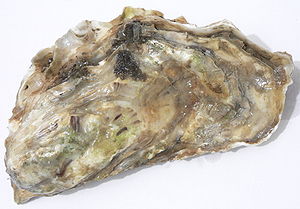
Hong Kong – Suspension of import and sale of raw oysters harvested in zone 56.09.3, Morbihan Department, France – Norovirus

CFS Vibrio

Issue Date 23.2.2019
Source of Information Centre for Food Safety
Food Product Raw oysters
Product Name and Description Raw oysters harvested in zone 56.09.3, Morbihan Department, France
Reason For Issuing Alert
  • The CFS received a notification from the Rapid Alert System for Food and Feed (RASFF) of the European Commission that raw oysters harvested in abovementioned area in France which were suspected to be contaminated with norovirus was under recall. According to the information provided by RASFF, a local importer, Tasty Seafood and Fine Food Limited, had imported the raw oysters concerned.
  • The CFS immediately contacted the importer concerned for follow-up and the importer confirmed that it had imported the affected oysters.
  • Preliminary investigation by CFS found that 135 kilograms of the affected oysters were imported by the importer and some were distributed.
Action Taken by the Centre for Food Safety
  • For the sake of prudence, the CFS has immediately suspended the import into and sale within Hong Kong of raw oysters harvested in the area concerned.
  • The CFS has instructed the importer to stop sale and remove from shelves the affected product, and initiate a recall.
  • The CFS will inform the French authorities of the import suspension and notify the local trade.
  • The CFS will continue to follow up on the incident and take appropriate action to safeguard food safety and public health.
Advice to the Trade
  • Stop selling the affected product.
Advice to Consumers
  • Regardless of the season or the region in which the oysters are harvested, consuming oysters, particularly raw or partially cooked ones, carries an inherent food safety risk.
  • Susceptible groups, such as pregnant women, young children, the elderly and people with weakened immune systems or liver diseases, should avoid eating raw oysters.
  • Members of the public may call the importer’s hotline at 3590 4849 during office hours to enquire about the recall.
Further Information The CFS press release

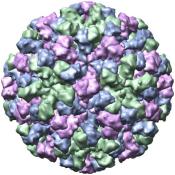
USA – Yet Another Cruise Ship with Norovirus ? 91 sickened on Princess Cruises Island Princess; Samples sent for Norovirus testing

Outbreak News Today Norwalk_Caspid

Federal health officials reported another cruise ship outbreak this week. According to officials, 91 passengers and crew onboard the Princess Cruises February 8–18, 2019 Island Princess voyage were stricken with symptoms of vomiting and diarrhea.


USA- Outbreak of Multidrug-Resistant Salmonella Infections Linked to Raw Chicken Products Final Update

CDC

Final Outbreak Information
At A Glance
  • As of February 21, 2019 this investigation is over.
  • A total of 129 people infected with the outbreak strain of Salmonella Infantis were reported from 32 states.
    • Twenty-five people were hospitalized. One death was reported from New York.
  • Epidemiologic and laboratory evidence indicated that many types of raw chicken products from a variety of sources are contaminated with Salmonella Infantis and are making people sick.
    • In interviews, ill people reported eating different types and brands of chicken products purchased from many different locations.
    • The outbreak strain was identified in samples taken from raw chicken products, raw chicken pet food, and live chickens.
  • Antibiotic resistance testing conducted by CDC on Salmonella bacteria isolated from ill people showed that the outbreak strain is resistant to multiple antibiotics. For more information read the advice to clinicians.
  • A single, common supplier of raw chicken products or of live chickens was not identified.
  • The outbreak strain of Salmonella Infantis is present in live chickens and in many types of raw chicken products, indicating it might be widespread in the chicken industry. CDC and USDA-FSIS shared this information with representatives from the chicken industry and requested that they take steps to reduce Salmonella contamination.

Hong Kong – Not to consume a batch of bottled salted egg paste suspected to contain excessive Staphylococcus aureus

CFS Staph

Issue Date 21.2.2019
Source of Information Food Safety Centre, Macau
Food Product Bottled salted egg paste
Product Name and Description Product name: Salted Egg Paste

Brand: English name not available

Place of origin: China

Distributor: Un Chi Enterprise Development Company

Net weight: 180 g per bottle

Best-before date: October 25, 2019

Reason For Issuing Alert
  • The Centre for Food Safety (CFS) received a notification from the Food Safety Centre, Macau, that a sample collected from the abovementioned salted egg paste imported from Hong Kong was detected with Staphylococcus aureus at a level of 150 000 organisms per gram, exceeding the standard of Macau. Under Hong Kong’s Microbiological Guidelines for Food, if ready-to-eat food contains Staphylococcus aureus and other coagulase-positive staphylococci at a level of more than 10 000 organisms per gram, it is also considered unsatisfactory.
  • The CFS immediately contacted the local distributor concerned for follow-up. According to the information provided by the distributor, the affected batch of product was available for sale in Hong Kong and had been sold out.
Action Taken by the Centre for Food Safety
  • The distributor concerned has initiated a recall according to CFS’ instructions.
  •  The CFS is also tracing the distribution of the product concerned.
  •  The CFS will alert the trade, continue to follow up on the incident and take appropriate action.
Advice to the Trade
  • Stop using or selling the product concerned immediately should they possess it.
Advice to Consumers
  • Not to consume the affected batch of product if they have bought it.
Further Information The CFS press release

Members of the public may call the distributor’s hotline at 2650 3802 during office hours for enquiries about the recall.

Ireland – Recall of Old Irish Creamery Cheese Irish Cheddar with Chilli Due to Presence of Listeria monocytogenes

FSAI

Chilli_Cheddar

Message:

JOD Food Products is recalling the above batch of its Old Irish Creamery Cheese Irish Cheddar with Chilli following detection of Listeria monocytogenes in the batch. This batch of cheese was sold at Cork City Craft Fair on 24th-26th November 2018. Samples were also available at the craft fair.

Nature Of Danger:

Symptoms of Listeria monocytogenes infection can include vomiting, nausea, persistent fever, muscle aches, severe headache and neck stiffness.  In rare cases, the infection can be more severe, causing serious complications, such as meningitis. Some people are more vulnerable to Listeria monocytogenes infections, including pregnant women, newborns, and people with weakened immune systems, including the elderly.

Action Required:

Consumers:

Consumers are advised not to eat the implicated batch of cheese. Consumers who may have already consumed it and are feeling unwell should seek medical advice.