Category Archives: food contamination

RASFF Alerts – Salmonella – Liquid Egg – Salted Chicken Half Breasts – Sesame Seeds – Sesame Paste with Pistachios

RASFF-Logo

RASFF-Salmonella (present /25g) in whole liquid egg from Ukraine, via Latvia in Hungary

RASFF-Salmonella (presence /25g) in frozen salted chicken half breasts from Brazil in the Netherlands

RASFF-Salmonella (in 1 out of 5 samples /25g) in sesame seeds from Nigeria in the Netherlands

RASFF-Salmonella (present /25g) in sesame paste with pistachio from Turkey in Germany

RASFF Alert -Food Poisoning suspected to be caused by not properly prepared Chickpeas and Beans

RASFF-Logo

RASFF-food poisoning suspected to be caused by not properly prepared chickpeas and beans with insufficient labelling from unknown origin, packaged and labelled in Sweden in Sweden

RASFF Alert – Food Poisoning suspected to be caused by Salmonella in Smoked Marlin

RASFF-Logo

RASFF-food poisoning suspected to be caused by Salmonella in smoked marlin from Italy with raw material from Spain in Italy

RASFF Alert – E.coli – Camembert Cheese

RASFF-Logo

RASFF-too high count of Escherichia coli (120000; 150000 CFU/g) in camembert cheese from Austria in Austria

RASFF Alert – Ochratoxin A – Parboiled Rice

RASFF-Logo

RASFF-ochratoxin A (13.6 µg/kg – ppb) in paraboiled rice from Sri Lanka in Switzerland

Canada – The Farm La Granja brand Queso ranchero fresco recalled due to E. coli O157:H7

CFIA

Recall details

Ottawa, October 9, 2018 – La Granja Foods is recalling The Farm La Granja brand Queso ranchero fresco from the marketplace due to possible E. coli O157:H7 contamination. Consumers should not consume the recalled product described below.

Recalled products

Brand Name Common Name Size Code(s) on Product UPC
The Farm La Granja Queso ranchero fresco 1 lb All Best Before Dates up to and including November 15, 2018 None

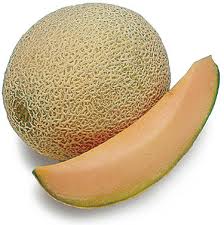
Australia – Rockmelon listeria investigation finds outbreak that killed seven largely caused by dust storms – Listeria monocytogenes

ABC Net catalopue

An investigation into a series of deaths linked to listeria on rockmelons has concluded the contaminated fruit came from a single farm in New South Wales, and the outbreak was largely caused by the weather.

Between January 16 and April 10, 22 cases of listeriosis occurred across New South Wales, Victoria, Queensland and Tasmania, which led to seven deaths and a miscarriage.

Key points:

  • The investigation found the farm that was the source of the outbreak had hygiene and sanitary procedures on par with or better than most rockmelon-growing operations
  • Dust storms that covered the farm’s paddocks significantly increased the amount of listeria on the fruit
  • There were other peripheral issues found in the packing facility that were not considered to be major underlying causes

A report released on Thursday by the NSW Department of Primary Industries confirmed those cases were all linked to consumption of rockmelon packed at Rombola Family Farms in Nericon, NSW.

USA – Flooding from Hurricane Michael creates food safety issues across South

Food Safety News

Strong winds and heavy rain continue to wreak havoc across parts of the South today as Hurricane Michael meanders out of Georgia and heads up the mid-Atlantic Coast.

In addition to the devastating damage that is immediately visible today, less obvious hazards in the wake of the massive storm are expected to last weeks. Food safety dangers come in various forms and can cause severe illnesses and deaths as floodwaters recede.

Among the most vulnerable foods are fresh fruits and vegetables. They are breeding grounds for pathogens when power outages cause the loss of refrigeration and temperature control. Fresh produce that comes into contact with floodwater can be instantly contaminated with a wide range of bacteria, viruses and parasites.

The toxic composition of floodwater is such a serious food safety hazard that federal law prohibits the sale, distribution or donation of any produce or other food crops from fields that are flooded. Special inspections are required before such crops can even be used for animal feed. 

USA Today

Hurricane Michael leaves behind a treacherous, dangerous landscape that will likely pose risks to human health for weeks to come, experts say.

The water itself can carry bacteria and viruses that pose a major health hazard.

Among the medical dangers are cholera, Hepatitis A and vibriosis, said Dr. Robert Glatter, an emergency room physician at Lenox Hill Hospital in New York City. Glatter said storm victims need to stay focused on staying healthy while they await recovery efforts. That may mean not rushing outside as soon as the skies clear.

“Don’t panic— try to take things one step at a time when you feel overwhelmed,” he said.

Australia – SA Health issue Listeria warning for silverside (beef)

Outbreak News Today

South Australians, particularly pregnant women, the elderly and those with weakened immune systems, are advised not to consume pre-packed sliced silverside purchased from Drakes Supermarkets following the detection of Listeria in the product.

SA Health’s Acting Executive Director of Public Health Services, Dr Chris Lease, said as yet there have been no cases of Listeria infection reported to SA Health linked to the product.

“Following detection of Listeria during routine testing, Drakes Supermarkets are working to remove any potentially affected product from supply today,” Dr Lease said.

“While we have not received notification of anyone contracting Listeria from the product, the infection can be extremely serious if it is contracted by the elderly, pregnant women or people with weakened immune systems.

South Korea – Man, 71, had hand amputated when skin started rotting 12 hours after eating sushi – Vibrio vulnificans

New England Journal of Medicine 

71-year-old man presented to the emergency department with a 2-day history of fever and excruciating pain in his left hand that had developed 12 hours after eating raw seafood. He had a history of type 2 diabetes mellitus and hypertension and was undergoing hemodialysis for end-stage renal disease. At the time of presentation, hemorrhagic bullae measuring 3.5 by 4.5 cm had developed on the palm of his left hand (Panel A), and erythematous swelling with confluent tense bullae and ecchymoses had developed on the dorsum of the hand and forearm (Panel B). Surgical intervention was performed urgently, and Vibrio vulnificus was isolated from the bullae. Postoperatively, the patient received intravenous ceftazidime and ciprofloxacin. V. vulnificus can cause skin infections after wound exposure to contaminated seawater, as well as primary septicemia through the consumption of contaminated raw or undercooked seafood. Patients with immunocompromising conditions, including chronic liver disease and cancer, are at increased risk for infection and complications. Despite treatment, the skin lesions progressed to deep necrotic ulcers, and amputation of the left forearm was performed 25 days after presentation. The patient did well after the surgery and was discharged home.