Category Archives: FDA

USA – WARNING LETTER Jimmy John’s Franchise, LLC – STEC E.coli

FDA

Dear Mr. North:

The U.S. Food and Drug Administration (FDA), along with the Centers for Disease Control and Prevention (CDC), and state and local partners, have collaboratively investigated several outbreaks linked to Jimmy John’s restaurants.  In this letter we detail evidence from five outbreaks, including the most recent outbreak in the state of Iowa during December 2019 of human infections with Escherichia coli O103.  The evidence demonstrates that your corporation, through your franchised Jimmy John’s restaurants, engaged in a pattern of receiving and offering for sale adulterated fresh produce, specifically clover sprouts and cucumbers.

USA – Outbreak Investigation of E. coli O103: Clover Sprouts (February 2020)

FDA

February 26, 2020

Case Counts

Total Illnesses: 14
Hospitalizations: 0
Deaths: 0
Last illness onset: February 11, 2020
States with Cases: IA (3), IL (6), MO (1), TX (1), UT (3)

Recommendation

FDA, along with CDC and state and local partners, are investigating an outbreak of 14 illnesses caused by E. coli O103 in Iowa, Illinois, Missouri, Texas and Utah. CDC is reporting that the epidemiologic evidence indicates that clover sprouts from Jimmy John’s restaurants are a likely source of this outbreak.

The CDC is recommending that consumers who have recently eaten clover sprouts on a sandwich from Jimmy John’s restaurants and who are experiencing symptoms of E. coli infection, such as severe stomach cramps, diarrhea, fever, nausea, and/or vomiting, should contact their doctor and report their illness to their local health department. If consumers have a leftover sandwich with clover sprouts from Jimmy John’s, do not eat it and throw it away.

Generally, it is recommended that children, the elderly, pregnant women, and persons with weakened immune systems should avoid eating raw sprouts of any kind.

Jimmy John’s LLC reported that all of its restaurants stopped serving clover sprouts on February 24, 2020. At this time, clover sprouts should not be available at Jimmy John’s.

FDA has activated a team to coordinate this outbreak investigation. This team is currently collecting records and initiating a traceback investigation to determine the source of the clover sprouts. Authorities are investigating whether implicated sprouts have been distributed elsewhere and will continue monitoring for additional illnesses.

Background

On February 21, 2020, the FDA issued a warning letter to Jimmy John’s Franchise LLC for engaging in a pattern of receiving and offering for sale adulterated fresh produce, specifically clover sprouts and cucumbers. On February 24, 2020, Jimmy John’s reported to FDA that they had removed sprouts from their restaurants.

The warning letter lays out evidence from five outbreaks, including recent outbreaks in the state of Iowa during November and December 2019, of human infections with Escherichia coli O103, a Shiga toxin producing Escherichia coli (STEC) linked to sprouts.

These 14 illnesses are new and are not associated with the outbreaks mentioned in the Jimmy Johns warning letter. FDA will continue its investigation and provide updates as more information becomes available.

USA – Outbreak Investigation of Salmonella Javiana: Fruit Mix (December 2019)

FDA

Case Counts

Total Illnesses: 165
Hospitalizations: 73
Deaths: 0
Last illness onset: January 11, 2020
States with Cases: CA, CO, CT, DE (49), FL, GA, IL, MA, MN, NJ (50), NY (7), PA (49), VA, WA

February 18, 2020

Update

FDA, CDC and state and local partners investigated an outbreak of illnesses caused by Salmonella Javiana. Epidemiologic and traceback evidence indicated that fruit mix with cantaloupe, honeydew, pineapple, and grapes from Tailor Cut Produce of North Brunswick, New Jersey, was the source of this outbreak. CDC has announced this outbreak is over. The FDA’s investigational activities, including an inspection, are complete.

The firm recalled the fruit mix, called Fruit Luau, as well as cut honeydew, cut cantaloupe and cut pineapple products on December 7. The FDA recommended that food service and institutional food operators not sell or serve the recalled products.

In interviews, ill people reported eating cut fruit that was served in the week before illness started. Ill people reported eating cut fruit that was served in long-term care facilities, hospitals, hotels, schools, or universities. Several ill people also reported purchasing cut fruit from multiple locations of a grocery store chain. A review of records determined that these locations served or sold cut fruit from Tailor Cut Produce.

The FDA worked with CDC and state partners to trace back the cut fruit and learn more about the potential routes of contamination. Tailor Cut Produce was identified as the common processor, but the source of the contamination was not identified. When FDA did an inspection at Tailor Cut Produce, the inspectors observed these general deficiencies: the firm’s hazard analysis did not identify a known or reasonably foreseeable hazard that required a preventive control; the firm did not identify a preventive control for a hazard when one was needed; and the firm did not maintain the plant in a clean and sanitary condition and keep the plant in repair. The firm is working with the FDA to address the deficiencies.

As of February 14, 2020, CDC is reporting 165 illnesses were confirmed by Whole Genome Sequencing (WGS) in CA, CO, CT, DE, FL, GA, IL, MA, MN, NJ, NY, PA, VA, and WA. Illnesses were reported from states where Tailor Cut Produce distributes, including Pennsylvania, New York City, New Jersey, and Delaware. Ill people from other states reported traveling to these states in the week before their illness started.

USA – Salud Natural Entrepreneur Inc. Recalls Nopalina Flax Seed Fiber Powder and Nopalina Flax Seed Fiber Capsules Because of Possible Health Risk – Salmonella

FDA

Salmonellaa

Image CDC

Salud Natural Entrepreneur, Inc. of Waukegan, IL is voluntarily recalling Nopalina Flax Seed Fiber (powder) and Nopalina Flax Seed Fiber (capsule) products due to possible Salmonella contamination in one of the ingredients used on the formula of Nopalina Flax Seed Fiber. Salmonella is an organism which can cause serious and sometimes fatal infections in young children, frail or elderly people, and others with weakened immune systems. Healthy persons infected with Salmonella often experience fever, diarrhea (which may be bloody), nausea, vomiting and abdominal pain. In rare circumstances, infection with Salmonella can result in the organism getting into the bloodstream and producing more severe illnesses such as arterial infections (i.e., infected aneurysms), endocarditis and arthritis. Consumers of these products who are experiencing symptoms of Salmonella should contact their health care provider. To date, there are no reports of illnesses associated with the products.

Nopalina Flax Seed products are distributed throughout the United States and Puerto Rico via retail stores and the company’s web site https://www.nopalinaonline.com/External Link Disclaimer

The following lot numbers are affected by this recall (the lot numbers can be found on the bottom back of the product label):

Nopalina Flax Seed Fiber (powder, 1 lb. bags) UPC 890523000720

  • Lot # 62.19 / 9 # 52.1 Best if used by 10/7/21
  • Lot # 62.19 / 2 # 52.1 Best if used by 10/7/21

Nopalina Flax Seed Fiber (powder, 1 lb. bags) UPC 890523000720

  • Lot # 64.19 / 3 # 52.1 Best if used by 10/21/21

Nopalina Flax Seed Fiber (powder, 1 lb. bags) UPC 890523000720

  • Lot # 65.19 / 1 # 52.1 Best if used by 10/24/21
  • Lot # 65.19 / 2 # 52.1 Best if used by 10/24/21

Nopalina Flax Seed Fiber (powder, 2 lb. bags) UPC:890523000843

  • Lot # 64.19 / 2 # 52.1 Best if used by 10/21/21
  • Lot # 64.19 / 2 * 2Lb # 52.1 Best if used by 10/21/21

Nopalina Flax Seed Fiber (capsules, 120 count) UPC 890523000867

  • Lot # 23.19 1C120 # 07 Best if used by 10/7/21
  • Lot # 23.192C120 # 02 Best if used by 10/7/21
  • Lot # 23.19 / 2C120 # 02 Best if used by 10/7/21
  • Lot # 23.19.2C120 # 02 Best if used by 10/7/21
  • Lot # 23.19.3C120 # 02 Best if used by 10/7/21

This recall is being made with the knowledge of the Food and Drug Administration.

The recall is the result of an FDA sampling of senna leaves powder, an ingredient used to manufacture the Nopalina Flax Seed Fiber (powder) and Nopalina Flax Seed Fiber (capsules), that tested positive for three types of Salmonella including Salmonella Gaminara, Salmonella Kentucky, and Salmonella Oranienburg. The company has ceased the use of the suspect ingredient.

We care deeply about the health of all of our consumers and are committed to providing with safe and high quality products. Salud Natural Entrepreneur, Inc. has identified and isolated the ingredient to prevent this from happening again.

Consumers who have purchased Nopalina Flax Seed Powder and Nopalina Flax Seed Capsules having the lot numbers listed above should not consume them and are urged to return it to the place of purchase for a full refund.

Consumers with questions may contact the company at 877-296-6845 (Monday to Friday 9am-5pm) or can go to our site: https://www.nopalinaonline.com/certificate/External Link Disclaimer

Symptoms of salmonellosis

Salmonella are a group of bacteria that can cause gastrointestinal illness and fever called salmonellosis. Most people infected with Salmonella begin developing symptoms 12 to 72 hours after infection. The illness usually lasts four to seven days and most people recover without treatment.

Most people with salmonellosis develop diarrhea, fever, and abdominal cramps. More severe cases of salmonellosis may include a high fever, aches, headaches, lethargy, a rash, blood in the urine or stool, and in some cases may become fatal.

Children younger than five, the elderly, and people with weakened immune systems are more likely to have severe salmonellosis infections.

USA – Public Health Alert Concerning Nopalina Flax Seed Powder and Nopalina Flax Seed Capsules and Salmonella Contamination

FDA

Audience

Consumers who have purchased Nopalina Flax Seed Fiber (powder) and Nopalina Flax Seed Fiber (capsules) manufactured by Salud Natural Entrepreneur, Inc. with the specific lot numbers listed below.

Products

Nopalina Flax Seed Fiber (powder) and Nopalina Flax Seed Fiber (capsules) with lot numbers (Product Image):

Nopalina Flax Seed Fiber (powder, 1 lb. bags)

  • Lot # 62.19/9#52.1 Best if used by 10/7/21
  • Lot # 62.19/2#52.1 Best if used by 10/7/21

Nopalina Flax Seed Fiber (powder, 1 lb. bags)

  • Lot # 64.19/3#52.1 Best if used by 10/21/21

Nopalina Flax Seed Fiber (powder, 2 lb. bags)

  • Lot # 64.19/2#52.1 Best if used by 10/21/21
  • Lot # 64.19/2*2Lb#52.1  Best if used by 10/21/21

Nopalina Flax Seed Fiber (powder, 1 lb. bags)

  • Lot # 65.19/1#52.1 Best if used by 10/24/21
  • Lot # 65.19/2#52.1 Best if used by 10/24/21

Nopalina Flax Seed Fiber (capsules, 120 count)

  • Lot # 23.19 1C120#07 Best if used by 10/7/21
  • Lot # 23.192C120#02 Best if used by 10/7/21
  • Lot # 23.19/2C120#02 Best if used by 10/7/21
  • Lot # 23.19.2C120#02 Best if used by 10/7/21
  • Lot # 23.19.3C120#02 Best if used by 10/7/21

The lot numbers can be found on the bottom back of the product label.

Purpose

The FDA is advising consumers to stop using Nopalina Flax Seed Fiber (powder) and Nopalina Flax Seed Fiber (capsules) identified by the lot numbers above due to possible Salmonella contamination. Consumers of these products who are experiencing symptoms of salmonellosis should contact their health care provider. To date, there are no reports of illnesses associated with the products.

Symptoms of salmonellosis

Salmonella are a group of bacteria that can cause gastrointestinal illness and fever called salmonellosis. Most people infected with Salmonella begin developing symptoms 12 to 72 hours after infection. The illness usually lasts four to seven days and most people recover without treatment.

Most people with salmonellosis develop diarrhea, fever, and abdominal cramps. More severe cases of salmonellosis may include a high fever, aches, headaches, lethargy, a rash, blood in the urine or stool, and in some cases may become fatal.
Children younger than five, the elderly, and people with weakened immune systems are more likely to have severe salmonellosis infections.

Summary of Problem and Scope

The FDA collected a product sample of senna leaves powder, an ingredient used to manufacture the Nopalina Flax Seed Fiber (powder) and Nopalina Flax Seed Fiber (capsules), that tested positive for three types of Salmonella including Salmonella Gaminara, Salmonella Kentucky, and Salmonella Oranienburg. The FDA notified the firm of the results. To date, we are not aware of illnesses linked to these products.

FDA Actions

The FDA intends to use all available tools to remove contaminated product from the market.

Recommendations for Consumers

Consumers who have these products should no longer use them. Consumers who have symptoms of salmonellosis should contact their health care provider to report their symptoms and receive care.

To report a complaint or adverse event (illness or serious allergic reaction), you can:

Visit www.fda.gov/fcic for additional consumer and industry assistance.

Additional Information


Nopalina Flax Seed Label Image
Nopalina Flax Seed Label and Ingredients Image

USA – Lipari Foods Issues Voluntary Recall Expansion on Additional Sandwiches Due to Potential Contamination of Listeria Monocytogenes

FDA

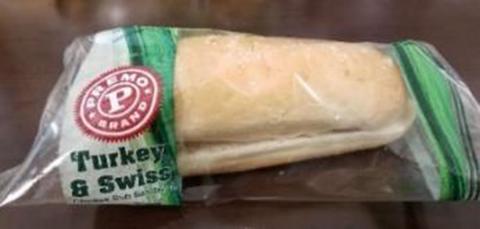
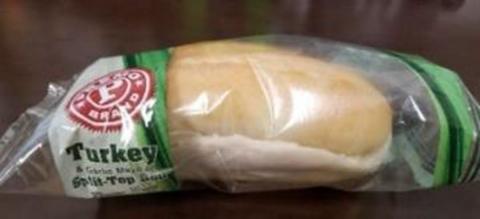
Lipari Foods is expanding its January 6, 2020 and January 13, 2020 recalls of Premo and Fresh Grab sandwiches to include all sandwiches with a Best By date of 2/6/20 and prior, due to potential contamination of Listeria monocytogenes.

The products were distributed exclusively by Lipari Foods in Warren, Michigan to food service and retail stores throughout Alabama, Florida, Iowa, Illinois, Indiana, Kentucky, Maryland, Michigan, Minnesota, Missouri, Ohio, Pennsylvania, Tennessee, West Virginia, and Wisconsin.

This recall was brought to our attention by JLM, who is further expanding their recent recall to include additional sandwiches with additional Best Buy dates due to potential contamination of Listeria monocytogenes. The company has ceased production at the producing facility while continuing to work in close collaboration with the FDA to further investigate the issue. No illnesses have been reported to date in relation to this recall.

Lipari Foods began shipping this product on December 20, 2019

Consumers who have purchased these recalled products should not consume them. Consumers should discard the products or return them to the point of purchase. Consumers with questions should call Customer Service at 800-729-3354, 8:15 am – 4:30 pm, EST, Monday through Friday.

Link to 1st Expanded Recall

Link to Original Recall

USA – Statement on the Salinas-linked romaine lettuce E. coli O157:H7 outbreak and status update on investigation

FDA

The U.S. Food and Drug Administration, along with the U.S. Centers for Disease Control and Prevention and state and local partners, previously reported on Dec. 12 that public health experts were tracking three separate outbreaks linked to romaine lettuce caused by three different strains of E. coli O157:H7. We also reported that, through the FDA’s traceback investigation, we were able to identify a common grower between each of these outbreaks in Salinas, California based on available supply chain information.

Today, the FDA is providing an update on the status of the E. coli O157:H7 illnesses linked to romaine lettuce, along with recent findings based on our investigation of fields linked to a common grower, which was identified in our traceback. It should be noted that romaine from this grower does not explain all of the illnesses seen in these outbreaks.

Outbreaks declared over, consumer advisory lifted

The FDA is lifting the consumer advisory to avoid romaine lettuce from Salinas as the growing season for this region is over, and there is no longer a need for consumers to avoid it. There is also no need to avoid other produce products from Salinas.

The FDA and CDC have been tracking two multi-state romaine lettuce outbreaks. Today, federal health officials are declaring both multi-state romaine lettuce outbreaks over. One of the outbreaks sickened 167 people in 27 states. The other outbreak, linked to Fresh Express salad kits, sickened 10 people in five states.

There was also a third outbreak in Washington State that sickened 11 people. This outbreak has also been declared over.

The last reported illness onset date for all the outbreaks was Dec. 21. Based on this information, it appears that our Nov. 22 advisory to not eat romaine from Salinas played an important role in preventing illnesses and containing this outbreak because it prompted the removal of romaine lettuce from Salinas from the marketplace and warned consumers to throw away romaine from that growing region.

Common grower, multiple fields investigated

The FDA traceback investigation for these outbreaks required investigators to go through hundreds of supply chain records to find a commonality to a single grower with multiple fields. We were able to narrow this down further to at least 10 fields in the lower Salinas Valley.

Investigators from the FDA, CDC, the California Department of Food and Agriculture and the California Department of Public Health, visited several of these fields and took a variety of samples from water, soil and compost. So far, sample results have come back negative for all of the three outbreak strains of E. coli O157:H7. However, we did find a strain of E. coli that is unrelated to any illnesses in a soil sample taken near a run-off point in a buffer zone between a field where product was harvested and where cattle are known to occasionally graze. This could be an important clue that will be further examined as our investigation continues. However, this clue does not explain the illnesses seen in these outbreaks.

Our investigation is ongoing, and we are doing everything possible to find the source or sources of contamination. The investigation into how this contamination occurred is important, so romaine growers can implement measures that will prevent future contamination and illnesses.

The FDA is planning to conduct an additional, in-depth, root-cause investigation. The investigation will further characterize how contamination might have occurred and will inform what preventive controls are needed to prevent future outbreaks. Once complete, we plan to issue a prompt report and share lessons learned, so that growers can implement best practices to protect consumers from contaminated produce.

Investigation will inform future prevention

As we mentioned in our last update, it is important to remember that millions of servings of fresh leafy greens are safely eaten every day by consumers, although the repeat nature of these outbreaks linked to leafy greens – and more specifically to romaine lettuce – remains a concern.

We are doing our part by continuing our sampling assignment to monitor for pathogens in romaine lettuce across the nation. Industry can and must do their part too. Everyone across the romaine supply chain must do everything possible to fully understand why and how these outbreaks keep happening and continue to aggressively implement preventive measures to further protect consumers.

Outbreaks illustrate need to stay focused on prevention

It’s critical that all stakeholders, including growers, processors, distributors and retailers, stay laser-focused on prevention to help bend the curve of foodborne illness. We understand the importance of food safety, and we know there’s a human face to every foodborne illness.

The FDA remains committed to doing everything we can to prevent outbreaks, working with fellow regulators and the food industry to identify and address causes and keep consumers aware of potential risks.

Rest assured that we are working hard every day to try to prevent foodborne illness. We also know that food safety is a shared responsibility. It involves food producers, distributors, manufacturers, retailers and certainly regulatory officials at the federal, state, local, territorial and tribal levels. That’s why we work directly with our partners on things such as training and inspections. We also work closely with industry, so they understand our requirements and are educated on the latest scientific standards and good agricultural practices. Working together, we have and will continue to advance food safety.

A New Era of Smarter Food Safety

While we will always place emphasis on prevention, being able to promptly respond to an outbreak when it occurs is a critical part of our food safety mission.

As public health agencies have gotten better at detecting foodborne illnesses, our ability to trace back to the source of contaminated foods that may have caused the illnesses has lagged, due in part to the lack of modernized food traceability capabilities.

As part of the FDA’s New Era of Smarter Food Safety initiative, we plan to use advances in technology to improve our ability to track and trace products through the supply chain. We’ll be launching a New Era of Smarter Food Safety Blueprint in early 2020 that will outline how we will advance our work in this area. This blueprint will help consumers get information more quickly, enabling people to better protect themselves and their families.

We look forward to continuing our work with growers, processors, distributors and retailers in our shared efforts to protect consumers, and we will continue to provide updated information as it becomes available.

The FDA, an agency within the U.S. Department of Health and Human Services, protects the public health by assuring the safety, effectiveness, and security of human and veterinary drugs, vaccines and other biological products for human use, and medical devices. The agency also is responsible for the safety and security of our nation’s food supply, cosmetics, dietary supplements, products that give off electronic radiation, and for regulating tobacco products.

USA – Outbreak Investigation of E. coli: Romaine from Salinas, California (November 2019)

FDA


Outbreak appears over; FDA investigation efforts continue.

Case Counts

Total Illnesses: 167
Hospitalizations: 85
Deaths: 0
Last illness onset: December 21, 2019

Recommendation

As of January 15, 2020, the CDC reports that the outbreak appears to be over. Contaminated romaine from the Salinas, CA growing region that made people sick in this outbreak is likely no longer available. Consumers need not avoid romaine lettuce, or any other produce, from the Salinas, CA growing area.

Update

FDA will continue its investigation into potential sources and contributing factors that led to the outbreak in order to inform future prevention efforts.

FDA, CDC, and California health and agriculture authorities concluded their investigation of the common grower noted as having supplied romaine lettuce linked to three concurrent outbreaks; this outbreak which includes cases in the U.S. and CanadaExternal Link Disclaimer; one outbreak in Washington state potentially linked to leafy greens; and the third outbreak, with cases in the U.S. and Canada, linked to Fresh Express Sunflower Crisp Chopped Salad Kits.

When investigators arrived on the ranches there was no romaine lettuce in the ground and the fields had been plowed, as the growing season had already ended. Investigators collected water, soil, and compost samples to be analyzed. So far, sample results have come back negative for the three outbreak strains of E. coli. FDA did find a strain of E. coli that is unrelated to any illnesses in a soil sample. This strain of E. coli was determined to be of low risk to people. Although this grower was determined to be a common supplier for all three outbreaks based on available supply chain information, the romaine lettuce from this grower does not explain all the illnesses seen in the three outbreaks.

The outbreak linked to Fresh Express Sunflower Crisp Chopped Salad Kits, with cases in the U. S. and Canada, was declared over by CDC on January 15, 2020. There are no products that caused these illnesses left on the market. The outbreak in Washington state sickened 11 people. This outbreak has also been declared over.

As part of FDA’s ongoing efforts to understand and prevent foodborne illnesses linked to leafy greens, the FDA will conduct a root cause investigation. The investigation will be conducted throughout this year’s romaine lettuce planting, growing, and harvesting season. Results will be shared publicly when the investigation and analysis are concluded.

FDA – Outbreak Investigation of E. coli: Salad Mix (December 2019)

FDA  ecoli

Outbreak linked to Fresh Express brand Sunflower Crisp Chopped Salad Kits appears over.

Total Illnesses: 10
Hospitalizations: 4
Deaths: 0
Last illness onset: November 16, 2019

Recommendation

As of January 15, 2020, the CDC reports that the outbreak appears to be over.

Contaminated Fresh Express Sunflower Crisp Chopped salad kits that made people sick in this outbreak are likely no longer available on the market.

Update

FDA will continue its investigation into the potential sources and contributing factors that led to the outbreak in order to inform future prevention efforts.

This outbreak, a Washington state outbreak potentially linked to leafy greens, and a larger multi-state outbreak linked to romaine lettuce from the Salinas, CA growing region with cases in the U.S. and CanadaExternal Link Disclaimer, all shared a common romaine lettuce supplier with ranches in Salinas, CA. Although this grower was determined to be a common supplier for all three outbreaks based on available supply chain information, the romaine lettuce from this grower does not explain all the illnesses seen in the three outbreaks.

FDA, CDC, and California partners investigated ranches used by the common grower in an attempt to identify the source of the contamination. When investigators arrived on the ranches there was no romaine lettuce in the ground and the fields had been plowed, as the growing season had already ended. Investigators collected water, soil, and compost samples and took them back to the lab for analysis. So far, sample results have come back negative for the three outbreak strains of E. coli. FDA did find a strain of E. coli that is unrelated to any illnesses in a soil sample. This strain of E. coli was determined to be of low risk to people.

As part of FDA’s ongoing efforts to understand and prevent foodborne illnesses linked to leafy greens, the FDA will conduct a root cause investigation. The investigation will be conducted throughout this year’s romaine lettuce planting, growing, and harvesting season. Results will be shared publicly when the investigation and analysis are concluded.

USA – Lipari Foods Issues Voluntary Recall Expansion on Additional Sandwiches Due to Potential Contamination of Listeria Monocytogenes

FDA

Company Announcement

Lipari Foods has issued a voluntary recall expansion of additional Premo and Fresh Grab sandwiches due to potential contamination of Listeria monocytogenesListeria monocytogenes is an organism, which can cause serious and sometimes fatal infections in young children, frail or elderly people, and others with weakened immune systems. Although healthy individuals may suffer only short-term symptoms such as high fever, severe headache, stiffness, nausea, abdominal pain and diarrhea. Listeria infection can cause miscarriages and stillbirths among pregnant women.

The product was distributed exclusively by Lipari Foods in Warren, Michigan to food service and retail stores throughout Florida, Illinois, Indiana, Kentucky, Maryland, Michigan, Minnesota, Ohio, Pennsylvania, Tennessee, West Virginia, and Wisconsin.

The affected product can be identified by:

Brand Product Lipari # Size Best By Date Lot # UPC
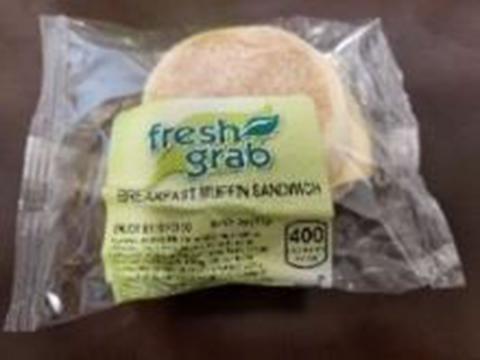
Fresh Grab Breakfast Muffin Sandwich 252153 6 oz. 1/23/2020 03202001 612510003039
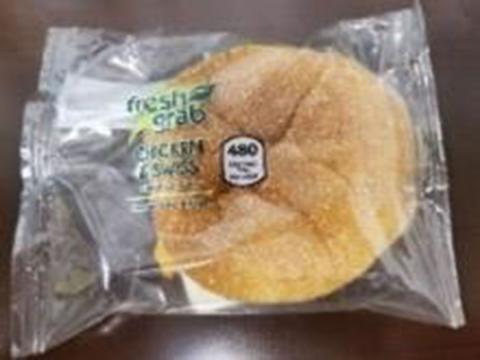
Fresh Grab Chicken & Swiss Sandwich 252204 5 oz. 1/23/2020 03202001 612510003213
Fresh Grab Turkey & Swiss Sandwich 251694 6 oz. 1/23/2020 03202001 612510001042
Premo Meat Lover’s Sub 970844 7 oz. 1/21/2020 03202001 612510093832
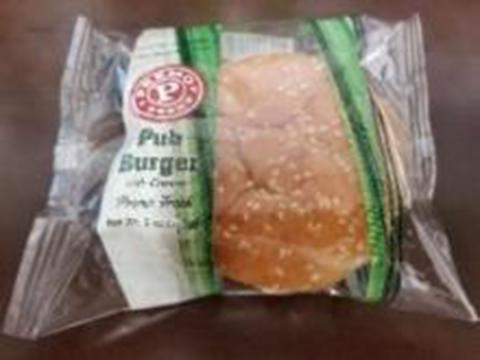
Premo Pub Burger 207970 5 oz. 1/23/2020 03202001 612510003015
Premo Turkey & Cheese on Pretzel Sub 996428 7 oz. 1/23/2020 03202001 612510094037
Premo Turkey & Swiss Sandwich 915537 6 oz. 1/23/2020 03202001 612510001042
Premo Turkey & Garlic Mayo Sandwich 207455 5 oz. 1/21/2020 03202001 612510088494

This recall was brought to our attention by JLM, who is expanding their recent recall to include additional sandwiches due to potential contamination of Listeria monocytogenes. No illnesses have been reported in relation to this recall.

Lipari Foods began shipping this product on January 3, 2020.

Consumers who have purchased these recalled products should not consume them. Consumers should discard the products or return them to the point of purchase. Consumers with questions should call Customer Service at 800-729-3354, 8:15 am – 4:30 pm, EST, Monday through Friday.

Original Recall

Product Photos