Deviating organoleptic characteristics and high levels of aerobic mesophilic germs and Enterobacteriaceae in frozen, raw cevapcici from Romania in Austria, Finland, France, Germany, Portugal, Romania, Switzerland.
KSWFoodWorld

Deviating organoleptic characteristics and high levels of aerobic mesophilic germs and Enterobacteriaceae in frozen, raw cevapcici from Romania in Austria, Finland, France, Germany, Portugal, Romania, Switzerland.
Enterobacteriaceae high count in dog chews from China in Spain
Product Category
Food
Product subcategory
Milk and dairy products
Product brand name
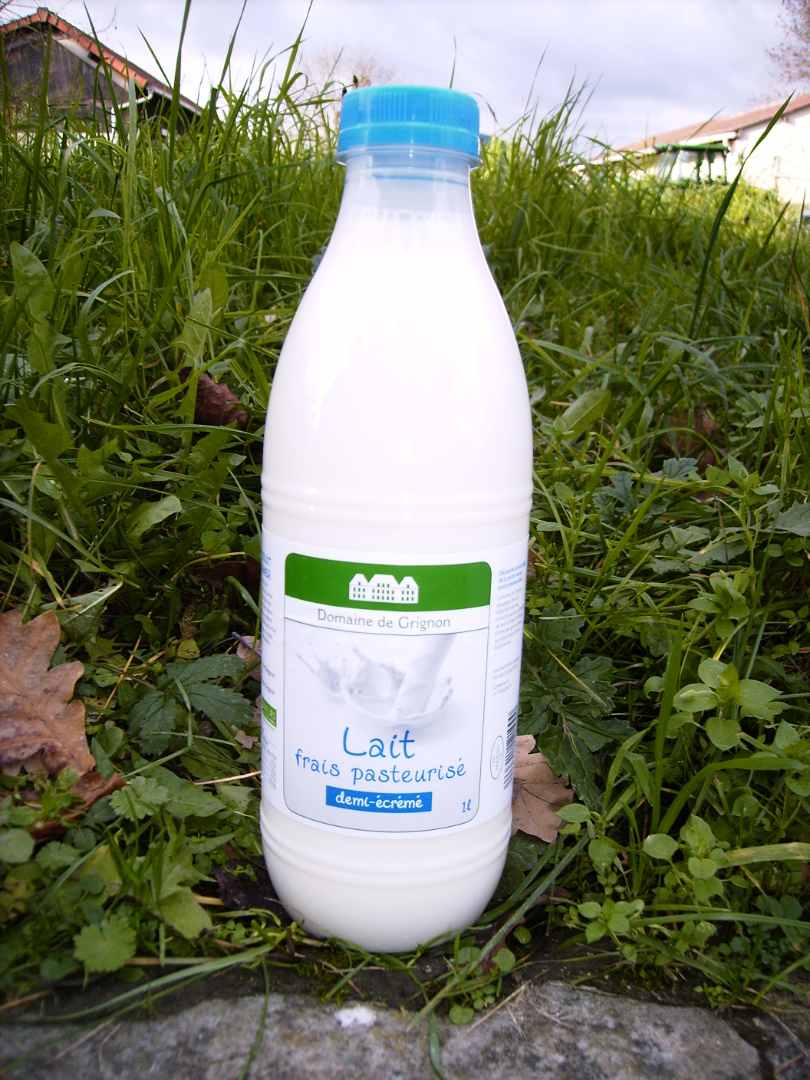
Grignon Estate
Model names or references
Fresh pasteurized semi-skimmed milk
Product identification
GTIN Batch Date
3426311121000 10/30/2024 Expiry date 10/30/2024
3426311121000 10/31/2024 Expiry date 10/31/2024
Packaging
In 1L plastic bottle
Start/End of marketing date
From 10/24/2024 to 10/26/2024
Storage temperature
Product to be kept in the refrigerator
Health mark
FR 78.615.001 CE
Geographic area of sale
Departments: EURE-ET-LOIR (28), PARIS (75), YVELINES (78), HAUTS-DE-SEINE (92)
Distributors
Marnière Plaisir Clos d’Alice Ferme St André Quatrehomme Fruits and Co Emery Verdot La Main Verte Boutique Gourmande GIE des EEA Fables and cheeses Mouffetard Lepic Dubois Dupleix Dubois Maubert Dubois Bastille Dubois Auteuil Cler Lasnier Cheese Factory
Product Category
Food
Product subcategory
Others
Product brand name
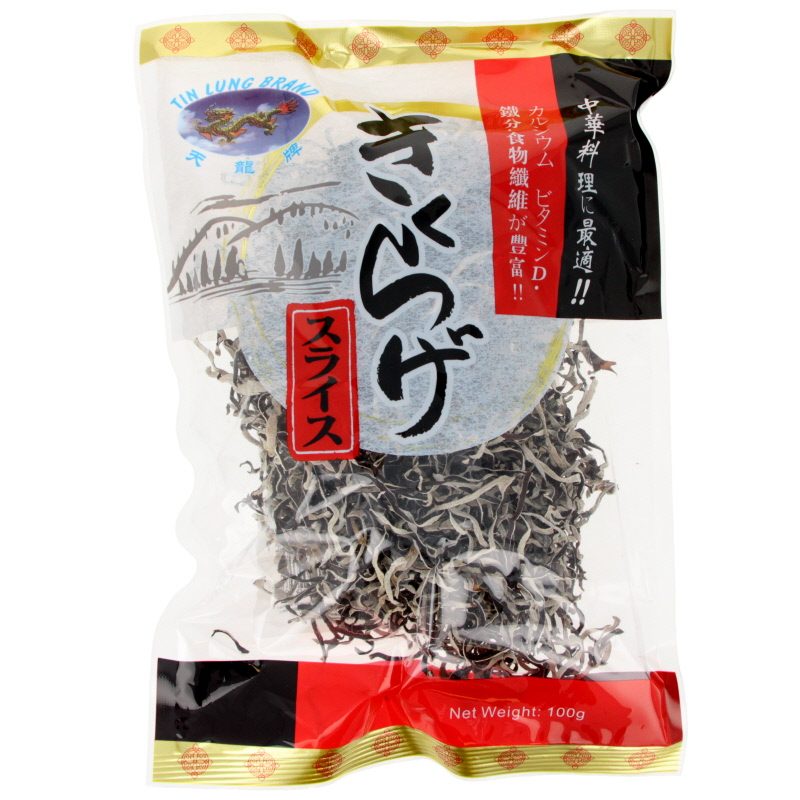
Tin Lung
Model names or references
Judas Ear Dried White Back (Strips)
Product identification
Batch Date
20/12/2026 Minimum durability date 12/20/2026
Packaging
100g plastic bag
Start/End of marketing date
From 06/18/2024 to 08/15/2024
Storage temperature
Product to be stored at room temperature
Additional information
Bag of 100g of black mushrooms with white backs cut into strips with a best before date of 12/20/2026
Geographic area of sale
Whole France
Distributors
Satsuki
Posted in Enterobacteriaceae
In the poultry industry, the evisceration stage often sees the highest microbial load on chicken carcasses. While manual trimming has traditionally been employed to remove gastrointestinal contamination, Brazilian legislation allows the use of a carcass washing system as an alternative. This study aimed to establish and validate a protocol for the use of a chicken carcass washing system as a replacement for manual trimming in a major poultry processing facility in southern Brazil. The methodology followed international standards for microbial analysis such as total mesophilic counts and Enterobacteriaceae. Comparing contamination levels before and after treatments, significant reductions are seen. Manual trimming reduced contamination by 39.43% (gastric), 53% (fecal), and 50% (biliary). Washing achieved greater reductions, with a 96.37% drop in gastric contamination and complete elimination (100%) of fecal contamination. These results met statistical significance. Both procedures reduced contamination levels. Manual trimming maintained 50% of samples below the mean value without exceeding upper control limits (UCL). Washing increased the percentage of samples below the mean value from 46% to 54%, demonstrating its superior efficiency. For Enterobacteriaceae, trimming maintained 44% of samples below the mean value, and washing increased it from 46% to 48%. In conclusion, the carcass washing system effectively removes visible gastrointestinal contents, meeting regulatory standards and receiving authorization from the Federal Inspection Service for use in the facility.
A reduction in animal-based diets has driven market demand for alternative meat products, currently raising a new generation of plant-based meat alternatives (PBMAs). It remains unclear whether these substitutes are a short-lived trend or become established in the long term. Over the last few years, the trend of increasing sales and diversifying product range has continued, but publication activities in this field are currently limited mainly to market research and food technology topics. As their popularity increases, questions emerge about the safety and nutritional risks of these novel products. Even though all the examined products must be heated before consumption, consumers lack experience with this type of product and thus further research into product safety, is desirable. To consider these issues, we examined 32 PBMAs from Austrian supermarkets. Based on 16S rRNA gene amplicon sequencing, the majority of the products were dominated by lactic acid bacteria (either Leuconostoc or Latilactobacillus), and generally had low alpha diversity. Pseudomonadota (like Pseudomonas and Shewanella) dominated the other part of the products. In addition to LABs, a high diversity of different Bacillus, but also some Enterobacteriaceae and potentially pathogenic species were isolated with the culturing approach. We assume that especially the dominance of heterofermentative LABs has high relevance for the product stability and quality with the potential to increase shelf life of the products. The number of isolated Enterobacteriaceae and potential pathogens were low, but they still demonstrated that these products are suitable for their presence.
Posted in Bacillus, Bacillus cereus, Enterobacteriaceae, Food Micro Blog, Food Microbiology, Food Microbiology Blog, Food Microbiology Research, Food Microbiology Testing, Lactobacillus, Leuconostoc mesenteroides, microbial contamination, Microbial growth, Microbial Spoilage, Microbiological Risk Assessment, Microbiology, Microbiology Investigations, Microbiology Risk, Pseudomonas, Research, Shewanella
Exceeded parameter for Enterobacteriaceae in lamb meal from New Zealand in Belgium
Enterobacteriaceae limit exceeded in dog chew from Brazil in Germany

 FoodWorld