Category Archives: E.coli

South Korea – E. coli infections tied to kindergarten south of Seoul rise to 58

YNA

SEOUL, June 29 (Yonhap) — The number of people infected with a strain of E. coli bacteria in connection to a kindergarten just south of Seoul reached 58, one more from the previous day, health authorities said Monday.

Health authorities have widened a probe into the E. coli outbreak in Ansan, about 50 kilometers south of the capital, since a kindergarten student first showed symptoms of illness on June 12.

As of 6 p.m. Sunday, 114 students and their family members showed suspected symptoms, according to the Korea Centers for Disease Control and Prevention (KCDC).

Of 21 hospitalized patients, 16 people, including 14 students, showed symptoms of hemolytic uremic syndrome (HUS), a type of E. coli that can cause kidney failure. Of them, four are undergoing dialytic therapy.

Research – Salmonella, Listeria and E. coli: opportunistic bacteria

Oulah

Researchers at the University of Delaware are examining how certain bacteria manage to bypass plant immune defenses.

As the world battles against the coronavirus pandemic (COVID-19), which emerged after the virus moved from animal to human, researchers at the University of Delaware are learning new ways to other pathogens jump from plants to humans

Opportunistic bacteria,  Salmonella ,  Listeria  and  E. coli , for example – often attach themselves to raw vegetables, poultry, beef and other foods to enter a human host, causing millions of illnesses each year food.

But researchers from the University of Delaware,  Harsh Bais  and  Kali Kniel  and their collaborators have now discovered that wild strains of  Salmonella  can bypass a plant’s immune system, penetrating lettuce leaves by opening tiny pores. of the plant called stomata.
The plant has no symptoms of this invasion and once inside the plant, the pathogens cannot simply be washed out.

Research – Antibacterial activities of Camellia sinensis plant extracts against uropathogenic E. coli in vitro and in vivo

AJ

This study evaluated the in vitro and in vivo antibacterial activities of methanol and ethyl acetate extracts of Camellia sinensis (Green tea) against Escherichia coli implicated in urinary tract infections. Antibacterial activities of these plant extracts were tested against 10 multi-drug resistant E. coli isolates obtained from clinical specimens of UTI patients. Forty-five (45) Wister albino rats were used for this study and exactly 0.1 ml of standardized (0.5 McFarland’s) E. coli suspension was each inoculated into the 45 rats through intra-urethral route and observed after 48 h. This was followed by oral administration of different concentrations of methanol and ethyl acetate extracts of C. sinensis, and ciprofloxacin antibiotic for 14 days. Phytochemical screening of extracts showed the presence of bioactive components. Results revealed that methanol extract was better than ethyl acetate extract of C. sinensis in the treatment of UTI caused by E. coli. Body weight, white blood cell count, and erythrocyte sedimentation rate level returned to normal values after treatment with methanol extract of C. sinensis at 200 mg/kg body weight when compared to ethyl acetate extract of C. sinensis. This study has shown that C. sinensis possess bioactive ingredients with antimicrobial activities. Information from this study adds to the current information on the potential health benefits of green tea. Thus, further studies on other plant products should be explored so as to understand their potential health benefits and as alternative therapeutics in the treatment of bacterial infections.

Research – A bacterium that causes food-borne illness grows flagella under stressful conditions

Massive Science CDC E.coli

Micro-organisms, especially bacteria, play essential roles in our bodies, especially in our guts. Some bacteria are beneficial, and some like E.coli are harmful. Another Escherichia strain (in the same genus as E. coli) named Escherichia albertii is also pathogenic to humans, causing diarrhea and food-borne illnesses.  E. albertii was identified for the first time during an illness outbreak in Bangladesh.

Pathogenic bacteria like E. albertii are very motile, meaning they move around a lot. They are able to do this using hair-like structures called flagellaE. albertii was originally described as non-hairy bacterium and thus far has been considered to be a non-motile pathogenic micro-organism.


USA – Raw Beef Ravioli recalled over E. coli fears

Food Poison Journal

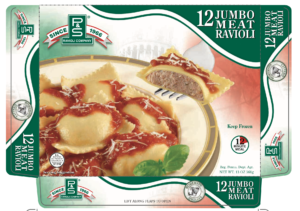
The U.S. Department of Agriculture’s Food Safety and Inspection Service (FSIS) is issuing a public health alert because approximately 70 pounds of raw beef ravioli products, produced by P&S Ravioli Company, a Philadelphia, Pa. establishment, may be contaminated with E. coli O157:H7. A recall was not requested because the affected product is no longer available for purchase.

However, FSIS is concerned that some product may be in consumers’ freezers. Consumers who have purchased these products should not consume them. These products should be thrown away or returned to the place of purchase.

South Korea – Food poisoning sickens about 100 kindergarten pupils in Ansan

YNA

ANSAN, South Korea, June 25 (Yonhap) — About 100 pupils at a kindergarten in Ansan, just south of Seoul, have complained of food poisoning symptoms over the past week, with a fifth of them hospitalized for hamburger disease and other disorders, municipal health officials said Thursday.

According to the officials in Ansan, 50 kilometers south of the capital, 99 out of 184 children attending the unidentified kindergarten showed symptoms of food poisoning from June 16 to Monday, and 22 of them were sent to hospitals.

Some of them are reportedly showing signs of hemolytic uremic syndrome (HUS), also known as hamburger disease, which could cause severe kidney failure, they noted, adding doctors raised the possibility of hamburger disease among some ailing students.

The number of patients has been increasing since four children complained of stomachaches on June 16. By June 17, 10 pupils exhibited symptoms of stomachache and diarrhea.

Authorities have found hemorrhaging E. coli bacteria in samples taken from about 30 pupils. HUS is one of the complications caused by E. coli bacteria.

Research – Survival of toxigenic Escherichia coli on chamomile, peppermint, green, black, ginger, and cinnamon teas during storage and brewing

Wiley Online

In this study, the persistence of toxigenic Escherichia coli (E. coli ) on dried chamomile, peppermint, ginger, cinnamon, black and green teas stored under 4, 10, and 25°C was determined. The E. coli survival rate in ginger and cinnamon teas decreased below 0 on Day 5. In the other tested teas, E. coli survivability showed a downward trend over time, but never dropped to 0. Chamomile tea retained the greatest population of viable E. coli . Meanwhile, die‐off of E. coli was higher at 25°C compared to lower temperatures. Additionally, fate of E. coli during brewing at 60, 70 and 80°C was evaluated. The E. coli population was reduced to below 2 Log colony forming units (CFU)/g after 1 min at 80°C, At the same time, the E. coli survival at 60°C was higher than that at 70°C in all tested teas. The data indicated that if E. coli survives after storage of prepared teas, it may also survive and grow after the brewing process, especially if performed using temperatures <80°C. Finally, we analyzed the correlations between temperature, time, tea varieties and E. coli survival, and successfully constructed a random forest regression model. The results of this study can be used to predict changes in E. coli during storage and fate during the brewing process. Results will form the basis of undertaking a risk assessment.

Canada – Food Recall Warning (E. coli O157:H7) – Certain sweetened dried cranberries

Food Poisoning News

Recall date:
June 19, 2020
Purpose for recall:
Microbiological – E. coli O157:H7
Hazard classification:
Class 1
Firm / Agency:
Les Aliments Johnvince
Distribution:
Quebec
Extent of the distribution:
Client

Recall particulars

Ottawa, June 19, 2020 – Les Aliments Johnvince is recalling sure sweetened dried cranberries from {the marketplace} as a consequence of potential E. coli O157:H7 contamination. Customers mustn’t eat the recalled product described under.

Recalled product

Model Product Dimension UPC Codes Extra data
None Sweetened dried cranberries
PLU 5176
Variable weights (plastic bag of roughly 300 g) None 06472
06481
0648
This packaged product might have been bought with or with out codes from Might 28, 2020 as much as and together with June 8, 2020. Customers who’re uncertain if they’ve bought the affected product are suggested to contact their retailer.

What it is best to do

When you suppose you turned sick from consuming a recalled product, name your physician.

Verify to see you probably have the recalled product in your house. Recalled merchandise needs to be thrown out or returned to the shop the place they have been bought.

Meals contaminated with E. coli O157:H7 might not look or odor spoiled however can nonetheless make you sick. Signs can embrace nausea, vomiting, gentle to extreme belly cramps and watery to bloody diarrhea. In extreme circumstances of sickness, some folks might have seizures or strokes, want blood transfusions and kidney dialysis or stay with everlasting kidney injury. In extreme circumstances of sickness, folks might die.

Background

This recall was triggered by the corporate. The Canadian Meals Inspection Company (CFIA) is conducting a meals security investigation, which can result in the recall of different merchandise. If different high-risk merchandise are recalled, the CFIA will notify the general public by way of up to date Meals Recall Warnings.

The CFIA is verifying that business is eradicating the recalled product from {the marketplace}.

Source link

Research – Food safety risk posed to consumers of table eggs from layer farms in Gauteng Province, South Africa: Prevalence of Salmonella species and Escherichia coli , antimicrobial residues, and antimicrobial resistant bacteria

Wiley Online hazegg.jpg

The study conducted on 39‐layer farms in Gauteng Province, South Africa determined the prevalence and resistance of enteropathogens, and antimicrobial residues in table eggs collected from the farms. Eggs were tested for the presence of bacteria using standard methods. The resistance of bacteria to eight antimicrobial agents was determined using the disc diffusion method. Antimicrobial residues were detected in table eggs using the microbial inhibition test, enzyme‐linked immunosorbent assay (ELISA), and high performance liquid chromatography (HPLC). Risk factors for egg contamination by bacteria and antimicrobial residues were determined through a questionnaire survey of farmers. The farm prevalence of Salmonella spp. and Escherichia coli in table eggs was 7.7 and 48.7%, respectively. Nineteen (48.7%) and 2 (5.1%) of eggshells and egg contents, respectively, were positive for coli but only eggshells yielded Salmonella species, 2.0% (4 of 196). Overall, 71.4% of 49 coli isolates exhibited resistance to one or more antimicrobial agents. The farm prevalence and egg content prevalence of antimicrobial residues was 2.6 and 0.5%, respectively, with the detection of sulfonamide (79 ppb) and oxytetracycline (106 ppb). The prevalence of resistant coli and Salmonella spp. and the occurrence of antimicrobial residues in egg content may pose food safety and therapeutic threats to consumers.

Research – Prevalence of Shiga Toxin-Producing Escherichia Coli in Beef Cattle

PubMed

A large number of Shiga toxin-producing Escherichia coli (STEC) strains have caused major outbreaks and sporadic cases of human illnesses, including mild diarrhea, bloody diarrhea, hemorrhagic colitis, and the life-threatening hemolytic uremic syndrome. These illnesses have been traced to both O157 and non-O157 STEC. In a large number of STEC-associated outbreaks, the infections were attributed to consumption of ground beef or other beef products contaminated with cattle feces. Thus, beef cattle are considered reservoirs of STEC and can pose significant health risks to humans. The global nature of the human food supply suggests that safety concerns with beef will continue and the challenges facing the beef industry will increase at the production and processing levels. To be prepared to address these concerns and challenges, it is critical to assess the role of beef cattle in human STEC infections. In this review, published reports on STEC in beef cattle were evaluated to achieve the following specific objectives: (i) assess the prevalence of STEC in beef cattle, and (ii) determine the potential health risks of STEC strains from beef cattle. The latter objective is critically important because many beef STEC isolates are highly virulent. Global testing of beef cattle feces revealed wide ranges of prevalence rates for O157 STEC (i.e., 0.2 to 27.8%) and non-O157 STEC (i.e., 2.1 to 70.1%). Of the 261 STEC serotypes found in beef cattle, 44 cause hemolytic uremic syndrome and 37 cause other illnesses.