
Foodborne infection has been confirmed at the Mánagardı nursery school in Reykjavík. The causative agent is E. coli bacteria of a type known as STEC and of serotype O145. Analysis of samples at Matís confirmed that the same serotype, i.e. E. coli O145 was found both in faecal samples from children from the kindergarten and in a sample of minced meat used in cooking at the kindergarten. Their sequencing of the bacteria’s genetic material showed that the origin is the same.
After detailed interviews with the parents of the children, who fell ill, attention soon turned to Thursday, October 17 last. The Reykjavík Health Authority went to the site and took numerous samples for analysis of the food used in the cooking that day, such as minced meat, vegetables, lentils, melons, oatmeal and more. All food samples were negative for E. coli except for the mince. A few children who normally do not eat meat also fell ill, but it is not possible to confirm the route of infection for them. They may have been infected by other children who attended the kindergarten after they got sick but before the kindergarten was closed.
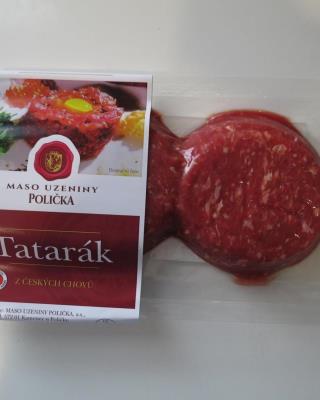
The mince turned out to be mixed beef and sheep mince from Kjarnaföð. It did not go on general sale, but only sold to larger kitchens, such as restaurants, canteens and kindergartens. Matvælastofnun contacted the representatives of the company when suspicion was directed at the mince, and the same day the company contacted all parties who received mince from the same production batch that was used in the Mánagard nursery school. During the recall, it was found that buyers had already used it in their operations. There have been no reports of infection or sickness among consumers at other kitchens.
E. coli bacteria are part of the natural intestinal flora of humans and animals and can be introduced into water, meat, vegetables and other foods during their production. Different types of E. coli exist. Most types of E. coli are harmless, but Shigatoxin-producing E. coli (STEC) carry genes that encode toxins that can cause illness (virulence genes). However, their strains can be highly pathogenic.
According to legislation on meat production, producers are not required to ensure that all meat is free of E. coli before it goes to market. However, meat producers should do everything in their power to reduce the chance of contamination of carcasses and meat products in the process. It is primarily done with clean grips, proper hand techniques and clean equipment. Sampling in the process is therefore aimed at checking whether working methods are adequate. The Food Agency reported on a screening of the presence of pathogenic bacteria in Icelandic meat on the Icelandic market in 2018. It stated that STEC virulence genes were found in almost 30% of lamb samples and 11.5% of beef samples.
Cleanliness and proper handling of meat and adequate cooking by users/consumers is therefore key to preventing infection caused by E. coli , including STEC from meat. The steering group’s research has revealed that the handling of the minced meat in this respect during cooking in the kindergarten was insufficient.
It is common practice that beef, lamb and horse steaks are served without being deep-fried. Raw cuts of meat have bacteria on the surface of the meat but not inside the muscle. They are therefore killed when the meat is fried or grilled at high temperatures. Hamburgers and other dishes made from minced meat are different, because during the mincing process, microorganisms spread throughout the mince. Insufficient heating/frying does not kill bacteria present deep inside the mince. In order to kill E. coli and other disease-causing microorganisms, hamburgers and other mincemeat dishes must be fried through or so that the core temperature is at least 75°C.

 FoodWorld