Archives
-
Join 343 other subscribers
KSWFoodWorld
Blog Stats
- 431,447 Views
Category Archives: Diarrhoeic Shellfish Poisoning
Research – A Comprehensive Review for the Surveillance of Human Pathogenic Microorganisms in Shellfish
Bivalve molluscan shellfish have been consumed for centuries. Being filter feeders, they may bioaccumulate some microorganisms present in coastal water, either naturally or through the discharge of human or animal sewage. Despite regulations set up to avoid microbiological contamination in shellfish, human outbreaks still occur. After providing an overview showing their implication in disease, this review aims to highlight the diversity of the bacteria or enteric viruses detected in shellfish species, including emerging pathogens. After a critical discussion of the available methods and their limitations, we address the interest of technological developments using genomics to anticipate the emergence of pathogens. In the coming years, further research needs to be performed and methods need to be developed in order to design the future of surveillance and to help risk assessment studies, with the ultimate objective of protecting consumers and enhancing the microbial safety of bivalve molluscan shellfish as a healthy food.
Posted in Amnesic Shellfish Poisoning, Decontamination Microbial, Diarrhoeic Shellfish Poisoning, Enteropathogenic E. coli, Food Micro Blog, Food Microbiology, Food Microbiology Blog, Food Microbiology Research, Food Microbiology Testing, Food Pathogen, microbial contamination, Microbial growth, Microbiological Risk Assessment, Microbiology, Microbiology Investigations, Microbiology Risk, paralytic shellfish poisoning, Pathogen, pathogenic, Shellfish, shellfish toxin
Research – The monitoring program for algal toxins in shellfish 2021
In general, less poisonous shells were detected during the covid-19 years 2020 and 2021 than in the three previous years. We cannot determine whether this is due to fewer samples or less blooms of toxic algal plankton.
In 2021, a total of 723 shell samples were taken and analyzed for various toxins; 384 samples from the Norwegian Food Safety Authority’s annual monitoring program (including the Mussel Alert) and 339 samples from the producers’ own control samples.
The number of samples from the industry was somewhat fewer in 2021 because demand for shells was lower due to covid-19 with closed restaurants and hotels.
On the monitoring of algal toxins in shellfish
The Norwegian coast is monitored throughout the year for marine algal toxins in shells in connection with commercial harvesting and trade in addition to the Mussel Alert.
The shell samples are analyzed for both the fat-soluble toxins DSP (OA group), AZA, YTX and PTX and the water-soluble toxins with the neurotoxin PSP (STX group), and for the amnesia toxin ASP (DA group).
| What did we investigate? | Mostly mussels, but also some scallops, flat oysters, Pacific oysters, cockles, knife clams, O-clams, carpet clams, sand clams, circle clams, king snails and sea urchins |
| Time range: | 2021 |
| What were we looking for? | The algae toxins DSP, YTX, PTX and AZA, PSP and ASP. |
| What did we find? | Around 98 per cent of all submitted mussels were below the limit value for DSP (OA group).
For PSP (STX group) around 95 per cent were below the limit value, while around 99 per cent were below the limit value for ASP. For the toxin groups YTX, PTX and AZA, all samples were below given limit values. Mussels: Had the most detections of DSP and PSP above the limit value, but ASP was also detected above the limit value Scallops : PSP and ASP were detected above the limit value Flat oysters : PSP was detected above the limit value in Western Norway for a period in April PSP : As in previous years, was mainly detected in the spring and early summer. DSP : The detections above the limit value were distributed throughout the year from April to October with a peak in September. This is consistent with previous years where DSP mainly performs in late summer and autumn. |
Posted in Algal Blooms, Algal Toxin, ASP, Azaspiracid Toxin, Decontamination Microbial, Diarrhoeic Shellfish Poisoning, DSP, Food Micro Blog, Food Microbiology, Food Microbiology Blog, Food Microbiology Research, Food Microbiology Testing, microbial contamination, Microbial growth, Microbiological Risk Assessment, Microbiology, Microbiology Investigations, Microbiology Risk, paralytic shellfish poisoning, PSP
RASFF Alert – Lipophilic toxins (DSP) in Clams
Lipophilic toxins (DSP) in almendras de mar (Glycymeris glycymeris) from Portugal in Spain
Posted in Diarrhoeic Shellfish Poisoning, DSP, food contamination, food handler, Food Hazard, Food Hygiene, Food Inspections, Food Micro Blog, Food Microbiology, Food Microbiology Blog, Food Microbiology Testing, Food Poisoning, food recall, Food Safety, Food Safety Alert, Food Safety Management, Food Testing, Food Toxin, Lipophilic Marine Biotoxin, RASFF
Norway -Crab shells in Agder: DSP below limit value
On 22 September, the Norwegian Food Safety Authority received a response to new samples of crabs in Agder. The random samples show that diarrhea toxin (DSP) in the crabs is now below the limit value, but there is no guarantee that all crabs in the area are below the danger limit. The Norwegian Food Safety Authority recommends following the mussel warning, as the crab likes to eat mussels.
Earlier in September, the Norwegian Food Safety Authority found high concentrations of the algae poison DSP (Diarrhetic Shellfish Poisoning) in crab from Agder, and thus warned people to eat the contents of crab shells.
DSP is one of the most common types of mussel poisoning in Norway. Once the crab has eaten mussels with DSP, the crab becomes poisonous to people who eat it. DSP causes diarrhoea, nausea, vomiting and abdominal pain. It takes from half an hour to a few hours from the time you eat until you get sick. The symptoms disappear by themselves after 2-3 days.
Since the beginning of July this year, high levels of the algal toxin DSP have been detected in mussels along the Sørland coast and in Agder.
Posted in Algal Toxin, Diarrhoeic Shellfish Poisoning, DSP, food contamination, food handler, Food Hazard, Food Hygiene, Food Inspections, Food Micro Blog, Food Microbiology, Food Microbiology Blog, Food Microbiology Testing, Food Poisoning, food recall, Food Safety, Food Safety Alert, Food Safety Management, Food Testing, Food Toxin, Lipophilic Marine Biotoxin, Marine Biotoxin, Toxin
Luxembourg – REMINDER: TELLINES – BULK SALE ON FISH STALL- DSP
Presence of lipophilic toxins (DSP) exceeding the regulatory health threshold
Auchan is recalling the following product
| Last name | Tellines (medium and large) |
| Mark | Unbranded – Bulk Sale |
| Sale period | from September 7 to 9, 2022 |
Danger : Presence of lipophilic toxins (DSP) exceeding the regulatory health threshold
DSP toxins cause intoxication in the consumer, the effects of which appear within 2 to 18 hours after ingestion of the contaminated shellfish. The main symptoms are gastrointestinal: diarrhea, nausea, vomiting, abdominal pain, and chills.
Sale in Luxembourg by: Auchan on a fish stall
A sale by other operators cannot be excluded.
Source of information: Auchan recall notification
Communicated by: Government Commission for Quality, Fraud and Food Safety .
Posted in Algal Toxin, Diarrhoeic Shellfish Poisoning, DSP, food contamination, food handler, Food Hazard, Food Hygiene, Food Inspections, Food Micro Blog, Food Microbiology, Food Microbiology Blog, Food Microbiology Testing, Food Poisoning, food recall, Food Safety, Food Safety Alert, Food Safety Management, Food Testing, Food Toxin, Lipophilic Marine Biotoxin, Marine Biotoxin
Norway -Do not eat the contents of crab shells in Agder – DSP Algal Toxin
The Norwegian Food Safety Authority warns people in Agder against eating the contents of the crab’s shells, following the discovery of diarrhea poison. The meat from the claws is safe to eat.
The Norwegian Food Safety Authority has found high concentrations of the algae poison DSP (Diarrhetic Shellfish Poisoning) in crab from Agder.
DSP is one of the most common types of mussel poisoning in Norway. Once the crab has eaten mussels with DSP, the crab becomes poisonous to people who eat it. DSP causes diarrhoea, nausea, vomiting and abdominal pain. It takes from half an hour to a few hours from the time you eat until you get sick. The symptoms disappear by themselves after 2-3 days.
Since the beginning of July this year, high levels of the algal toxin DSP have been detected in mussels along the Sørland coast, and in Agder the levels of the toxin have increased significantly in recent times. This is the reason why the Norwegian Food Safety Authority has also tested crabs in Agder for DSP.
Posted in Algal Toxin, Diarrhoeic Shellfish Poisoning, DSP, food contamination, food handler, Food Hazard, Food Hygiene, Food Inspections, Food Micro Blog, Food Microbiology, Food Microbiology Blog, Food Microbiology Testing, Food Poisoning, food recall, Food Safety, Food Safety Alert, Food Safety Management, Food Testing, Food Toxin
RASFF Alert – Algal Toxin – Okadaic Acid – DSP – Diarrhoeic Shellfish Poisoning
Okadaic acid in Diarrhoetic Shellfish Poisoning from Portugal in Spain
Posted in Algal Toxin, Diarrhoeic Shellfish Poisoning, Dinoflagellates, DSP, food contamination, food handler, Food Hazard, Food Hygiene, Food Inspections, Food Micro Blog, Food Microbiology, Food Microbiology Blog, Food Microbiology Testing, Food Poisoning, food recall, Food Safety, Food Safety Alert, Food Testing, Food Toxin, okadaic acid, RASFF
France – Tellines – DSP marine biotoxins – Diarrhoeic Shellfish Poisoning

Identification information of the recalled product
- Product category Food
- Product subcategory Fishery and aquaculture products
- Product brand name Unbranded
- Model names or references Tellines shipped between 03 and 05 May 2022
- Identification of products
Batch All lots - Storage temperature Product to be stored at room temperature
- Health markFR.29.158.500.CE
- Geographic area of sale Whole France
- Distributors Wholesalers / Independents
Practical information regarding the recall
- Reason for recall Prefectural decree – Closure of fishing area
- Risks incurred by the consumer DSP marine biotoxins (diarrheal toxins)
Posted in Diarrhoeic Shellfish Poisoning, DSP, food contamination, food handler, Food Hazard, Food Hygiene, Food Inspections, Food Micro Blog, Food Microbiology, Food Microbiology Blog, Food Microbiology Testing, Food Poisoning, food recall, Food Safety, Food Safety Alert, Food Testing, Food Toxin, Marine Biotoxin, Toxin
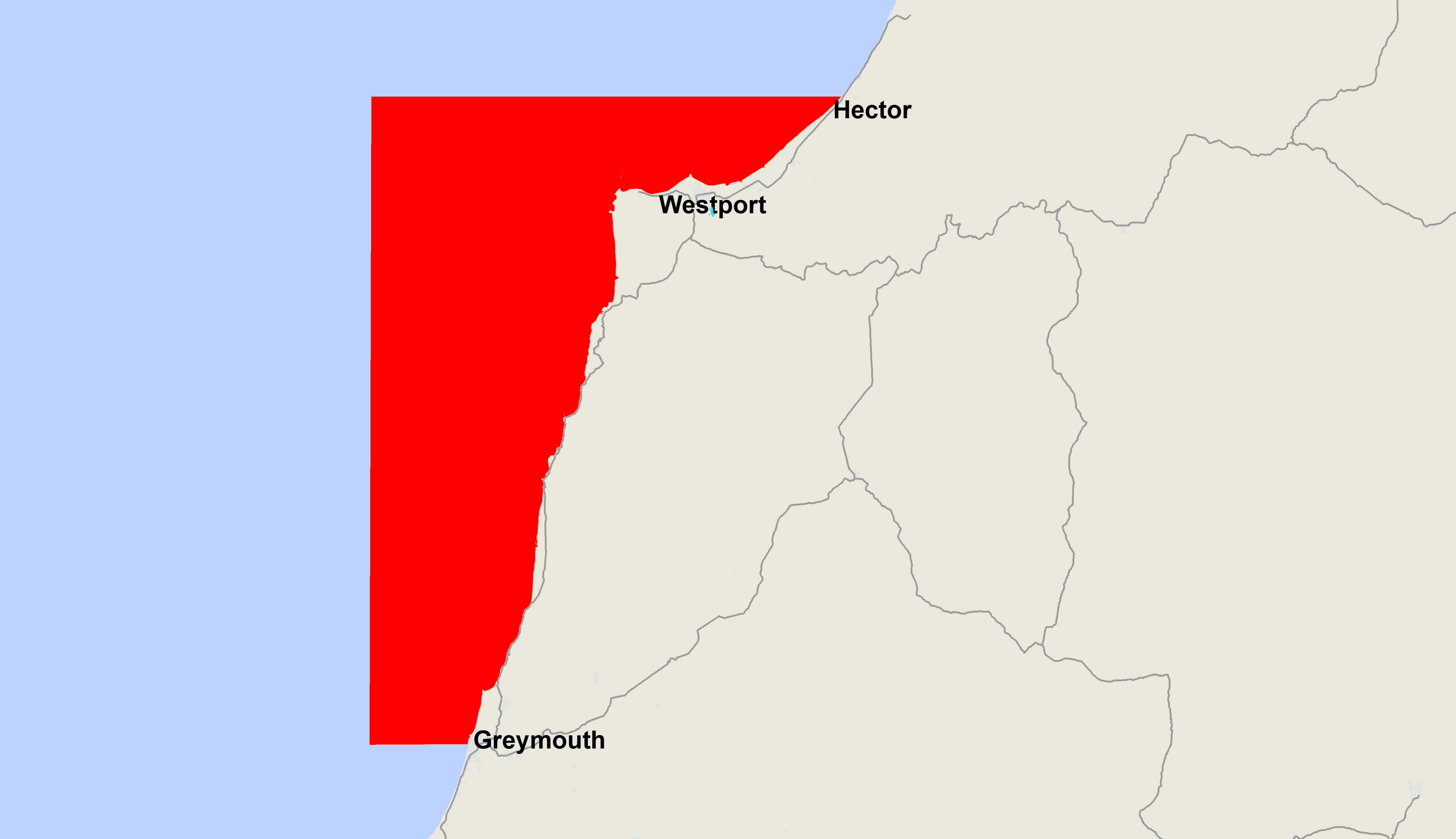
New Zealand – Public health warning extended for shellfish on the West Coast, South Island – Diarrhetic Shellfish Toxins

The Ministry for Primary Industries (MPI) today issued an extension to the public health warning advising the public not to collect or consume shellfish harvested from the South Island’s West Coast. The public health warning now extends from the Grey River mouth, north to the Ngakawau River mouth at Hector.
Tests on shellfish samples taken from Cape Foulwind have detected levels of Diarrhetic Shellfish Toxins above the safe limit of 0.16 mg/kg set by MPI. Anyone eating shellfish from this area is potentially at risk of illness.
Ongoing testing will continue and any changes will be communicated accordingly.
Mussels, oysters, tuatua, pipi, toheroa, cockles, scallops, catseyes, kina (sea urchin) and all other bivalve shellfish should not be eaten.
Note, cooking shellfish does not remove the toxin.
Pāua, crab and crayfish may still be eaten if the gut has been completely removed prior to cooking, as toxins accumulate in the gut. If the gut is not removed, its contents could contaminate the meat during the cooking process.
Symptoms typically appear within half an hour of ingestion and last for about 24 hours. Symptoms may include:
- diarrhoea
- vomiting
- nausea
- abdominal cramps.
If anyone becomes ill after eating shellfish from an area where a public health warning has been issued, freephone Healthline for advice on 0800 61 11 16, or seek medical attention immediately. You are also advised to contact your nearest public health unit and keep any leftover shellfish in case it can be tested.
Commercially harvested shellfish – sold in shops and supermarkets, or exported – are subject to strict water and flesh monitoring programmes by MPI to ensure they are safe to eat. There is no commercial harvesting of shellfish in the affected area.
New Zealand – Public health warning about shellfish in West Coast, South Island – Shellfish Toxins -DSP – Diarrhetic shellfish toxins
The Ministry for Primary Industries (MPI) today issued a public health warning against collecting shellfish from the South Island West Coast between Greymouth and Charleston. Diarrhetic shellfish toxins have been detected in mussels from 12-Mile Bluff at levels above the safe limit set by MPI.
Anyone eating shellfish from this area is potentially at risk of illness.
Ongoing testing will continue and any changes will be communicated accordingly.
Mussels, oysters, tuatua, pipi, toheroa, cockles, scallops, catseyes, kina (sea urchin) and all other bivalve shellfish should not be eaten.
Note, cooking shellfish does not remove the toxin.
Pāua, crab and crayfish may still be eaten if the gut has been completely removed prior to cooking, as toxins accumulate in the gut. If the gut is not removed its contents could contaminate the meat during the cooking process.
Symptoms typically appear within half an hour of ingestion and last for about 24 hours. Symptoms may include:
- diarrhoea
- vomiting
- nausea
- abdominal cramps
If anyone becomes ill after eating shellfish from an area where a public health warning has been issued, freephone Healthline for advice on 0800 61 11 16, or seek medical attention immediately. You are also advised to contact your nearest public health unit and keep any leftover shellfish in case it can be tested.
Commercially harvested shellfish – sold in shops and supermarkets, or exported – is subject to strict water and flesh monitoring programmes by MPI to ensure they are safe to eat. There is no commercial harvesting of shellfish in the affected area.
Posted in Biotoxin, Diarrhoeic Shellfish Poisoning, DSP, food contamination, Food Hazard, Food Hygiene, Food Inspections, Food Micro Blog, Food Microbiology, Food Microbiology Blog, Food Microbiology Testing, Food Poisoning, food recall, Food Safety, Food Safety Alert, Food Testing, Food Toxin, Intoxications, Marine Biotoxin