Brand : CAM srl
Name : VONGOLE VERACI
Reason for reporting : Recall due to microbiological risk
Publication date : 20 November 2023


Brand : CAM srl
Name : VONGOLE VERACI
Reason for reporting : Recall due to microbiological risk
Publication date : 20 November 2023
Product category
Food
Product subcategory
Fishing and aquaculture products
Product brand name
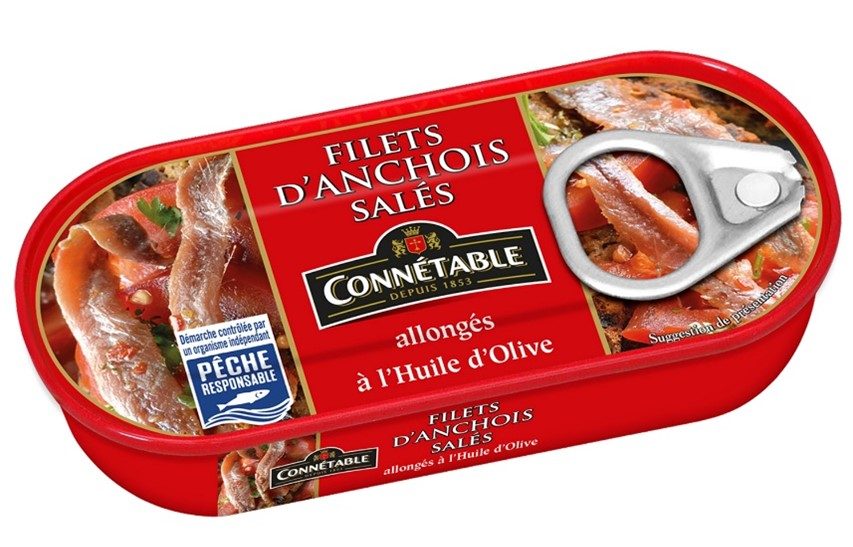
Constable
Model names or references
50g
Product identification
GTIN Batch Date
3263670008395 All lots Minimum durability date between 11/25/2023 and 09/27/2024
Packaging
50g metal box
Start/end date of marketing
Since 06/08/2023
Storage temperature
Product to be stored at room temperature
Health mark
ES 12.10544/SS CE
Geographical sales area
Whole France
Distributors
E.LECLERC, AUCHAN, SYSTEM U, MONOPRIX, CORA, MAXIMO
Posted in Uncategorized
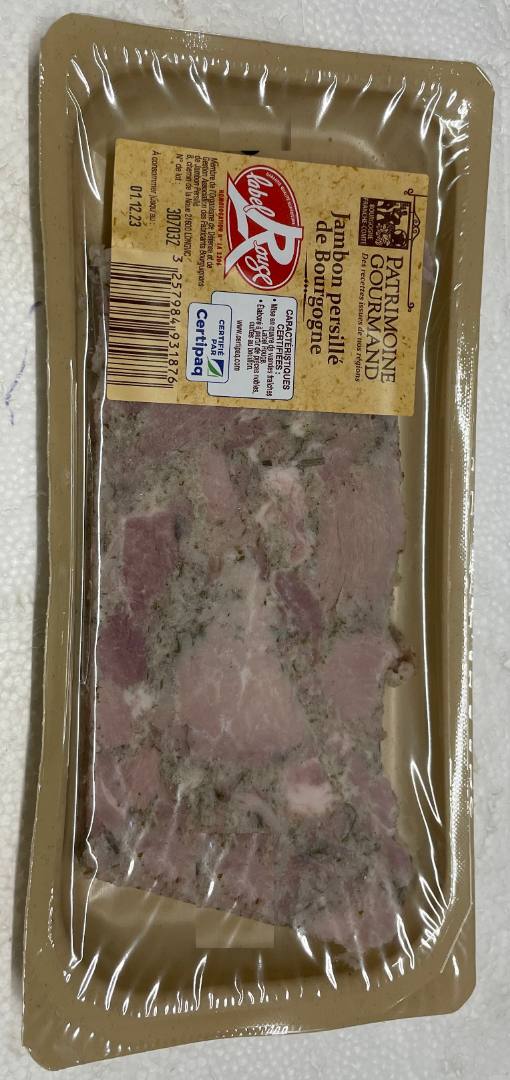
| GTIN | Batch | Date |
|---|---|---|
| 3257984931876 | 307032 | Use-by date 01/12/2023 |
Posted in food contamination, food handler, Food Hazard, Food Hygiene, Food Inspections, Food Micro Blog, Food Microbiology, Food Microbiology Blog, Food Microbiology Research, Food Microbiology Testing, Food Pathogen, Food Quality, food recall, Food Safety, Food Safety Alert, Food Safety Management, Food Safety Regulations, Food Testing, Salmonella

| GTIN | Batch | Date |
|---|---|---|
| 3441700283374 | 306072 | Use-by date 06/12/2023 |
Posted in food contamination, food handler, Food Hazard, Food Hygiene, Food Inspections, Food Micro Blog, Food Microbiology, Food Microbiology Blog, Food Microbiology Research, Food Microbiology Testing, Food Pathogen, Food Quality, food recall, Food Safety, Food Safety Alert, Food Safety Management, Food Safety Regulations, Salmonella

CDC, public health and regulatory officials in several states, and the U.S. Food and Drug Administration (FDA) are collecting different types of data to investigate a multistate outbreak of Salmonella Thompson infections.
Epidemiologic and traceback data show that onions processed at Gills Onions may be contaminated with Salmonella and may be making people sick.
As of October 24, 2023, a total of 73 people infected with the outbreak strain of Salmonella have been reported from 22 states. Illnesses started on dates ranging from August 2, 2023, to September 25, 2023. Of the 65 people with information available, 15 (23%) have been hospitalized. No deaths have been reported.

Posted in FDA, food contamination, food handler, Food Hazard, Food Hygiene, Food Inspections, Food Micro Blog, Food Microbiology, Food Microbiology Blog, Food Microbiology Testing, Food Pathogen, Food Quality, food recall, Food Safety, Food Safety Alert, Food Safety Management, Food Safety Regulations, Food Testing, Salmonella
| GTIN | Batch | Date |
|---|---|---|
| 1111111111116 | Lot sold between 11/13/2023 to 11/16/2023 | Use-by date 12/19/2023 |
Posted in food contamination, food handler, Food Hazard, Food Hygiene, Food Inspections, Food Micro Blog, Food Microbiology, Food Microbiology Blog, Food Microbiology Testing, Food Pathogen, Food Quality, food recall, Food Safety, Food Safety Alert, Food Safety Management, Food Safety Regulations, Food Testing, Salmonella
| GTIN | Batch | Date |
|---|---|---|
| 3441700270589 | 313032 | Use-by date 13/12/2023 |
Posted in food contamination, food handler, Food Hazard, Food Hygiene, Food Inspections, Food Micro Blog, Food Microbiology, Food Microbiology Blog, Food Microbiology Testing, Food Pathogen, Food Quality, food recall, Food Safety, Food Safety Alert, Food Safety Management, Food Safety Regulations, Food Testing, Salmonella
New Zealand Food Safety is extending its advisory to the public not to collect or consume shellfish gathered from the East Coast of the North Island due to the presence of paralytic shellfish toxins.
“We have extended the existing warning north to now span from Cape Runaway all the way south to Blackhead Point, which is just north of Pōrangahau. Follow-up tests on mussels from Hicks Bay Beach showed levels of paralytic shellfish toxins three times the safe limit,” says New Zealand Food Safety deputy director-general Vincent Arbuckle.
“Please do not gather and eat shellfish from this area because anyone doing so could get sick. Affected shellfish include bivalve shellfish such as mussels, oysters, tuatua, pipi, toheroa, cockles, and scallops, as well as pūpū (cat’s eyes), Cook’s turban and kina (sea urchin).
“We are monitoring an algal bloom off the East Coast, which is spreading. This type of algae produces a dangerous toxin and when shellfish filter-feed, these toxins can accumulate in their gut and flesh. Generally, the more algae there are in the water, the more toxic the shellfish get.
“Cooking the shellfish does not remove the toxin, so shellfish from this area should not be eaten.”
See a map of the warning for East Cape
Symptoms of paralytic shellfish poisoning usually appear within 10 minutes to 3 hours of eating and may include:
Pāua, crab, and crayfish may still be eaten if the gut has been completely removed prior to cooking, as toxins accumulate in the gut. If the gut is not removed, its contents could contaminate the meat during the cooking process.
Finfish are not affected by this public health warning, but we advise gutting the fish and discarding the liver before cooking.
New Zealand Food Safety has had no notifications of associated illness.
If anyone becomes ill after eating shellfish from an area where a public health warning has been issued, phone Healthline for advice on 0800 61 11 16, or seek medical attention immediately. You are also advised to contact your nearest public health unit and keep any leftover shellfish in case it can be tested.
“We are monitoring shellfish in the region and will notify the public of any changes to the situation,” says Mr Arbuckle.
Commercially harvested shellfish – sold in shops and supermarkets or exported – is subject to strict water and flesh monitoring programmes by New Zealand Food Safety to ensure they are safe to eat.
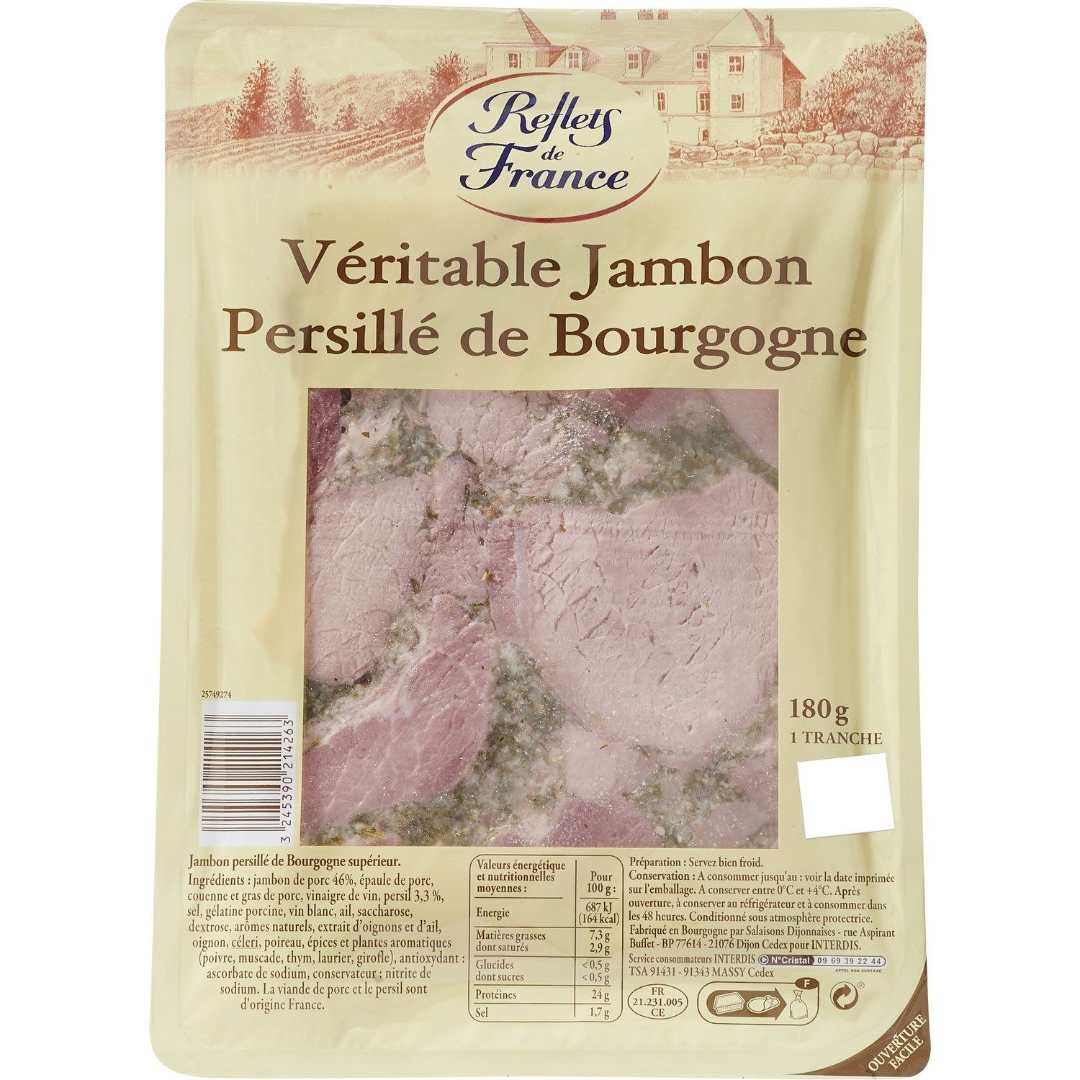
| GTIN | Batch | Date |
|---|---|---|
| 3245390214263 | 313015 | Use-by date 13/12/2023 |
Posted in food contamination, food handler, Food Hazard, Food Hygiene, Food Inspections, Food Micro Blog, Food Microbiology, Food Microbiology Blog, Food Microbiology Testing, Food Pathogen, Food Quality, food recall, Food Safety, Food Safety Alert, Food Safety Management, Food Safety Regulations, Food Testing, Salmonella
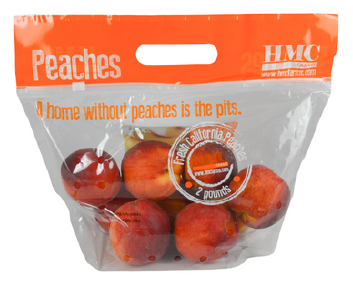
Recalled conventional (non-organic) peaches, plums, and nectarines sold in retail stores from May 1, 2022 through November 15, 2022 and from May 1, 2023 through November 15, 2023. The recalled fruit was sold at retail stores nationwide in bags or as individual pieces of fruit with PLU stickers, under multiple brand names, including HMC Farms and Signature Farms. Additionally, the recalled fruit was sold to other manufacturers who may have frozen and/or relabelled the recalled fruit for resale under another brand. The firm has directly notified their customers who received recalled product and this advisory will be updated as more information becomes available.
Recalled fruit is past expiration and no longer available for sale in retail stores but could have been frozen by consumers. Fresh whole peaches, plums, and nectarines currently available for sale at retail are not included in this recall.
The recalled fruit was distributed nationwide and sold at retail stores in bags or as individual pieces of fruit bearing PLU stickers, under multiple brand names, including HMC Farms and Signature Farms.
Symptoms usually start within 2 weeks after eating food contaminated with Listeria, but may start as early as the same day or as late as 10 weeks after. Mild symptoms may include a fever, muscle aches, nausea, tiredness, vomiting, and diarrhea. If the more severe form of listeriosis develops, symptoms may include headache, stiff neck, confusion, loss of balance, and convulsions.
Ongoing: Updates to this advisory will be provided as they become available.


