Monthly Archives: January 2024

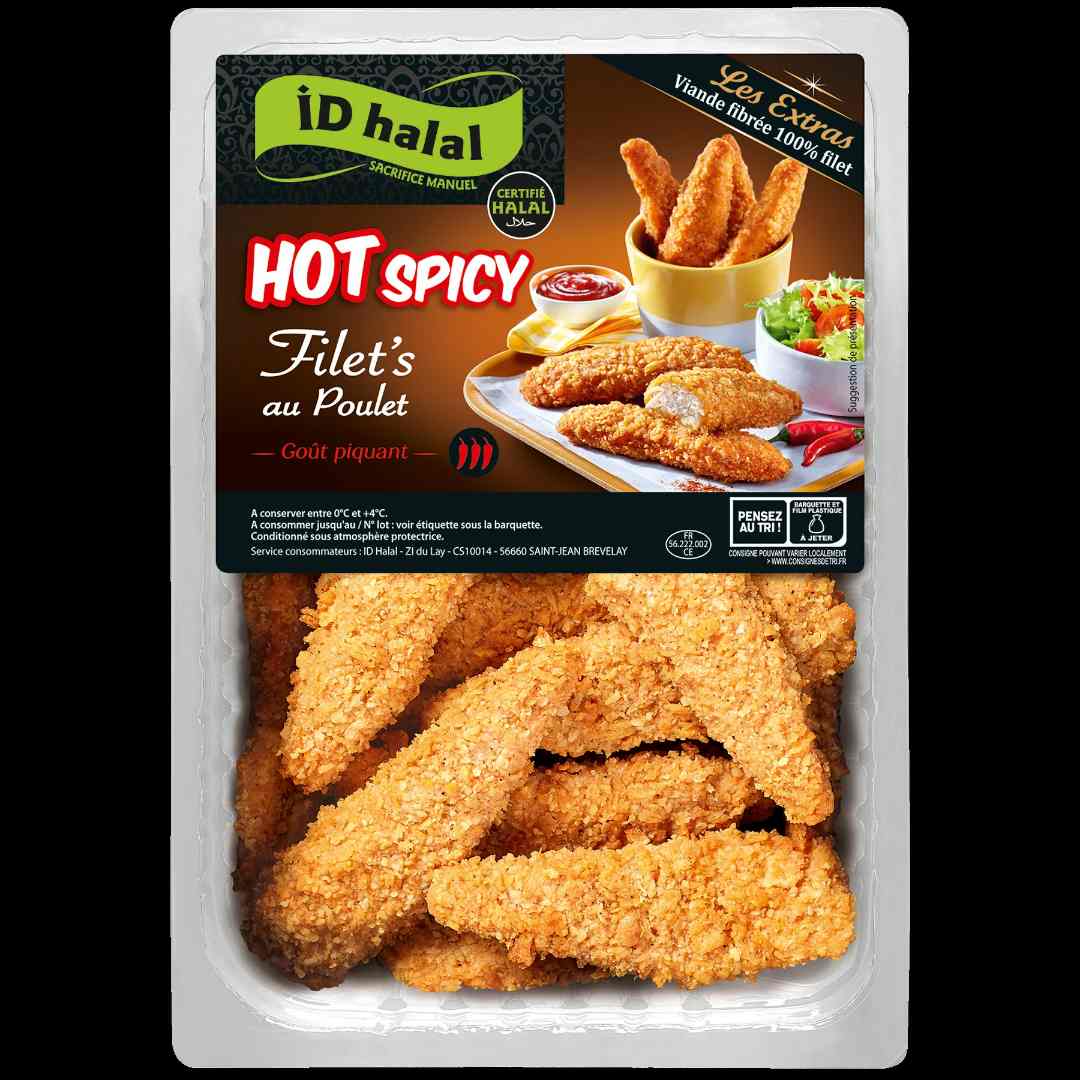
France -HOT SPICY Chicken Filet’s – Listeria monocytogenes

Gov France

Product category
Food
Product subcategory
Meats
Product brand name
ID’HALAL
Model names or references
BQ 1KG HOT SPICY CHICKEN ID’HAL S/AT
Product identification
GTIN Batch Date
3378740002293 4704533658 Use-by date 02/13/2024
Packaging
Modified atmosphere tray, 1 kg
Start/end date of marketing
From 01/09/2024 to 02/13/2024
Storage temperature
Product to keep in the refrigerator
Health mark
FR 56-222-002
Geographical sales area
Whole France
Distributors
AGRODIS ABO, AGROMA FRAIS, AL SIMA VERNET, ALFAZO TOULON, APRIBA LENS / ANTI G, ATG DISTRIBUTION, ATIMEX, BM SUPERMARCHE, BVBA JOUNES, DJAOU VIANDE HALAL, FRANCE VIANDE TRAD, FRANGO CONCEPT, FRANPRIX – MAMINA, GARGES DIS FRAIS.. .

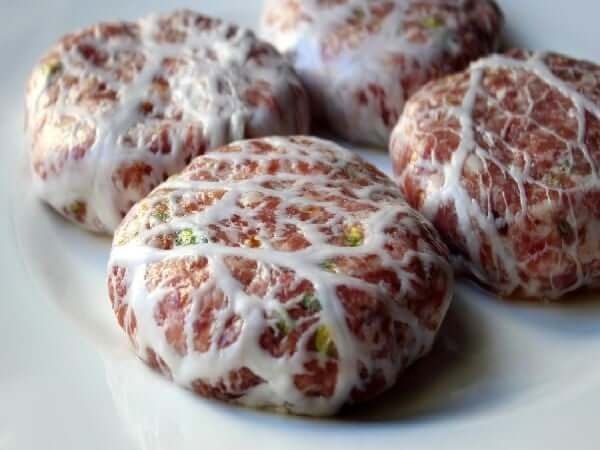
France – ELABORATED PORK VEAL CREPINETTE – Salmonella

Gov France

Product category
Food
Product subcategory
Meats
Product brand name
UNBRANDED
Model names or references
ELABORATED PORK VEAL CREPINETTE
Product identification
GTIN Batch Date
0211668000000 Packed on 01/17/2024 Use-by date 01/22/2024
Products List
Reminder.pdfAttachment
Packaging
Sold in trays of two units packaged in film
Start/end date of marketing
From 01/17/2024 to 01/22/2024
Storage temperature
Product to keep in the refrigerator
Further information
Sold in the self-service butcher section between 01/17/2024 and 01/22/2024
Geographical sales area
Leclerc Colmar
Distributors
Leclerc Colmar

Research – Inhibition of Food-Borne Pathogen Growth and Biogenic Amine Synthesis by Spice Extracts

MDPI

Food-borne pathogens and their toxins cause significant health problems in humans. Formation of biogenic amines (BAs) produced by microbial decarboxylation of amino acids in food is undesirable because it can induce toxic effects in consumers. Therefore, it is crucial to investigate the effects of natural additives with high bioactivity like spice extracts to inhibit the growth of these bacteria and the formation of BAs in food. In the present study, the antibacterial effects of diethyl ether spice (sumac, cumin, black pepper, and red pepper) extracts at doses of 1% (w/v) on Gram-positive (Staphylococcus aureus and Enterococcus faecalis) and Gram-negative (Klebsiella pneumoniaePseudomonas aeruginosaCampylobacter jejuniAeromonas hydrophilaSalmonella Paratyphi A, and Yersinia enterocolitica) food-borne pathogen bacterial strains (FBP) were established. In addition, the accumulation of ammonia (AMN), trimethylamine (TMA), and biogenic amines (BAs) in tyrosine decarboxylase broth (TDB) was investigated by using high performance liquid chromatography (HPLC). Sumac extract exhibited the highest antibacterial potential against all FBPs, followed by cumin and peppers. AMN (570.71 mg/L) and TMA (53.66 mg/L) production were strongly inhibited by sumac extract in the levels of 55.10 mg/L for Y. enterocolitica and 2.76 mg/L for A. hydrophila, respectively. With the exception of S. aureus, black pepper dramatically reduced the synthesis of putrescine, serotonin, dopamine, and agmatine by FBP especially for Gram-negative ones. Furthermore, sumac extracts inhibited histamine and tyramine production by the majority of FBP. This research suggests the application of sumac extracts as natural preservatives for inhibiting the growth of FBPs and limiting the production of AMN, TMA, and BAs.

Research – Effect of Treatment with Heated Scallop Shell Powder on the Inactivation of Naturally Existing Bacteria and Listeria monocytogenes Inoculated on Chicken Meat

MDPI

Abstract

This study investigated the efficacy of heated scallop shell powder (HSSP) treatment in preserving chicken thigh meat. Chicken thigh meat was treated with HSSP slurry (1% and 5%) for 60 min, and the variation in aerobic bacteria and coliform populations was assessed during refrigerated storage (10 °C). There was a substantial increase in aerobic bacteria, reaching nearly 7 log10 colony forming unit (CFU)/g following 7 days of refrigeration, in the untreated chicken meat. Conversely, the aerobic bacterial population of the HSSP-treated chicken was <5 log10 CFU/g. Coliform growth in the untreated chicken reached over 5 log10 CFU/g following 7 days. In contrast, the coliform population of the HSSP-treated chicken did not reach 5 log10 CFU/g at 1% HSSP concentration; it was suppressed to <4 log10 CFU/g at 5% concentration. Listeria monocytogenes, which can grow at low temperatures, was inoculated into the chicken meat (5 log10 CFU/g) treated with alcohol, which was followed by HSSP. In the untreated chicken, L. monocytogenes increased to 9 log10 CFU/g even when refrigerated for 7 days. However, in the chicken treated with 5% HSSP, L. monocytogenes was suppressed to approximately 3 log10 CFU/g. These findings reveal that HSSP treatment is an effective method for disinfecting meat, inhibiting bacterial growth, and enhancing preservation.

Research -A Critical Review of Risk Assessment Models for Listeria monocytogenes in Meat and Meat Products

MDPI

Abstract

A review of the published quantitative risk assessment (QRA) models of L. monocytogenes in meat and meat products was performed, with the objective of appraising the intervention strategies deemed suitable for implementation along the food chain as well as their relative effectiveness. A systematic review retrieved 23 QRA models; most of them (87%) focused on ready-to-eat meat products and the majority (78%) also covered short supply chains (end processing/retail to consumption, or consumption only). The processing-to-table scope was the choice of models for processed meats such as chorizo, bulk-cooked meat, fermented sausage and dry-cured pork, in which the effects of processing were simulated. Sensitivity analysis demonstrated the importance of obtaining accurate estimates for lag time, growth rate and maximum microbial density, in particular when affected by growth inhibitors and lactic acid bacteria. In the case of deli meats, QRA models showed that delicatessen meats sliced at retail were associated with a higher risk of listeriosis than manufacture pre-packed deli meats. Many models converged on the fact that (1) controlling cold storage temperature led to greater reductions in the final risk than decreasing the time to consumption and, furthermore, that (2) lower numbers and less prevalence of L. monocytogenes at the end of processing were far more effective than keeping low temperatures and/or short times during retail and/or home storage. Therefore, future listeriosis QRA models for meat products should encompass a processing module in order to assess the intervention strategies that lead to lower numbers and prevalence, such as the use of bio-preservation and novel technologies. Future models should be built upon accurate microbial kinetic parameters, and should realistically represent cross-contamination events along the food chain.

Research – Application of Ultrasound Treatments in the Processing and Production of High-Quality and Safe-to-Drink Kiwi Juice

MDPI

Abstract

This study explores the potential of thermosonication as an alternative to traditional heat treatments, such as pasteurization, in the processing of fruit juices. Conventional methods often lead to undesirable quality changes in fruit juices, whereas thermosonication offers promising results regarding microbial inactivation and quality preservation. This work focused on the inactivation kinetics of Listeria innocua 2030c, a surrogate for pathogenic L. monocytogenes, in kiwifruit juice using thermosonication at 45 °C, 50 °C, and 55 °C. These treatments were compared with equivalent heat treatments. Quality attributes of the juice were also evaluated to assess process efficiency. Survival data of L. innocua were fitted with the Weibull model, estimating first decimal reduction times (δ) and shape parameters (n). The results reveal temperature and process dependencies on δ, while n remains mostly temperature and treatment independent. Thermosonication outperforms heat treatment, achieving higher L. innocua reductions while retaining quality attributes like pH, soluble solid content, and total phenolics and chlorophylls. Thermosonication at 55 °C stands out, providing a 6.2-log-cycle reduction in just 3 min with superior quality retention. These findings highlight the synergistic effect of temperature and ultrasound, making mild heat processes feasible while enhancing product quality. Thermosonication, particularly at 55 °C, emerges as an effective alternative to traditional thermal treatments for fruit juices, offering improved microbial safety without compromising product quality.

France – Canned goods and Verrines – Microbiological Risk

Gov France

Product category
Food
Product subcategory
Others
Product brand name
mark the gascon
Model names or references
All verrines and preserves
Product identification
GTIN Batch Date
12765432789076 All lots Use-by date 01/30/2026
Products List
IMG_3180.PDF.pdfAttachment
Packaging
Canned verrines
Start/end date of marketing
From 01/11/2024 to 03/11/2026
Storage temperature
Product to be stored at room temperature
Further information
the Gascon
Geographical sales area
Whole France
Distributors
The Gascon

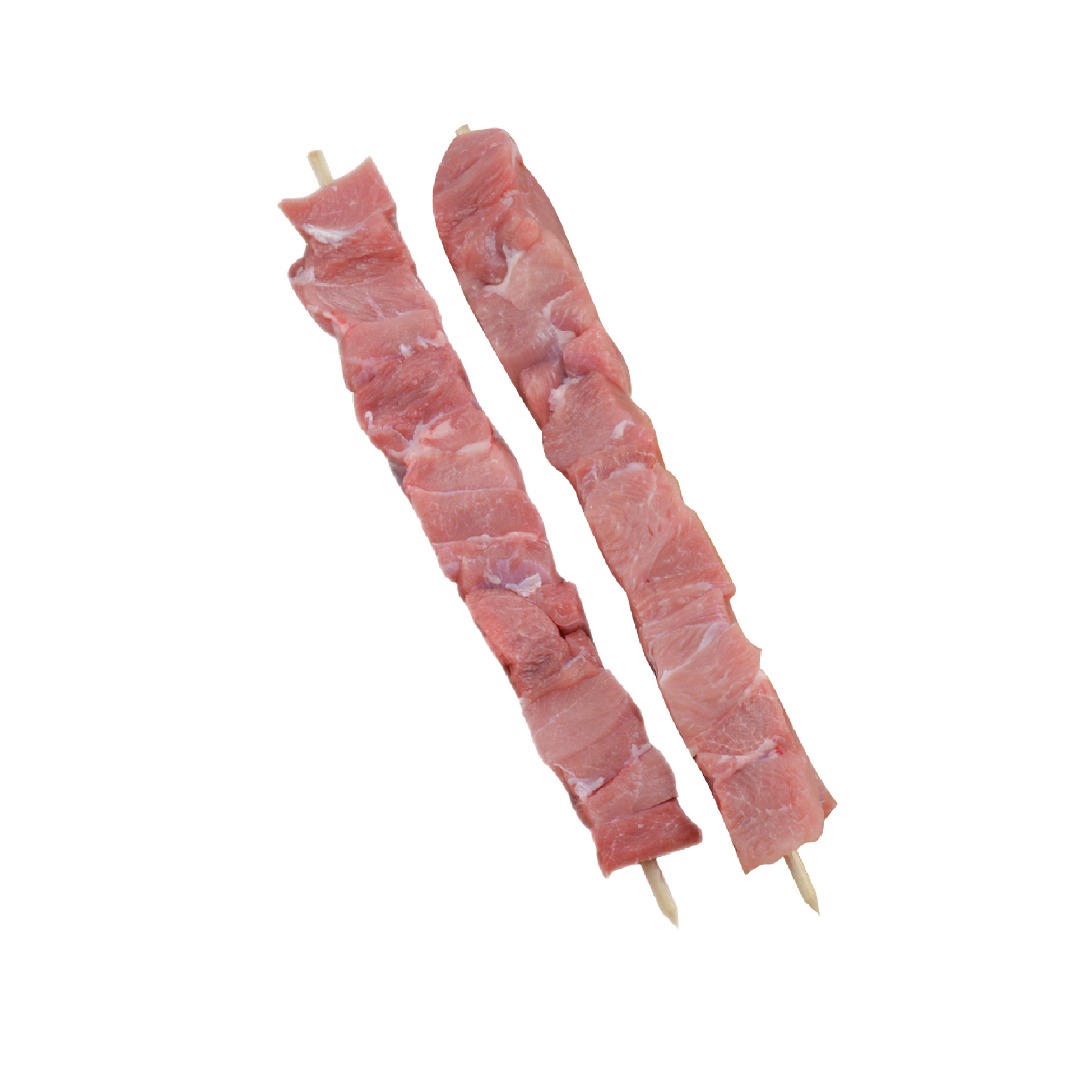
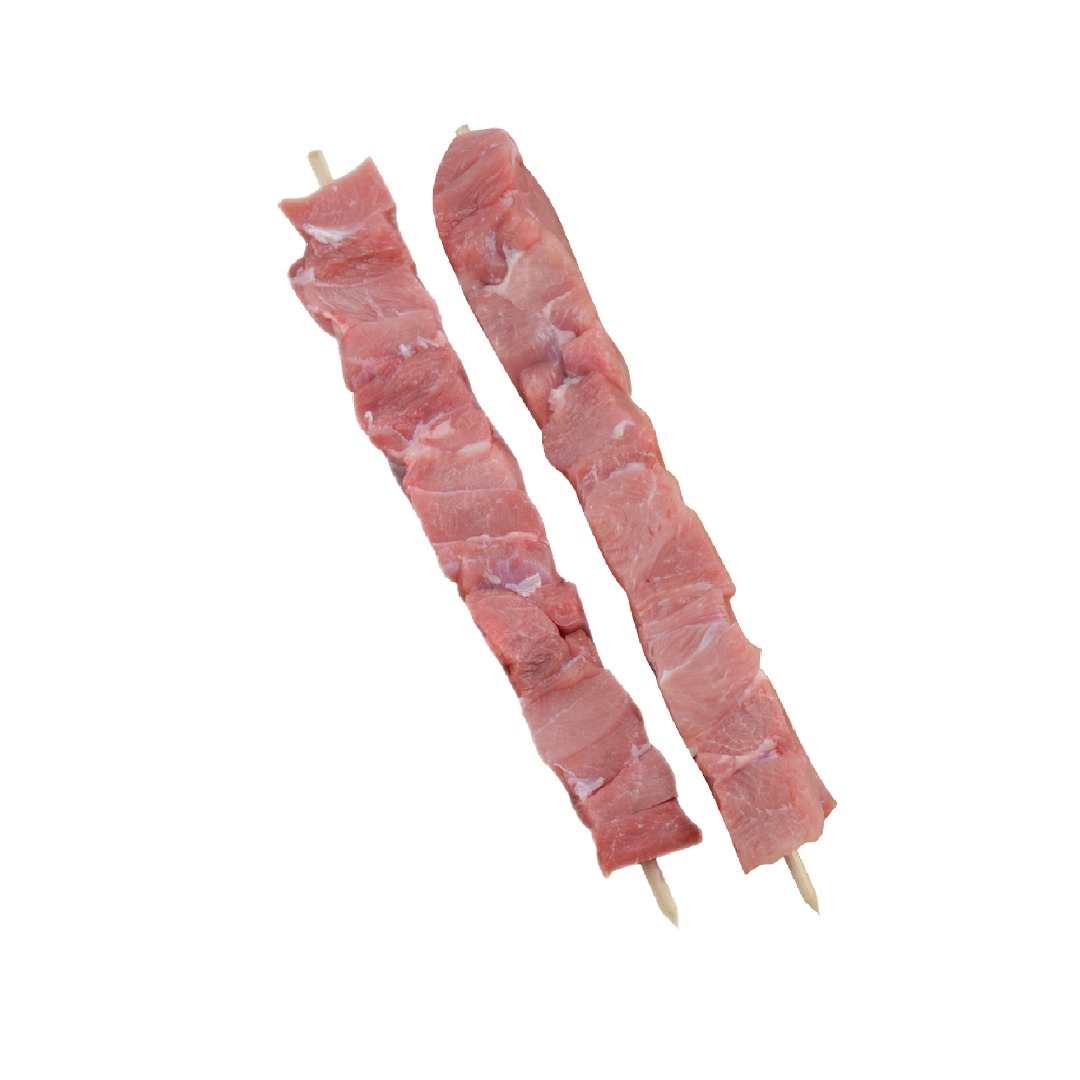
France -Two Varieties of Turkey Skewers – Salmonella

Gov France

Gov France

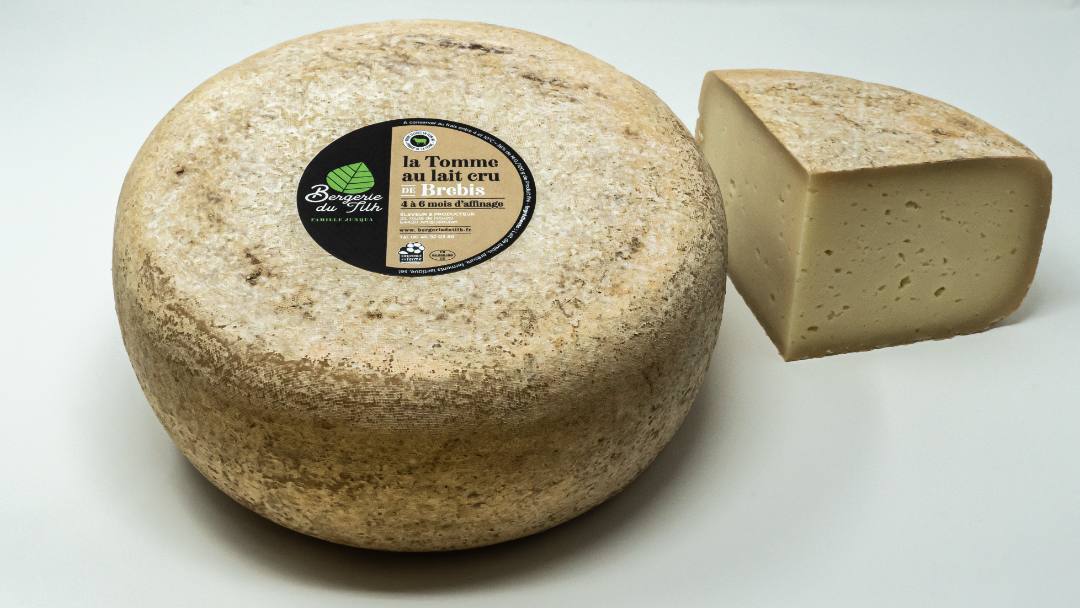
France – Sheep’s Tomme, Tommette, soft pasta with raw sheep’s milk – Listeria monocytogenes

Gov France

Product category
Food
Product subcategory
Milk and dairy products
Product brand name
Bergerie du Tilh
Model names or references
Tomme, Titou, Bichon, Arriel
Product identification
Batch Date
Lots of 1 to 10 Recommended consumption date 02/18/2024
Start/end date of marketing
From 01/11/2023 to 18/01/2024
Storage temperature
Product to keep in the refrigerator
Health mark
64,059,100
Geographical sales area
Regions: Nouvelle-Aquitaine, Occitanie
Distributors
Farm sale, Ferm’Envie, Aux Saveurs de la Ferme, Points Verts, Les 5C, AMAP

France – Norovirus suspected in large Airbus outbreak

Food Safety News

Norovirus has been determined to be the suspected cause of a large outbreak at Airbus in France in late 2023, according to public health officials.

The Loire-Atlantique regional health agency (ARS) believes norovirus was behind almost 700 people falling sick at the Airbus Atlantic Christmas lunch in mid-December. Findings are based on the clinical symptoms in patients and the time it took for them to appear.

Sick people reported suffering from nausea, vomiting, and diarrhea after the event in Montoir at the company’s restaurant. Testing of food leftovers was negative for norovirus. No detail was given on whether patients or food handlers had been tested.

The varied menu is said to have included a cheese plate, a starter with scallops, a foie gras terrine, beef in sauce, and a lobster dish.