Monthly Archives: January 2024

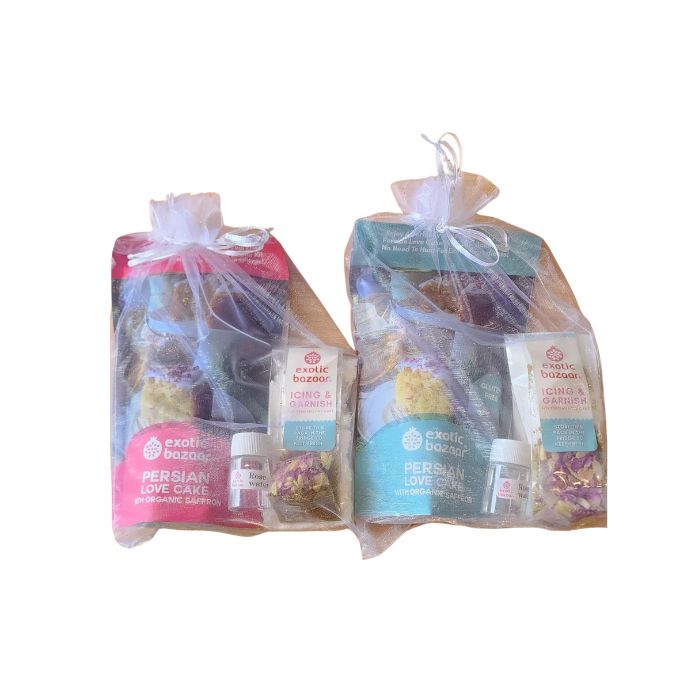
Australia – Exotic Bazaar- Persian Love Cake Baking Kit- Original and Gluten Free 420g – Mold/Mould

FSANZ

Persian Love Cake Image Food Recall

Exotic Bazaar is conducting a recall of the above products. The products have been available for sale at their online store nationally.

Date Marking: Best Before July 2024

Problem:

The recall is due to Mould growth found in the 15ml rosewater bottle.

Food safety hazard:

microbial contamination (mould)

What to do:

Consumers should not drink or open this product and should dispose of it safely. Please contact Exotic Bazaar for safe disposal instructions and reimbursement. Any consumers concerned about their health should seek medical advice.

For further information:

Exotic Bazaar

hello@exoticbazaar.com.au

ExoticBazaar.com.au

Related Links:

USA – FDA Advises Restaurants and Retailers Not to Serve or Sell and Consumers Not to Eat Certain Oysters from Bahia Salina in Sonora, Mexico Potentially Contaminated with Norovirus

FDA

Audience

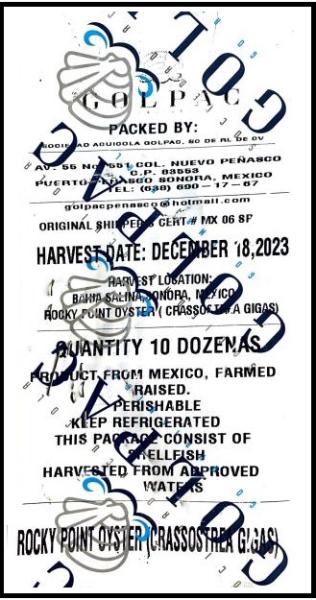
  • Restaurants and food retailers in California that have recently purchased oysters from Sociedad Acuicola GolPac (MX 06 SP) harvested from Bahia Salina, Sonora, Mexico on 12/18/2023 or 12/27/2023.
  • Consumers in California who have recently consumed oysters in San Diego or Los Angeles County, CA restaurants sourced from Sociedad Acuicola GolPac (MX 06 SP) harvested from Bahia Salina, Sonora, Mexico on 12/18/2023 or 12/27/2023.

Product

  • Certain oysters from Sociedad Acuicola GolPac (MX 06 SP) harvested from Bahia Salina, Sonora, Mexico on 12/18/2023 or 12/27/2023. The oysters were distributed to restaurants and retailers in California and may have been distributed to other states as well.
Product Label of Bahia Salina Oysters (Safety Alert of Contaminated Oysters from Sonora, Mexico, January 2024)

Purpose

The FDA is advising restaurants and food retailers not to serve or sell and to dispose of oysters and consumers not to eat oysters from Sociedad Acuicola GolPac (MX 06 SP) harvested from Bahia Salina, Sonora, Mexico on 12/18/2023 or 12/27/2023 because they may be contaminated with norovirus.

Oysters contaminated with norovirus can cause illness if eaten raw, and potentially severe illness in people with compromised immune systems. Food containing norovirus may look, smell, and taste normal. Consumers of these products who are experiencing symptoms of illness should contact their healthcare provider and report their symptoms to their local Health Department. Diarrhea, abdominal cramps, nausea, vomiting, and fever may be associated with gastroenteritis infections caused by this organism.

Catalonia – Alert for the presence of Listeria monocytogenes in gorgonzola cheese from Italy

ACSA

gorgonzola cheese affected by the alert

The Spanish Agency for Food Safety and Nutrition (AESAN) has been informed by the autonomous community of Galicia, through the Coordinated Rapid Information Exchange System (SCIRI) , of the presence of Listeria monocytogenes in Gorgonzola brand cheese Cucina Nobile, marketed by the company ALDI SUPERMERDADOS SL, which has warned its customers through its website.

The data of the product involved are:

  • Product name (on label): Gorgonzola cheese
  • Brand/trade name: CUCINA NOBILE
  • Product appearance: Packed in 200g units, refrigerated
  • Lot number: L33812011

According to the information available, the initial distribution has been in the autonomous communities of Catalonia , Andalusia, Aragon, Principality of Asturias, Cantabria, Castile and Leon, Castile-La Mancha, Community of Madrid, Navarra, Valencian Community, Extremadura, Galicia, Balearic Islands, La Rioja, Basque Country and Region of Murcia, although it cannot be ruled out that there may be redistributions to other autonomous communities.

AESAN has transferred this information to the competent authorities of the autonomous communities through the SCIRI, in order to verify the withdrawal of the affected products from the marketing channels.

People who have products affected by this alert at home are advised to refrain from consuming them.

If you have consumed any of the products from the affected batches and have symptoms compatible with listeriosis (vomiting, diarrhea and fever), it is recommended to go to a health center.

Italy – Smoked Scottish Salmon – Listeria monocytogenes

Salute

Brand : KV NORDIC

Name : Smoked Scottish Salmon

Reason for reporting : Recall due to microbiological risk

Publication date : 12 January 2024

Documentation

Documentation

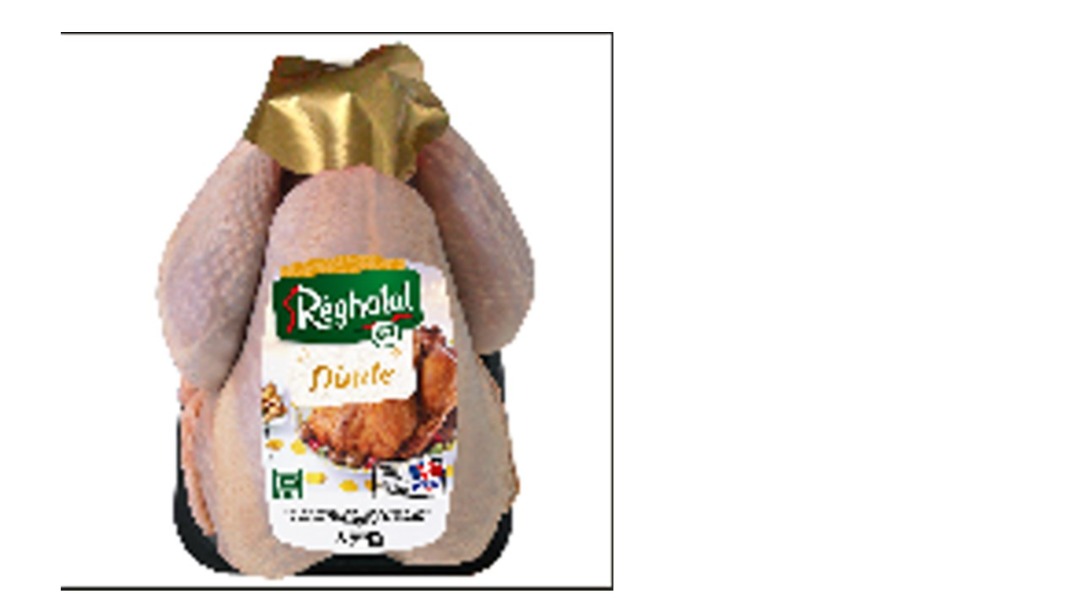
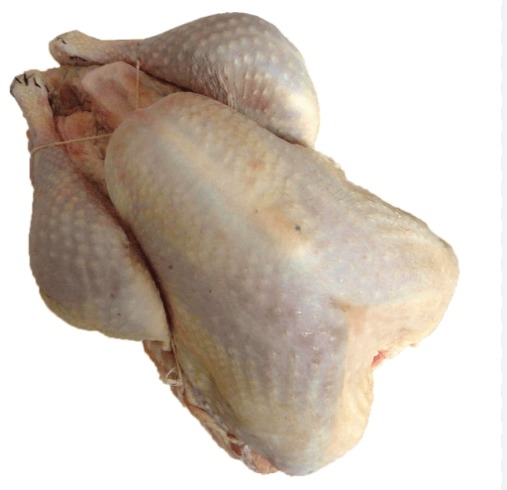
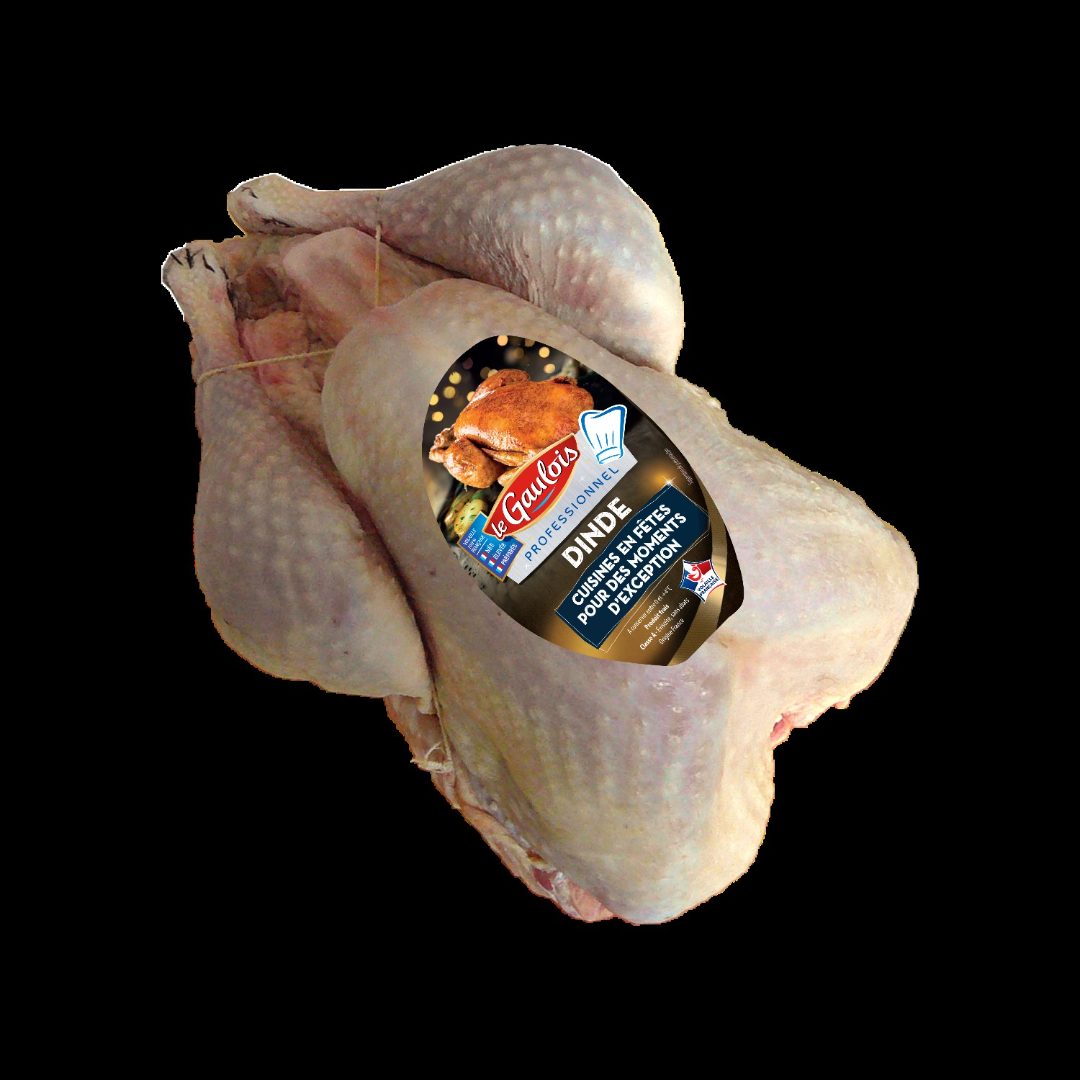
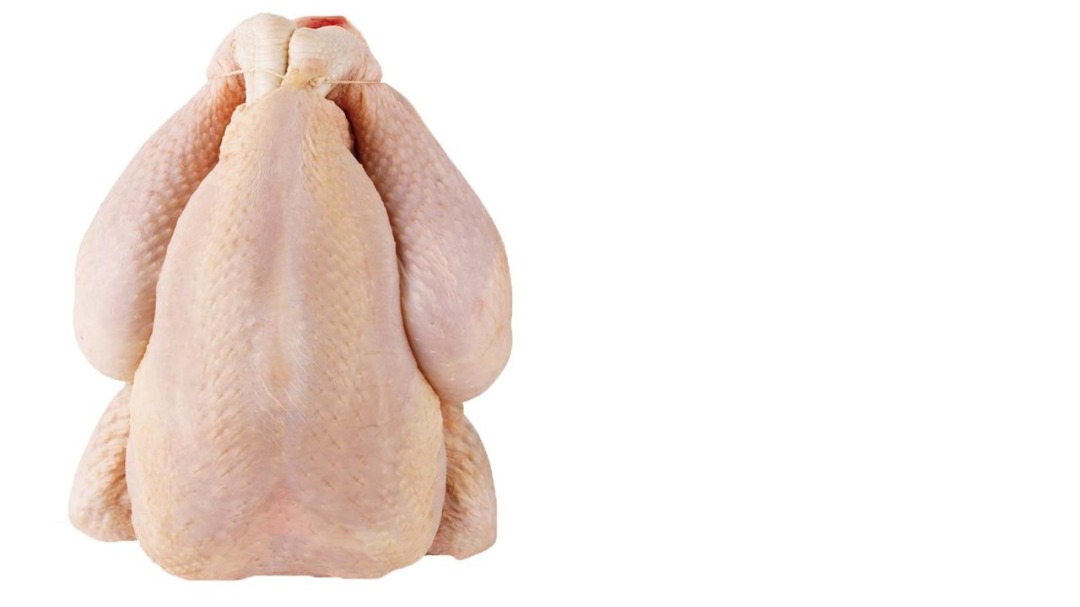
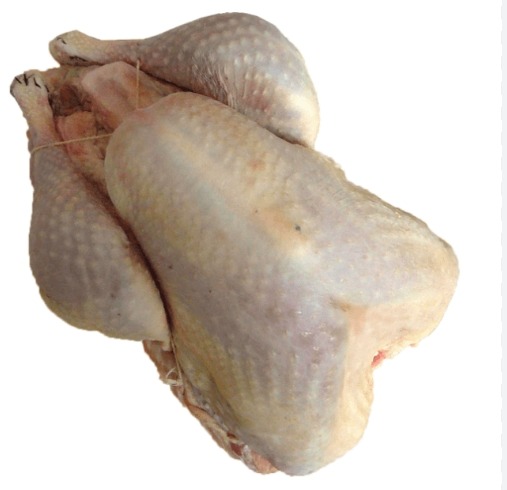
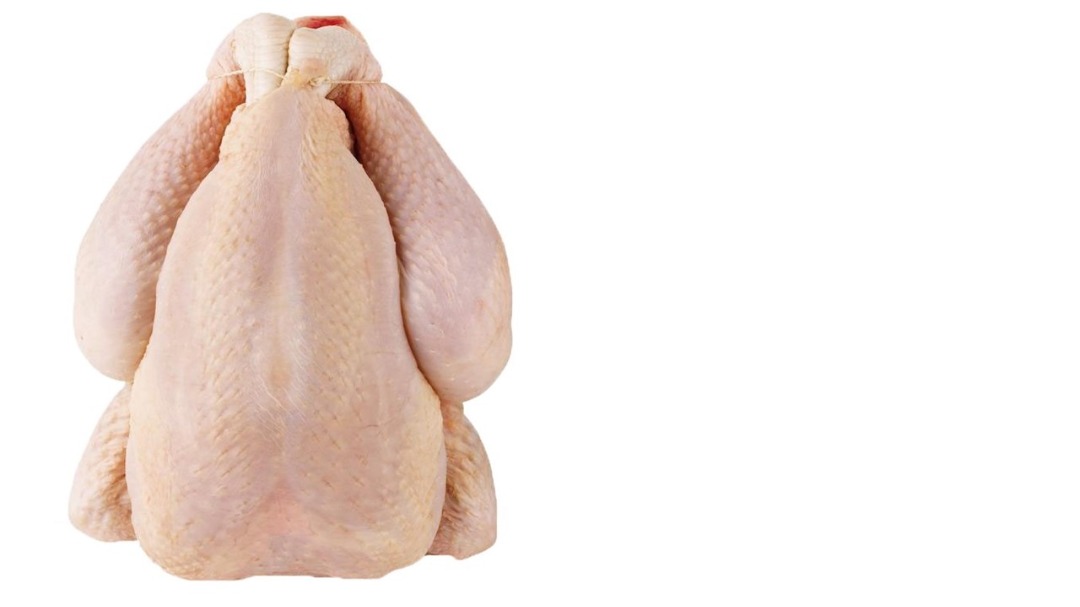
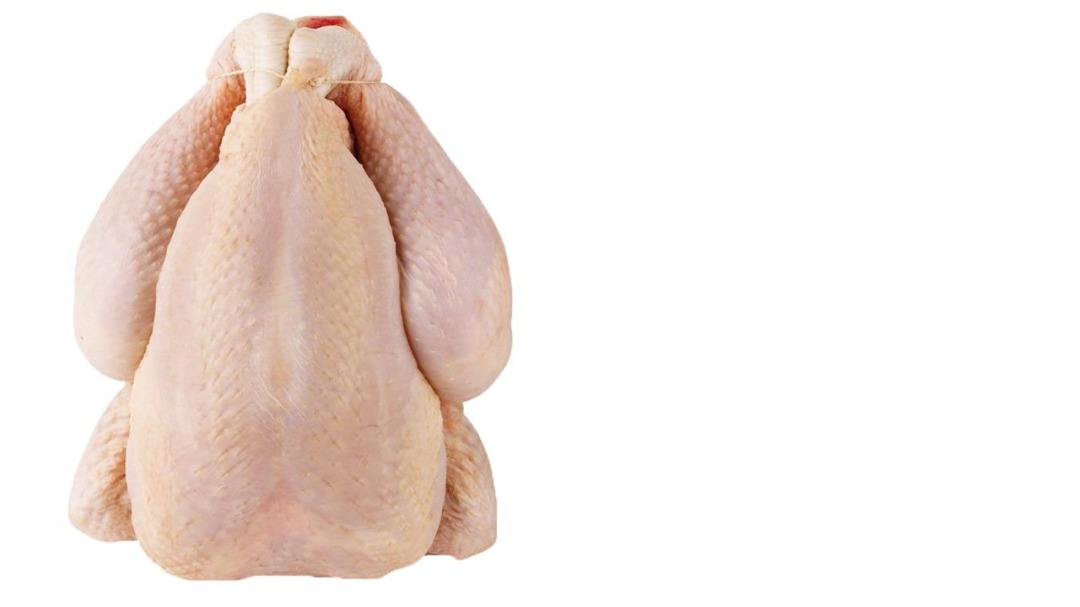
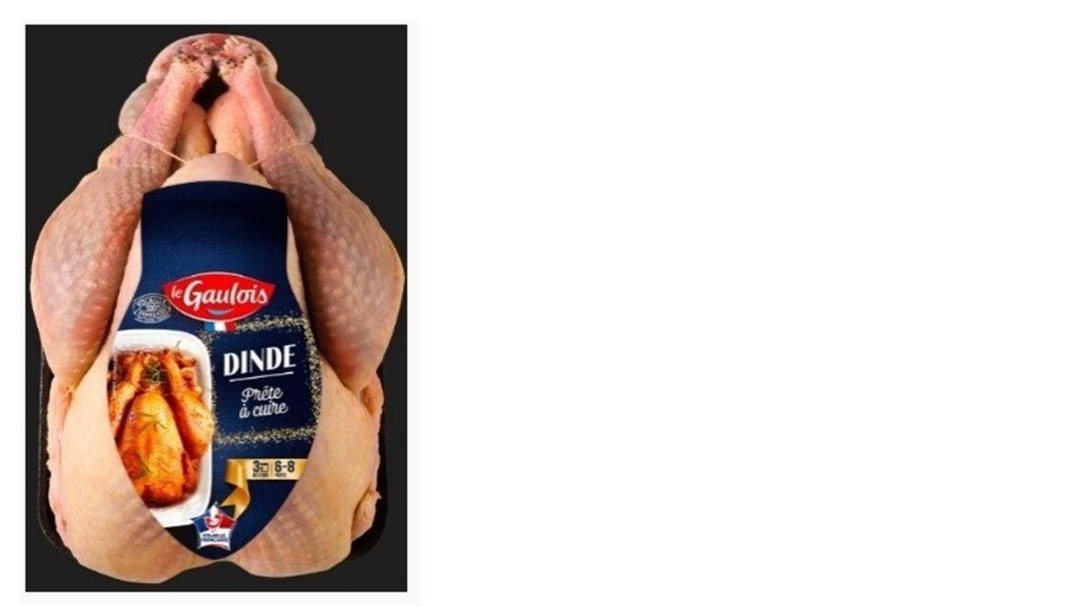
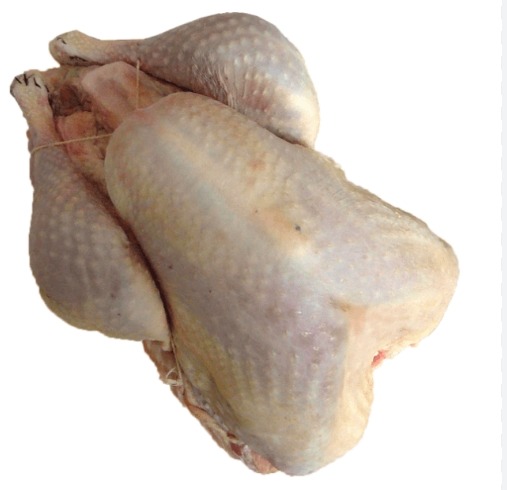
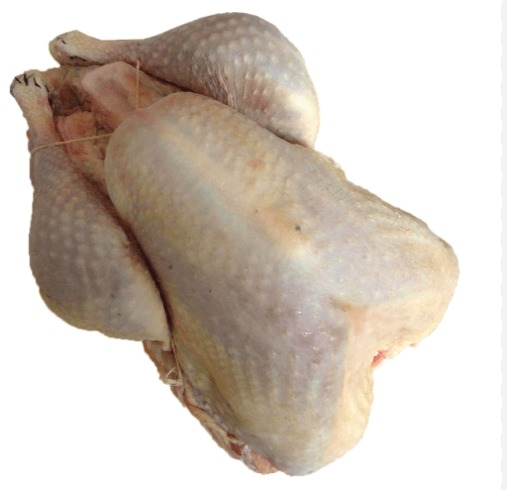
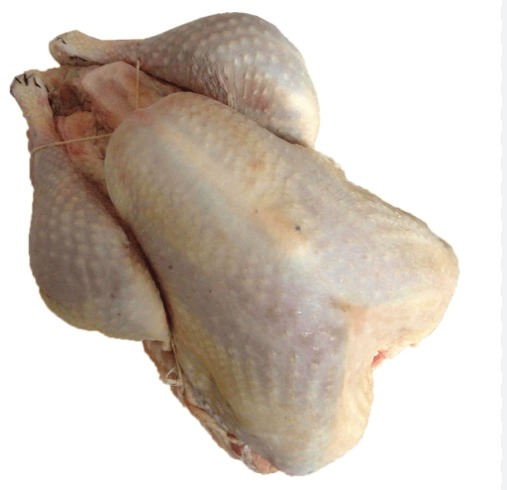
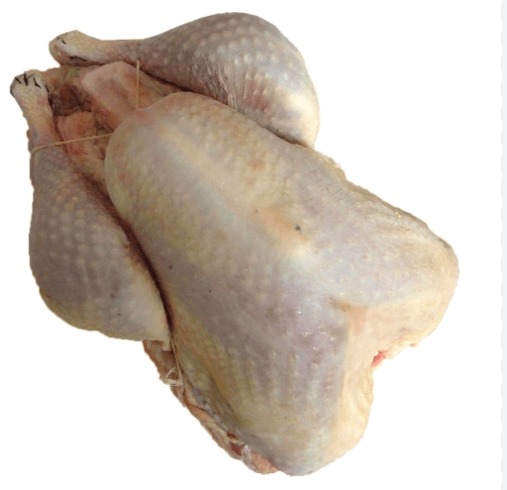
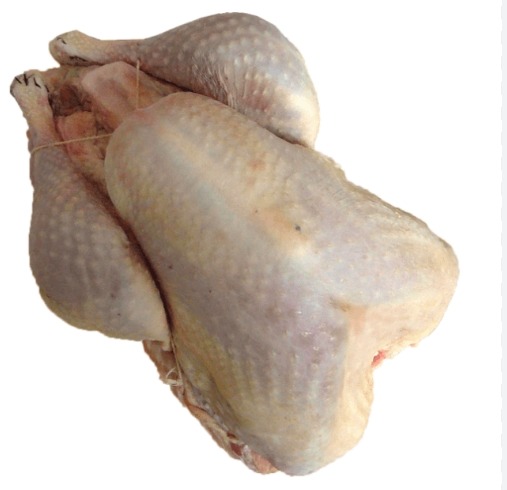
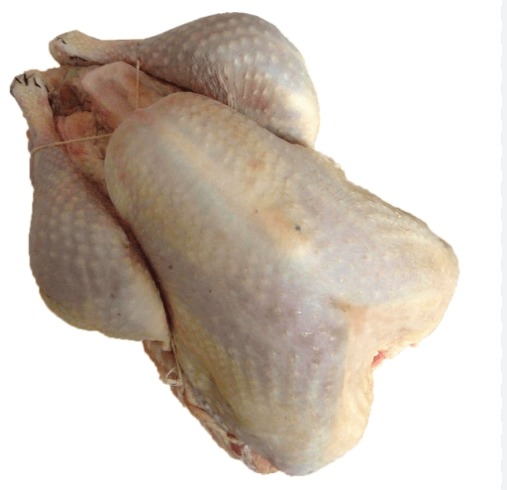
France – Various Whole Turkey Ready to Cook Products – Listeria monocytogenes

Gov France

READY TO COOK TURKEY

Brand: REGHALAL

Gov France

Turkey Ready to Cook

Brand: AUTHENTIC HALAL

Gov France

Turkey Ready to Cook

Brand: AUTHENTIC HALAL

Gov France

Turkey Ready to Cook

Brand: LE GAULOIS PRO

Gov France

TURKEY READY TO COOK NAKED

Brand: LE GAULOIS PROFESSIONAL

Gov France

Turkey Ready to Cook

Brand: HALAL MEDINA

Gov France

Turkey Ready to Cook

Brand: REMIN RAMON POULTRY

Gov France

Turkey Ready to Cook

Brand: FINE FRANCE

Gov France

Turkey Ready to Cook

Brand: LE GAULOIS PRO

Gov France

READY TO COOK TURKEY

Brand: LE GAULOIS PROFESSIONAL

Gov France

READY TO COOK TURKEY

Brand: LE GAULOIS PROFESSIONAL

Gov France

READY TO COOK TURKEY

Brand: LE GAULOIS

Gov France

Turkey Ready to Cook

Brand: LE GAULOIS PRO

Gov France

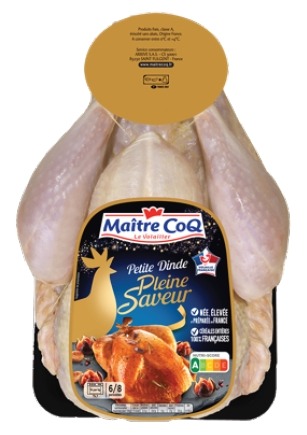
Little Turkey

Brand: MAÎTRE COQ

Gov France

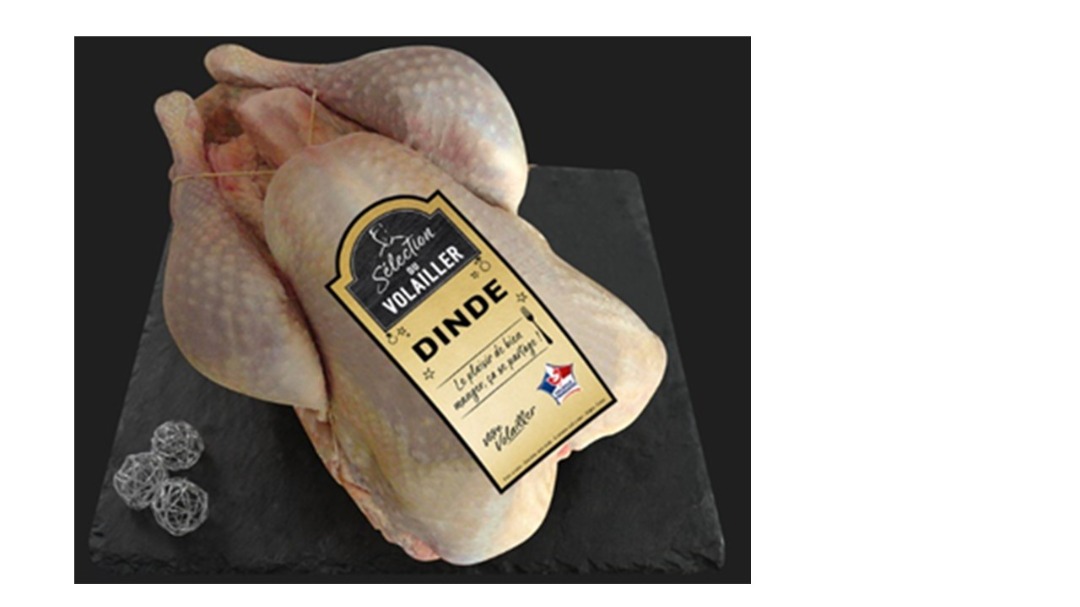
Turkey Ready to Cook

Brand: SELECTION DU POULTRY

Gov France

TURKEY READY TO COOK NAKED

Brand: SELECTION DU POULTRY

Gov France

Turkey Ready to Cook

Brand: COLRUYT

Gov France

Turkey Ready to Cook

Brand: HALAL MEDINA

Gov France

Turkey Ready to Cook

Brand: VICOMTE PRO

Gov France

Turkey Ready to Cook

Brand: COLRUYT

Canada – Various parfait and yogurt bowls recalled due to Salmonella

CFIA

Summary

Product
Various parfait and yogurt bowls
Issue
Food – Microbial Contamination – Salmonella
What to do

Do not consume, use, sell, serve or distribute recalled products

Distribution
National

Issue

The affected products are being recalled from the marketplace due to possible Salmonella contamination. These products were made using granola recalled by Quaker Canada on January 11, 2024.

List of Loblaw banners:

  • Atlantic: Atlantic Superstore, Dominion, Atlantic Your Independent Grocer, Wholesale Club
  • Quebec: Provigo, Maxi, Wholesale Club
  • Ontario: Superstore, Fortinos, Loblaw, Valu-Mart, Your Independent Grocer, Zehrs
  • Western Canada: Superstore, Your Independent Grocer, Extra Foods, Wholesale Club

List of Sobeys banners:

  • Atlantic: Coop, Foodland, Sobeys
  • Quebec: IGA, IGA Extra, IGA Express, IGA Mini, Tradition, Bonichoix, Bonisoir, Omni, Voisin, Rachelle-Béry
  • Ontario: Foodland, Sobeys
  • Western Canada: IGA, Safeway, Sobeys, Thrifty Foods

What you should do

  • If you think you became sick from consuming a recalled product, contact your healthcare provider
  • Check to see if you have recalled products
  • Do not consume, serve, use, sell, or distribute recalled products
  • Recalled products should be thrown out or returned to the location where they were purchased

Food contaminated with Salmonella may not look or smell spoiled but can still make you sick. Young children, pregnant women, the elderly and people with weakened immune systems may contract serious and sometimes deadly infections. Healthy people may experience short-term symptoms such as fever, headache, vomiting, nausea, abdominal cramps and diarrhea. Long-term complications may include severe arthritis.

Quebec -Notice not to consume BBQ meatloaf prepared and sold by the company Boucherie Thibault inc – E.coli

Quebec

QUEBEC CITY ,  Jan. 11, 2024 /CNW/ – The Ministry of Agriculture, Fisheries and Food (MAPAQ), in collaboration with the company Boucherie Thibault inc. , located at 1739, avenue des Érables, in Plessisville , advises the population not to consume the product indicated in the table below, because this food is likely to contain the E. coli bacteria .

Product name

Format

Target lot

“BBQ POTATO AND VEGETABLE MEATLOAF”

Unitary

BEST AV

24-JA-14 

The product which is the subject of this warning was offered for sale until January 11, 2024, and only at the establishment designated above. The product was packaged in an aluminum tray with a transparent plastic lid and sold refrigerated.

The operator is recalling the product in question. He agreed with MAPAQ to broadcast this warning as a precautionary measure. In addition, people who have this product in their possession are advised not to consume it. They must return it to the establishment where they purchased it or throw it away. Food contaminated with E. coli bacteria does not necessarily show visible spoilage or a suspicious odor, but can still make a person who consumes it sick. Possible symptoms are: nausea, vomiting, more or less acute abdominal cramps and watery or bloody diarrhea.

It should be noted that no cases of illness associated with the consumption of this food have been reported to MAPAQ to date.

Research – Prevention and controlof microbiological hazardsin fresh fruits and vegetables Parts 1 & 2: General principle

FAO

FAO & WHO. 2023. Prevention and control of microbiological hazards in fresh fruits and vegetables – Parts 1 & 2: General principles. Meeting report. Microbiological Risk Assessment Series, No. 42. Rome.
https://doi.org/10.4060/cc8490

Executive summary
Introduction
The purpose of the meetings was to collect, review and discuss relevant measures
for control of microbiological hazards from primary production to point of sale in
fresh, ready-to-eat (RTE), and minimally processed fruits and vegetables, including
leafy vegetables.
The scope of the meetings included aspects of primary production in open fields
or in protected facilities (such as high and low tunnels, production under cover,
greenhouses and net houses, and address hydroponic and aquaponic systems,
and other systems as required) and post-harvest activities, including activities
performed prior to packing, minimal processing, distribution, maintenance of
the cold chain where applicable, transportation, and handling at point of sale.
Emphasis was placed on the identification and evaluation of solutions to reduce
microbiological risks that result in foodborne illnesses associated with fresh fruits
and vegetables produced in various regions of the world, taking into consideration
their effectiveness and sui

Research – Challenges with food safety adoption: A review

Wiley Online

Globally, the risk of foodborne diseases is high among the young, old, pregnant and immunocompromised groups. Strategies to improve safe food supply are poorly understood among stakeholders. In this paper, we discuss the importance of the adoption of food safety standards, the effects of non-compliance of food safety protocols, consumer-producer awareness of food safety, and the challenges involved in the adoption of food safety protocols. The major challenges include gaps in dissemination of relevant information, the cost involved in adoption of many food safety programs; low educational levels of food handlers, insufficient food testing laboratories; inadequate funding, equipment, and skilled personnel; and cost of training and education; and lack of coordination among organizations handling food safety issues. Building competencies of food safety personnel, inspectorates, national or regional laboratories and adequate resource support to industry and supporting agencies will enhance safety of the global food supply.

Research – Salmonella in horses at slaughter and public health effects in Italy

Science Direct

Abstract

The study assessed the role of equids at slaughter as faecal carriers of Salmonella enterica and the occurrence of contaminated equid carcasses during the slaughter process in Northern Italy (Emilia-Romagna Region). From June to November 2021, 152 equids (146 horses, 5 donkeys and 1 mule) were tested for Salmonella both in caecal contents and through carcass swabs. Antimicrobial resistance (AMR) of recovered strains was tested against 15 antimicrobials. Salmonella was detected in 3/152 of the caecal contents (2.0 %), while all carcass samples were negative. S. enterica serovars Enteriditis, Typhimurium and Stanleyville were identified. The only AMR isolate was S. Typhimurium with AMR profile AmCStxT.

Considering the consumption of raw horse meat (i.e., minced raw meat named “pesto di cavallo” and dried and smoked strips named “sfilacci di cavallo”) in different areas of Northern Italy, we also investigated the possible link between horse meat eating and salmonellosis cases in the human population in the same area. Specifically, we compared the Salmonella strains collected during the study with those routinely processed in the laboratory surveillance system for human salmonellosis in Emilia-Romagna (a region with about 4.5 million inhabitants). The comparison was based on whole genome sequencing data through core genome multi-locus sequence typing (cgMLST) used in routine surveillance. A genomic match in cgMLST was found between the strain of S. enterica serovar Enteritidis isolated from a horse caecal content and an enduring outbreak of 17 human cases in Emilia-Romagna during the study period. The consequent epidemiological investigation highlighted that a number of cases with known food history reported the consumption of horse meat and traced different batches of the consumed meat, released weeks apart from each other, to the slaughter investigated in the study. The results of the epidemiological investigation suggested the role of horses in the S. enterica serovar Enteritidis outbreak affecting raw horse meat consumers.

This study shows that, despite the low prevalence on equid carcasses, S. enterica in horse meat can represent a risk to consumers. From the perspective of the slaughter activities, this highlights the need to maintain a high level of hygiene during the entire process, starting from the hygiene at lairage up to the slaughtering phase and dressing of carcasses.