Monthly Archives: April 2022

Hong Kong – Not to consume an imported chocolate product with possible contamination with Salmonella

CFS

Issue Date 19.4.2022
Source of Information Notification from the Rapid Alert System for Food and Feed of the European Commission
Food Product Chocolate product
Product Name and Description Product name: Kinder Happy Moments Mini Mix 162g
Brand: Kinder
Place of origin: Belgium
Net weight: 162 grams per pack
Best-before dates: July 7, 2022, and July 8, 2022
Reason For Issuing Alert
  • The Centre for Food Safety (CFS) received a notification from the Rapid Alert System for Food and Feed of the European Commission that the above-mentioned batches of a chocolate product are suspected to be contaminated with Salmonella and have been imported into Hong Kong.
  • Subsequent to earlier announcements that some imported chocolate products might have been contaminated with Salmonella, a pathogen, follow-up investigations showed another affected product has been imported to Hong Kong for export to the Mainland. The product was not put on sale in Hong Kong.
  • Salmonella infection may cause fever and gastrointestinal upset such as vomiting, abdominal pain and diarrhoea. The effects on infants, young children, the elderly and persons with a weak immune system could be more severe and may even lead to death.
Action Taken by the Centre for Food Safety
  • Upon learning of the incident, the CFS immediately contacted local importers for follow-up.
  • The CFS’s follow up investigations found that an importer, Hongkong Ehigo E.commerce Co Ltd, had imported the affected batches of the product for export to the Mainland. All the products are stored inside a warehouse after import and they have not entered the local market.
  • The CFS has inspected the warehouse and marked and sealed the product concerned. The operator was also instructed to dispose of all the product concerned and the CFS has notified the Mainland authorities concerned of the incident.
  • The CFS has stepped up testing of related products as well as alerting the trade to the incident, and will continue to follow up, closely liaise with overseas authorities and take appropriate action. Investigation is ongoing.
Advice to the Trade
  • The trade should stop using or selling the affected products immediately if they possess them.
Advice to Consumers
  • Do not consume the affected product.
Further Information The CFS press release

The latest information on the affected products can be found at the CFS’s Food Incident Post webpage: http://www.cfs.gov.hk/english/rc/subject/fi_list.html

Centre for Food Safety
Food and Environmental Hygiene Department
2022-4-19

USA – La Fuente link in Norovirus Outbreak

Food Poison Journal

Food Borne Illness - Norovirus -CDC Photo

Summary

Public Health is investigating an outbreak of norovirus associated with vomiting, diarrhea, abdominal pain, and chills at La Fuente in Renton.

Illnesses

Since April 13, 2022, 10 people from 2 separate meal parties reported becoming ill after eating food from La Fuente on April 10, 2022. We have not identified any ill employees.

USA – Organic Zucchini recalled after Salmonella positive test

Food Poison Journal

World Variety Produce, Inc. of Los Angeles, CA is voluntarily recalling case lot #38706503 of Organic Zucchini, because it has the potential to be contaminated with Salmonella, an organism which can cause serious and sometimes fatal infections in young children, frail or elderly people, and others with weakened immune systems.

Recalled Organic Marketside Zucchini can be identified by the following descriptions:

Brand Organic Marketside
Packaging Clear Overwrap Tray
Pack/Weight 2ct / Net Wt. 6oz (170g)
UPC Code 6-81131-22105-4
Case Lot Number 38706503

No illnesses have been reported to date.

This recall was initiated because a single lot of imported organic zucchini tested positive for salmonella as a result of a routine FDA sampling.

USA – New Salmonella outbreak possibly linked to chicken under investigation by USDA

Food Safety News

The USDA is investigating a new Salmonella Enteritidis outbreak but little information has been released.

Chicken has been identified as the possible source for the pathogen, according to the U.S. Department of Agriculture’s Food Safety Inspection Service.

The agency has not released any information regarding the number of infected people or where they live. Similarly, no information  has been released about companies involved in the investigation or brands of chicken involved.

As of April 19 the Centers for Disease Control and Prevention had not released any information regarding the outbreak.

Research – Initial and Final Cell Concentrations Significantly Influence the Maximum Growth Rate of Listeria monocytogenes in Published Literature Data for Whole Intact Fresh Produce

Journal of Food Protection

Listeria monocytogenes has shown the ability to grow on fresh uncut produce, however the factors that control growth are not well understood. Peer reviewed journal articles (n=29) meeting the inclusion criteria and related to the growth of Listeria monocytogenes of fresh produce were found through university library databases and Google Scholar searches. Growth models were fit to each of the extracted 130 datasets to estimate log CFU/day rates of growth using the DMfit tool. Multiple linear stepwise regression models for factors influencing growth rate were developed using the software R. Factors included were temperature, nutrient level of inoculation buffer, initial cell concentration, final cell concentration, inoculation method, container permeability, and surface characteristics. The full model produced adjusted-R2, AIC and RMSE values of 0.41, 488 and 1.61 respectively. Stepwise regression resulted in a reduced model with parameters for incubation temperature, inoculation buffer type, initial and final cell concentrations, container characteristics and produce surface characteristics. Model fit statistics improved slightly in the reduced model. A further reduced 3-parameter model included storage temperature and initial and final cell concentration with interaction terms. This 3-parameter model had adjusted-R2, AIC and RMSE values of 0.66, 417 and 1.24 respectively. Incubation temperature (p=1.00E-09) initial cell concentration (p=3.05E-12) final cell concentration (p=4.17E-09) all had highly significant effects on maximum growth rate. Our findings show the importance of inoculum concentration and produce microbial carrying capacity on the estimated growth rate and highlight the overall importance that temperature has on growth rate. Future experiments should consider initial inoculum concentration carefully when conducting growth studies for L. monocytogenes on whole produce.

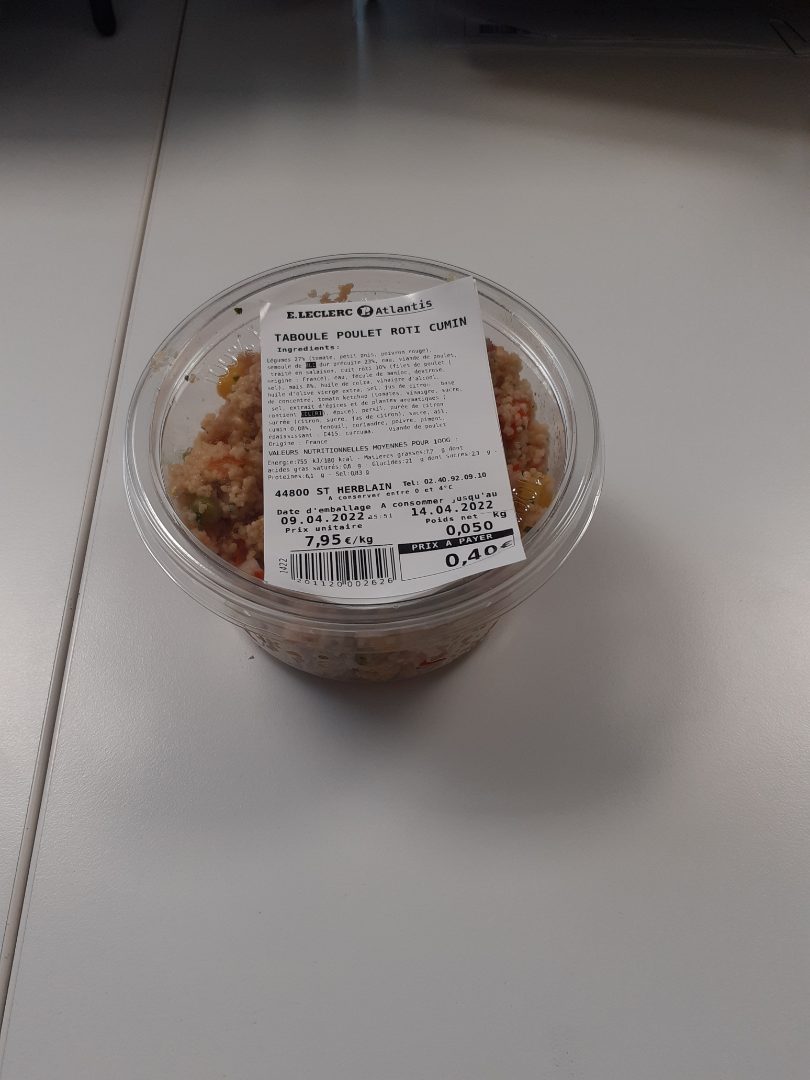
France – Chicken Tabbouleh – Listeria monocytogenes

Gov france

Identification information of the recalled product

  • Product category Food
  • Product subcategory Prepared meals and snacks
  • Product brand name Leclerc
  • Model names or references Self-service tray
  • Identification of products
    GTIN Batch Date
    0201120000000 Lot sold between 09/04/2022 and 11/04/2022 Use-by date 04/14/2022
  • Packaging Round plastic tray
  • Marketing start/end date From 09/04/2022 to 11/04/2022
  • Storage temperature Product to be stored in the refrigerator
  • Geographic area of ​​sale Leclerc ATLANTIS
  • Distributors Leclerc Atlantis

Practical information regarding the recall

  • Reason for recall Suspicion of Listeria
  • Risks incurred by the consumer Listeria monocytogenes (causative agent of listeriosis)

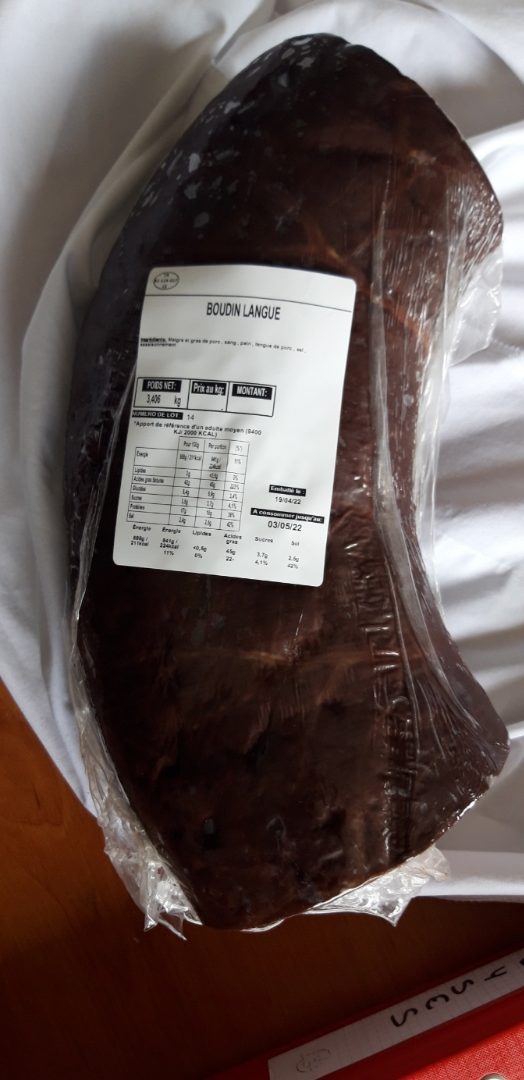
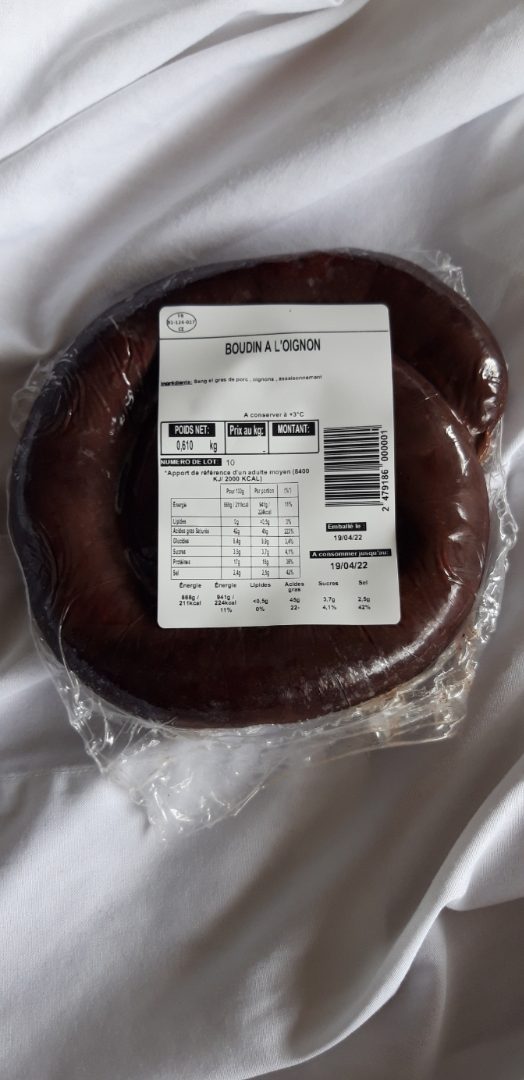
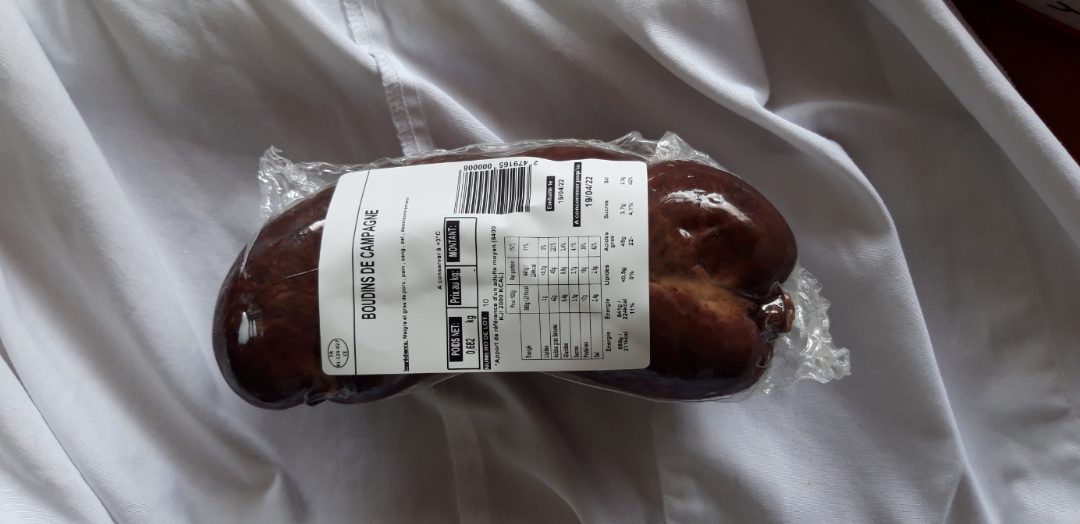
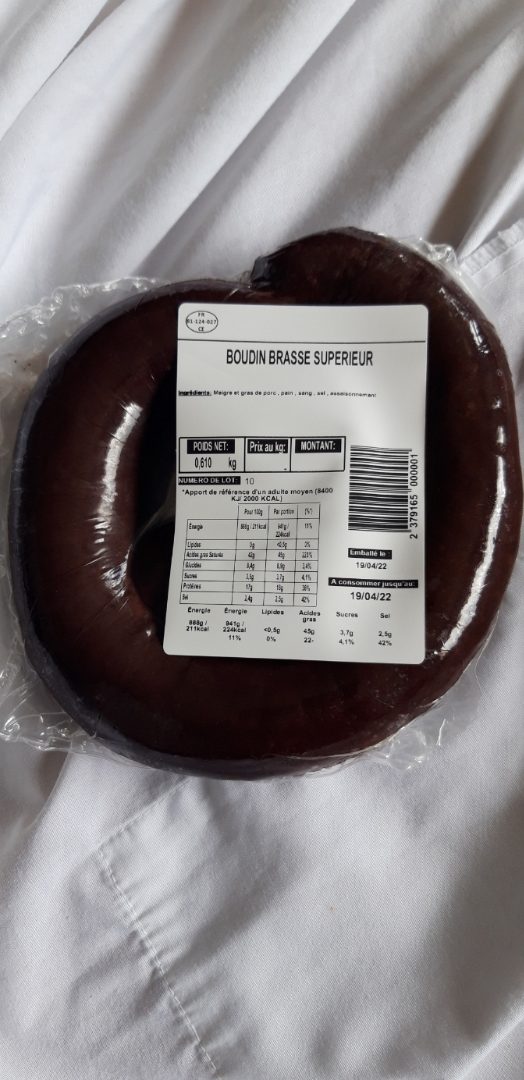
France -POUDS POUDS ONIONS POUDS TONGUES POUDS BREATHS – Listeria monocytogenes

Gov france

Identification information of the recalled product

  • Product category Food
  • Product subcategory Meats
  • Product brand name SALTED FROM LA VERNEDE
  • Model names or references SPOTS TONGUES SPOTS ONIONS SPOTS BREASTS SPOTS
  • Identification of products
    Batch
    10-12-14
  • Packaging UNDER VACUUM
  • Marketing start/end date From 03/10/2022 to 04/15/2022
  • Storage temperature Product to be stored in the refrigerator
  • Health markFR81124027CE
  • Further informationFR81124027 THIS SALAISONS DE LA VERNEDE
  • Geographic area of ​​sale Whole France
  • Distributors SEE ADDITIONAL INFORMATION

Practical information regarding the recall

  • Reason for recall LISTERIA MONOCYTOGENES
  • Risks incurred by the consumer Listeria monocytogenes (causative agent of listeriosis)

Spain – Presence of salmonella in organic food supplements from Germany with raw material from Sri Lanka

asca

The German health authorities have communicated through the European Commission the withdrawal from the market of a food supplement due to the presence of Salmonella spp.

The product involved is:

  • Product name (on the label): Organic Moringa
  • Trademark: VEGAVERO
  • Appearance, weight and packaging: 270 capsules.
  • Batch number and best before date: 44494-1761 (28.02.2024); 44459-1701 (01.31.2024) and 44494-1762 (02.28.2024) .
  • Storage temperature: room.

– The product is marketed online through the Amazon platform and the company’s own website https://www.vegavero.com/ .

This product has been alerted in the Coordinated System for the Rapid Exchange of Information (SCIRI) and the withdrawal from the corresponding market will be supervised by the competent authorities.

With the available information , there is NO record in Spain of any notified case associated with this alert.

Research – Investigation of an international outbreak of multidrug-resistant monophasic Salmonella Typhimurium associated with chocolate products, EU/EEA and United Kingdom, February to April 2022

Eurosurveillance

In February 2022, a small five-single nucleotide polymorphism (SNP) single linkage cluster of eight cases of infection with monophasic  subsp.  serotype Typhimurium (1,4,5,12:i:-) eBG 1, sequence type (ST) 34 was identified in the United Kingdom (UK). The cluster was unusual, with all but one reported case younger than 10 years, and the strain demonstrated genotypic markers of an unusual antimicrobial resistance pattern not commonly seen in livestock, food or human disease cases in the UK. The cluster was not closely related to any other UK strains of monophasic  Typhimurium.

Exploratory interviews using an open-ended, anthropological approach (not binary yes/no questions) were undertaken with the parents/guardians of five cases in England for hypothesis generation. Subsequently, a targeted questionnaire to refine hypotheses identified through the exploratory interviews was used, confirming a strong signal for a specific brand of chocolate products.

Following the UK’s notification on the European Centre for Disease Prevention and Control (ECDC) EpiPulse Food and Waterborne Diseases (FWD) platform on 17 February 2022, and an Early Warning and Response System (EWRS) alert on 25 March, Germany, Sweden, France, the Netherlands and subsequently Luxembourg, Norway, Ireland, Belgium and Spain reported confirmed or probable cases in their respective countries.

Case definitionThe agreed European Union (EU) case definition for confirmed cases was laboratory-confirmed monophasic  Typhimurium with symptom onset on or after 1 October 2021 and belonging to the same five SNP single linkage cluster by SNP typing or cases who clustered within five allelic differences of another confirmed outbreak strain by core genome multilocus sequence typing (cgMLST) analysis or shared the same HC5_296366 by the EnteroBase HierCC scheme [1]. This definition therefore depended on the whole genome sequencing (WGS) methodology used at the national level in each country (i.e SNP typing or cgMLST analysis). Probable cases were those with laboratory confirmation of monophasic  Typhimurium with symptom onset on or after 1 October 2021 and phenotypic antimicrobial resistance (AMR) results consistent with the outbreak strain or a multilocus variable number tandem repeat analysis (MLVA) profile 3–11–14-NA-0211.

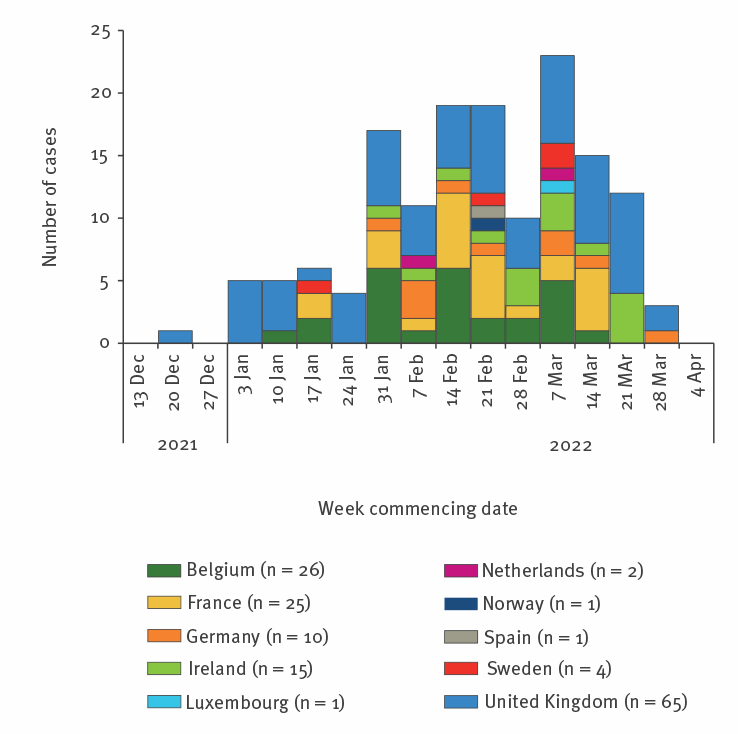
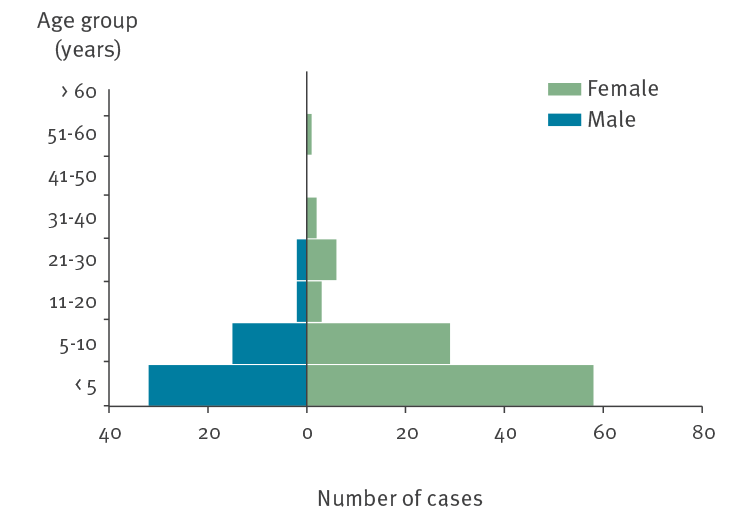
Detected cases in the EU/EEA and United KingdomBy 10 April 2022, a total of 150 confirmed and probable cases were identified across nine EU/European Economic Area (EEA) countries and the UK, with case sampling dates ranging from 21 December 2021 (the first UK case) to 28 March 2022 (Figure 1). Descriptive epidemiological investigations demonstrated cases ranged in age from 8 months to 56 years, but were predominately under the age of 10 years (n = 134; 89%) and disproportionately female (n = 99; 66%) (Figure 2). The hospitalisation rate was 42% of cases for whom information was available (116 cases with 49 hospitalised) – higher than that usually reported in salmonellosis outbreaks [2] and for individual cases of infection with . Typhimurium [3]. While this is probably also influenced by the demographic characteristics of those affected, this is a possible indicator of increased clinical severity of infection in this outbreak.

Figure 1.Distribution of confirmed and probable salmonellosis outbreak cases by week and country and by date of onseta,b, EU/EEA and UK, up to 10 April 2022 (n = 150)
Figure 1EEA: European Economic Area; EU: European Union; UK: United Kingdom.

a Case onset date (n=108) is not consistently available for all reported cases, therefore date of sampling has been used where case onset date is unavailable (n=39) or date of receipt at reference laboratory where both onset and sampling dates are unknown (n=3).

b Probable cases were reported by Belgium (n=19) and Germany (n=2) (data as of 13 April).

Figure 2.Distribution of confirmed and probable salmonellosis outbreak cases, by age group and sex, EU/EEA and UK, up to 10 April 2022 (n = 150)

Figure 2

EEA: European Economic Area; EU: European Union; UK: United Kingdom.

Multi-country collaboration through teleconferences and sharing of information between public health agencies and reference laboratories indicated that cases in affected countries commonly reported consumption of a specific brand of chocolate products. Overall, of 101 case interviews carried out across the 10 affected countries, 88 cases (87%) confirmed consumption of these products. The most commonly consumed product was Product A, marketed primarily for children in the age group 3–10 years, but multiple other product types were also reported.

France – French prosecutors raid Buitoni Fraich’UP pizza factory and Nestlé following E. coli Outbreak

Food Poison Journal

The inspections “revealed a deterioration of food hygiene controls”, the presence of “rodents” and “insufficient measures to prevent pests from contaminating a food production site.”

E. coli O26 and E. coli O103 appear to be serotypes linked to this outbreak.

According to press reports, French prosecutors on Wednesday last week searched a Buitoni frozen pizza factory in northern France, the suspected source of an E. coli outbreak that has left dozens of children sick, as well as the headquarters of its owner Nestle France, authorities told AFP .

An investigation into involuntary manslaughter and deceitful practices was opened on 1 April after authorities learned of more than 70 infections, which may have caused the deaths of a one-year-old and an 18-year-old. Over two dozen have developed hemolytic uremic syndrome (HUS).

The search at the Caudry factory operated by Buitoni, which is owned by the Swiss food conglomerate Nestle, was confirmed by a police source and the Paris prosecutor’s office, which is leading the investigation.

Nestle France, whose headquarters outside Paris were also raided, announced a recall of the affected Fraich’UP pizzas on March 18, and authorities ordered a halt of their production at Caudry after carrying out two hygiene inspections.