Tag Archives: food

European Alerts – Salmonella, E.coli, Aflatoxin, Mould, Histamine

RASFF – E.coli in Mussles in Italy sourced in Spain.

RASFF – Salmonella in Frozen Snails in France sourced in Greece

RASFF – Aflatoxin in Maize in Italy sourced in Spain

RASFF – Mould in Hazlenuts in UK from Turkey

RASFF – Histamine in Tuna in Ireland sourced in Thailand

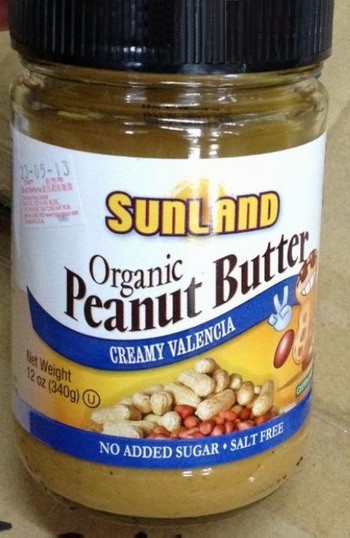
UK – FSA – Sunland and USA Peanut Butter Outbreak Hits UK

FSA

The Food Standards Agency (FSA) is warning consumers not to eat certain peanut butter and peanut-based products which have been imported from the US because of possible contamination with salmonella. Salmonella is a bacterium that causes food poisoning. The Agency has issued a Food Alert for Action.

An outbreak of a strain of salmonella called Salmonella Bredeney in the US has been linked to peanut butter produced by a company called Sunland Inc. As a result, the manufacturer is recalling a wide range of peanut butter and peanut-based products. Other products containing nuts and seeds are also being recalled.

Canada – Pumpkin Butter – Clostridium botulinum

CFIA

The Canadian Food Inspection Agency (CFIA) and Birtch Farms and Estate Winery are warning the public not to consume the Birtch Farms and Estate Winery brand Pumpkin Butter because it may be contaminated with Clostridium botulinum. Toxins produced by these bacteria may cause botulism, a life-threatening illness.

The affected product, Birtch Farms and Estate Winery brand Pumpkin Butter, was sold in 110 ml and 250 ml jars. All lot codes are affected by this alert.

This product has been distributed in Ontario.

There have been no reported illnesses associated with the consumption of this product.

Food contaminated with Clostridium botulinum toxin may not look or smell spoiled. Consumption of food contaminated with the toxin may cause nausea, vomiting, fatigue, dizziness, headache, double vision, dry throat, respiratory failure and paralysis. In severe cases of illness, people may die.

The manufacturer, Birtch Farms and Estate Winery, Woodstock, ON, is voluntarily recalling the affected product from the marketplace. The CFIA is monitoring the effectiveness of the recall.

European Alerts – Salmonella-Listeria-Pseudomonas and Ciguatera

Denmark – Salmonella in Fresh Turkey Breast

RASFF – Salmonella in Frozen Octopus in Italy sourced in Indonesia

RASFF – Suspicion of ciguatera poisoning caused by fresh red snapper fillets in Czech Republic, Germany, Spain and the United Kingdom sourced in India. FDA – Ciguatera

France – Pseudomonas aeruginosa in Hand Gel recall

Switzerland – Listeria in Shoulder Ham


France RASFF Alert – Salmonella in Salmon

RASFF – Salmonella in Chilled Salmon Steak in FranceSalmonella

Australia – Tasmanian Scallops PSP and Unsafe Poultry

AFNSalmonella Campylobacter

The Food Safety Information Council has released concerning national survey data this week that shows 60% of home cooks in Australia are putting themselves at additional risk of food poisoning from chicken.

The data showed that 60 per cent were at risk from washing whole poultry before it was cooked, which can spread bacteria around the kitchen. A further 16% of those surveyed incorrectly tasted chicken to see if it was cooked properly rather than using a safe meat thermometer.

The focus on cross-contamination of meats by the Food Safety Information Council (FSIC) comes as yesterday marked the start of Australian Food Safety Week. The FSIC week is specifically focusing on chicken and those most affected by food poisoning with the theme “vulnerable populations.”

Food Safety Information Council Chairman, Dr Michael Eyles said that chicken, as Australia’s most popular meat, was consumed by 8 in every ten home cooks.

”Home cooks are probably following what their parents or grandparents did in the past by washing poultry, not to mention probably patting it dry with a tea towel. Washing poultry splashes these bacteria around the kitchen cross contaminating sinks, taps, your hands, utensils, chopping boards and foods that aren’t going to be cooked like salads or desserts,” Dr Eyles said.

“Chicken is a healthy, convenient meal [but] other poultry is also becoming popular with just under half of those surveyed cooking whole turkey and 37% whole duck but these, too, are being washed before cooking, with 68% washing turkey and 74% duck,” he added.

According to a Food Standards Australia New Zealand survey referenced by the Food Safety Information Council, 84 per cent of raw chicken carcasses tested positive to the food poisoning bacteria Campylobacter and 22 per cent to Salmonella.

News Com Au

SCALLOPS from the east coast of Tasmania have joined the area’s mussels in being banned following a toxic algal bloom.

A scallop fishery in the White Rock area has been closed after the same paralytic shellfish toxin (PST) found in Spring Bay Seafood’s mussels was detected in samples taken on November 2.

“PST levels in tested scallops are currently either close to or slightly over the permitted level, but it’s possible the level will increase before it goes back down again,” a health department warning said.

The affected shellfish don’t look or taste different and the toxin is not destroyed by cooking or freezing, but there have been no reports of illness.

UK – Restaurant Implicated in Campylobacter Cases

The Telegraph

Two customers at Blanc Brasserie, in Covent Garden, London, were left ill after eating pink lamb’s liver which was not cooked thoroughly enough, a court has been told. The restaurant has now been banned from serving the dish, after failing to heed a warning from council environmental health officers, Westminster Magistrates’ Court heard. The food had “presented an imminent risk of injury to health because the process of cooking”, the court was told. Blanc Brasseries will now pay £3,103 in costs and have confirmed they will comply with the order, as a spokeswoman said they were unable to cook the liver to council standards without compromising on taste.

“Brasserie Bar Co has not contested the EHO enforcement and will no longer serve liver in any of its restaurants,” she said.

USA – Recall – Cheeses – Listeria monocytogenes

Kennys Farmhouse Cheese

Kenny’s Farmhouse Cheese (KFHC), due to the abundance of caution, is conducting a voluntary recall due to routine testing based on our company’s concern for our customers. This testing confirmed the presence of Listeria monocytogenes in a few samples of the following cheeses. At this time, no illnesses have been reported, but to ensure that all suspect product is removed from the marketplace, KFHC is initiating this voluntary recall in cooperation with the Milk Safety Branch of the Kentucky Department

of Health Services (KDHS) and the US Food & Drug Administration (FDA).

European Alerts – Listeria monocytogenes – Salmonella

Luxembourg (French) – Listeria monocytogenes in Grated Ham in Luxembourg sourced in France (english translation)

Luxembourg (French) (English) – Listeria monocytogenes in Shredded Chicken in Luxembourg sourced in France.

RASFF – Salmonella in Pork Meat in Sweden sourced in Denmark

RASFF – Salmonella in Pet Food in Germany sourced in India


USA – Recall – Smoked Salmon – Listeria monocytogenes

Food Poisoning Bulletin

Spence & Co. of Massachusetts is recalling New York-Style Nova Lox in 4 ounce packages with code/lot number 9720704 because it may be contaminated with Listeria monocytogenes. The recall affects a total of 1,563 packs of the product. Two people may have been stricken with listeriosis associated with the consumption of this product.