Category Archives: Uncategorized

USA – Burien Fresh Smoothies in Washington Associated With Salmonella Outbreak

Food Poisoning Bulletin kswfoodworld Salmonella

Burien Fresh Smoothies in Burien, Washington is associated with a Salmonella Braenderup outbreak, according to a press release by Seattle-King County Public Health Department. At least seven people are sick, and two people were so ill that they were hospitalized. Officials have not identified the source of illness.

Seven people from three separate parties have been ill after consuming food at the restaurant from August 6 through August 8, 2018. The people who were hospitalized have since recovered and have been released.

Five of the seven patients have tested positive for Salmonella Braenderup. Officials are waiting for genetic fingerprint results, and results from food samples taken from the restaurant.
UK – Ewing Seafoods recalls its Organic Smoked Salmon due to contamination with Listeria monocytogenes

FSA

Ewing Seafoods is recalling its Organic Smoked Salmon because it contains Listeria monocytogenes

Product details

Organic Smoked Salmon
Pack size 100gr and 200gr

No other Ewing Seafoods products are known to be affected.

Risk statement

The presence of Listeria monocytogenes in the products listed above.

Research – Antimicrobial Treatment of Escherichia coli and Staphylococcus aureus in Herbal Tea Using Low-Temperature Plasma

Journal of Food Protection

A low-pressure capacitively coupled discharge was used to study antimicrobial treatment in herbal tea. Ambient air with a relative humidity of 40% was used as a precursor gas and fed into the chamber via a perforated power electrode. An electrical discharge plasma was produced at a radio frequency of 10 kHz and power of 80 W. The operating pressure during treatment was kept constant at 260 Pa. The target microorganisms, Escherichia coli and Staphylococcus aureus, isolated from the herbal tea were inoculated on nutrient agar petri dishes and exposed to the plasma for 0.5, 1.0, 1.5, and 2.0 min. All treatments were carried out in triplicate for different exposure times to calculate the D-value by the enumeration method. D-values of 0.73 and 0.67 min were obtained corresponding to E. coli and S. aureus reduction, respectively.

Research -Effect of Succinic Acid on Elimination of Salmonella in Chicken Meat

Journal of Food Protection

The aim of this study was to determine the effect of selected concentrations of succinic acid on the survival of Salmonella on microbiological media and on the surfaces of chicken carcasses. Samples were inoculated with Salmonella serovars Enteritidis, Typhimurium, Hadar, Infantis, and Virchow. Each strain from each dilution was plated on nutrient agar without chemical substances (pH 6.75, control) or with 0.02% (pH 5.73), 0.05% (pH 4.77), 0.1% (pH 4.42), or 0.25% (pH 3.90) succinic acid. The addition of 0.25% succinic acid in agar medium completely inhibited the growth of all Salmonella strains tested. The 150 samples of broiler chicken breasts were immersed for 2 min in 80 mL of a 107 CFU/mL Salmonella cocktail. The samples were then transferred to sterile beakers with 250 mL of 2 and 5% succinic acid for 5 min. With 2% succinic acid, Salmonella reductions (compared with the control) were 1.27 to 1.47 log CFU/g. With 5% succinic acid, reductions were 2.00 to 3.20 log CFU/g. The results indicate that it is possible to reduce the level of Salmonella on broiler chicken carcasses by immersing them in a 2% succinic acid solution.

Research – Using light emitting diodes at 450 nm for in vitro treatment of water intended for human consumption

Academic Journals 

CDC E.coli

Image CDC Enter a caption

This study aimed to evaluate the in vitro antimicrobial effect of exposing raw water intended for human consumption to light (λ= 450 nm) and to investigate the correlation between the results obtained and physical and chemical parameters. Fifteen (15) samples of raw water were collected from households in a rural area of ​​Santo Antônio de Jesus – Bahia (Brazil), from November to December 2016. A 100 mL aliquot of each sample was exposed to a lighting system consisting of two high intensity light emitting diodes, with a wavelength of 450 nm and luminous flux of 200 lumens per 10 h. Quantifications of heterotrophic bacteria, total coliforms and temperature started at time zero and were done every two hours until the end of exposure to light. Bacteriological analysis was repeated after 72 h of being exposed to light. pH, dissolved oxygen and salinity analyses were performed before each experiment. After a 10h illumination at 450 nm light emitting diodes (LEDs), the dosage of light received by the water samples was 581.8 J/cm2. There was a significant reduction in the two bacteriological parameters analyzed after treatment (p = 0.000). There was an average decrease in heterotrophic bacteria counts from 3.44 to 1.86 log CFU/mL and total coliforms from 2.45 to 1.02 log CFU/mL. Mean reductions of heterotrophic bacteria were 97.01% and total coliforms were 95.61%. After 72 h, both counts increased; there was significant growth between heterotrophic bacteria (p = 0.000), but there was no significant growth for total coliforms (p = 0.058). pH (p = -0.981, p = 0.000), dissolved oxygen (ρ = -0.529, p = 0.043) and temperature (ρ = 0.521, p = 0.047) were related to the percentage reduction of heterotrophic bacteria. The method is shown to be effective in disinfecting raw water in vitro under different physical and chemical conditions.

Rsearch – Navel Orange Peel Essential Oil To Control Food Spoilage Moulds in Potato Slices

Journal of Food Protection

The aim of this study was to investigate the efficacy of navel orange, Citrus sinensis (L.) Osbeck, peel essential oil (NOPEO) for inhibiting spoilage fungi in potato slices. Sixteen different components accounting for 99.79% of the headspace components of NOPEO were identified by gas chromatography–mass spectrometry. d-Limonene was the major component of NOPEO. Antifungal activity of NOPEO was tested in vitro and in vivo against four foodborne fungi. A MIC of NOPEO against the four fungal species was 9.40 μL/mLair. NOPEO provided about 74, 74, 73, and 69% protection against Aspergillus niger, Mucor wutungkiao, Penicillium funiculosum, and Rhizopus oryzae at 2.00 μL/mLair concentration, respectively. NOPEO has been demonstrated to significantly improve the microbiological quality of potato slices.

Research – A Comparative Study of the Susceptibility of Listeria Species to Sanitizer Treatments When Grown under Planktonic and Biofilm Conditions

Journal of Food Protection

Listeria species are ubiquitous in nature and can adapt to survive in a variety of niches, including food processing environments. Listeria species that colonize these environments may also have the potential to persist. Food safety strategies designed to manage these niches include regular cleaning and disinfection with proven sanitizers containing biocide-active compounds. Typically, these sanitizers are effective against bacteria growing under planktonic conditions, but their efficacy may be compromised when bacteria are contained in biofilms. The susceptibility of persistent Listeria isolates, i.e., those capable of forming biofilms, to a selection of sanitizers was investigated. A quaternary ammonium compound–based sanitizer was the biocide most effective against planktonic bacteria, with a MIC of 0.0015 to 0.006%. In contrast, ethanol-based sanitizers were the least effective. Although, no triclosan tolerance was observed for planktonic Listeria isolates, triclosan was the only biocide that resulted in a significant biomass reduction. Differences between Listeria species were observed; L. monocytogenes and L. welshimeri biofilms were more tolerant to quaternary ammonium compound–based sanitizers than were L. innocua biofilms. These findings extend our understanding of the application of commonly used sanitizers in the food industry and the efficacy of these sanitizers against Listeria species and their associated biofilms.

Research -Don’t kill, but tame the bacteria

All About Feed

Producing broiler meat with the label ‘no antibiotics ever’ is becoming a common thing in the US. In the meantime, the poultry sector fears that this leads to a less efficient system, in which it is harder to control major poultry diseases. Luckily, a new set of savvy feed additives that keep bad bacteria under control is on its way.

Salmonella Campylobacter

Poultry production under the philosophy ‘no antibiotics ever’ (NAE), is spreading like a wild fire in the US and also in some other parts of the world. Although this sounds like a good development, and it is, it also comes with challenges, both from a nutritional standpoint as well as keeping the margins and being able to sell the products. At a recent first-annual summer international poultry symposium, organised by Amlan International, the challenges and solutions for poultry producers to produce under antibiotic free systems were discussed in further detail.

New Zealand – Shellfish biotoxin alert (extended) – North Island West Coast region

MPI

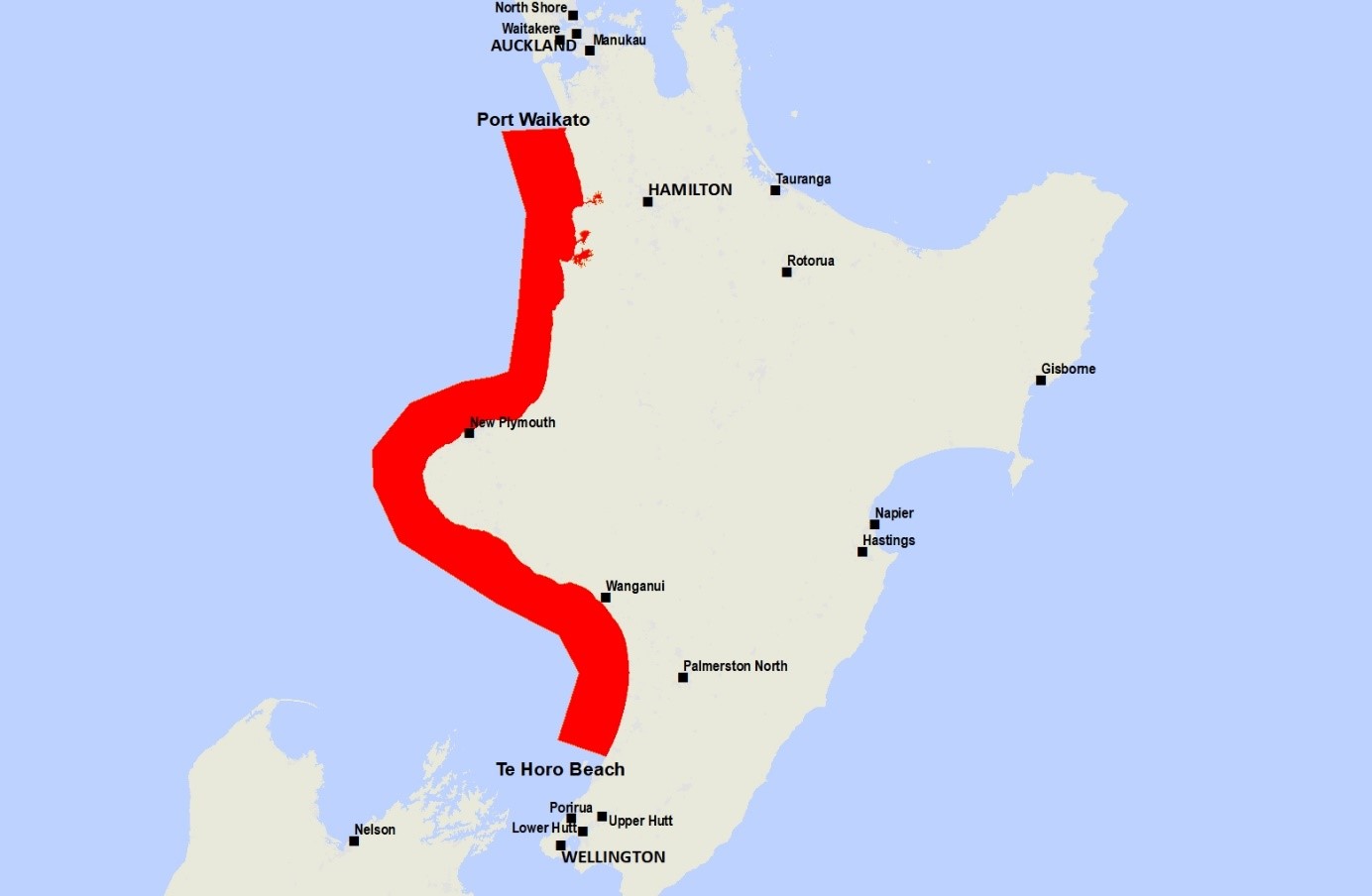
The Ministry for Primary Industries (MPI) today extended the public health warning against collecting shellfish on the west coast of the North Island in the Taranaki, Waikato, Wanganui, Manawatu, and Horowhenua regions. The warning now extends from the mouth of Port Waikato southward to Te Horo Beach in the Wellington region.

Routine tests on shellfish samples taken from this region have shown levels of Paralytic Shellfish Poisoning (PSP) toxins above the safe limit of 0.8 mg/kg set by MPI. Anyone eating shellfish from this area is potentially at risk of illness.

MPI today also removed the public health warning against collecting shellfish in Nydia Bay Pelorus Sounds

Warnings remain in place for the Bay of Islands and Akaroa Harbour.

Mussels, oysters, tuatua, pipi, toheroa, cockles, scallops, catseyes, kina (sea urchin) and all other bivalve shellfish should not be eaten.

Note: cooking shellfish does not remove the toxin.

Pāua, crab and crayfish may still be eaten if the gut has been completely removed prior to cooking, as toxins accumulate in the gut. If the gut is not removed its contents could contaminate the meat during the cooking process.

North Island West coast

Research – Evaluation of food safety knowledge and microbial status of food contact surfaces in schools

Wiley Online Library 

Staph

Abstract

The purpose of this study was to evaluate the hygiene of food contact surfaces in 37 high school kitchens in order to identify the factors involved in the deficiencies found. The microbial status of kitchen surfaces (mesophilic aerobic bacterial count) and the hygienic sanitary knowledge (assessed by a questionnaire) of 158 food handlers were evaluated. The microbial count was determined by conventional plating methods and by a redox potential‐based testing method. Large differences regarding microbial count on food contact surfaces were found among the kitchens. In connection with the unfavorable results, the food hygiene knowledge level of kitchen workers was unsatisfactory. The microbial profile assessment of a catering unit largely depends on the efficiency of the food safety management system used, therefore the level of microbial contamination can be used as an indicator. The results showed that the hygienic‐sanitary knowledge of food handlers highly affects food safety standards in public kitchens.

Practical applications

The microbial profile of food contact surfaces is a suitable indicator of a food safety management system with objective results that are easily interpreted. Recurrent unsatisfactory results can indicate failures in some or all areas of the food safety management systems. This study shows that in most cases these failures are related to the food handler’s knowledge. The improvement of food handler’s professional knowledge is an effective way to improve food safety levels in catering units.