Category Archives: Uncategorized

USA – Kroger recalls certain beef products in Ohio, Kentucky and Indiana due to E. coli

Food Poisoning Journal

Kroger is recalling certain beef products from some of its stores due to potential E. coli contamination. The products included bone-in ribeye steaks, boneless ribeye steaks and in-store produced ground beef. The items will have the following labels:

Customers who purchased these items from April 23 through June 7 should not eat the product. Kroger says the affected stores are in the Cincinnati area, northern Kentucky, Dayton, Ohio, and southeastern Indiana.

Kroger says there have been no confirmed reports of illness due to consumption of the products at this time.

USA – Shigella Outbreak at Wedding in Oregon Linked to Asparagus

Food Poisoning Bulletin Shigella - kswfoodworld

According to data presented at the CDC’s Annual Epidemic Intelligence Service Conference, contaminated asparagus was the likely source of a Shigella outbreak at a Yarnhill County wedding in Oregon in 2018. One hundred twelve people were sickened; 10 people were hospitalized.

A total of 263 people attended the wedding. Seventy-five percent of those people responded to the survey. The patient age range was from 2 to 93 years. Of the 95 people who responded, 97% said they got sick within 12 to 72 hours after the wedding. Fifty-seven patients went to a health care facility.

Investigators found that only asparagus was associated with illness.

UK and Canada – Deaths and Illness in Hospitals due to Listeria Sandwiches in Britain and Canada

Food Poison Journal

Three people have died recently in England from listeriosis with a link to eating pre-made sandwiches and at least three others have been sickened by the deadly bacteria. The patients died at Manchester University NHS Foundation Trust and Aintree University Hospital NHS Foundation Trust in Liverpool.

Cases of Listeria infection have been reported in six hospital patients in England. Sandwiches and salads linked to the sick people have been withdrawn and the supplier, The Good Food Chain, has voluntarily ceased production while the investigation continues.

USA – Public Health Alert Concerning Hepatitis A Virus Contamination of Kroger Brand Frozen Blackberries

FDA

The FDA is alerting consumers to a hepatitis A virus (HAV) contamination of frozen blackberries under the Kroger grocery store “Private Selection” brand. This contamination was discovered by the FDA as a part of an ongoing frozen berry sampling assignment. The FDA is advising consumers not to eat and to throw away frozen fruit purchased from Kroger and other retail locations packaged under Kroger’s “Private Selection” brand. Here are the recalled products:

  • PRIVATE SELECTION FROZEN TRIPLE BERRY MEDLEY, 48 OZ (BEST BY: 07-07-20; UPC: 0001111079120);
  • PRIVATE SELECTION FROZEN TRIPLE BERRY MEDLEY, 16 OZ (BEST BY: 06-19-20; UPC: 0001111087808);
  • PRIVATE SELECTION FROZEN BLACKBERRIES, 16 OZ (BEST BY: 06-19-20, 07-02-20; UPC: 0001111087809)
Kroger Brand Frozen Blackberries

These products are available at Kroger and other retail locations and have a two-year shelf life. The FDA is working with the manufacturer on this matter. This posting will be updated with new information as it becomes available. The FDA is continuing to investigate to determine whether there are other implicated products.

At this time, the FDA and the Centers for Disease Control and Prevention (CDC) are not aware of any cases of hepatitis A linked to the consumption of Kroger Private Selection brand frozen blackberries. Hepatitis A virus (HAV) can result in a liver infection that may be inapparent. However, when symptoms occur, they can range in severity from a mild illness lasting a few weeks to a severe illness lasting several months. HAV is found in the stool and blood of people who are infected. HAV is spread when someone ingests the virus, usually through person-to-person contact or from eating contaminated food or drink. Contamination of food with the hepatitis A virus can happen at any point: growing, harvesting, processing, handling, and even after cooking.

Research – Listeria monocytogenes risk associated with chicken at slaughter and biocontrol with three new bacteriophages

Wiley Online

Listeria kswfoodworld food safety food poisoning

Image CDC


Abstract

The aim of this study was to isolate Listeria monocytogenes from chicken neck skins and lytic bacteriophages from poultry slaughterhouse wastewaters, and following the characterization of the isolates, biocontrol of L. monocytogenes was investigated on chicken drumsticks with the isolated phages. L. monocytogenes prevalence was detected 12.3% in the chicken samples and the dominant serotype was determined as 1/2a (92.5%). Expression levels of major virulence genes were revealed by real‐time RT‐PCR. Ten different DNA profiles were detected by ERIC‐PCR fingerprinting. According to the MIC results, LM‐P75 was defined as MDR by showing resistance to antibiotics in six different groups. Besides, five lytic listeriophages were isolated from wastewaters and treated with Cla1 and Sac1. Taking EoP, TEM, in vitro, and in vivo analyses results into consideration, three bacteriophages were used for the biocontrol assay. The application of the bacteriophages on drumsticks achieved a reduction up to 3.3 log CFU/ml in L. monocytogenes count in 3 hr of incubation at 4°C.

Practical applications

Our results showed that in spite of the developments in hygiene practices during slaughtering, chicken meat is still a potential source for L. monocytogenes. On the other hand, the phage cocktail that used in this study can be an effective tool to reduce L. monocytogenes in chicken carcasses at final wash or at cooling step in poultry slaughtering process, as well as in decontamination of chicken meat parts.

Research – Discerning microbial and quality attributes of differently slaughtered and dead poultry meat

Wiley Online

Abstract

Globally, various methods of slaughtering have been practiced for the production of chicken meat. Among these methods, Halal slaughtering is implemented to produce Halal chicken. This method involves cutting the throat to bring the animal toward quick death without anguishing. Additionally, Halal slaughtering also favors rapid blood flow and more bleeding. Slaughtering methods are concorded with composition, quality, and microbial safety of meat, mediated by varied blood retention. Accordingly, the present work was aimed to explicate the effect of various slaughtering methods on quality and safety of broiler meat. Results revealed that significant compositional changes were observed in meat obtained from different slaughtering methods. Additionally, Halal‐slaughtered meat showed less nitrogenous losses (TVBN = 9.81 mgN/100 g), high water holding capacity (72.02%), better shear‐force value (21.37 g), and normal color (L* = 48.59, a* = 0.85, b* = 11.56) as compared to other slaughtering methods and dead meat. Additionally, Halal‐slaughtered meat contained less number of total plate count (4.28 log10CFU/g), Enterobacteriaceae count (3.12 log10CFU/g), Salmonella (2.74 log10CFU/g), and E. coli (2.78 log10CFU/g) counts in comparison with the other slaughtering methods and dead meat samples. Findings of the study indicate that slaughtering methods significantly influence the quality and microbial status of broiler meat.

Practical applications

In recent years, the international market for meat obtained from animals/birds slaughtered by using various religious methods has become important for supplying the desired meat globally. Although several studies have been conducted in this domain but most of the published data mainly emphasize the work related to the use of conventional slaughtering methods with limited comparison to religious slaughtering methods. However, some projects have also addressed the issues related to the impact of slaughtering methods on meat quality. Discussion related to religious slaughtering has been in progress around the world. Accordingly, the present study was conducted in this regard for providing some more information and facilitating the existing and upcoming discussions on the merits and demerits of several slaughtering methods with special reference to meat quality and safety.

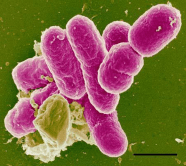
Research -Does physical state of farm housing and milking practices affect total bacteria and somatic cell count of cow milk?

Wiley Online

Abstract

The study determined the effect of physical state of farm housing on total bacteria and somatic cell count (SCC) of cow milk. Milk records collected at Dairy Services Zimbabwe were used. Effects of physical state of ceilings, doors, ventilation, walls, drains, fly‐proofs, windows and roof type on total bacterial count (TBC) in milk, and SCC were determined using general linear models procedure. Poor physical state of ceilings, doors and floors in milking parlors, wash rooms and bulk tank rooms result in high TBC and SCC in milk (p < 0.05). Poor ventilation in the bulk tank room results in high TBC in milk (p < 0.05). Floors, doors, and ceilings of milking houses should be kept in sound condition and good repair in order minimize TBC and SCC in raw milk.

Practical applications

Understanding how physical state of farm houses and management practices affect total bacterial count and somatic cell count in fresh milk enables farmers and regulatory agencies to put in corrective action to reduce bacterial contamination of milk at farm level. This helps keep the population of disease causing bacteria in raw milk, which is widely consumed by human beings, as low as possible. It also helps reduce contamination by some resistant bacteria that might survive processing and cause further defects in milk products. The shelf‐life of the milk and its products is, thus, improved. Reducing bacterial and somatic cell count in raw milk also helps the milk producers to score high milk grades on the market and, thus, fetch high prices.


Research – Microbial ecology: Salmonella and the dairy calf

AllAboutFeed


Besides faeces and other cattle, pathogenic vectors in the dairy farm can include feed, water, rodents, wild animals, flies, birds, etc. What are the producer’s management priorities to sustain dairy calf health?

A dairy farm in the simplest form is a population of dairy cattle living in barns, corrals, or pastures that surround a centralised milking parlour where animals are milked for commerce. However, co-existing on these facilities is another population, one that is often overlooked as it is invisible to the naked eye. It is the microbial population. The dairy farm’s microbial populace consists of a vast and diverse array of commensal and pathogenic micro-organisms that are easily transmitted. Among the pathogens, there are viruses, fungi, algae, protozoa, and bacteria. Among the bacteria, Salmonella can have an especially serious impact on calf health.

Research – The effect of silver nanocomposite packaging based on melt mixing and sol–gel methods on shelf life extension of fresh chicken stored at 4 °C

Wiley Online

Abstract

In the present study, seven types of films were produced using different proportions of polyethylene containing silver, clay, and titanium dioxide nanoparticles. Following the determination of the minimum inhibitory concentration of the films in the eradication of Staphylococcus aureus and Escherichia coli, the film containing 5% silver nanoparticles and 5% titanium dioxide nanoparticles was found to have the highest antimicrobial property and was determined to be an ideal cover for food products. The antibacterial effect of the films on the shelf life extension and quality of the chicken stored at 4 °C in the Days 1, 3, and 5 of the experiment was checked. The structure and morphology of the nanoparticles and the selected films were evaluated using a field emission scanning electron microscope, scanning electron microscope, transmission electron microscope, Fourier‐transform infrared spectroscopy, and dynamic light scattering. The analysis of the results indicated that the most appropriate inhibition growth was observed with S. aureus and E. coli in nutrient agar and the largest diameter of the radial inhibition zone occurred with S. aureus. Moreover, the analysis of variance showed that the effect of different concentrations of silver and titanium dioxide nanoparticles was significant (p < .05). The results of this study showed that the produced nanocomposite was used to preserve chicken meat for 5 days at 4 °C inhibited the growth of both types of bacteria.

Practical applications

Nowadays production of active packaging is increasing worldwide as they were proved to have numerous effects on inhibiting of microbial growth and even bactericidal effects. Therefore, a wide variety of food producers in different sections namely agriculture, dairy, and meat industries have applied nanopackaging using different nanoparticles. Thus, more research on different physicochemical and antimicrobial effects are needed.

Canada- Ground spice from Nigeria under recall; no codes on product labels – Salmonella

Food Safety News

A spice product imported into Canada from Nigeria is under recall because government testing showed possible contamination with Salmonella bacteria.

MyChopChop, which has offices in Ontario, sold the recalled “Grounded Peper” to consumers nationwide via the internet, according to a recall notice posted by the Canadian Food Inspection Agency. The agency reported that as of the posting of the notice no reports of confirmed illnesses had been reported in connection with the recalled product.

Because of the long shelf life of dry spices, public health officials are concerned there may be consumers who have the recalled spice product in their homes. Anyone who has such spice in their homes that is not still in its original package should discard it because they won’t be able to determine whether it is the recalled product.