
RASFF-shigatoxin-producing Escherichia coli (in 1 out of 5 samples /25g) in chilled boneless beef from Argentina in Germany
RASFF-shigatoxin-producing Escherichia coli (presence /25g) in farmstead cheese from France in Germany

RASFF-ochratoxin A (>15 µg/kg – ppb) in raisins (sultanas) from Turkey in Spain
RASFF-live scallops from the United Kingdom not tested for marine biotoxins in the UK
Bringing a great relief to food lovers, particularly fans of processed foods, scientists from the USA and India have reported having found a herbal compound to fight botulinum, the most poisonous bacterial toxin that causes food poisoning. The study was published in the journal Applied and Environmental Microbiology.
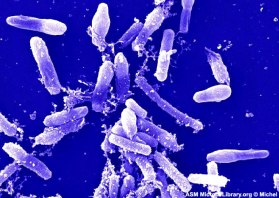
The lethal botulinum toxins are produced by the bacteria Clostridium botulinum. The bacterium grows in an oxygen-free environment and can form spores—a dormant form of the bacteria that are difficult to kill. Botulinum enters our body when we consume improperly processed food that contains the bacterium or its spores. Although mainly a foodborne infection, botulism or poisoning by botulinum, can also be caused by wound infections and by inhalation.
Posted in Clostridium botulinum, Food Toxin, Toxin, Uncategorized
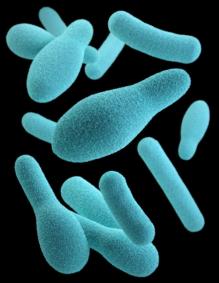
Researchers have identified a compound that strongly inhibits botulinum neurotoxin, the most toxic compound known. That inhibiting compound, nitrophenyl psoralen (NPP), could be used as a treatment to reduce paralysis induced by botulism. Botulinum neurotoxin is considered a potential bioweapon because there is no FDA-approved antidote. The research is published in Applied and Environmental Microbiology, a journal of the American Society for Microbiology.
In June 2018, the Food Surveillance Programme of the Centre for Food Safety (CFS) detected excessive Bacillus cereus at a level of 4.6 million per gram in a packed pasteurised milk collected at a local supermarket. In September, in response to a food complaint, another packed pasteurised milk was found to contain Bacillus cereus at an excessive level of 3.8 million per gram. According to the Microbiological Guidelines for Food of CFS, if a ready-to-eat food contains Bacillus cereus at a level of more than 100 000 per gram, it is considered unsatisfactory. This article discusses Bacillus cereus in milk from the perspective of Hazard Analysis and Critical Control Point (HACCP) and the measures to control its growth during production and storage.
RASFF-aflatoxins (B1 = 75.2 µg/kg – ppb) in groundnut kernels from India in the UK
Posted in Aflatoxin, Animal Feed, Food Toxin, Mycotoxin, Toxin, Uncategorized
Recently, the contamination of food products, particularity cereals with aflatoxins (AF) as secondary metabolites generated by some of fungal genera species raised serious concerns. AF as the highly toxic compounds could pass through metabolic processes in unaltered forms and consequently accumulate in the tissues of humans and animals. The consumption of AF contaminated cereal, cereal‐based products as both food and feed is considered as a serious issue, which should be controlled through conducting prevention strategies and legislation. However, in some cases, the detoxification or elimination process also can be approached. The current article took an overview regarding physicochemical properties of AF, as well as their absorption, digestion, metabolism, and excretion in cereals. Also, the chronic and acute aflatoxicosis along prevention strategies and control mechanisms were discussed.
Cereal and cereal‐based products can be considered as one of the most important sources of food as well as energy in many countries. Despite this, cereals and cereal‐based foods may present contamination by several mycotoxins, as one of the challenging issues in cereal‐based products. The adverse effects of contamination by mycotoxins on food safety and food quality are reserved huge concerns. The knowledge regarding the physicochemical properties of aflatoxins as well as their control can aid the food industry to keep the quality of food products in an acceptable level.
Mycotoxins that contaminate crops and animal feed have been recognized as a risk to farm animals, and account for considerable economic costs to the feed and food industries. Their widespread occurrence and related threat has been documented consistently in the BIOMIN Mycotoxin Survey.
“Mycotoxins are among the most important safety risks for the future livestock feed industry and security of the feed supply chain,” stated Dr Gunther Antonissen of Ghent University in Belgium.
Fungi-produced mycotoxins endanger more than feed safety and security. They also hamper productivity, adding additional cost to the feed and food industry while also affecting the environment.
“Due to their negative effects on farm animal productivity and health, mycotoxins prevent the animal protein industry from achieving an efficient and sustainable use of natural resources,” observed Dr. Wulf-Dieter Moll of the BIOMIN Research Center.
Harmful mycotoxins do not have to contaminate feed in high concentrations to make their negative effects felt in farm animals. “At present, clinical mycotoxicosis caused by high doses is rare,” explained Dr Antonissen.
“However, also the ingestion of low to moderate levels of these toxins cause an array of metabolic, physiologic and immunologic disturbances, with the gastrointestinal tract as one of the major target organs,” he added.
Posted in Aflatoxin, Biotoxin, Food Toxin, Fusarium Toxin, Mycotoxin, Ochratoxin, Saitoxin, Tetrodotoxin, Toxin, Uncategorized

RASFF-ochratoxin A (69 µg/kg – ppb) in organic oats from the Czech Republic in Germany

 FoodWorld