Category Archives: Salmonella

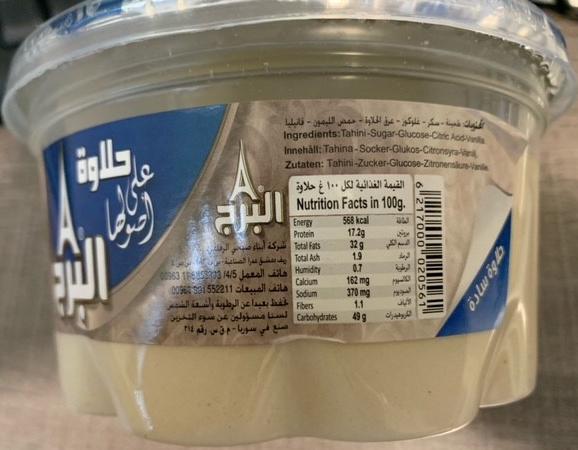
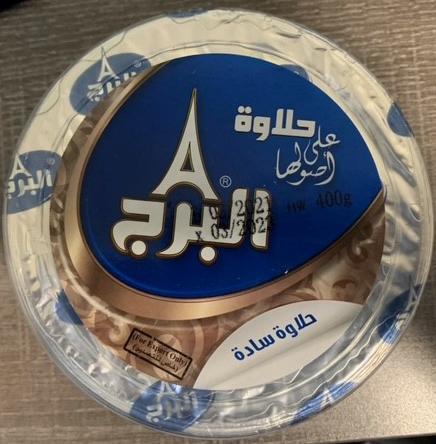
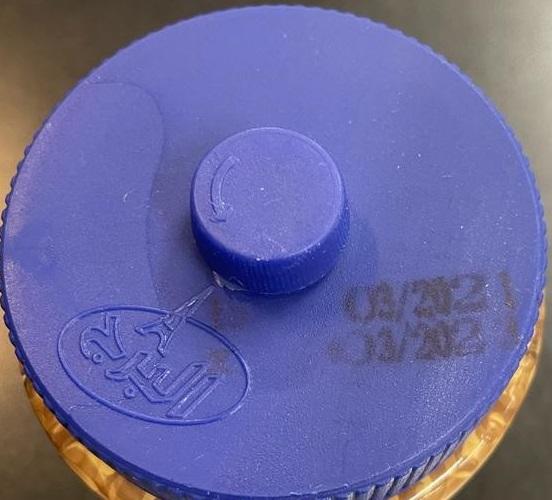
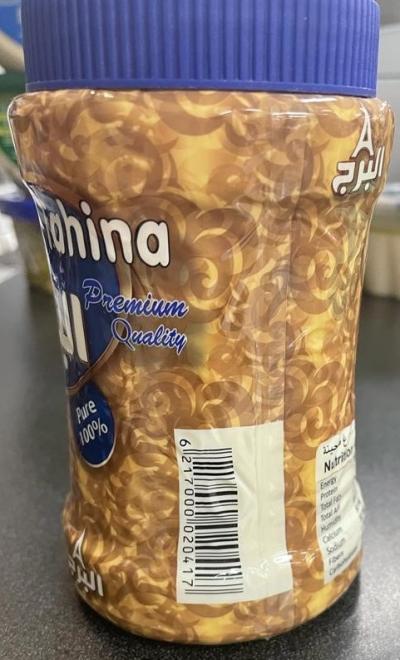
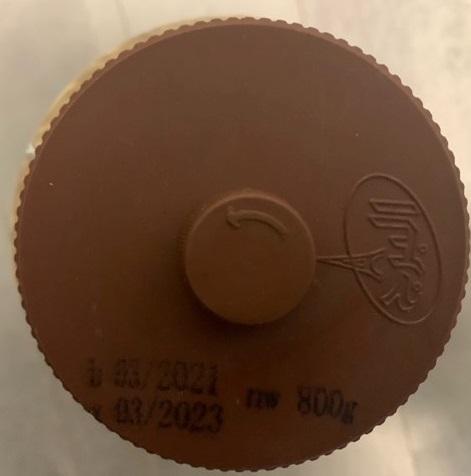
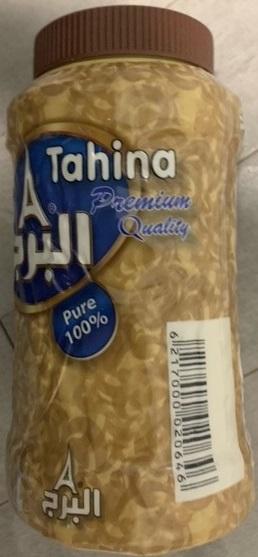
Canada – AlBurj brand and Algota brand tahina/tahini and halawa/halvah recalled due to Salmonella

CFIA

Summary

Product
Tahina/tahini and halawa/halvah
Issue
Food » Microbial Contamination » Salmonella
What to do

Do not consume the recalled products

Affected products

Basha Foods International is recalling AlBurj brand and Algota brand tahina/tahini and halawa/halvah from the marketplace due to possible Salmonella contamination.

The recalled products have been sold from Basha Foods International, 2717 Sunridge Way NE, Calgary, Alberta.

What you should do

  • If you think you became sick from consuming a recalled product, call your doctor
  • Check to see if you have the recalled products in your home
  • Do not consume the recalled products
  • Recalled products should be thrown out or returned to the location where they were purchased

Canada – Going Nuts brand Organic white sesame seeds recalled due to Salmonella

CFIA

Summary

Product
Organic white sesame seeds
Issue
Food » Microbial Contamination » Salmonella
What to do

Do not consume the recalled product

Affected products

Issue

Going Nuts Inc. is recalling Going Nuts brand Organic white sesame seeds from the marketplace due to possible Salmonella contamination.

The recalled product has been sold in Alberta and online.

What you should do

  • If you think you became sick from consuming a recalled product, call your doctor
  • Check to see if you have the recalled product in your home.
  • Do not consume the recalled product
  • Recalled products should be thrown out or returned to the location where they were purchased

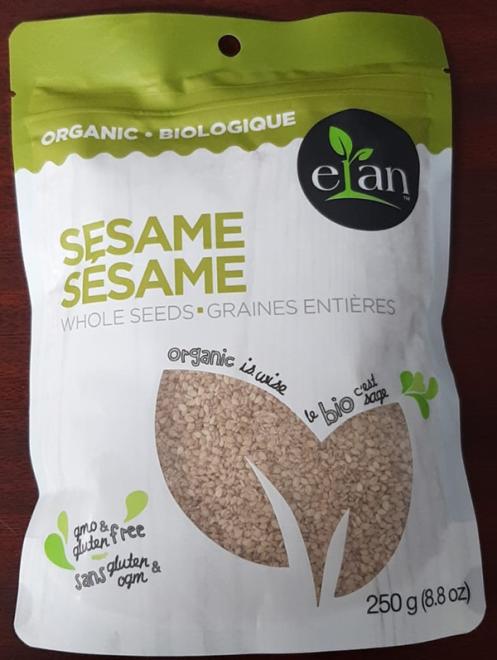
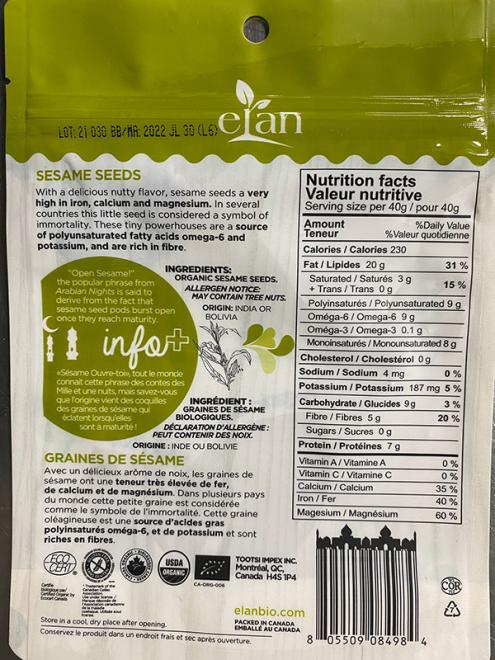
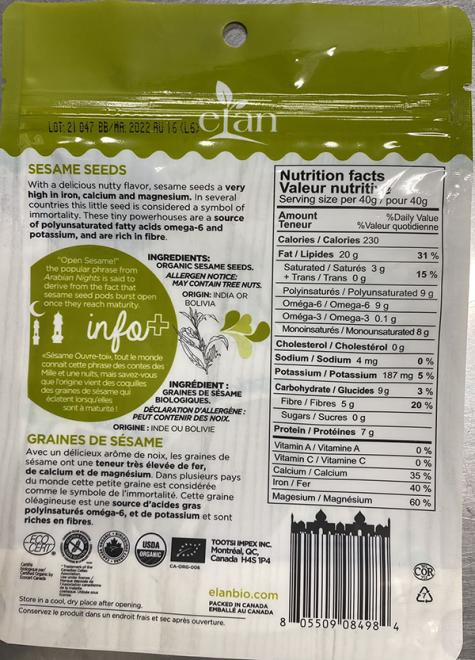
Canada- Elan brand Organic sesame whole seeds recalled due to Salmonella

CFIA

Summary

Product
Organic sesame whole seeds
Issue
Food » Microbial Contamination » Salmonella
What to do

Do not consume the recalled product

Affected products

Issue

Tootsi Impex Inc is recalling Elan brand Organic sesame whole seeds from the marketplace due to possible Salmonella contamination.

The recalled product has been sold in Alberta, British Columbia, New Brunswick, Newfoundland and Labrador, Nova Scotia, Ontario, and Quebec.

What you should do

  • If you think you became sick from consuming a recalled product, call your doctor
  • Check to see if you have the recalled product in your home.
  • Do not consume the recalled product
  • Recalled products should be thrown out or returned to the location where they were purchased

Research – Peanut Skins as a Natural Antimicrobial Feed Additive to Reduce the Transmission of Salmonella in Poultry Meat Produced for Human Consumption

Journal of Food Protection

Salmonella is the leading cause of bacterial foodborne zoonoses in humans. Thus, the development of strategies to control bacterial pathogens in poultry is essential. Peanut skins, a considerable waste by-product of the peanut industry is discarded and of little economic value. However, peanut skins contain polyphenolic compounds identified that have antimicrobial properties. Hence, we aim to investigate the use of peanut skins as an antibacterial feed additive in the diets of broilers to prevent the proliferation of Salmonella Enteritidis (SE). One hundred sixty male hatchlings (Ross 308) were randomly assigned to, (1) PS: peanut skin diet without SE inoculation (2) PSSE: peanut skin diet and SE inoculation 3) CON: control diet without SE inoculation (4) CONSE: control diet with SE inoculation. Feed intake and body weights were determined at week 0 and 5. On days 10 and 24 post hatch, 3 birds/pen (24 total) from each treatment group were euthanized and the liver, spleen, small intestine, and ceca were collected. The weights of the liver, spleen and ceca were recorded. Organ invasion was determined by counting SE colonies. Each pen served as an experimental unit and was analyzed using a t-test. Performance data was analyzed in a completely randomized design using a general linear mixed model to evaluate differences. There were no significant differences ( P > 0.05) in weekly average pen body weight, total feed consumption, bird weight gain and feed conversion ratio between the treatment groups. There were no significant differences in SE CFU/g for fecal, litter or feed between treatment groups CONSE and PSSE. However, for both fecal and litter, the PSSE treatment group tended (P ≤0.1) to have a lower Salmonella CFU/g compared to the CONSE treatment group. The results indicate that peanut skins may have potential application as an antimicrobial feed additive to reduce the transmission or proliferation of SE in poultry environments or flocks.

Research – How Safe to Eat Are Raw Bivalves? Host Pathogenic and Public Health Concern Microbes within Mussels, Oysters, and Clams in Greek Markets

MDPI

Raw-bivalves consumption is a wide trend in Mediterranean countries. Despite the unambiguous nutritional value of seafood, raw consumption of bivalves may involve risks that could pose a significant threat to consumers’ health. Their filter-feeding behavior is responsible for the potential hosting of a wide variety of microorganisms, either pathogenic for the bivalves or public health threats. Under this prism, the current study was conducted in an effort to evaluate the risk of eating raw bivalves originating from the two biggest seafood markets in Thessaloniki, the largest production area of bivalves in Greece. Both microbiological and molecular methodologies were applied in order to assess the presence of various harmful microbes, including noroviruses, BonamiaMarteiliaEsherichia coliSalmonella, and Vibrio. Results indicated the presence of several Vibrio strains in the analyzed samples, of which the halophilic Vibrio harveyi was verified by 16S rRNA sequencing; other than this, no enteropathogenic Vibrio spp. was detected. Furthermore, although Esherichia coli was detected in several samples, it was mostly below the European Union (EU) legislation thresholds. Interestingly, the non-target Photobacterium damselae was also detected, which is associated with both wound infections in human and aquatic animals. Regarding host pathogenic microorganisms, apart from Vibrio harveyi, the protozoan parasite Marteilia refrigens was identified in oysters, highlighting the continuous infection of this bivalve in Greece. In conclusion, bivalves can be generally characterized as a safe-to-eat raw food, hosting more bivalve pathogenic microbes than those of public health concern.

USA – Salmonella Onion Outbreak continues to expand after 900 sickened

Food Poison Journal

Potandon Produce L.L.C. of Idaho Falls, Idaho is updating its October 26 voluntary recall of onions supplied from Keeler Family Farms and sold as Green Giant Fresh to include 3lb. and 5lb. bags of whole yellow onions and 2 lb. bags of whole white onions shipped between July 15 and August 22, 2021 to a UNFI retail distribution center in Champaign, Illinois. This recall does not affect any other Green Giant Fresh products or include any Green Giant canned or frozen vegetable products.

The recalled onions are being recalled because they have the potential to be contaminated with Salmonella.

Israel – Tahina Zahav brand Sesame tahini – Salmonella

Manufacture and Marketing of Tahina and Halva Gold Ltd. (dba Tahina Zahav) recalls Tahina Zahav brand Sesame tahini (500g & 3 kg; Use by 06/09/22 and 14/10/22) due to Salmonella contamination.

Click to access rcl_17112021.pdf

Belgium – AH brand “Hummus Trio” aperitif tapas – Salmonella

AFSCA

Albert Heijn
recalled Product: AH brand “Hummus Trio” aperitif tapas.
Problem: possible presence of Salmonella.

In agreement with the AFSCA, Albert Heijn is withdrawing from sale the “Hummus Trio” of the AH brand and is recalling it to consumers following the possible presence of Salmonella. Consumption of this product has the potential to cause food poisoning and therefore pose a health risk – especially in young children, the elderly, people with weakened immune systems and pregnant women.
Albert Heijn asks his customers not to consume this product and to bring it back to the point of sale where it was purchased. The product will be refunded or exchanged there. Please contact a doctor if you have any health problem.

Product description

• Product category: aperitif tapas
• Product name: Hummus Trio
• Brand: AH
• Date of minimum durability (DDM): 06/12/2021
• Sales period: until 18/11/2021 inclusive
• Type of packaging: plastic tray and lid
• Weight: 210 g

For any further information , please contact Albert Heijn on 0800 777 05.

USA – CDC – This year’s investigation of Salmonella outbreaks linked to backyard poultry is over

CDC

Salmonella Campylobacter

November 18, 2021

CDC and public health officials in several states investigated multistate outbreaks of Salmonella infections with serotypes of Enteritidis, Hadar, Indiana, Infantis, Mbandaka, and Muenchen.

Epidemiologic and laboratory data showed that contact with backyard poultry made people sick.

Epidemiologic Data

A total of 1,135 people infected with one of the outbreak strains were reported from 48 states, the District of Columbia, and Puerto Rico (see map). The true number of sick people in these outbreaks was likely much higher than the number reported, and these outbreaks may not have been limited to the states with known illnesses. This is because many people recover without medical care and are not tested for Salmonella.

Illnesses started on dates ranging from December 15, 2020, to October 10, 2021 (see timeline). Age information was available for 1,132 people. Their ages ranged from less than 1 to 97 years, with a median age of 37 years. Many were young children: 268 (24%) were under 5 years and 140 (12%) were under 1 year. Of 1,107 people with sex information available, 646 (58%) were female. Of 829 people with information available, 273 (33%) were hospitalized. Two deaths were reported, one from Indiana and one from Virginia.

State and local public health officials interviewed people about the animals they came into contact with the week before they got sick. Of the 677 people interviewed, 449 (66%) reported contact with backyard poultry before getting sick.

Traceback Data

Of 293 people who reported contact with backyard poultry and provided more information, 212 (72%) reported that they bought backyard poultry this year. Purchase locations included feedstores, auctions, and directly from hatcheries. Traceback of these purchases did not identify a single, common source of backyard poultry. A total of 264 separate purchases from more than 150 purchase locations of 70 different companies were reported. At least 17 hatcheries supplied backyard poultry to these purchase locations.

Laboratory Data

Public health investigators used the PulseNet system to identify illnesses that were part of this outbreak. CDC PulseNet manages a national database of DNA fingerprints of bacteria that cause gastrointestinal illnesses. DNA fingerprinting is performed on bacteria using a method called whole genome sequencing (WGS). WGS showed that bacteria from sick people’s samples were closely related genetically. This means that people in these outbreaks likely got sick from the same type of animal.

Public health officials from several states found two of the outbreak strains (Hadar and Enteritidis) from sick people’s backyard poultry and the backyard poultry environment.

  • On April 15, public health officials in Ohio found the outbreak strain of Salmonella Hadar from a sick person’s ducklings.
  • On May 7, local public health officials in California found the outbreak strain of Salmonella Hadar from a sick person’s duck environment (the ground, duck poop, and duck’s sleeping area).
  • On June 1, public health officials in Arizona found the outbreak strain of Salmonella Hadar from a sick person’s chickens and the chicken environment (chickens’ roost and water source).
  • On June 15, public health officials in Maryland found the outbreak strain of Salmonella Enteritidis from a sick person’s chickens.

WGS was also used to identify any predicted antibiotic resistance for bacteria from 1,101 sick people’s samples, 4 animal samples, and 7 environmental samples. Of the 1,112 samples, 394 (35%) were predicted to be resistant to one or more of the following antibiotics: amoxicillin-clavulanic acid (0.5%), ampicillin (0.9%), chloramphenicol (0.3%), cefoxitin (0.5%), ceftriaxone (0.5%), ciprofloxacin (0.1%), gentamicin (1.8%), kanamycin (0.4%), streptomycin (33.8%), sulfamethoxazole (2.2%), tetracycline (32.6%), and trimethoprim-sulfamethoxazole (0.2%). Testing of 11 sick people’s samples using standard antibiotic susceptibility testing methods by CDC’s National Antimicrobial Resistance Monitoring System (NARMS) confirmed these results (streptomycin and kanamycin were not tested by this method).

Most people with Salmonella illness recover without antibiotics. However, if antibiotics were needed, some illnesses in these outbreaks may have been difficult to treat with some commonly recommended antibiotics and may have required a different antibiotic choice.

Public Health Action

CDC always advises everyone to take steps to stay healthy around backyard poultry. CDC routinely works with hatcheries and stores that sell poultry to educate new poultry owners and control the spread of Salmonella at hatcheries.

Czech Republic – Chilled Chicken Quarters – Salmonella

Potravinynapranyri

Place of inspection:
Krmelín ( Staroveská 406, 73924 Krmelín )
IN: 73281042
Food group: Meat and meat products Non-prepacked: meat, minced meat, meat preparations

Chilled chicken quarters
Category: Unsafe food
Unsatisfactory parameter:

Salmonella Enterica ser. Enterica

The pathogenic bacterium Salmonella Enterica serum was found in raw meat Enterica . This bacterium can cause a condition called salmonellosis.

[machine translate]

Usability date: 10.10.2021
Producer: ZPD “MARICA”; General partnership JMEK Wróbel 43-300, Bielsko-Biala, 20 Straconki Street, PL 24034301
Country of origin:  Poland
Date of taking the sample: 10/6/2021
Reference number: 21-000075-SVS-CZ
Sample was detected by official control of State Veterinary Administration.