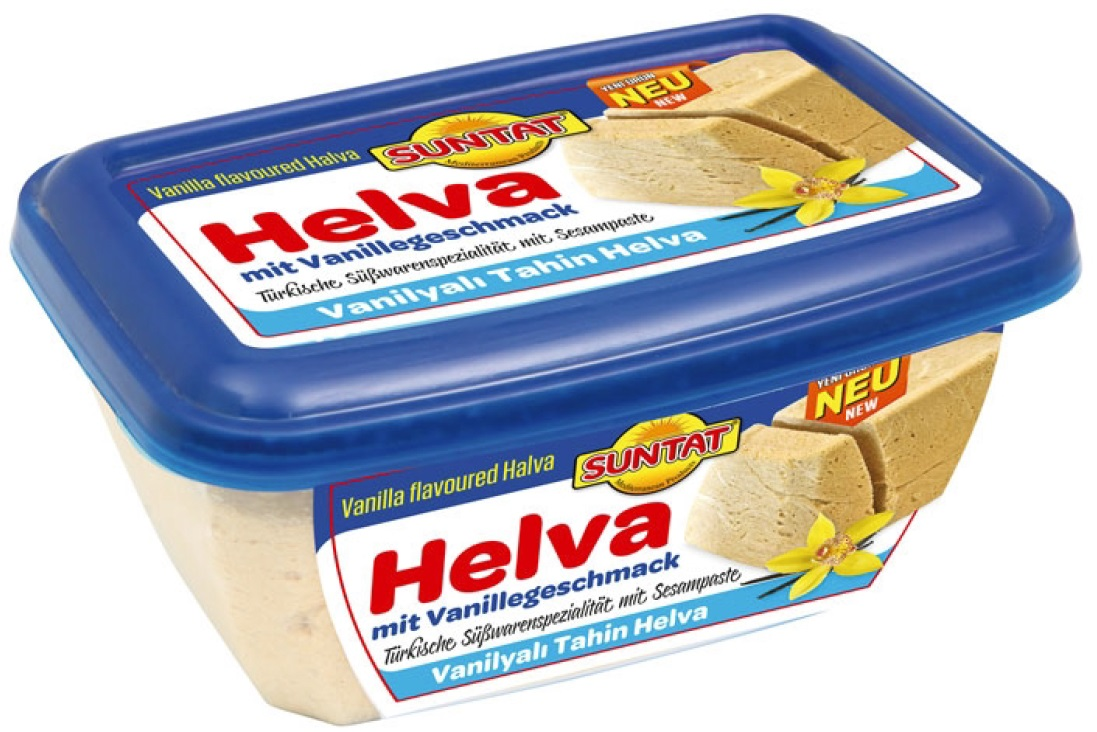
“SUNTAT Helva vanilla flavor 350 g”
customer information
BLG Kardesler GmbH, 68199 Mannheim
Salmonella was found in the product.
Reference is made to the company’s attached customer information.
“SUNTAT Helva vanilla flavor 350 g”
customer information
BLG Kardesler GmbH, 68199 Mannheim
Salmonella was found in the product.
Reference is made to the company’s attached customer information.
SUNTAT Helva with vanilla flavor
importer
Dovgan GmbH
Salmonella was found.
Salmonella Enteritidis detected in frozen chicken breasts from Ukraine in the Netherlands and Poland
Salmonella spp. in white sesame seeds in Poland and Germany
Salmonella in chicken meat preparation from Brazil in the Netherlands
SESAME SEEDS FROM NIGERIA WITH SALMONELLA in Greece
Salmonella spp. in vanilla-flavoured halva from Turkey in the Czech Republic, France, Germany, Italy and Netherlands
Salmonella Enteritidis in frozen chicken fillet from Ukraine in Poland and the Netherlands
Salmonella spp.in powder paprika from China in Romania
Salmonella Infantis in chilled chicken meat from Poland in the Czech Republic
Salmonella CO in chicken kebab from Poland in Germany
Salmonella spp. in sesame from Germany in Italy, Austria
Salmonella Typhimurium in food supplement from Lithuania in Latvia
Salmonella Infantis in frozen broiler chicken thighs from Poland via Estonia in Finland, Germany, Latvia, Lithuania, Poland and UK
Posted in food contamination, food handler, Food Hazard, Food Hygiene, Food Inspections, Food Micro Blog, Food Microbiology, Food Microbiology Blog, Food Microbiology Testing, Food Pathogen, food recall, Food Safety, Food Safety Alert, Food Safety Management, Food Testing, Polish Chicken Salmonella, RASFF, Salmonella, Salmonella in Chicken, Salmonella Poland, Salmonella Sesame Seeds
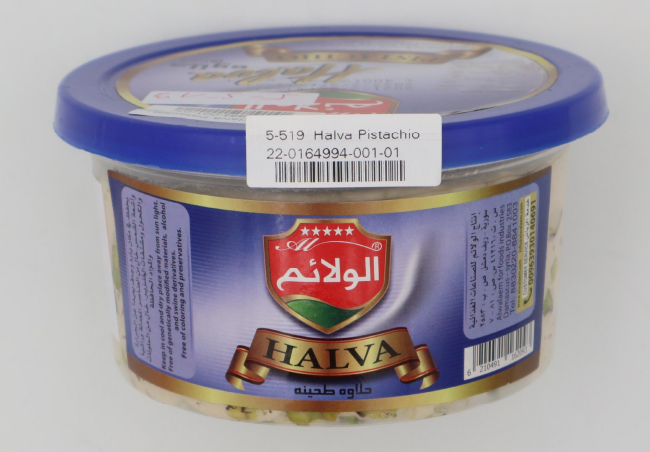
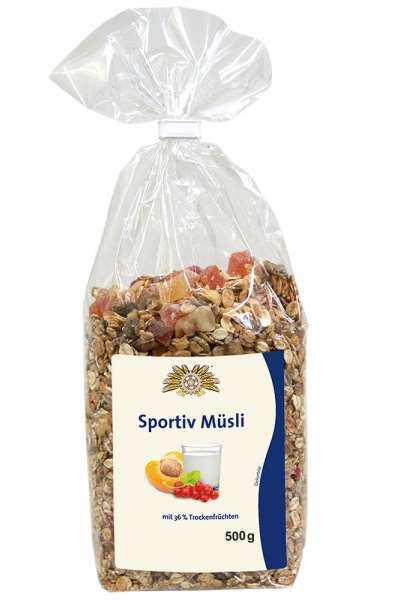
Halva Pistachio
Hubi GmbH
Salmonella

| GTIN | Batch | Date |
|---|---|---|
| 2887826003945 | 1 1 234/817185 | Use-by date 09/01/2022 |

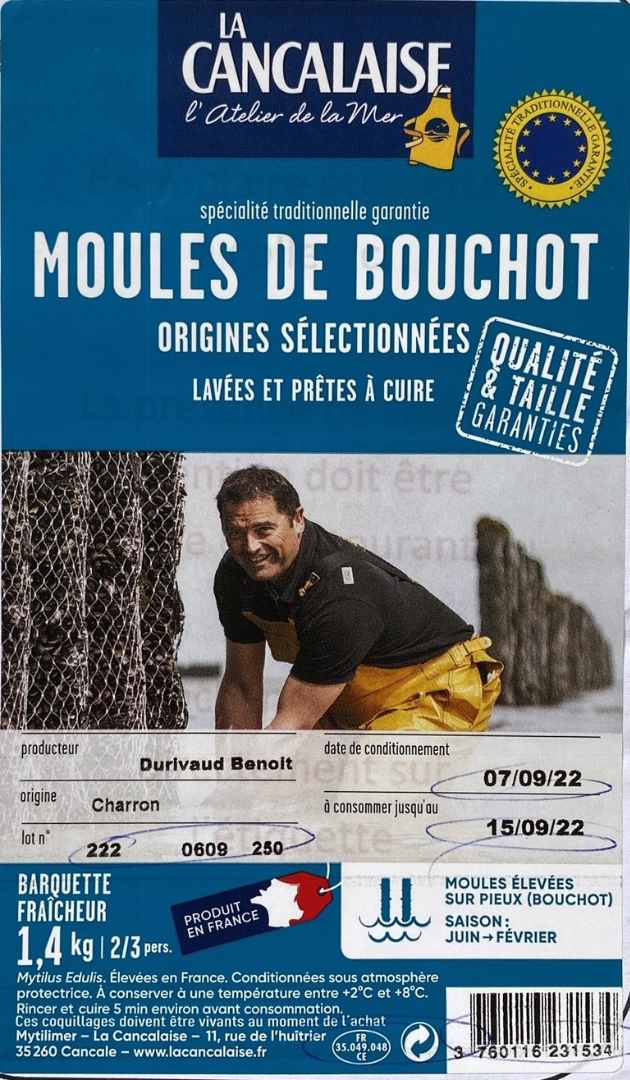
| GTIN | Batch | Date |
|---|---|---|
| 3256220504980 | 2220609250 | Use-by date 09/15/2022 |
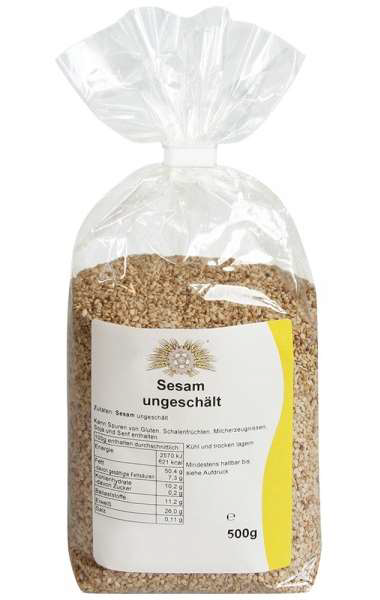
Minor flax mill
Salmonella
Further information:
Reference is made to the attached information from the food business operator.
poststelle@lgl.bayern.de
| Press Releases and Information | |
|---|---|
| title | attachment or web link |
|
customer information
|
|
Posted in food contamination, food handler, Food Hazard, Food Hygiene, Food Inspections, Food Micro Blog, Food Microbiology, Food Microbiology Blog, Food Microbiology Testing, Food Pathogen, food recall, Food Safety, Food Safety Alert, Food Safety Management, Food Testing, Salmonella, Salmonella Sesame Seeds

| GTIN | Batch | Date |
|---|---|---|
| 3760116231534 | 2220609250 | Use-by date 09/15/2022 |
The effect of variations in temperature, ultraviolet (UV) radiation, and sunlight intensity on generic Escherichia coli , E. coli O157:H7, Salmonella Newport and antibiotic resistant (ABR) variants of E. coli O157:H7 and S . Newport exposed to sunlight was evaluated. Bacterial strains suspended in sterile deionized water at a concentration of 8 log CFU/ml were exposed to sunlight on three different days for 180 min; control treatments were stored in the dark. The mean temperature of 30.08 and 26.57℃ on day 1 and 3 were significantly different (p<0.05). The UV intensity was significantly different on all three days and sunlight intensity significantly differed on day 3 (p<0.05). Bacterial population decline positively correlated with temperature, sunlight and UV intensity. Differences in bacterial population declines differed among specie, antibiotic resistance (ABR) profile and day of exposure. (p<0.05). On days 1 and 2, the populations of generic E. coli dropped below the limit of detection (1 log CFU/ml) while the % of live cells was 67% and 6.6% respectively. The artificial neural network model developed to predict bacterial survival under different environmental conditions suggested that Salmonella cells were more resistant than E. coli . The ABR strains had significantly higher viable cells after sunlight exposure (p<0.05). Sunlight exposed cells resuscitated in TSB varied in maximum population density and maximum growth rate based on bacterial species and presence of antibiotic resistance. Morphological changes such as viable but non-culturable (VBNC) state transition and filament formation was detected in sub-populations of sunlight exposed bacteria. Daily fluctuations in UV and sunlight intensity can result in significant variations in bacterial decline and recovery.
Posted in antimicrobial resistance, Antimicrobials, Contaminated water, Decontamination Microbial, E.coli, E.coli O157, E.coli O157:H7, Food Micro Blog, Food Microbiology, Food Microbiology Blog, Food Microbiology Research, Food Microbiology Testing, microbial contamination, Microbiological Risk Assessment, Microbiology, Microbiology Investigations, Microbiology Risk, Research, Salmonella, UV Microbiology, Water, water microbiology, Water Safety