Category Archives: Pseudomonas fluorescens

Research – Pseudomonas Biofilms Pose Food Safety Threat by Aiding Listeria Survival in Processing Environments

Food Safety.Com

Pseudomonas biofilms can aid the survival of Listeria monocytogenes cells even after disinfection, according to a recent study. Although Pseudomonas are often overlooked as a food safety hazard due to being associated with food spoilage rather than with human foodborne illnesses, the study’s findings suggest that the bacteria may pose a direct threat to food safety in the processing environment.

Pseudomonas are the most commonly found bacteria in food processing environments due to characteristics such as a high growth rate at low temperatures, a high tolerance of antimicrobial agents, and biofilm formation. The bacteria have been of special interest as colonizers in food processing environments, as a food spoilage organism, and as protectors of foodborne pathogens.

Previous research has demonstrated the possibility of surviving bacteria exposed to sub-lethal concentrations of disinfectants being able to co-select for both disinfectant- and antibiotic-resistant properties. Several studies also indicate that interspecies interactions in a biofilm could serve as an accelerator for horizontal gene transfer, as well as facilitate adaptation to environmental conditions and the subsequent decreased susceptibility to antimicrobials. It has been suggested that multi-species, Pseudomonas-dominated biofilms could host and shelter pathogens like L. monocyotogenes.

In the study, researchers from the Norwegian University of Science and Technology isolated Pseudomonas samples from cleaned and disinfected surfaces in a salmon processing facility. A total of 186 isolates were screened for biofilm formation at 12 °C, and were graded as strong, medium, or weak biofilm producers. A high variation in biofilm formation was observed, with 12 percent rated as strong, 29 percent as medium, and 27 percent as weak biofilm producers, as well as 29 percent not producing a detectable biofilm.

Research – Nanoparticle Coatings on Glass Surfaces to Prevent Pseudomonas fluorescens AR 11 Biofilm Formation

MDPI

Abstract

Microbial colonization of surfaces is a sanitary and industrial issue for many applications, leading to product contamination and human infections. When microorganisms closely interact with a surface, they start to produce an exo-polysaccaridic matrix to adhere to and protect themselves from adverse environmental conditions. This type of structure is called a biofilm. The aim of our work is to investigate novel technologies able to prevent biofilm formation by surface coatings. We coated glass surfaces with melanin-ZnO2, melanin-TiO2, and TiO2 hybrid nanoparticles. The functionalization was performed using cold plasma to activate glass-substrate-coated surfaces, that were characterized by performing water and soybean oil wetting tests. A quantitative characterization of the antibiofilm properties was done using Pseudomonas fluorescens AR 11 as a model organism. Biofilm morphologies were observed using confocal laser scanning microscopy and image analysis techniques were used to obtain quantitative morphological parameters. The results highlight the efficacy of the proposed surface coating to prevent biofilm formation. Melanin-TiO2 proved to be the most efficient among the particles investigated. Our results can be a valuable support for future implementation of the technique proposed here in an extended range of applications that may include further testing on other strains and other support materials.

Research – Pseudomonas fluorescens and Escherichia coli in Fresh Mozzarella Cheese: Effect of Cellobiose Oxidase on Microbiological Stability during Refrigerated Shelf Life

MDPI

Abstract

Background: Mozzarella cheese possesses a high moisture content (50–60%) and a relatively high pH (around 5.5) and is therefore considered a perishable food product characterized by high quality deterioration and the potential risk of microbial contamination. Moreover, it can be spoiled by Pseudomonas spp. and coliform bacteria, which may be involved in different negative phenomena, such as proteolysis, discolorations, pigmentation, and off-flavors. To prevent these, different methods were investigated. In this context, the present study aims to assess the antimicrobial effect of cellobiose oxidase on Pseudomonas fluorescens (5026) and Escherichia coli (k88, k99) in mozzarella cheese during refrigerated shelf life. Methods: microbiological challenge tests were designed by contaminating the mozzarella covering liquid containing different cellobiose oxidase concentrations with P. fluorescens (5026) and E. coli (k88, k99). The behavior of these microorganisms and the variation of hydrogen peroxide concentrations were then tested under refrigerated conditions for 20 days to simulate the mozzarella cheese shelf life. Results and Conclusions: The data obtained demonstrated the effect of cellobiose oxidase on microbial growth. In particular, E. coli (k88, k99) was inhibited over the entire shelf life, while P. fluorescens (5026) was only partially affected after a few days of refrigerated storage.

Research – Interactions Between Infectious Foodborne Viruses and Bacterial Biofilms Formed on Different Food Contact Surfaces

Springer

Bacterial biofilms contribute to contamination, spoilage, persistence, and hygiene failure in the food industry, but relatively little is known about the behavior of foodborne viruses evolving in the complex communities that make up biofilm. The aim of this study was to evaluate the association between enteric viruses and biofilms on food contact surfaces. Formed biofilms of mono- and multispecies cultures were prepared on glass, stainless steel, and polystyrene coupons and 105 pfu/ml of murine norovirus, rotavirus, and hepatitis A virus were added and incubated for 15 min, 90 min, and 24 h. The data obtained clearly demonstrate that the presence of biofilms generally influences the adhesion of enteric viruses to different surfaces. Many significant increases in attachment rates were observed, particularly with rotavirus whose rate of viral infectious particles increased 7000 times in the presence of Pseudomonas fluorescens on polystyrene after 24 h of incubation and with hepatitis A virus, which seems to have an affinity for the biofilms formed by lactic acid bacteria. Murine norovirus seems to be the least influenced by the presence of biofilms with few significant increases. However, the different factors surrounding this association are unknown and seem to vary according to the viruses, the environmental conditions, and the composition of the biofilm.

Research – Spanish study finds organic produce contamination

Food Safety News

Early findings from researchers in Spain has found organic produce can be contaminated with a range of bacteria.

The study suggests that amoebas that live on organic leafy vegetables can shelter human pathogens like Pseudomonas, Salmonella, and Helicobacter.

Details are based on a poster presentation at the European Congress of Clinical Microbiology and Infectious Diseases (ECCMID) in Lisbon, Portugal, from April 23 to 26. All abstracts were peer reviewed by a congress committee. There is no paper yet, but the research has been submitted to a medical journal for publication.

However, other scientists warned that while conclusions are interesting, the fact that data has not yet been peer reviewed means they cannot be put into context.

Research – Enhanced antimicrobial effectiveness of synergistic mixtures of rambutan peel extract and cinnamon essential oil on food spoilage bacteria and bio-based food packaging

Wiley Online

Staph

This research aims to enhance antimicrobial activity of rambutan peel extract (RPE), by mixing with cinnamon essential oil (CEO). The mixture of RPE and CEO with different weight ratios (10:0, 9:1, 8:2, 7:3, 6:4, 5:5, 4:6, 3:7, 2:8, 1:9, and 0:10) had been prepared and the antimicrobial efficacy was tested. Nine strains of bacteria: Gram-positive bacteria (Bacillus sp., Enterococcus faecalisLeuconostoc sp., Micrococcus luteusStaphylococcus aureus, and Streptococcus sp.) and Gram-negative bacteria (Escherichia coliPseudomonas fluorescens, and Salmonella typhimurium) were selected as the representative of pathogenic and food spoilage bacteria. Mixing RPE with CEO in a ratio of 5:5 showed the best synergistic effect against those bacteria. Addition of RPE/CEO in a weight ratio of 5:5 improved the antimicrobial activity of whey protein isolated (WPI) films, and enhanced strength, stiffness, and water resistance of the film.

RASFF Alert – Pseudomonas fluorescens

RASFF

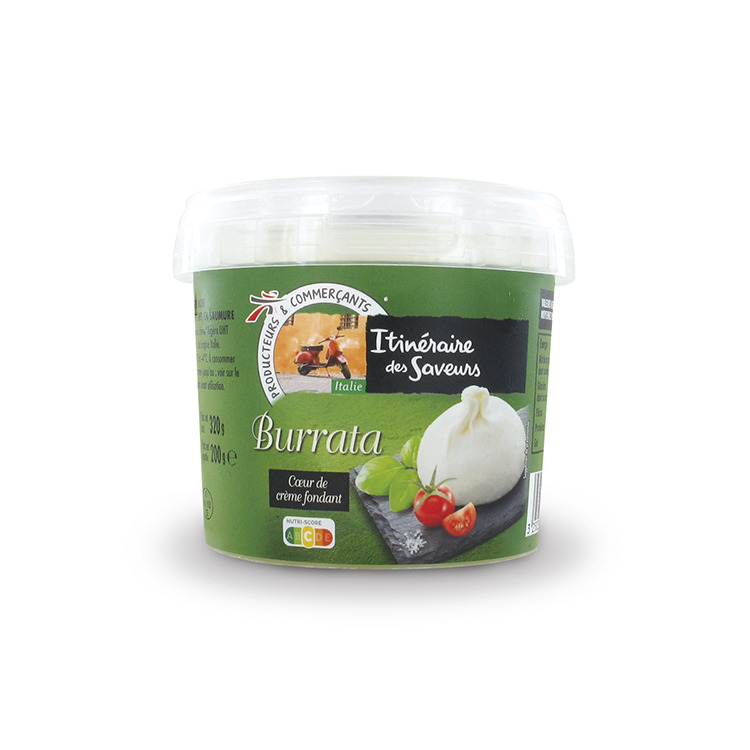
Burrata – Pseudomonas fluorescens – Italie in France

France – BURRATA ROUTE OF FLAVORS 200G – Pseudomonas fluorescens

Gov france

Identification information of the recalled product

  • Product category Food
  • Product subcategory Milk and dairy products
  • Product brand name ITINERARY OF FLAVORS
  • Model names or references BURRATA 200G
  • Identification of products
    GTIN Lot Dated
    3250392341695 L713 Use-by date 03/12/2022
    3250392341695 L423 Use-by date 05/03/2022
    3250392341695 L323 Use-by date 06/03/2022
    3250392341695 L903 Use-by date 20/03/2022
    3250392341695 L413 Use-by date 03/15/2022
    3250392341695 L613 Use-by date 03/13/2022
    3250392341695 L013 Use-by date 03/19/2022
    3250392341695 L123 Use-by date 08/03/2022
  • Packaging GREEN PRINTED PLASTIC POT
  • Marketing start/end date From 02/15/2022 to 03/03/2022
  • Storage temperature Product to be stored in the refrigerator
  • Health mark IT 16/153 CE
  • Geographic area of ​​sale Whole France
  • Distributors INTERMARCHE

Practical information regarding the recall

  • Reason for recall PRESENCE OF PSEUDOMONAS FLUORESCENS
  • Risks incurred by the consumer Pseudomonas
  • Additional description of the risk NO PATHOGENIC RISK – BUT PRODUCT DEGRADATION

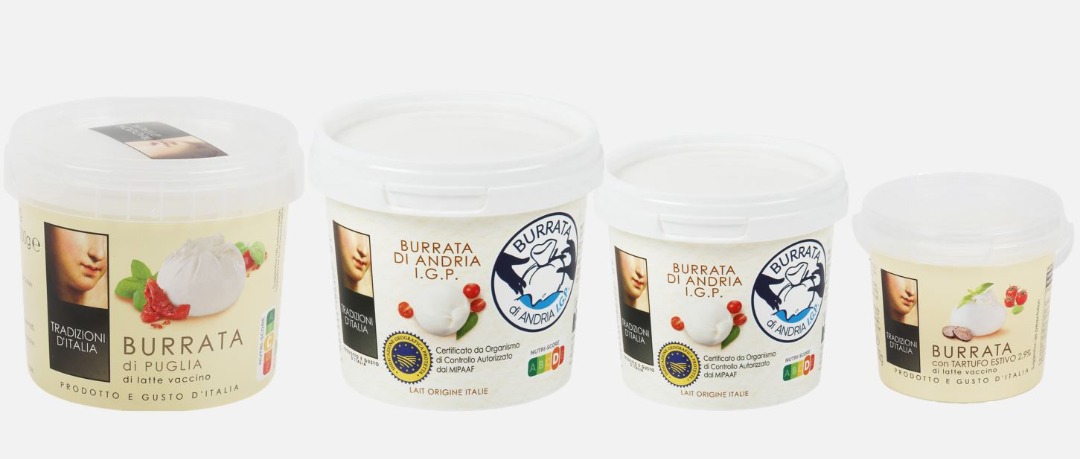
France – BURRATA 100G – 120G – 200G – Pseudomonas fluorescens

Gov france

Identification information of the recalled product

  • Product category Food
  • Product subcategory Milk and dairy products
  • Product brand name TRADITIONI D’ITALIA
  • Model names or references BURRATA DI PUGLIA 200G – BURRATA DI ANDRIA IGP 120G and 200G – BURRATA CON TARTUFO ESTIVO 100G
  • Identification of products
    GTIN Lot Dated
    3760113766282 All lots Use-by date between 05/03/2022 and 19/03/2022
    3664335100322 All lots Use-by date between 05/03/2022 and 19/03/2022
    3760113768866 All lots Use-by date between 05/03/2022 and 19/03/2022
  • Packaging JARS OF 100G – 120G – 200G
  • Marketing start/end dateFrom 02/15/2022 to 03/03/2022
  • Storage temperature Product to be stored in the refrigerator
  • Health mark IT 16 153 EC
  • Geographic area of ​​sale Whole France
  • Distributors E.LECLERC

Practical information regarding the recall

  • Reason for recall Risk of presence of Pseudomonas fluorescens
  • Risks incurred by the consumer Pseudomonas
  • Additional description of the risk This bacterium is likely to degrade the product and give it a bad taste and a bluish color, making it inedible.

Research – Detrimental Effect of Ozone on Pathogenic Bacteria

MDPI

Background: Disinfection of medical devices designed for clinical use associated or not with the growing area of tissue engineering is an urgent need. However, traditional disinfection methods are not always suitable for some biomaterials, especially those sensitive to chemical, thermal, or radiation. Therefore, the objective of this study was to evaluate the minimal concentration of ozone gas (O3) necessary to control and kill a set of sensitive or multi-resistant Gram-positive and Gram-negative bacteria. The cell viability, membrane permeability, and the levels of reactive intracellular oxygen (ROS) species were also investigated;

Material and Methods: Four standard strains and a clinical MDR strain were exposed to low doses of ozone at different concentrations and times. Bacterial inactivation (cultivability, membrane damage) was investigated using colony counts, resazurin as a metabolic indicator, and propidium iodide (PI). A fluorescent probe (H2DCFDA) was used for the ROS analyses;

Results: No reduction in the count colony was detected after O3 exposure compared to the control group. However, the cell viability of E. coli (30%), P. aeruginosa (25%), and A. baumannii (15%) was reduced considerably. The bacterial membrane of all strains was not affected by O3 but presented a significant increase of ROS in E. coli (90 ± 14%), P. aeruginosa (62.5 ± 19%), and A. baumanni (52.6 ± 5%);

Conclusion: Low doses of ozone were able to interfere in the cell viability of most strains studied, and although it does not cause damage to the bacterial membrane, increased levels of reactive ROS are responsible for causing a detrimental effect in the lipids, proteins, and DNA metabolism. View Full-Text