Category Archives: Pathogen

UK – FSA – Lemon Thyme Recall -Salmonella

FSAfood_standards_agency_logo

Sainsbury’s is recalling its own-brand Lemon Thyme because salmonella has been detected in one pack during routine testing. The Agency has issued a Product Recall Information Notice.

The product being recalled is:

Product: Sainsbury’s Lemon Thyme, 15g Date codes: All date codes up to and including 21 January 2013

If you have purchased this product, please do not eat it. You can return it to the nearest store for a full refund.

Sainsbury’s is recalling all date codes, up to and including 21 January 2013, of this product because salmonella has been detected in a pack, following routine testing. Customer notices will be displayed in stores to tell consumers why the product is being recalled.

No other Sainsbury’s products are known to be affected.


UK – Product Recall Aflatoxins in Egusi

RASFF – Aflatoxins in Egusi in the UK sourced in Ghana

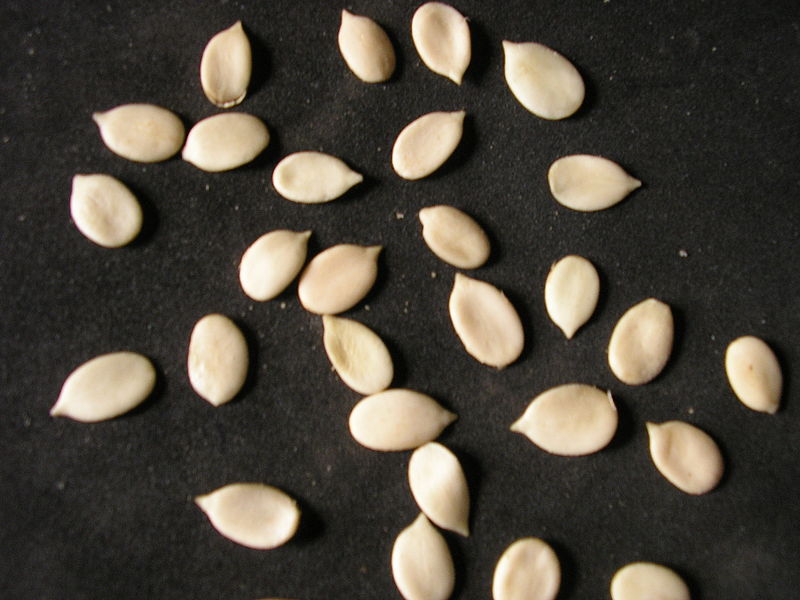
Egusi seeds are the fat- and protein-rich seeds of certain cucurbitaceous (squash, melon, gourd) plants. Authorities disagree whether the word is used more properly for the seeds of the colocynth, those of a particular large-seeded variety of the watermelon, or generically for those of any cucurbitaceous plant. The characteristics and uses of all these seeds are broadly similar.

EGUSI


USA – Recall – Smoked Salmon Recall – Listeria

Business Wire

The Stop & Shop Supermarket Company LLC, following a recall by Ocean       Beauty Seafoods LLC, announced it removed from sale Lascco Cold Smoked       Atlantic Salmon due to possible contamination by listeria monocytogenes.

The following product is included in this recall:

  •         Lascco Cold Smoked Atlantic Salmon, UPC 7284001708, 8 oz., all sell by         dates

We have received no reports of illness to date. Customers who have       purchased the product should discard any unused portions and bring their       purchase receipt to Stop & Shop for a full refund.

Australia – Cheese Recall – Listeria

FSANZ Recall ListFSANZ

Food Standards Australia New Zealand today released details of recalled Jindi cheeses.

The recall, which involves a variety of brands sold in different packaging, follows an announcement by Victoria’s acting Chief Health Officer, Dr Michael Ackland that more cases of illness had been linked to soft and semi-soft cheese products.

Dr Ackland said there were now 18 cases of listeria infection nationally, and a link to batches of Jindi manufactured cheeses sold at delicatessens and supermarkets had been identified.

The Jindi Cheese company is now recalling all its cheeses manufactured up to and including 6 January which have a range of best before dates under a range of brand names.

Victorian Department officials visited the Jindi factory in Jindivick on Wednesday, and were satisfied that appropriate food processing, hygiene and monitoring practices were being followed for the manufacture of products from January 7.

Consumers should not eat the recalled products and should return them to the place of purchase for a full refund. Others who have purchased a cut portion of camembert or brie from a supermarket or deli and are unsure of the brand should also dispose of it.

Dr Ackland said “The infection will cause minor or no symptoms in the vast majority of healthy people who may contract it, but is particularly dangerous for some vulnerable groups. Listeria can cause miscarriages in pregnant women and death in elderly people and those with compromised immune systems. Early symptoms of listeria include fever, headache, tiredness, aches and pains.”

If you think you or your family might have become ill from eating affected cheese, you should consult your doctor.

RASFF Alerts – Norovirus – Alfatoxin – Salmonella – Mould

RASFF – Norovirus in Oysters in France sourced in Spain

RASFF – Norovirus in Live Clams in France from Spain

RASFF – Aflatoxin in Peanuts in Slovakia sourced in China

RASFF – Salmonella in Kebab Meat in Italy sourced in Poland

RASFF – Mould in Cottage Cheese in Greece sourced in Germany


Research New Bacterial Identification Technology

Food Poisoning Bulletin

xTAG Gastrointestinal Pathogen Panel (GPP), which recently received approval from US Food and Drug Administration (FDA), is one lab test that can do the job of many,  expertly scanning a solitary stool sample for 11 different illness-inducing organisms.

To many, that sounds an impressive feat in an of itself. But considering that 179 million Americans are stricken with gastroenteritis every year, according to the Centers for Disease Control and Prevention (CDC), it’s also one that can come in handy. Infectious gastroenteritis is caused by certain viruses, bacteria, or parasites and can be spread easily through person-to-person contact or from contaminated food, water, and surfaces. Symptoms include vomiting and diarrhea.

The  xTAG can scan for  bacteria including Campylobacter, Clostridium difficile (C. difficile) toxin A/B, Escherichia coli (E. coli) O157, Enterotoxigenic Escherichia coli (ETEC) LT/ST, Salmonella, Shigella and Shiga‐like Toxin producing E. coli (STEC) stx 1/stx 2. It can scan for viruses including Norovirus and Rotavirus A. And it can scan for parasites such as Cryptosporidium and Giardia.

Research – Norovirus and Hand Sanitisers

Food Poisoning Bulletinnorovirus-2(1)

In 2011, the Centers for Disease Control and Prevention conducted a study that looked at a substantial increase in novovirus illnesses in northern New England. Researchers looked at long-term care facilities in that area, trying to identify institutional risk factors for norovirus outbreaks. State health departments in Maine, New Hampshire, and Vermont used surveys, collecting information about facility attribvutes, routine staff use of alcohol-based hand sanitizer versus soap and water, facility cleaning practices, and occurrence of acute gastroenteritis outbreaks from December 2006 to Amarcy 2007.

Norovirus outbreaks peak in the winter months, when people are forced to spend more time together. Cruise ships, hospitals, and nursing homes usually suffer outbreaks because of the proximity of patients. The virus is extremely contagious and people can become infected through food and drink, person-to-person, and by touching contaminated surfaces.

The surveys found that of the 91 facilities that responded, 61 reported 73 outbreaks in that time frame. Of those outbreaks, 29 were confirmed norovirus. And facilities where staff were “equally or more likely to use alcohol-based hand sanitizer (ABHS) than soap and water for routine hand hygiene had higher odds of an outbreak than facilities with staff less like to use ABHS.”

USA – Raw Beef Recalled – E.coli O157

Food Safety News

Glenn’s Market and Catering, a Watertown, WI establishment, is recalling approximately 2,532 pounds of raw ground beef products that may be contaminated with E. coli O157:H7, the U.S. Department of Agriculture’s Food Safety and Inspection Service (FSIS) announced today.

The following products are subject to recall:  Various size packages of Glenn’s Market ground round, ground chuck and ground beef sold between Dec. 22, 2012 and Jan. 4, 2013.

The products subject to recall were sold only at Glenn’s Market and Catering in Watertown, WI from the retail meat case.

USA -FDA – Recall Cheese STEC E.coli

FDA

The State Milk Board, in conjunction with the Missouri Department of Agriculture and the Missouri Department of Health and Senior Services, announced today that Homestead Creamery of Jamesport, Mo. is voluntarily withdrawing a batch of its Flory’s Favorite cheese from the marketplace.

Preliminary test results received from the Missouri State Health Laboratory indicate the cheese may be contaminated with Shiga-Toxin producing E.coli, which can lead to food borne illness. Confirmatory tests are ongoing.

The Homestead Creamery plant license to sell milk products in Missouri has been temporarily suspended, pending the results of the investigation by the State Milk Board and Missouri departments of Agriculture and Health and Senior Services.

The withdrawn product, Flory’s Favorite, is a 60-day aged cheese made with raw milk. Packages of the cheese are marked with “Packed On 210” on the label. This affects approximately 250 pounds of cheese and does not affect any other dairy products from Homestead Creamery.

Canada – More Recalls Lettuce – E.coli O157

CFIACIFA

Reference Number: 7688
Recalling Firm: FRESHPOINT TORONTO
Date of Recall: 1/13/2013
Recall Classification: 1
Distribution : New Brunswick, Newfoundland and Labrador, Nova Scotia, Ontario, Prince Edward Island, Quebec
Extent of the Product Distribution : Hotel/Restaurant/Institutional