Category Archives: Microbiology

RASFF Animal Feed Alerts – Salmonella – Rabbit Meal – Lamb Meal – Soya Meal – Aflatoxins – Corn Gluten – Maize

RASFF – Salmonella Derby (presence /25g) in rabbit meal from the Netherlands in Sweden

RASFF -Salmonella enterica (presence /25g) in lamb meal from the Netherlands in Sweden

RASFF -Salmonella Derby (presence /25g) in rabbit meal from the Netherlands in Sweden

RASFF – Salmonella Mbandaka (presence /25g) in soya meal from Brazil, via the Netherlands in Belgium

RASFF -aflatoxins (B1 = 28 µg/kg – ppb) in corn gluten from Germany

RASFF -aflatoxins (B1 = 24.44 / B1 = 12.64 / B1 = 26.20 / B1 = 10.10 µg/kg – ppb) in maize from Spain


Research – Inactivation of Human Norovirus using Chemical Sanitizers

Norwalk_CaspidScience Direct

The porcine gastric mucin binding magnetic bead (PGM-MB) assay was used to evaluate the ability of chlorine, chlorine dioxide, peroxyacetic acid, hydrogen peroxide, and trisodium phosphate to inactivate human norovirus within 10% stool filtrate. One-min free chlorine treatments at concentrations of 33 and 189 ppm reduced virus binding in the PGM-MB assay by 1.48 and 4.14 log10, respectively, suggesting that chlorine is an efficient sanitizer for inactivation of human norovirus (HuNoV). Five min treatments with 5% trisodium phosphate (pH ~ 12) reduced HuNoV binding by 1.6 log10, suggesting that TSP, or some other high pH buffer, could be used to treat food and food contact surfaces to reduce HuNoV. One min treatments with 350 ppm chlorine dioxide dissolved in water did not reduce PGM-MB binding, suggesting that the sanitizer may not be suitable for HuNoV inactivation in liquid form. However a 60-min treatment with 350 ppm chlorine dioxide did reduce human norovirus by 2.8 log10, indicating that chlorine dioxide had some, albeit limited, activity against HuNoV. Results also suggest that peroxyacetic acid has limited effectiveness against human norovirus, since 1-min treatments with up to 195 ppm reduced human norovirus binding by < 1 log10. Hydrogen peroxide (4%) treatment of up to 60 min resulted in minimal binding reduction (~ 0.1 log10) suggesting that H2O2 is not a good liquid sanitizer for HuNoV. Overall this study suggests that HuNoV is remarkably resistant to several commonly used disinfectants and advocates for the use of chlorine (sodium hypochlorite) as a HuNoV disinfectant wherever possible.

Canada – Government of Canada announces plans to strengthen food safety enforcement

CFIA

November 21, 2013, Ottawa: Today, the Honourable Rona Ambrose, Minister of Health, announced the intention to introduce new penalties for businesses that fail to respect Canadian meat safety requirements.

“Consumers want a strong and reliable food inspection system on which they can depend to provide safe food,” said Minister Ambrose. “Introducing these new penalties demonstrates our commitment to ensuring that Canada’s stringent food safety requirements are being followed.”

These fines, known as Administrative Monetary Penalties (AMPs), provide Canadian Food Inspection Agency (CFIA) inspectors with an additional enforcement option when working with the meat industry. For example, they may be applied if a company withholds information, such as a positive E. coli test result, or records that are needed as part of a food safety investigation, or if a company is regularly identified for not complying with requirements.

Strict fines for food safety violations are another step the Government of Canada is taking to protect consumers. The Healthy and Safe Food for Canadians Framework outlines additional activities being undertaken by the CFIA and its federal food safety partners, Health Canada and the Public Health Agency of Canada.

USA – FDA Food Modernisation Act Updates

FDAFDA

FDA Food Safety Modernization Act (FSMA)

The FDA Food Safety Modernization Act (FSMA), the most sweeping reform of our food safety laws in more than 70 years, was signed into law by President Obama on January 4, 2011. It aims to ensure the U.S. food supply is safe by shifting the focus from responding to contamination to preventing it.

Stay connected with FSMA E-mail Updates!1

USA -CDC Update Foster Farms Salmonella Outbreak

CDCE.coli O157

As of November 15, 2013, a total of 389 persons infected with seven outbreak strains of Salmonella Heidelberg have been reported from 23 states and Puerto Rico.

40% of ill persons have been hospitalized, and no deaths have been reported.

Most ill persons (74%) have been reported from California.

Epidemiologic, laboratory, and traceback investigations conducted  by local, state, and federal officials indicate that consumption of Foster  Farms brand chicken is the likely source of this outbreak of Salmonella Heidelberg infections.

Canada – Recall – Garlic Powder – Salmonella

CFIAEurofins Food Testing UK

Loblaw Companies Limited is recalling Suraj brand Garlic Powder from the marketplace due to possible Salmonella contamination. Consumers should not consume the recalled product described below.

The following product has been sold nationally.

 Recalled products

Brand Name Common Name Size UPC Additional Info
Suraj Garlic Powder 400 g 0 57197 37238 0 Best Before 2015 AL 22

Canada – Ground Beef Recall – E.coli O157:H7

CFIAE.coli O157:H7

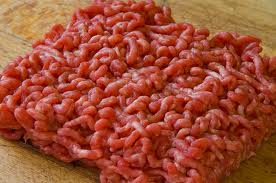
Groupe Colabor Inc. is recalling ground beef from the marketplace due to possible E. coli O157:H7 contamination. Hotels, restaurants, institutions and daycare facilities should not use, serve or distribute the recalled products described in the link above.

USA – Salmonella Outbreak Sickens 18

Food Poisoning BulletinSalmonella

The Salmonella outbreak we reported on last week has been confirmed as Salmonella enteritidis, according to MLive. Eighteen cases have been confirmed in Muskegon County. The Muskegon County web site was down at the time of this report.

Officials believe that a single source caused the outbreak, and that people were exposed to the bacteria from October 30 to November 2, 2013. Seventeen of the eighteen cases are related. There is no information about  the source of the bacteria, where the patients ate, or what they ate. Officials are going to start studying epidemiological evidence and will conduct statistical analysis this week.

RASFF Alerts – Salmonella – Meat Ball – Turkey Meat – Paan Leaves – Chicken Kebab – Clams

RASFF -Salmonella typhimurium (presence /25g) in frozen meat ball mass from Lithuania in Latvia

RASFF -Salmonella Hadar (presence /25g) in frozen turkey meat preparations from Brazil in the Netherlands

RASFF -Salmonella spp. in paan leaves from Bangladesh in the UK

RASFF -Salmonella group C1 (present /25g) in fresh chicken fillets from the Czech Republic

RASFF -Salmonella infantis (presence /25g) in frozen chicken kebab from the Czech Republic, with raw material from Poland

RASFF -Salmonella Javiana (present /25g) in rice paddy herb from Vietnam in Norway

RASFF -Salmonella in frozen ark clams from Vietnam


RASFF Alerts – Bacillus spp – Bean Curd – Listeria monocytogenes – Tuna Mayonaise – E.coli – Horseradish – Clams – Pseudomonas – Mozzarella

RASFF -Bacillus spp. (3.8 x 10*5; 2.4 x 10*5; 1.8 x 10*5; 1.0 x 10*3; 1.2 x 10*5 CFU/g) in bean curd from China in the UK

RASFF-Listeria monocytogenes (< 10 CFU/g) in tuna mayonaise from Belgium in France

RASFF-Salmonella Braenderup (presence /25g) and high count of Escherichia coli (1000; 4000; 6000; 2800; 130 CFU/g) in horseradish tree shoot from Thailand in Norway

RASFF-too high count of Escherichia coli (330 MPN/100g) in live clams (Venus verrucosa) from Greece in Italy

RASFF -high count of Pseudomonas spp. (7.2 x 10E7 CFU/g) in mozzarella cheese from Germany in Italy