Category Archives: Microbiology

RASFF Alert – Animal Feed – Aflatoxin – Groundnut Kernels

RASFF-Logo

RASFF – aflatoxins (B1 = 159 µg/kg – ppb) in groundnuts kernels from India in the UK

Research – Comparison of Antimicrobial Treatments Applied via Conventional or Handheld Electrostatic Spray To Reduce Shiga Toxin–Producing Escherichia coli on Chilled Beef Outside Rounds

Journal of Food Protection

ABSTRACT

The purpose of this study was to compare the efficacy of different antimicrobial interventions applied via either conventional spray (CS) or handheld electrostatic spray (ESS) to reduce Shiga toxin–producing Escherichia coli (STEC) on fresh beef surfaces. Hot-boned outside rounds (ORs) were inoculated within 1 h after harvest with a cocktail of eight isolates consisting of 8 O157 and non-O157 serogroups of STEC (STEC8). ORs were hung on sterile meat hooks at 4°C for 36 h to simulate a contaminated full carcass side in the chiller. ORs were then treated with lactic acid (LA; 4.5%, w/v), 3.0% lauric arginate ester (LAE), 0.8% cetylpyridinium chloride, 200 mg/L peracetic acid, 3 mg/L chlorine dioxide, 5 mg/L ClO2, or tap water by using CS or ESS. Temperatures of LA and peracetic acid were set at 55 and 42°C before spraying, whereas all other solutions were applied at room temperature (25°C). Pretreatment and posttreatment STEC8-inoculated beef tissue samples were aseptically collected to evaluate the efficacy of interventions by application method (CS or ESS). LA applied with CS achieved the greatest reduction in STEC8 numbers (3.3 log CFU/cm2) compared with all other treatments: 0.2 log CFU/cm2 (tap water) to 2.3 log CFU/cm2 (LAE). Only for LA did a significant difference arise in mean STEC8 reductions between CS and ESS applications (3.2 versus 1.7 log CFU/cm2, respectively). Among the treatments applied with ESS, LAE produced the greatest reduction of STEC8. Antimicrobial interventions applied via conventional wand or cabinet-applied technologies can reduce the O157 and non-O157 STEC on fresh beef carcass surfaces, reducing transmission to beef consumers.

HIGHLIGHTS
  • We found no advantage in the use of electrostatic spray to reduce STEC8 on cold beef.

  • Greatest reductions in STEC8 were achieved by lactic acid with conventional spray.

  • Lauric arginate ester was the second best antimicrobial agent at reducing STEC8.

  • Lactic acid reduced pH on the beef surface significantly.

  • There was no effect of antimicrobial solution on temperature increase on beef outside rounds.

Research – Antibacterial Effects of Phytic Acid against Foodborne Pathogens and Investigation of Its Mode of Action

Journal of Food Protection

ABSTRACT

This study investigated the antimicrobial mechanism of phytic acid (PA) and its antibacterial effects in combination with ethanol. The MIC of PA on Escherichia coli ATCC 11229, Staphylococcus aureus ATCC 6538P, Bacillus subtilis ATCC 6633, and Salmonella Typhimurium CICC 27483 were 0.24, 0.20, 0.26, and 0.28% (w/w), respectively. E. coli ATCC 11229 and S. aureus ATCC 6538P were selected to investigate the mechanism of PA by analyzing its effects at 1/2MIC and at MIC on the cell morphology, intracellular ATP, and cell membrane integrity. Environmental scanning electron microscope images revealed that PA was able to change the cell morphology and disrupt the intercellular adhesion. PA retarded bacterial growth and caused cell membrane dysfunction, which was accompanied by decreased intracellular ATP concentrations. Flow cytometry analysis further revealed that almost all the bacterial cells were damaged after treatment with PA at its MIC for 2 h. Moreover, PA has a synergistic antimicrobial ability when used in combination with ethanol. These results suggested that PA is effective in inhibiting growth of foodborne pathogens mainly by the mechanism of cell membrane damage and to provide a theoretical basis for the development of natural antimicrobial agents in the food industry.

Research – Relationship of Sanitizers, Disinfectants, and Cleaning Agents with Antimicrobial Resistance

Journal of Food Protection

ABSTRACT

Sanitizers, disinfectants, and cleaning agents are vital to food hygiene assurance and are a major public health protection measure. Limiting microbial antibiotic resistance is also a global public health priority. Although many factors contribute to the rise in antimicrobial resistance in bacteria infecting humans, antibiotic use in both human clinical settings and for food-producing animals are primary contributors. Some concerns have been raised about the possibility of coselection between food hygiene chemicals and reduced antimicrobial susceptibility. This article reviews available evidence from individual studies purporting to demonstrate a possible risk of antimicrobial resistance development, following biocide usage. Furthermore, the conclusions of several key expert reports and meta-analysis publications were assessed for supportive evidence of a relationship between biocide usage in food production and resistance development. Although many studies report on the isolation of antimicrobial-resistant bacterial strains in food, evidence is lacking on the attribution of this resistance to biocide usage. Also, although a theoretical risk of causality exists, many of the studies performed to demonstrate this are in vitro studies using laboratory-grown or -trained bacterial isolates, challenged with sublethal (below the recommended food industry) disinfectant or sanitizing agent concentrations. The proper use of, and adherence to biocide manufacturer’s instruction for use, and the avoidance of biocide active agent dilution (e.g., through biofilm presence) must be ensured in food production environments. It is recommended that in situ studies should be performed to further assess causality, ensured a clear differentiation between interpretation of stable antimicrobial resistance and phenotypic adaptation. Furthermore, authorization of new biocidal active substances should take a scientific and risk-based approach regarding the potential for driving microbial resistance.

HIGHLIGHTS
  • Sanitizers and disinfectants (biocides) are essential for food safety assurance.

  • Concerns have been raised about theoretical risk of biocide-induced antimicrobial resistance.

  • In vitro studies provide weak causal evidence to attribute antimicrobial resistance to biocide usage.

  • GMPs, proper biocide usage, and avoidance of biofilms mitigate risk of antimicrobial resistance.

Research – Atmospheric Cold Plasma and Peracetic Acid–Based Hurdle Intervention To Reduce Salmonella on Raw Poultry Meat

Journal of Food Protection

ABSTRACT

In Canada, Salmonella-related foodborne illness accounts for more than 88,000 cases annually. Poultry products represent one of the major vectors for the zoonotic transmission of Salmonella. The majority of the current disinfection strategies that are applied in the poultry industry involve the use of diverse chemical antimicrobial agents; however, knowledge about the efficacy of novel antimicrobial technologies such as atmospheric cold plasma (ACP) and the potential of hurdle interventions is very limited. The objective of this study was to evaluate the synergetic effect of ACP and peracetic acid (PAA) as a hurdle antimicrobial intervention to reduce Salmonella enterica Typhimurium on raw poultry meat. Raw poultry meat samples were inoculated with Salmonella Typhimurium followed by the application of different treatments consisting of ACP and PAA (100 and 200 ppm) alone as well as in combination. Different hurdle interventions using PAA and ACP treatments resulted in significant (P ≤ 0.05) reductions in Salmonella Typhimurium, ranging from 2.3 to 5.3 log CFU/cm2, in comparison to PAA treatments alone with 100 or 200 ppm or ACP treatment alone, resulting in the reduction of Salmonella populations by 0.6, 1.3, and 2.3 CFU/cm2, respectively. Treatments involving application of PAA followed immediately by ACP and ACP followed by PAA resulted in the highest (P ≤ 0.05) reduction in Salmonella by 4.7 and 5.3 log CFU/cm2, respectively. Transmission electron microscopy images indicated that combined treatments resulted in destruction of Salmonella cells with visible cellular deformation and loss of cellular integrity. Color and moisture content of poultry meat samples were affected; thus, for large-scale application, further research needs to be done for optimizing this hurdle intervention. In conclusion, this study demonstrates the synergistic effect of ACP and PAA and its potential application for the safety of poultry products.

RASFF Alert – Animal Feed – Salmonella – Palm Kernel Expeller

RASFF-Logo

RASFF – Salmonella (presence /25g) in palm kernel expeller from Indonesia and Malaysia, via the Netherlands in Germany

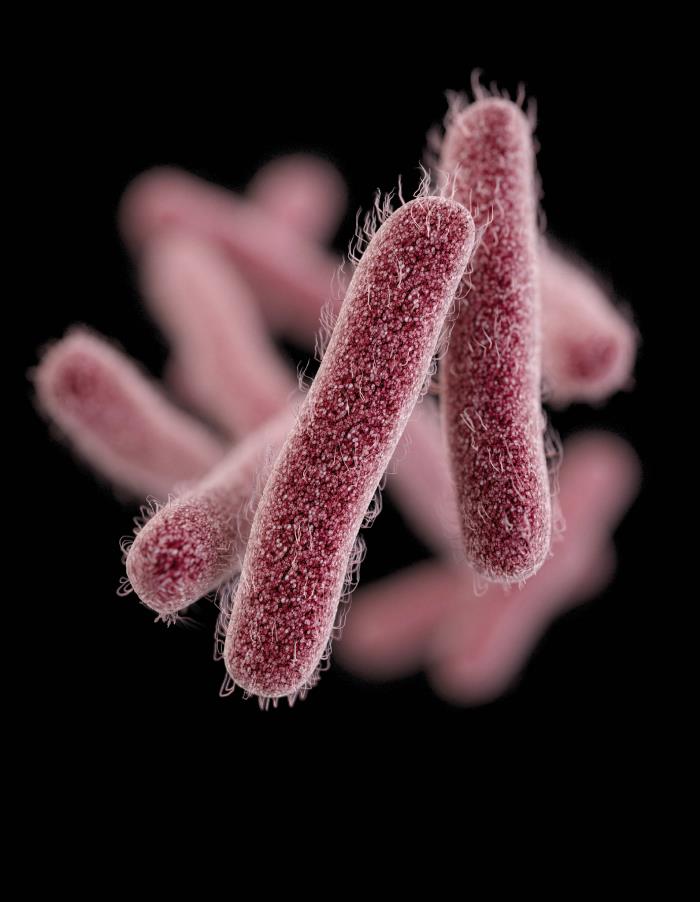
Guam – Shigellosis outbreak in Guam: An update

Outbreak News Today

Shigellosis outbreak in Guam: An update

In a follow-up on the outbreak of Shigella infections in Guam, The Department of Public Health and Social Services (DPHSS) reports the outbreak continues to grow.


In 2019, in only four months, Guam has already reached one-half of the total number of cases from all of last year. In 2018, a total of 29 cases of Shigellosis were reported (with 23 cases or 79% confirmed).   So far in 2019, a total of 15 cases have been reported (with 53% confirmed).

Approximately two-thirds (66.6%) of the 2019 cases involved children who have been taken to the emergency rooms for treatment with some being hospitalized.

Five of the 15 cases are children less than five years old; another five cases are among children less than 15 years old and the other five are adults.

The public is asked to be vigilant about hygiene and sanitation, especially for people living in crowded housing situations or housing where there is a lack of indoor plumbing and where contact with faecal matter is possible.

Research – High levels of potentially harmful bacteria found in raw meat dog food products: study

Science Daily 260px-YellowLabradorLooking_new

Many raw meat dog food products contain high levels of bacteria that pose potential health risks to both animals and people, finds research published online in Vet Record.

This is a particular issue for infants, the elderly, and those with poor immunity, warn the researchers.

A raw meat-based diet has become increasingly popular for dogs in recent years, because it is seen as a ‘healthier’ and more ‘natural alternative’ to widely available commercial products.

But, unlike commercial feeds, raw meat products are not heat treated or freeze dried to pasteurise their content.

To try and gauge the levels of bacteria in these products, the researchers took samples from 60 packs of raw meat products, bought from a range of stores within a 200 km radius of their laboratory between March and September 2017.

The products, which were all intended for dogs, contained at least one of: uncooked meat; and edible bones and/or organs from cattle, chicken, lamb, turkeys, pigs, ducks, reindeer or salmon. Some of the products also included vegetables, vegetable fibre, and minerals.

All the products, made by 10 different manufacturers, originated from Sweden, Norway, Finland, Germany or England.

The samples were analysed for bacteria that could potentially pose a health risk to animals and people: Enterobacteriaceae species; Clostridium perfringens, Salmonella and Campylobacter species.

All 60 samples contained Enterobacteriaceae species, which are indicators of faecal contamination and hygiene standards.

Levels varied widely among the different manufacturers, and in some cases, among the different products from the same manufacturer.

But 31 (52%) of the samples contained levels that exceeded the maximum threshold set by European Union (EU) regulations of 5000 bacteria per gram.

Most of the species identified are not known to cause infection, apart from E coli, which was found in about a third of the samples.

C perfringens, another marker of faecal contamination and hygiene standards, was found in 18 samples (30%); two of the samples exceeded the maximum limits set by Swedish guidelines.

Salmonella and Campylobacter are zoonotic species of bacteria-capable of passing from animals to people and causing infection. EU regulations don’t permit Salmonella in any animal feed.

Salmonella species were found in 4 (7%) of the 60 samples, while Campylobacter species were found in three samples from three different manufacturers. This is a relatively low level, but possibly because Campylobacter species are very sensitive to freezing, say the researchers.

“It is most likely that Campylobacter was present in more samples before freezing, and that those samples in which Campylobacter was isolated contained very high levels of Campylobacter species before the freezing process, as some managed to survive the freezer,” they write.

The findings prompt the researchers to highlight the importance of careful storage, handling, and feeding of raw meat dog food products because of the potential health risks they pose.

They make several recommendations, designed to curb the risk of infection and antibiotic resistance. Raw meat dog food should be:

    • Kept frozen until use, and thawed at 10 degrees C

Kept separate from other food

Handled with separate kitchen equipment or with equipment that is washed thoroughly after use

Good hygiene is essential, they emphasise: bacteria in the juices from raw meat dog food can splash and spread to other foods and surfaces, and dogs can transfer potentially harmful and/or antibiotic resistant bacteria by ‘kissing’ faces immediately after eating.

Dogs shouldn’t be fed raw meat products while being treated with antibiotics as this could increase the risk of antibiotic resistance, they say.

“Dogs in families with infants, elderly people or immunocompromised individuals should also not be fed [raw meat products], as these groups are more susceptible to infections,” they warn.

British Veterinary Association Junior Vice President Daniella Dos Santos commented: “This research offers further compelling evidence to support vets’ concerns about the potential animal and public health risks associated with feeding pets a raw meat-based diet.

“Bacteria such as E coli and Salmonella can cause significant gastrointestinal disease in animals. Pets can also shed potentially harmful pathogens present in raw food into their environment, so there is a risk to owners both in handling the food and coming into contact with the animal. Pet owners who choose to feed a raw food diet should be aware of the potential health risks and take full precautions while storing and handling the food.

“BVA would also not recommend making a raw food diet at home without veterinary guidance due to the potential for nutritional deficiencies in homemade diets.

“We would advise any owner wanting to try a raw meat-based diet for their pet to first consult a veterinary surgeon.”


Story Source:

Materials provided by BMJ. Note: Content may be edited for style and length.


Journal Reference:

  1. Josefin Hellgren, Lovisa Staaf Hästö, Camilla Wikström, Lise-Lotte Fernström, Ingrid Hansson. Occurrence of Salmonella, Campylobacter, Clostridium and Enterobacteriaceae in raw meat-based diets for dogs. Veterinary Record, 2019; vetrec-2018-105199 DOI: 10.1136/vr.105199

USA – Salmonella outbreak linked to pet hedgehogs continues; 6 additional people sickened, CDC says

Fox 32 

File:Igel.JPG

Image GIBE

 – Six additional people have been sickened as a result of a salmonella outbreak that the Centers for Disease Control and Prevention (CDC) says is likely tied to pet hedgehogs.

A total of 17 people across 11 states have now been infected with salmonella typhimurium, an increase from January, when 11 people in eight states were sickened, the federal health agency said Friday in its first update since announcing the outbreak.

Nearly all (87 percent) of those who were sickened told the CDC they had contact with a hedgehog before falling ill. At least two people have been hospitalized as a result, but no deaths have been reported.

Research – Atmospheric Cold Plasma and Peracetic Acid–Based Hurdle Intervention To Reduce Salmonella on Raw Poultry Meat

Journal of Food Protection

In Canada, Salmonella-related foodborne illness accounts for more than 88,000 cases annually. Poultry products represent one of the major vectors for the zoonotic transmission of Salmonella. The majority of the current disinfection strategies that are applied in the poultry industry involve the use of diverse chemical antimicrobial agents; however, knowledge about the efficacy of novel antimicrobial technologies such as atmospheric cold plasma (ACP) and the potential of hurdle interventions is very limited. The objective of this study was to evaluate the synergetic effect of ACP and peracetic acid (PAA) as a hurdle antimicrobial intervention to reduce Salmonella enterica Typhimurium on raw poultry meat. Raw poultry meat samples were inoculated with Salmonella Typhimurium followed by the application of different treatments consisting of ACP and PAA (100 and 200 ppm) alone as well as in combination. Different hurdle interventions using PAA and ACP treatments resulted in significant (P ≤ 0.05) reductions in Salmonella Typhimurium, ranging from 2.3 to 5.3 log CFU/cm2, in comparison to PAA treatments alone with 100 or 200 ppm or ACP treatment alone, resulting in the reduction of Salmonella populations by 0.6, 1.3, and 2.3 CFU/cm2, respectively. Treatments involving application of PAA followed immediately by ACP and ACP followed by PAA resulted in the highest (P ≤ 0.05) reduction in Salmonella by 4.7 and 5.3 log CFU/cm2, respectively. Transmission electron microscopy images indicated that combined treatments resulted in destruction of Salmonella cells with visible cellular deformation and loss of cellular integrity. Color and moisture content of poultry meat samples were affected; thus, for large-scale application, further research needs to be done for optimizing this hurdle intervention. In conclusion, this study demonstrates the synergistic effect of ACP and PAA and its potential application for the safety of poultry products