Category Archives: Microbiology

Research – Antimicrobial resistance profile of Escherichia coli isolates recovered from diarrheic patients at Selam Health Center, Addis Ababa, Ethiopia

Academic Journals

Abstract

Antimicrobials have been playing an important role in preventing illness and death associated with infections due to bacteria. However, the emergence and spread of resistance by pathogens have decreased the effectiveness of the commonly prescribed antimicrobials. Intestinal Escherichia coli are among bacterial pathogens that are endowed with such resistance traits because they are important source and reservoir of genes that encode antimicrobial resistance. To determine the antimicrobial resistance profile of fecal isolates of E. coli from diarrheic patients. Stool samples were collected consecutively from 100 individuals who visited Selam Health Center during the study period, April to June 2018. Samples were collected and transported under sterile condition to the National Clinical Bacteriology and Mycology reference Laboratory, Ethiopian Public Health Institute. The samples were streaked on MacConkey agar and incubated overnight at 37°C. E. coli isolates were further confirmed using conventional biochemical tests. Antimicrobial susceptibility status was determined using the disk diffusion method on Mueller Hinton agar as recommended by the Clinical Laboratory Standard Institute. The raw data was compiled and entered to spreadsheet and analysis was done using SPSS Version 20 with p-value ≤0.05 considered statistically significant. Out of the 100 patients, 43 were female and the rest were male. Confirmed E. coli were isolated from 73 individuals. Antimicrobial susceptibility testing showed that E. coli isolated in this study were highly resistant to trimethoprim-sulfamethoxazole 49 (67.1%) and amoxicillin-clavulanic acid 47(64.4 %). No isolates showed resistance to gentamicin and tobramicin.  Of all the isolates, 11(15.1%) were multidrug resistant. No association was observed between antimicrobial resistance status and sex of individuals included in this study. However, there was an association between age and resistance patterns. Resistance to commonly prescribed antibiotics among E. coli isolated in this study was high and a considerable proportions of the strains were multidrug resistant. This is an indication for an alarming rate of resistance of intestinal E. coli to first line antimicrobials. To reduce the problem, regular monitoring and education for the community are very important.

Research – Feeding pets raw food is not considered by pet owners as a significant source of infections

Science Daily 260px-YellowLabradorLooking_new

An extensive international survey conducted at the University of Helsinki indicates that pet owners do not consider raw food to considerably increase infection risk in their household. In the survey, targeted at pet owners, raw food was reliably determined to be a contaminant only in three households.

The safety of feeding raw food to pets has become a topic of debate on a range of forums, but so far, no outbreaks of contamination among humans caused by raw pet food have been reported. Raw food denotes any meat, internal organs, bones and cartilage fed to pets uncooked.

Now, a survey conducted at the Faculty of Veterinary Medicine investigated perceptions on food-transmitted pathogens among pet owners who feed their pets raw food.

A total of 16,475 households from 81 countries responded to the survey. Out of these, only 39 households (0.24%) reported having been contaminated by pet food, and were also able to name the pathogen. The most common pathogens reported were Campylobacteria followed by Salmonella, in addition to which there were occurrences of Escherichia coli, Clostridium, Toxoplasma and a single Yersinia infection.

Research – H test for exclusion: A guide to an intervention approach to lessen the risk of aflatoxin‐contaminated foods in sorely contaminated regions

Wiley Online

Abstract

This research was done on the assumption that the risk for hepatocellular carcinoma (HCC) development that attributed to the consumption of highly contaminated food (HCF) with aflatoxin, may have a major contribution to the total of expected risk. If this hypothesis is true, it is easy to apply an effective and low‐cost intervention approach by excluding HCF and then subjecting it to treatments before use. To examine this hypothesized, H test for exclusion (Hx) model was developed as a computer program, in order to estimates the daily intake, the margin of exposure, and HCC cases per 105individuals for selected groups of contaminated food samples. To show how this model works, the model was demonstrated in a real example. The obtained results showed that the actual application of excluding HCF would result in a reduction of the expected cancer cases by 58%. Further, this model illustrates comparisons between permitted and nonpermitted samples with regards to international legislation. The model is particularly suitable for regions where contaminated crops and foods are prevalent. It is also convenient for addressing chronic exposure of commonly consumed food commodities to lower contamination levels.

Practical applications

For aflatoxin in contaminated crops, the Hx program can be used in order to estimates the daily intake, the margin of exposure (MOE), and the expected hepatocellular carcinoma (HCC) cases per 105. Furthermore, it provides a smooth rapprochement between non‐permitted and permitted samples in accordance with international legislation. In fact, the actual application of the model in regions where contaminated crops and foods are predominant can lead to efficient treatments with limited economic losses by excluding HCF.

Research – Novel Bacteriocin a Promising New Treatment for Resistant Listeria monocytogenes

Contagion Live

A novel bacteriocin appears promising as a new treatment option for antibiotic-resistant Listeria monocytogenes infection just as a multistate outbreak of the foodborne bacteria has claimed 2 lives in the United States.

With a fatality rate that can reach as high as 30%, L monocytogenes is considered a pressing public health threat that can have a serious impact on immunocompromised individuals and pregnant women, newborn children, and the elderly.

Because of its high mortality rate and increasing resistance to currently available antibiotics, treating L monocytogenes is becoming more and more challenging. But investigators with RMIT University in Melbourne, Australia, have discovered a promising new treatment in the form of a bacteriocin produced by Lactobacillus plantarum B21. The research team presented their findings at the American Society for Microbiology (ASM) and the European Society for Clinical Microbiology and Infectious Diseases (ESCMID) Conference on Drug Development to Meet the Challenge of Antimicrobial Resistance.

Investigators played with multiple culture conditions to find a set that would foster high bacterial growth and/or high bacteriocin production. They also used gas chromatography mass spectrometry (GC‐MS)-based metabolomics to evaluate cellular and functional behavior of L plantarum B21. The structure of bacteriocin was analyzed using 2‐dimensional nuclear magnetic resonance spectroscopy (NMR). In order to assess the effectiveness of bacteriocin against a range of target strains of bacteria, the team relied on well diffusion assays and electron microscopy.

Research – Identification and genotyping of Listeria monocytogenes in the chicken shredding line

Wiley Online

Abstract

The present research was carried out to determine the presence of Listeria monocytogenes in the equipment, staff, and products in the chicken shredding facilities operating in Samsun, and to serotype and genotype the isolates by PCR and PFGE analysis, respectively. Of the total of 192 samples tested, 25 were found to be L. monocytogenes positive from which 51 isolates were acquired. In serotyping of the 51 isolates; 47 (92.2%) and four isolates (7.8%) were identified as 1/2a (3a) and 1/2c (3c), respectively. Twenty‐six of the 51 isolates (51%) were resistant to at least one antibiotic, and 13 (25.5%) were resistant to more than one antibiotic. In the PFGE evaluation, at least 80% similarity was taken as a basis, and in the dendrogram, it was determined as a result of restricting with the Apal enzyme that the isolates were distributed to 25 different clusters and 45 subsets, and as a result of restricting with the AscI enzyme, they were distributed to 29 different clusters and 36 subsets.

Practical Application

Listeria monocytogenes constitutes a major problem for the food industry due to its widespread availability in nature and its role as an environmental contaminant in food processing plants.

USA – Plastikon Healthcare Issues Voluntary Nationwide Recall of Milk of Magnesia Oral Suspension 2400 mg/30 mL due to Microbial Contamination

FDA

Summary

Company Announcement Date:
FDA Publish Date:
Product Type:
Drugs
Reason for Announcement:
Microbial Contamination
Company Name:
Plastikon Healthcare
Brand Name:
Major Pharmaceuticals
Product Description:
Milk of Magnesia Oral Suspension 2400 mg/30 ml

Company Announcement

Lawrence, KS, Plastikon Healthcare, LLC is voluntarily recalling Milk of Magnesia 2400 mg/30 mL Oral Suspension, lots 19027D and 19027E, to the patient level. Plastikon Healthcare initiated this recall because these product lots did not meet Plastikon’s in-house microbiological specification for Total Aerobic Microbial Count.

This product is packaged for institutional use and is sold to clinics and hospitals, the patient population most likely to use the product are likely immunocompromised. Patients with compromised immune systems, such as patients in hospitals and nursing homes, have a higher probability of developing potentially life-threatening infections after taking a contaminated product. To date, Plastikon has not received any customer complaints or reports of adverse events related to this issue. Milk of Magnesia 2400 mg/ 30 mL is indicated for the occasional relief of constipation (irregularity) in adults and children 12 years and older or for children under 12 as recommended by a doctor.

Milk of Magnesia 2400 mg/ 30 mL Oral Suspension is privately labeled by Major Pharmaceuticals® and packaged in cartons as indicated below. The affected lots were distributed to Major Pharmaceuticals Distribution Center (wholesaler), who may have shipped to clinics, hospitals and healthcare providers, in the United States, in August 2019.

Carton NDC Lot Number Expiration Date Strength Configuration/Count
0904-6846-73 19027D 2021 July 2400 mg/30 mL Carton containing 100 single dose cups (10 trays x 10 cups)
0904-6846-73 19027E 2021 July 2400 mg/30 mL Carton containing 100 single dose cups (10 trays x 10 cups)

Plastikon Healthcare places the utmost emphasis on patient safety and product quality at every step in the manufacturing and supply chain process. Plastikon Healthcare has notified its direct customers via a recall letter to arrange for return of any recalled product.

Anyone with an existing inventory of the lots, which are being recalled, should stop use and distribution and quarantine immediately. Inform healthcare professionals in your organization of this recall. For clinics, hospitals, or healthcare providers that have dispensed product to patients, please notify these patients regarding the recall. For additional assistance, call Plastikon Healthcare at 785-330-7100 (Monday through Friday, 8 a.m. to 5 p.m. CST).

For clinical inquiries, please contact Plastikon Healthcare using the below information.

Contact Center Contact Information Area of Support
Plastikon Healthcare 816-721-3269 (24 hours a day 7 days per week) To report adverse events or product complaints

Patients who are taking this product should consult with their healthcare provider or pharmacy to determine if they have the affected product lots. Patients with the affected lots should return the product to their pharmacy or contact Plastikon Healthcare (785-330-7100) for instructions on how to return their product and obtain reimbursement for their cost. Consumers should contact their physician or healthcare provider if they have experienced any problems that may be related to taking or using this drug product.

Adverse reactions or quality problems experienced with the use of this product may be reported to the FDA’s MedWatch Adverse Event Reporting program either online, by regular mail or by fax.

  • Complete and submit the report Online
  • Regular Mail or Fax: Download form or call 1- 800-332-1088 to request a reporting form, then complete and return to the address on the pre-addressed form, or submit by fax to 1-800-FDA-0178

This recall is being conducted with the knowledge of the U.S. Food and Drug Administration.

Milk of Magnesia label, top view

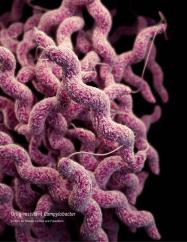
Research – Eugenol as an antimicrobial wash treatment reduces Campylobacter jejuni in postharvest poultry

Wiley Online

campy2

Image CDC

Abstract

The efficacy of the natural plant‐derived compound, eugenol (EG), as an antimicrobial wash treatment to reduce Campylobacter jejuni in postharvest poultry was investigated. The antimicrobial efficacy of EG was studied as a suspension, emulsion, or nanoemulsion treatment (two trials each). In each trial, chicken skin samples were inoculated with C. jejuni (∼7.2 Log CFU/sample), washed with treatments (0, 0.125, 0.25, 0.5, 1, or 2% EG corresponds to 0, 7.61, 15.22, 30.45, 60.90, or 121.8 mM, respectively) for 1 min, drip dried for 2 min, and then processed at 0, 8, and 24 hr of refrigerated storage (n = 5 samples/treatment/time point). All doses of the EG suspension consistently reduced C. jejuni counts with the greatest reduction (>2.0 Log CFU/sample) for the 2% dose when compared with controls (p < .05). EG emulsions or nanoemulsions did not provide any additional reduction in C. jejuni when compared to EG suspension. Our results suggest that EG could be an effective postharvest intervention strategy for reducing C. jejuni contamination on poultry products.

Practical Applications

Campylobacter jejuni, a leading cause of foodborne illness in humans, is strongly associated with the consumption of contaminated poultry products. Interventions reducing C. jejuni contamination in poultry would reduce the risk of subsequent human infections. In this study, the antimicrobial efficacy of eugenol was studied in three different delivery systems; suspension, emulsion, or nanoemulsion. Our results demonstrated that eugenol was effective in reducing C. jejuni counts on chicken skin and can be used as a potential strategy to reduce Campylobacter on poultry products.

Research – Growth Potential of Listeria monocytogenes in Chef-Crafted Ready-to-Eat Fresh Cheese-Filled Pasta Meal Stored in Modified Atmosphere Packaging

Journal of Food Protection

ABSTRACT

This study evaluated the growth of lactic acid bacteria (LAB) in a fresh, filled-pasta meal, stored in modified atmosphere packaging and the influence of lactic acid (LA) and pH on the growth of Listeria monocytogenes (Lm). Samples were taken from three lots manufactured by a local catering company and stored at both 6 and 14°C. LAB numbers, LA concentration, pH, and the presence of Lm were evaluated at 1, 4, 6, 8, 10, 12, and 14 days of shelf life and the undissociated LA concentration ([LA]) was calculated. The LAB maximum cell density was greater in the products stored at 14°C than those stored at 6°C (10.1 ± 1.1 versus 5.6 ± 1.5 log CFU/g) and [LA] at 14 days was 9 to 21 ppm at 6°C and 509 to 1,887 ppm at 14°C. Challenge tests were made to evaluate the interference of LAB and [LA] on Lm growth. Aliquots of the samples (25 g) were inoculated at 1 to 10 days of shelf life and incubated at 9°C for 7 days, and the difference between Lm numbers at the end and at the beginning of the test (δ) was calculated. Logistic regression was used to model the probability of growth of Lm as a function of LAB and [LA]. The products inoculated at 1 day of shelf life had δ values between 4.2 and 5.6 log CFU/g, but the growth potential was progressively reduced during the shelf life. Lm growth was never observed in the products stored at 14°C. In those stored at 6°C, it grew only in the samples with LAB <5.7 log CFU/g. LAB interaction might thus inhibit the growth of Lmin temperature-abused products and limit its growth in refrigerated products. Logistic regression estimated that the probability of Lm growth was <10% if LAB was >6.6 log CFU/g or log[LA] was >2.2 ppm. The growth or inactivation kinetic of Lm was investigated with a homogenate of three samples with LAB numbers close to the maximum population density. After an initial growth, a subsequent reduction in the number of Lm was observed. This means that the maximum numbers of Lm might not be detected at the end of the product shelf life.

HIGHLIGHTS
  • MAP and refrigeration were found to be a fruitful hurdle in filled-pasta meals.

  • Higher growth of LAB at 14°C negatively affected the growth potential of Listeria sp.

  • Listeria sp. numbers might decline after an initial growth during the shelf life.

  • The maximum number of Listeria sp. is not always at the end of the product shelf life.

Research – Thermal Inactivation Kinetics of Three Heat-Resistant Salmonella Strains in Whole Liquid Egg

Journal of Food Protection

ABSTRACT

The heat resistance of three heat-resistant strains of Salmonella was determined in whole liquid egg (WLE). Inoculated samples in glass capillary tubes were completely immersed in a circulating water bath and held at 56, 58, 60, 62, and 64°C for predetermined lengths of time. The recovery medium was tryptic soy agar with 0.1% sodium pyruvate and 50 ppm of nalidixic acid. Survival data were fitted using log-linear, log-linear with shoulder, and Weibull models using GInaFiT version 1.7. Based on the R2 and mean square error, the log-linear with shoulder and Weibull models consistently produced a better fit to Salmonella survival curves obtained at these temperatures. Contaminated WLE must be heated at 56, 60, and 64°C for at least 33.2, 2.7, and 0.31 min, respectively, to achieve a 4-log reduction of Salmonella; 39.0, 3.1, and 0.34 min, respectively, for a 5-log reduction; and 45.0, 3.5, and 0.39 min, respectively, for a 6-log reduction. The z-values calculated from the D-values were 3.67 and 4.18°C for the log-linear with shoulder and Weibull models, respectively. Thermal death times presented in this study will be beneficial for WLE distributors and regulatory agencies when designing pasteurization processes to effectively eliminate Salmonella in WLE, thereby ensuring the microbiological safety of the product.

HIGHLIGHTS
  • The thermal resistance of Salmonella strains in WLE was determined at 56 to 64°C.

  • A 5-log reduction at 60 and 64°C required 3.1 and 0.34 min, respectively.

  • The calculated z-value was 3.67°C for the log-linear model and 4.18°C for the Weibull model.

  • These results will assist WLE processors when determining pasteurization regimens.

The Baltic – One more Person dies in the Baltic sea, Killer-bacteria – Vibrio

KXAN36

Computer Translation

died again a Person after a bath in the Baltic sea. Cause of death is supposed to be like before infection with Vibrios bacteria such as the “image” reported. It is Vibrio-bacteria – so-called rod bacteria, one of which is Cholera.

the course of The disease after an infection with the bacteria is on the route of infection. The bacteria are taken in through the food, it comes to symptoms, as in the case of a gastro-intestinal disease. If the bacteria are transmitted through a wound, this can lead to a serious infection and later to Sepsis.

Killer bacteria still in the water

according to Reports, the Killer bacteria are recorded for several weeks in the waters of the Baltic sea. Currently, these thrive particularly well because the water is over 20 degrees warm. At cooler temperatures the dangerous viruses live mainly on the ground of the sea. And virtually never in contact with people.