Category Archives: Microbiology

Research – High levels of DON in European corn and wheat harvest

All About Feed

Many parts of Europe can expect potentially high levels of mycotoxin contamination in the upcoming 2020 corn and wheat harvest, according to results of a new mycotoxin prediction tool released by Biomin.

The forecast is based on a mycotoxin prediction tool that delivers daily assessments of expected mycotoxin levels in corn and wheat harvests. One major trend identified in the firm’s forecast of mycotoxin occurrence is that deoxynivalenol (DON), or vomitoxin, has a high probability to exceed a risk threshold level of 150 parts per billion (ppb) in corn in Central, Eastern and Southern Europe, and a similarly high probability to exceed 150 ppb in wheat in Northern Europe.

USA – FDA to hold imports of pig ear pet treats -Salmonella

Pet Food Processing

The US Food and Drug Administration (FDA) issued an import alert for some pet treats, saying it will detain, “without physical examination,” pig ear dog chews or other pig ear pet treats that are suspected of containing Salmonella.

“The purpose of this is so that the Agency will have confidence that future shipments/entries will be in compliance with the Federal Food Drug and Cosmetic Act (FD&C Act),” the agency stated.

Research – Researchers identify seasonal peaks for foodborne infections

Eureka Alert

Each year, thousands of pounds of food are wasted and billions of dollars in food sales lost because of recalls tied to foodborne infections. Using a newly developed approach, researchers identified seasonal peaks for foodborne infections that could be used to optimize the timing and location of food inspections.

“We rely upon food producers, distributors and retailers to keep food safe in fields, grocery stores and restaurants,” said Ryan B. Simpson, doctoral candidate at Tufts University Friedman School of Nutrition Science and Policy. “A lapse in food safety practices during any step in the food delivery and supply chain can jeopardize human health, waste food resources and threaten the national food economy.”

Foodborne infections can be caused by a variety of pathogens, such as Listeria, Salmonella and E. Coli. A single pathogen can lead to outbreaks that peak in different states at different times. Knowing the patterns for each pathogen and state could be used to design an optimized schedule for food safety inspections.

To characterize the timing and intensity of infection peaks, Simpson and colleagues developed an analysis method that robustly determines which specific pathogens are likely to cause an outbreak at a given time.

Simpson will present the new analysis method as part of NUTRITION 2020 LIVE ONLINE, a virtual conference hosted by the American Society for Nutrition (ASN). The research was performed under the supervision of Elena N. Naumova, Chair of the Department of Nutritional Epidemiology and Data Sciences at Tufts University Friedman School of Nutrition Science and Policy.

Using their new analysis method, the researchers found that although foodborne outbreaks typically peak in July, food recalls are delayed by 1 to 2 months, peaking from mid-August through mid-September. These findings were consistent across examined states and pathogens.

Next, the researchers aim to refine their analysis method by exploring specific foods and food groups linked to foodborne outbreaks. They also plan to examine relationships between outbreaks for particular pathogens with food preparation practices and other factors.

“Our future research will provide valuable information that could help refine existing food safety policies while also aiding food producers, distributors and retailers in preventing or mitigating foodborne outbreaks,” said Simpson.

###

Iceland – Monitoring of Sunu 2019

Monitoring of Sunu 2019

Salmonella increased in poultry and pigs in 2019 compared to the year before there was an increase in salmonella infections in humans. The rapid increase in the illness caused by toxin producing E. coli (STEC) in people when the cycle of infection occurred last summer in the south . Food has published a report on the monitoring agents exhibit and antibiotic resistance in 2019 on the website of the Agency.

Sununu are diseases or pathogens (súnuvaldar) transmitted between humans and animals. Control of salmonella (Salmonella spp.) And Campylobacter (Campylobacter spp.) In the first stages of the food chain is powerful in the country and deliver increased consumer food safety. Other food-borne bacteria cause disease in people less than in the light of the very serious illnesses may include monitoring of the bacteria no less important.

The incidence of salmonella in poultry, the products of poultry and pigs increased from the previous year. The increase was due to repeated infected a few farms where it has been difficult to get rid of certain strains of bacteria. A similar increase was not found in people and it indicates that the monitoring of fire and slaughterhouses, in accordance with national programs, minimize the risk of contamination of poultry and pork in people. Whole Gene Research conducted in support that conclusion. While salmonella was found in one sample from the domestic pork market reminiscent of the constant need to be alert and to encourage proper treatment of food with consumers.

No significant changes were observed in the prevalence of Campylobacter in people or poultry and their products. Campylobacter was detected in three samples of frozen chicken meat market (2.1% of samples), samples from both domestic and foreign meat. In all cases, this was a very little bacterial contamination or below the detection limit (<10 cfu / g) counting method which dies Campylobacter mostly frozen.

The rapid increases in illness in people due to infections caused by toxin producing E. coli (STEC), which is explained primarily by a rally in the summer of 2019 in which 22 children and two adults became ill. So far, the incidence of this infection have been very low in people in this country, one to three cases a year. Epidemiological evidence regarding the cycle and screening conducted in 2018 and 2019 for STEC in meat market suggest that the bacteria are part of the microflora of Icelandic cattle and sheep. Research is needed, however, better prevalence of STEC in livestock and focus on preventive measures in slaughterhouses and meat processors to reduce the risk of spreading STEC in meat. Moreover, it must avoid the unclean artifacts present at the slaughterhouse.

Listeria (Listeria monocytogenes) found regularly in the known risks and production environment. That year the initiatives contained in the monitoring of food businesses that produce food ready for consumption, with an emphasis on smoke and buried fishery products, cheeses and meats. Go particular the sampling plan companies and their preventive measures against listeria.

We import control of animal products from third countries are regularly sampled for analysis of Salmonella, Listeria (L. monocytogenes) and E. coli. In 2019 were sampled consignments of eggs, cooked shrimp, mysudufti, meat products (prepared chicken dishes) and pet food. The samples were all negative.

Click to access sunur-syklalyfjaonaemi-2019.pdf

Research – Contamination of spinach at germination: A route to persistence and environmental reintroduction by Salmonella

ACA

The effects of using contaminated seed and water on the persistence and internalization of Salmonella Newport in organic spinach cultivars- Lazio, Space, Emilia and Waitiki were studied. Seeds were contaminated by either immersing in a suspension of Salmonella and then sprouted or were sprouted in Salmonella contaminated water in the dark at 25 °C. After 5 days, germinated sprouts were analyzed for S. Newport population and internalization. Germinated sprouts were potted in soil and grown in a plant incubator for 4 weeks. Leaves, stems and roots were sampled for Salmonella population by plating on CHROMagar™. Plants surface-sterilized with chlorine were analyzed for internalized pathogen. Potting soil and water runoff were sampled for Salmonella after 4 weeks of plant growth. Contaminated seeds and irrigation water had S. Newport populations of 7.64±0.43 log CFU/g and 7.12±0.04 log CFU/ml, respectively. Sprouts germinated using contaminated water or seeds had S. Newport populations of 8.09±0.04 and 8.08±0.03 log CFU/g, respectively and had a Salmonella population that was significantly higher than other spinach tissues (P<0.05). Populations of S. Newport in leaves, stem and roots of spinach plants were as follows: contaminated seed- 2.82±1.69, 1.69±0.86, and 4.41±0.62 log CFU/ml; contaminated water- 3.56±0.90, 3.04±0.31, and 4.03±0.42 log CFU/ml of macerated tissue suspension, respectively. Internalization was observed in plants developing from contaminated seeds and in sprouts germinated using contaminated water. S. Newport populations of 2.82±0.70 log CFU/g and 1.76±0.46 log CFU/ml were recovered from soil and water runoff, respectively. The results indicate that contamination of spinach during germination can result in persistence, internalization and environmental reintroduction of Salmonella.

Research – Survival of Salmonella in Bathrooms and Toilets in Domestic Homes Following Salmonellosis

Pub Med

Salmonella

Image CDC

The survival and environmental spread of Salmonella bacteria from domestic toilets was examined in homes, where a family member had recently suffered an attack of salmonellosis. In four out of six households tested, Salmonella bacteria persisted in the biofilm material found under the recess of the toilet bowl rim which was difficult to remove with household toilet cleaners. In two homes Salmonella bacteria became incorporated into the scaly biofilm adhering to the toilet bowl surface below the water line. Salmonella enteritidis persisted in one toilet for 4 weeks after the diarrhoea had stopped, despite the use of cleaning fluids. Salmonellas were not isolated from normally dry areas such as, the toilet seat, the flush handle and door handle. Toilet seeding experiments were set up with Salmonella enteritidis PT4 to mimic environmental conditions associated with acute diarrhoea. Flushing the toilet resulted in contamination of the toilet seat and the toilet seat lid. In one out of three seedings, Salmonella bacteria were also isolated from an air sample taken immediately after flushing, indicating that airborne spread of the organism could contaminate surfaces in the bathroom. In the seeded toilet Salmonella bacteria were isolated from the biofilm in the toilet bowl below the waterline for up to 50 d after seeding, and also on one occasion from the bowl water. The results suggest that during diarrhoeal illness, there is considerable risk of spread of Salmonella infection to other family members via the environment, including contaminated hands and surfaces in the toilet area.

Research – Prevalence of E. coli , Salmonella , and Listeria spp. as potential pathogens: A comparative study for biofilm of sink drain environment

Wiley Online

Abstract

Since knowledge and understanding of waterborne pathogens and their diseases are well illuminated, a few research publications on the prevalence of pathogenic microorganisms in various household sink drain pipes are often not extensively examined. Therefore, this study aims to (a) assess and monitor the densities of the bacterial community in the different natural biofilm that grow on plastic pipelines, (b) to detect Escherichia coli Salmonella , and Listeria spp. from natural biofilm samples that are collected from the kitchen (= 30), bathroom (= 10), laboratories (= 13), and hospital (= 8) sink drainage pipes. Three bacterial species selected were assessed using a culture‐dependent approach followed by verification of isolates using both BIOLOG GEN III and polymerase chain reaction. The estimated number of each bacterium was 122 isolates, while 60, 20, 26, and 16 isolates were obtained from the natural biofilm samples, kitchen, bathroom, laboratories, and hospital, respectively. As for the tests, in all types of biofilm samples, the overall bacterial counts at low temperature (22°C) were higher than those at high temperature (37°C). Meanwhile, coli had the most significant number of bacterial microorganisms compared to the other two pathogens. Additionally, the most massive cell densities of coli Salmonella , and Listeria species were discovered in the biofilm collected from the kitchen, then the hospital. Statistically, the results reveal that there is a positive correlation (≥ .0001) with significance between the sources of biofilm. This work certainly makes the potential of household sink drain pipes for reservoir contagious pathogens more explicitly noticeable. Such knowledge would also be beneficial for prospective consideration of the threat to human public health and the environment.

Research – Modeling dependence of growth inhibition of Salmonella Typhimurium and Listeria monocytogenes by oregano or thyme essential oils on the chemical composition of minced pork

Wiley Online

The aim of this study was to compare the antimicrobial effect of selected essential oils (EOs) at concentration of 1% in minced pork from five different meat cuts (loin, ham, shoulder, neck, and belly) and to assess the influence of the chemical parameters of meat on EO efficiency, determined by the decrease of pathogens in comparison to a control in samples after storage at 3°C/7 d in a vacuum. The inhibition was significant ( < .05) only in minced pork from meat cuts with a fat content lower than 5% (leg, loin and shoulder). Salmonella enterica serovar Typhimurium was more sensitive than Listeria monocytogenes and oregano was more effective than thyme ( < .001). The inhibition of . Typhimurium depended mainly on the fat content (logarithmic dependence) and to a lesser degree on the pH, whereas pH was not found to be a significant predictor in the case of L. monocytogenes . The results of this study show that only lean minced meat (with a fat content max. 5%) is a suitable matrix for pathogen control by EOs.

Research – Follow-up dairy study shows less Salmonella; wild boar meat rules reviewed

Food Safety News

A follow-up study on Salmonella prevalence among dairy cattle on a Swedish Island has found much lower levels.

In late 2019, the National Veterinary Institute (SVA) and Swedish Board of Agriculture (Jordbruksverket), did an anonymous national milk tank survey for antibodies against Salmonella.

Milk samples from all the dairy herds tested showed a generally low prevalence of Salmonella, except for Gotland and Öland. Gotland saw a change from 5.5 percent positive tank milk samples in 2013 to almost 22 percent in October 2019.

Meanwhile, the Swedish government has agreed to a request from the country’s food agency (Livsmedelsverket) for more time to look at food control across the country.

The assignment must be submitted no later than May 31 and a final report is due by Dec. 31, 2022.

Research – Antimicrobial Resistance in Salmonella enterica Serovar Paratyphi B Variant Java in Poultry from Europe and Latin America

CDC

Salmonellaa

Image CDC

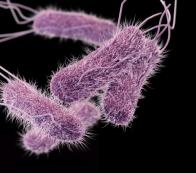
Salmonella enterica serovar Paratyphi B variant Java sequence type 28 is prevalent in poultry and poultry meat. We investigated the evolutionary relatedness between sequence type 28 strains from Europe and Latin America using time-resolved phylogeny and principal component analysis. We sequenced isolates from Colombia, Guatemala, Costa Rica, and the Netherlands and complemented them with publicly available genomes from Europe, Africa, and the Middle East. Phylogenetic time trees and effective population sizes (Ne) showed separate clustering of strains from Latin America and Europe. The separation is estimated to have occurred during the 1980s. Ne of strains increased sharply in Europe around 1995 and in Latin America around 2005. Principal component analysis on noncore genes showed a clear distinction between strains from Europe and Latin America, whereas the plasmid gene content was similar. Regardless of the evolutionary separation, similar features of resistance to β-lactams and quinolones/fluoroquinolones indicated parallel evolution of antimicrobial resistance in both regions.