Category Archives: Microbiology

Research – Cross-Contamination on Atypical Surfaces and Venues in Food Service Environments

Journal of Food Protection

Cross-contamination of raw food to other surfaces, hands, and foods is a serious issue in foodservice.  With individuals eating more meals away from home, contracting a foodborne illness from a food service establishment is an increasing concern.  However, most studies have concentrated on hands or food contact surfaces and neglected atypical and unusual surfaces (surfaces that are not typically identified as a source of cross-contamination) and venues.  This review seeks to identify atypically cross-contaminated surfaces and atypical venues where cross-contamination could occur that have not been examined thoroughly in the literature.  Most surfaces that could be at risk for cross-contamination are frequently touched, rarely cleaned and sanitized, and can support the persistence and/or growth of foodborne pathogens.  These surfaces include, menus, spice and condiment containers, aprons and coveralls, mobile devices and tablets, and currency, among others.  Venues that are explored, temporary events, mobile vendors, and markets, are usually limited in space or infrastructure, have low compliance to proper handwashing, and provide the opportunity for raw and RTE foods to come into contact with one another. These factors all create an environment where cross-contamination can occur and potentially impact food safety.  A more comprehensive cleaning sanitizing regime encompassing these surfaces and venues could potentially help mitigate the cross-contamination described here.  This review highlights key surfaces and venues that have the potential to be cross-contaminated that have been underestimated in the past or are not fully explored in the literature.  These knowledge gaps demonstrate where further work is need to fully understand the role of these surfaces and venues in cross-contamination and how it can be prevented in the future.

Belgium – Recall of Colruyt and OKay – Gyros (500g) – Salmonella

AFSCA

Recall of Colruyt and OKay
Product: prepackaged Gyros (500g).
Problem: presence of Salmonella.


During an internal control, the presence of Salmonella was observed in the prepackaged 500 g gyros bearing the expiry date (BBD) of 14/2/2021 .

In consultation with the AFSCA, Colruyt and OKay have therefore decided to withdraw the product concerned from sale.

Customers who have purchased this product are advised not to consume it and to bring it back to the store, where they will be reimbursed. In the meantime, all stores have removed this product from the shelves.

Product description:

For Colruyt:

Pre-packaged gyros (500g)
Best before date (Best before date): 2/14/2021
Sales period: from 5/2/2021 to 10/2/2021 inclusive
Item number: 11096

For OKay and OKay Compact:

prepackaged Gyros 500 g
Best before date (BBD): 2/14/2021
Sales period: from 5/2/2021 to 10/2/2021 inclusive
Item number: 15593

This product has been offered for sale in all OKay and OKay Compact stores as well as in the butcher’s counter of the following Colruyt stores:
CoMarkt Bouwel, Colruyt Maaseik, Colruyt Lanaken, Colruyt Stabroek, Colruyt Haacht, Colruyt Balen, Colruyt Antwerpen Jan Van Gent , Colruyt Antwerpen-Linkeroever, Colruyt Eppegem, Colruyt Hoboken, Colruyt La Calamine, Colruyt Evere, Colruyt Laken, Colruyt Schaerbeek (rue de Jerusalem), Colruyt Schaerbeek (Meiser), Colruyt Deurne Noord, Colruyt Moluytchillon, Colruyt Moluytchillon, Dampremy

For more information, customers can contact Colruyt Group Customer Service on 0800 99 124 .

Possible symptoms of Salmonella poisoning

Possible symptoms of poisoning caused by Salmonella are fever, abdominal cramps, and diarrhea. These symptoms usually appear within 12 to 48 hours of ingestion.

Symptoms usually last 4 to 7 days, and most people recover without specific treatment. Young children, pregnant women, the immunocompromised and the elderly are among the groups at risk. In these people, the symptoms can be severe enough to require hospitalization of the patient.

People who have consumed this product and who present this type of symptoms are invited to consult their doctor, notifying him of this consumption.

Contact person for journalists
Colruyt Group Press Service
Phone. : 0473 92 45 10

RASFF Alerts – Animal Feed -Salmonella – Linseed Meal – Soybean Meal

European Food Alerts

RASFF

Salmonella enterica ser. Havana (in 1 out of 5 samples /25g) in linseed meal from Germany in Austria

RASFF

Salmonella enterica ser. Senftenberg (presence /25g) in soybean meal from Italy in Austria

RASFF Alert – Animal Feed -Enterobacteriaceae – Pet Food

European Food Alerts

RASFF

too high count of Enterobacteriaceae (3600 CFU/g) in petfood from France in France

Switzerland – Listeria in Naturaplan market salad, sold at Coop

FSVO

Bern, 02/10/2021 – Listeria were detected on maize kernels as part of internal controls. These corn kernels were used in Naturaplan market salad. A health hazard cannot be ruled out. Coop immediately removed the affected product from sale and launched a recall.

What is the risk of the product?

An infection with the bacterium Listeria monocytogenes is usually mild or even without symptoms in people with an intact immune system. In immunocompromised people, a number of severe symptoms can develop with, under certain circumstances, fatal outcome. Listeria infection during pregnancy can lead to a miscarriage or the child can be born with blood poisoning or meningitis.

Which product is affected?

Naturaplan organic market salad 205g

Article number: 4.032.298

To be used by: 08.02.2021; 02/09/2021; 02/10/2021; 02/11/2021; 02/12/2021

What should affected consumers do?

The FSVO recommends not to consume and dispose of the affected product.

   Address for queries

Consumers:
Federal Food Safety and Veterinary Office (
FSVO ) Infodesk: Tel. 058 463 30 33; info@blv.admin.ch

Journalists:
Federal Food Safety and Veterinary Office (FSVO)
Media office: Tel. 058 463 78 98; media@blv.admin.ch


editor

Federal Food Safety and Veterinary Office
http://www.blv.admin.ch 

New Zealand – South Island Fresh Foods Ltd – Update Listeria monocyotgenes – Recall

MPI

Updated on 11 February 2021: This recall has been amended to update the distribution list of stores where the affected products were sold. (Link above for all the stores)

Updated on 4 February 2021: This recall has been updated to remove all Night ‘n Day stores from the distribution list.

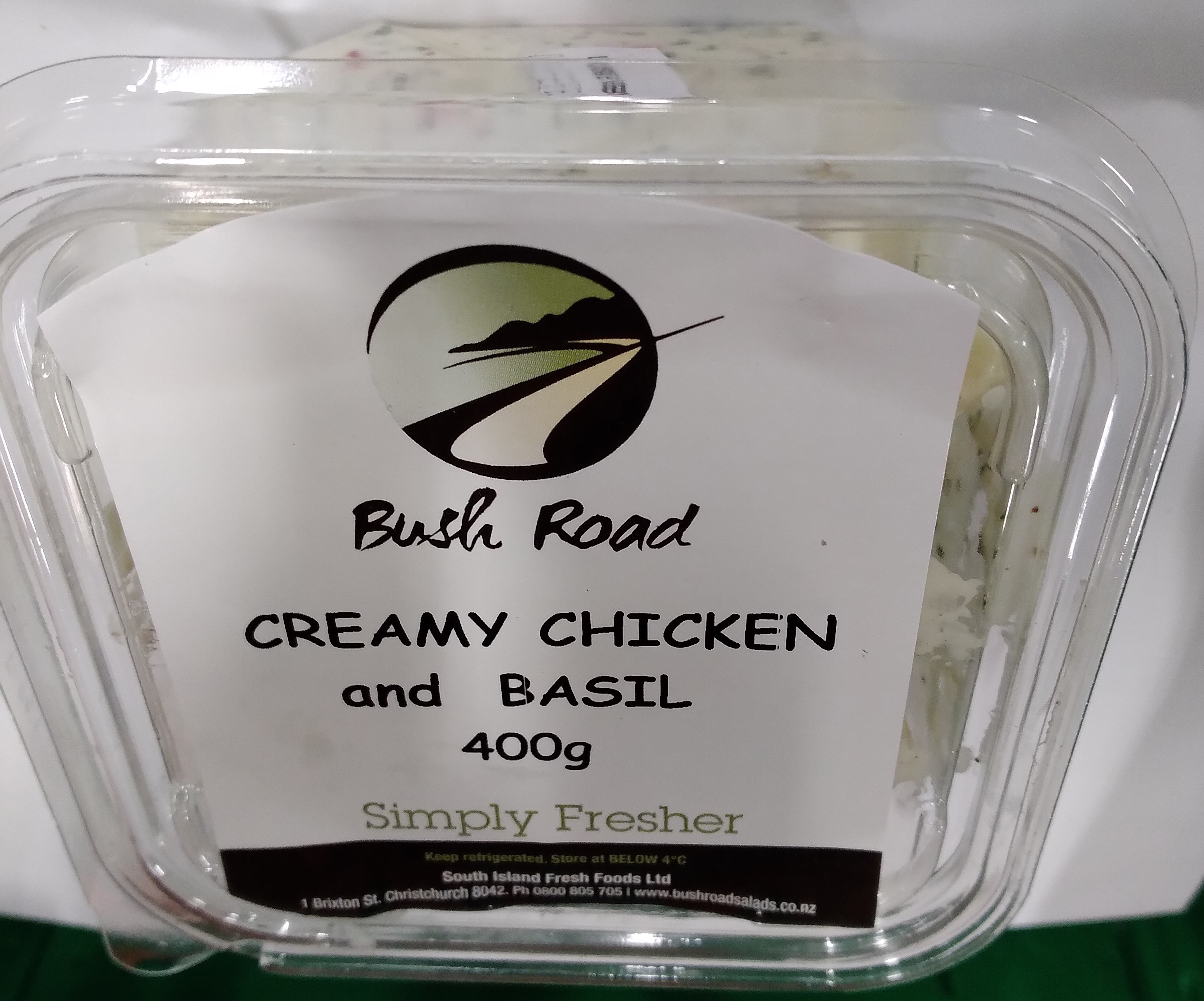
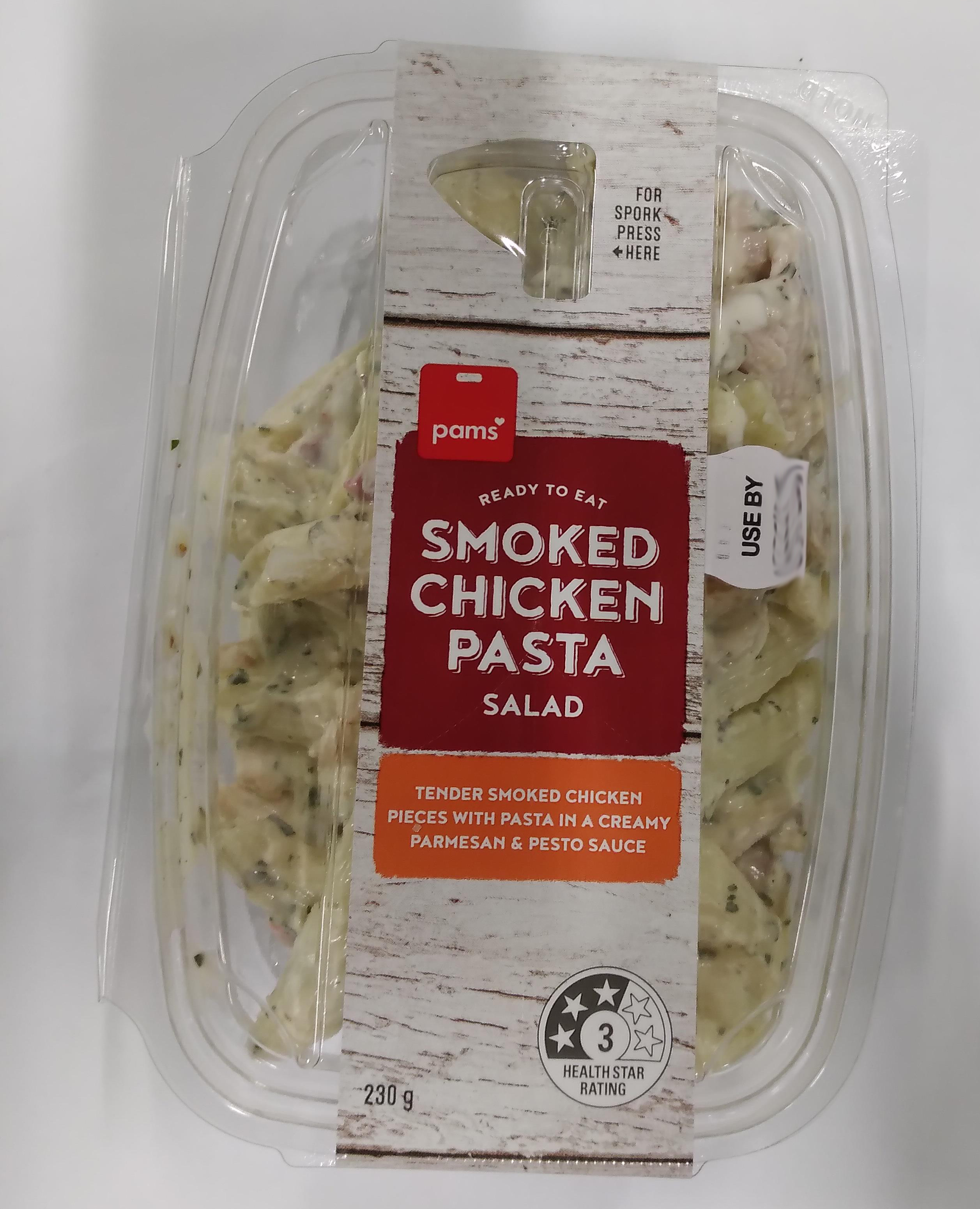
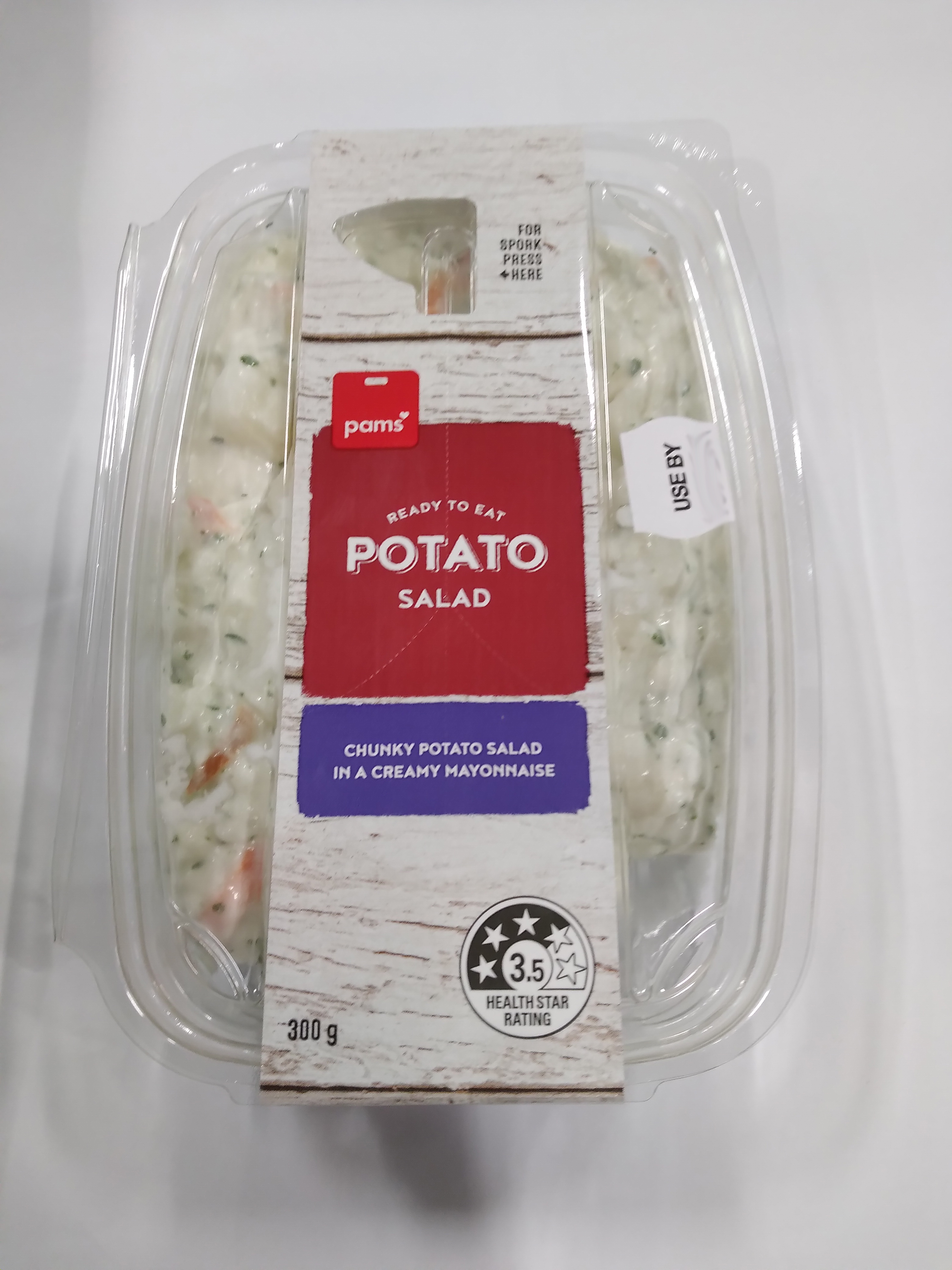
29 January 2021: South Island Fresh Foods Ltd is recalling specific varieties and batches of Bells, Bush Road, Country Foods and Pams brands ready-to-eat salads due to the possible presence of Listeria monocytogenes.

Bush Road Creamy Chicken and Basil 400g.

Bush Road Egg Supreme 200g.

Pams Smoked Chicken Pasta Salad 230g.

Pams Potato Salad 300g.

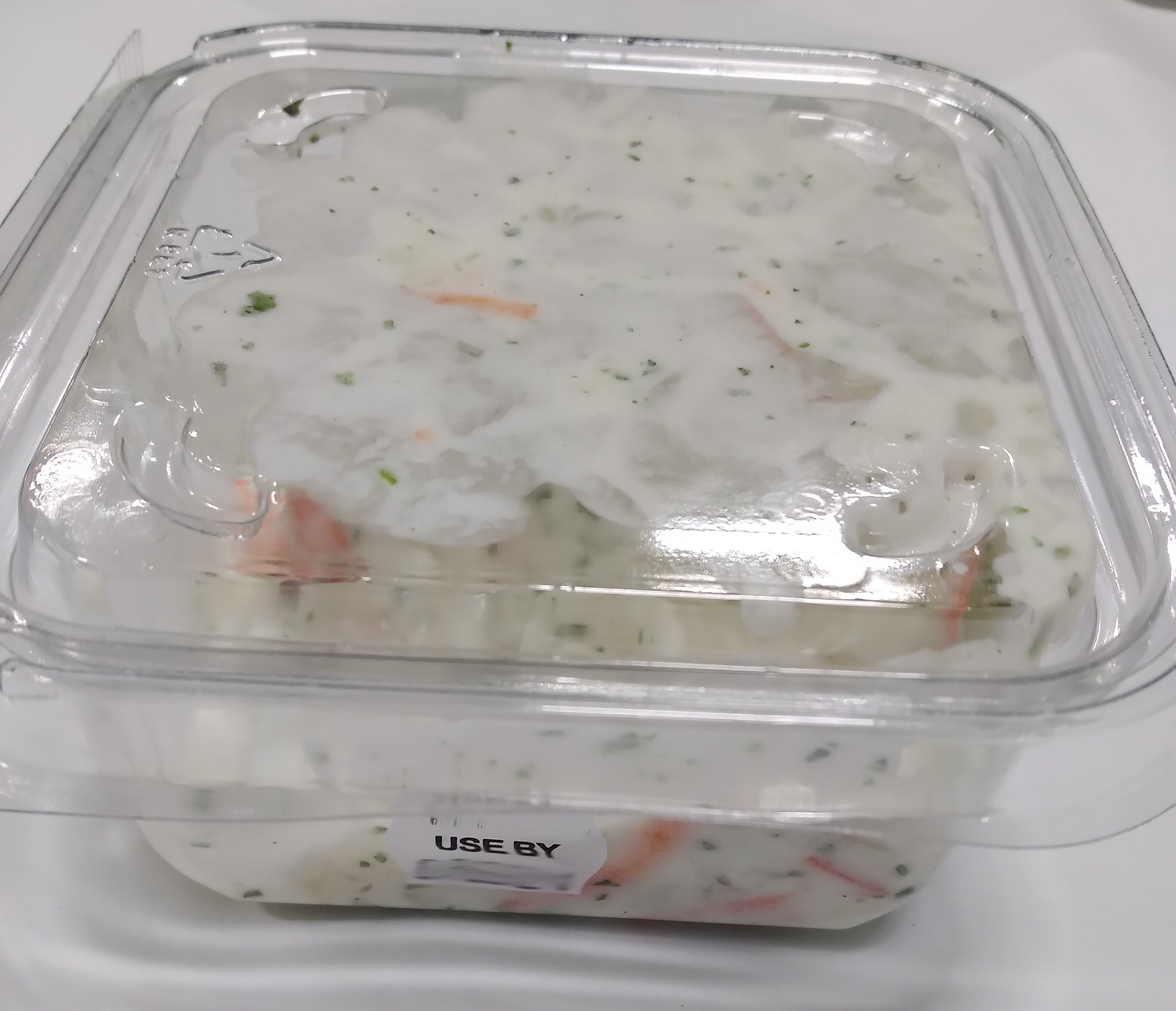
Unbranded Potato Salad 200g.

Product identification
Product type Ready-to-eat salads
Name of product (size) Sold pre-packed:

Bush Road brand Creamy Chicken Salad with Basil 400g with a use by date of 27JAN21 – 06FEB21

Bush Road brand Egg Supreme (200g) with a use by date of 31JAN21 – 07FEB21

Bush Road brand Potato Salad (250g) with a use by date of 31JAN21 – 07FEB21

Bush Road brand Potato Salad (400g) with a use by date of 31JAN21 – 10FEB21

Pams brand Potato Salad (300g) with a use by date of 31JAN21 – 10FEB21

Pams brand Smoked Chicken Pasta Salad (230g) with a use by date of 27JAN21 – 05FEB21

Unbranded Potato Salad (400g) and (600g) with a use by date of 31JAN21 – 07FEB21

Unbranded Potato Salad (200g) with a use by date of 08FEB21 – 09FEB21

Sold in-stores from deli counter:

Bells brand Potato Salad sold between 18 – 29 January 2021

Bush Road Creamy Chicken Salad with Basil sold between 18 – 29 January 2021

Bush Road brand Egg Supreme sold between 18 – 29 January 2021

Country Foods brand Egg and Celery sold between 18 – 29 January 2021

Country Foods brand Broccolini and Bacon sold between 18 – 29 January 2021

Use by Various weights with specific use by dates between 27JAN21 – 10FEB 21 (for pre-packed salads)

Various weights sold in-stores from the deli counter between 18 – 29 January 2021

Package size and description The product is sold in the deli section of the supermarket and in various weights in plastic packaging.

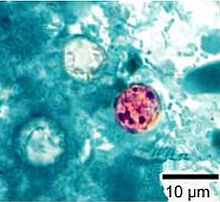
USA Research – Sources and prevalence of Cyclospora cayetanensis in Southeastern US water sources and growing environments

Centre For Produce Safety

Summary

220px-Cyclospora_cayetanensis_stained

In 2018, a domestic-produce associated cyclosporiasis outbreak and the first Cyclospora detection on domestic produce demonstrated the need for a better understanding of Cyclospora prevalence in US produce growing environments. The Southeastern Coastal Plain growing region has several risk factors that warrant the evaluation of Cyclospora prevalence, including a farm worker population from Cyclospora-endemic areas, use of surface water for irrigation, and heavy rainfall that could transport Cyclospora into surface waters. The proposed study will assess Cyclospora prevalence in this region through two Georgia industry partners representing growing practices across the southeastern US. Human sewage samples from municipal wastewater influents and on-farm portable toilets will be tested to assess Cyclospora shedding in the region and on-farm, respectively. Cyclospora prevalence in the agricultural environment will be assessed in irrigation water and on produce (via a proxy measurement). Using newly developed tools, Cyclospora contamination found will be traced through the produce growing process by genetic typing to match detections between samples and by assessing parasite’s maturation state to approximate time since shedding. This study will add to the understanding of Cyclospora contamination in US produce growing environments and provide information about contamination routes to produce within the Southeastern US.

Technical Abstract

The increased frequency of produce-associated cyclosporiasis outbreaks highlights Cyclospora cayetanensis as an important emerging foodborne pathogen. Most produce associated cyclosporiasis outbreaks have implicated produce grown in areas where the disease is endemic. However, the 2018 detection of C. cayetanensis on US-grown produce and a cyclosporiasis outbreak associated with US-grown produce highlights the need for a better understanding of C. cayetanensis prevalence in US
agricultural environments and of the risks of oocyst contamination to domestically grown produce. The aims of the current study are to assess C. cayetanensis prevalence in irrigation water, harvested produce (via spent packing house water as a proxy), on-farm portable toilets, and municipal wastewater influents in the Southeastern Coastal Plain growing region in Georgia. Georgia vegetable growers produce a wide variety of ready-to-eat produce and utilize well water- and surface water-fed irrigation water holding ponds for produce irrigation, similar to other large agricultural regions in the US. Georgia growing regions are also subject to heavy rainfalls, which we have shown contributes to human fecal contamination of irrigation ponds in the region. Additionally, a majority of the farm workers harvesting
produce are from Cyclospora-endemic regions, representing a potential shedding source C. cayetanensis oocysts.

C. cayetanensis prevalence in the agricultural environment will be assessed by analyzing large-volume (50 L) irrigation water samples on eight farms monthly during non-harvesting periods and twice a month during harvest. At most, one additional irrigation water sample will be collected per month following heavy rainfall. The prevalence of C. cayetanensis from harvested produce will be assessed by analyzing large-volume (up to 50 L) of spent rinse and wash water from packing houses as a proxy measurement. Generic Escherichia coli and the human-specific Bacteroides HF183 fecal marker will be assessed to evaluate the overall and human-specific fecal contamination, respectively, in the water samples. Human sewage samples from municipal wastewater influents and on-farm portable toilets will be analyzed to assess the prevalence of C. cayetanensis shedding in the region generally and on the farm environment, respectively. C. cayetanensis detections will be subsequently analyzed to determine the genotype and sporulation state of detected oocysts, in order to estimate oocyst maturation level and compare the genetic relatedness of oocysts detected in various sample matrices. The typing information will allow for C. cayetanensis contamination to be traced through the growing process. The maturation data will allow for an estimate of the time spent in the environment after shedding from the human host and of potential health risks associated with consumption of contaminated produce, as maturation state determines infectivity of the parasite.

Data from this project will aid in the understanding of the domestic prevalence of C. cayetanensis in agricultural environments and provide the information needed to begin answering questions related to domestic C. cayetanensis produce contamination risks and identify best practices for risk reduction. Additionally, the evaluation of the human-specific fecal marker can provide insight into how Georgia vegetable growing practices are potentially preventing environmental and produce contamination.

Canada – Updated Food Recall Warning – One Ocean brand Sliced Smoked Wild Sockeye Salmon recalled due to Listeria monocytogenes

CFIA

Recall details

Ottawa, February 10, 2021 – The food recall warning issued on January 27, 2021 has been updated to include additional product information. This additional information was identified during the Canadian Food Inspection Agency’s (CFIA) food safety investigation.

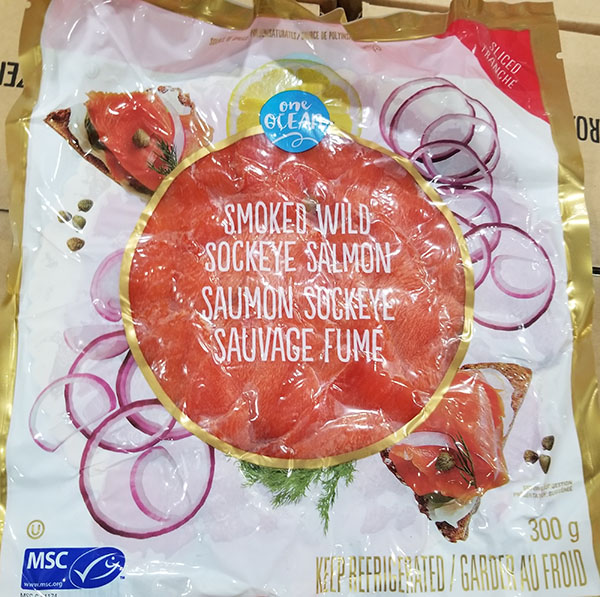
Orca Specialty Foods Ltd. is recalling One Ocean brand Sliced Smoked Wild Sockeye Salmon from the marketplace due to possible Listeria monocytogenes contamination. Consumers should not consume the recalled product described below.

Recalled product

Brand Product Size UPC Code
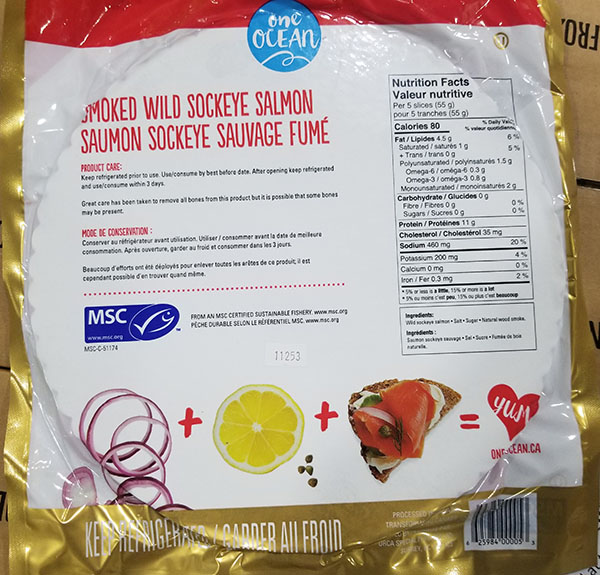
One Ocean Sliced Smoked Wild Sockeye Salmon 300 g 6 25984 00005 3 11253

What you should do

If you think you became sick from consuming a recalled product, call your doctor.

Check to see if you have the recalled product in your home. Recalled products should be thrown out or returned to the store where they were purchased.

Food contaminated with Listeria monocytogenes may not look or smell spoiled but can still make you sick. Symptoms can include vomiting, nausea, persistent fever, muscle aches, severe headache and neck stiffness. Pregnant women, the elderly and people with weakened immune systems are particularly at risk. Although infected pregnant women may experience only mild, flu-like symptoms, the infection can lead to premature delivery, infection of the newborn or even stillbirth. In severe cases of illness, people may die.

Background

This recall was triggered by CFIA test results. The CFIA is conducting a food safety investigation, which may lead to the recall of other products. If other high-risk products are recalled, the CFIA will notify the public through updated Food Recall Warnings.

The CFIA is verifying that industry is removing the recalled product from the marketplace.

Illnesses

There have been no reported illnesses associated with the consumption of this product.

Product photos

Printer ready version of photos

  • One Ocean - Sliced Smoked Wild Sockeye Salmon
  • One Ocean - Sliced Smoked Wild Sockeye Salmon - back

Public enquiries and media

Company information
Orca Specialty Foods Ltd.: 604-574-6722 ext. 223
Public enquiries
Toll-free: 1-800-442-2342 (Canada and U.S.)
Telephone: 1-613-773-2342 (local or international)
Email: cfia.enquiries-demandederenseignements.acia@canada.ca
Media relations
Telephone: 613-773-6600
Email: cfia.media.acia@canada.ca

New Zealand – Yersiniosis in New Zealand

MDPI

The rate of yersiniosis in New Zealand (NZ) is high compared with other developed countries, and rates have been increasing over recent years. Typically, >99% of human cases in NZ are attributed to Yersinia enterocolitica (YE), although in 2014, a large outbreak of 220 cases was caused by Yersinia pseudotuberculosis. Up until 2012, the most common NZ strain was YE biotype 4. The emergent strain since this time is YE biotype 2/3 serotype O:9. The pathogenic potential of some YE biotypes remains unclear. Most human cases of yersiniosis are considered sporadic without an identifiable source. Key restrictions in previous investigations included insufficient sensitivity for the isolation of Yersinia spp. from foods, although foodborne transmission is the most likely route of infection. In NZ, YE has been isolated from a variety of sick and healthy domestic and farm animals but the pathways from zoonotic reservoir to human remain unproven. Whole-genome sequencing provides unprecedented discriminatory power for typing Yersinia and is now being applied to NZ epidemiological investigations. A “One-Health” approach is necessary to elucidate the routes of transmission of Yersinia and consequently inform targeted interventions for the prevention and management of yersiniosis in NZ View Full-Text

France – Product recall: Organic Plain Lardons (2x75g) from Carrefour Bio brand – Microbiological Risk

Oulah

Product recall: Organic Plain Lardons (2x75g) from Carrefour Bio brand

ENCOUNTERED PROBLEM

Manufacturing defect causing a change in the color of the product (greenish gray color) and an impact on its conservation (microbiological risk) which makes the product unfit for consumption.

PROPOSED SOLUTION

Do not consume and return to the point of sale for reimbursement

FURTHER INFORMATION

▸ Barcode
3263850640414

▸ Lot
04923

▸ DLC
03/08/2021

▸ Health
stamp FR.22.093.001 CE

▸ Consumer service contact
Cristal N °: 09 69 39 70 00 – Non-surcharged call

▸ Source
https://www.carrefour.fr/