Category Archives: Microbiology

Research – First Report of Aeromonas veronii as an Emerging Bacterial Pathogen of Farmed Nile Tilapia (Oreochromis niloticus) in Brazil

MDPI

Abstract

Brazil is one of the world’s leading producers of Nile tilapia, Oreochromis niloticus. However, the industry faces a major challenge in terms of infectious diseases, as at least five new pathogens have been formally described in the last five years. Aeromonas species are Gram-negative anaerobic bacteria that are often described as fish pathogens causing Motile Aeromonas Septicemia (MAS). In late December 2022, an epidemic outbreak was reported in farmed Nile tilapia in the state of São Paulo, Brazil, characterized by clinical signs and gross pathology suggestive of MAS. The objective of this study was to isolate, identify, and characterize in vitro and in vivo the causative agent of this epidemic outbreak. The bacterial isolates were identified as Aeromonas veronii based on the homology of 16S rRNA (99.9%), gyrB (98.9%), and the rpoB gene (99.1%). A. veronii showed susceptibility only to florfenicol, while it was resistant to the other three antimicrobials tested, oxytetracycline, enrofloxacin, and amoxicillin. The lowest florfenicol concentration capable of inhibiting bacterial growth was ≤0.5 µg/mL. The phenotypic resistance of the A. veronii isolate observed for quinolones and tetracycline was genetically confirmed by the presence of the qnrS2 (colE plasmid) and tetA antibiotic-resistant genes, respectively. A. veronii isolate was highly pathogenic in juvenile Nile tilapia tested in vivo, showing a mortality rate ranging from 3 to 100% in the lowest (1.2 × 10⁴) and highest (1.2 × 10⁸) bacterial dose groups, respectively. To our knowledge, this study would constitute the first report of highly pathogenic and multidrug-resistant A. veronii associated with outbreaks and high mortality rates in tilapia farmed in commercial net cages in Brazil.
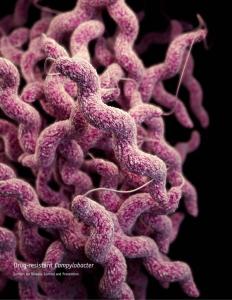
Research – Campylobacter Trends Show Decreasing Incidence, Rising Resistance Since 2012

Infectious Disease Advisor

Researchers conducted a study to estimate trends in the incidence of Campylobacter infection in the United States over time. Data on laboratory-confirmed Campylobacter diagnoses at 10 sites were collected from the Foodborne Diseases Active Surveillance Network between 1996 and 2019. Data on antimicrobial susceptibility were collected from the National Antimicrobial Resistance Monitoring System from 2005 to 2018. Campylobacter jejuni and C coli isolates were tested for antimicrobial susceptibility via broth microdilution. The incidence of Campylobacter infection was estimated after adjustments for sex, age, and the use of culture-independent diagnostic testing.

The researchers used a pooled chi-squared statistic to compare changes (2005-2016 vs 2017-2018) in the percentage of ciprofloxacin-, erythromycin-, and extensively drug-resistant isolates. They also used multivariable logistic regression to assess the association between AMR and clinical outcomes.

Research – Impact of climate change on foodborne infections and intoxications

Journal of Health Monitoring

Temperature, precipitation, humidity, and soil properties are important environmental factors that influence the spread and survival of zoonotic pathogens. Changes in these environmental factors as a result of climate change, such as permanently elevated ambient temperatures, in-creasing precipitation, but also water scarcity, may contribute to the spread and survival of pathogens.

Climate change may thus exert an increasing influence on more than half of all infectious diseases. This is not only true for already existing, i. e. endemic, infectious agents; climatic changes also favour the establishment of novel infectious agents (emergence) as well as the return of pathogens sup-pressed in the past (re-emergence). For example, in the
future, agriculture may have to rely more frequently on treated wastewater due to water scarcity, which will be ex- acerbated by climate change. This poses a number of risks
to food safety, including contamination of irrigated produce by various types of pathogens.

This review addresses hazards to human health posed by the most important foodborne bacteria, parasites and marine biotoxins in Germany and presents recommendations for reducing the risks. For example, the risk of all infections discussed here can be reduced by observing good hygiene during food preparation (kitchen hygiene) and adherence to cold chains.

Research – 12 Mistakes You Might Be Making When Defrosting Meat

The Daily Meal

Storing meat can be pretty tricky. As a perishable substance, meat doesn’t last long once you get it home from the store, and some types, like chicken pieces or ground beef, may only have a day or two in your refrigerator before they start to spoil. To take advantage of the affordability of buying meat in bulk, turn to your freezer

But handling meat — defrosted or otherwise — can be a tricky business. Meat can be a host for multiple different kinds of bacteria, including E. coli, Salmonella, and Bacillus cereus, all of which can cause food poisoning.

Read More at the link above

Research – Invasive listeriosis in Finland: surveillance and cluster investigations, 2011–2021

Cambridge Org

Abstract

Foodborne pathogen Listeria monocytogenes may cause serious, life-threatening disease in susceptible persons. We combined data from Finnish national listeriosis surveillance, patient interview responses, and laboratory data of patient samples and compared them to listeria findings from food and food production plants collected as part of outbreak investigations during 2011–2021. The incidence of invasive listeriosis in Finland (1.3/100000 in 2021) is higher than the EU average (0.5/100000 in 2021), and most cases are observed in the elderly with a predisposing condition. Many cases reported consuming high-risk foods as well as improper food storage. Since ongoing patient interviews and whole genome sequencing were introduced, several listeriosis outbreaks were detected and food sources identified. Recommendations about high-risk foods for listeriosis and proper food storage should be better communicated to susceptible people. In Finland, patient interviews and typing and comparing listeria isolates in foods and patient samples are crucial in solving outbreaks and determining measures to control invasive listeriosis.

Research -The Impacts of Acidophilic Lactic Acid Bacteria on Food and Human Health: A Review of the Current Knowledge

Gov france

Abstract

The need to improve the safety/quality of food and the health of the hosts has resulted in increasing worldwide interest in acidophilic lactic acid bacteria (LAB) for the food, livestock as well as health industries. In addition to the use of acidophilic LAB with probiotic potential for food fermentation and preservation, their application in the natural disposal of acidic wastes polluting the environment is also being investigated. Considering this new benefit that has been assigned to probiotic microorganisms in recent years, the acceleration in efforts to identify new, efficient, promising probiotic acidophilic LAB is not surprising. One of these effots is to determine both the beneficial and harmful compounds synthesized by acidophilic LAB. Moreover, microorganisms are of concern due to their possible hemolytic, DNase, gelatinase and mucinolytic activities, and the presence of virulence/antibiotic genes. Hence, it is argued that acidophilic LAB should be evaluated for these parameters before their use in the health/food/livestock industry. However, this issue has not yet been fully discussed in the literature. Thus, this review pays attention to the less-known aspects of acidophilic LAB and the compounds they release, clarifying critical unanswered questions, and discussing their health benefits and safety.

Research – Microbial Diversity of Anaerobic-Fermented Coffee and Potential for Inhibiting Ochratoxin-Produced Aspergillus niger

MDPI

Abstract

Coffee flavor considerably depends on the fermentation process, with contributing factors including fermentation temperature, oxygen concentration, and microbial diversity. Efficient controlling of the fermentation can improve the quality of coffee beverages. Therefore, several studies on coffee fermentation processes have been conducted in various regions. The objective of this study was to assess the microbial diversity of coffee beans undergoing anaerobic fermentation at various temperatures (4 °C or 37 °C) and fermentation durations (12 h or 36 h) using full-length 16S rRNA sequencing. This analysis aimed to evaluate the inhibitory effects of the fermented metabolites against ochratoxin-producing Aspergillus niger. From our results, Acetobacter was identified as the dominant microbial community at higher fermentation temperatures, whereas Leuconostoc and Gluconobacter were the dominant genera at lower temperatures. However, at lower temperatures, changes in microbial communities were relatively slow. This study expands our knowledge of the microbial diversity involved in the anaerobic fermentation of coffee beans in Taiwan. The findings of this study can be used in future research to cultivate microorganisms linked to the quality and improve the quality of coffee beverages through fermentation.

Research – Trends in Food Pathogens Risk Attenuation

MDPI

Abstract

Foodborne pathogens represent one of the most dangerous threats to public health along the food chain all over the world. Over time, many methods were studied for pathogen inhibition in food, such as the development of novel packaging materials with enhanced properties for microorganisms’ growth inhibition (coatings, films) and the use of emerging technologies, like ultrasound, radio frequency or microwave. The aim of this study was to evaluate the current trends in the food industry for pathogenic microorganisms’ inhibition and food preservation in two directions, namely technology used for food processing and novel packaging materials development. Five technologies were discussed in this study, namely high-voltage atmospheric cold plasma (HVACP), High-Pressure Processing (HPP), microwaves, radio frequency (RF) heating and ultrasound. These technologies proved to be efficient in the reduction of pathogenic microbial loads in different food products. Further, a series of studies were performed, related to novel packaging material development, by using a series of antimicrobial agents such as natural extracts, bacteriocins or antimicrobial nanoparticles. These materials proved to be efficient in the inhibition of a wide range of microorganisms, including Gram-negative and Gram-positive bacteria, fungi and yeasts.

Research – Bacterial Changes in Boiled Crayfish between Different Storage Periods and Characterizations of the Specific Spoilage Bacteria

MDPI

Abstract

This study investigated changes in the microbial compositions of crayfish tails during storage at 4 °C (for 0–12 days) as measured using high-throughput sequencing (HTS). The specific spoilage organisms (SSOs) in the crayfish tails were isolated using culture-dependent cultivation methods, and they were identified by 16S rRNA and characterized for their enzymatic spoilage potentials (e.g., protease, lipase, phospholipase, and amylase). The spoilage abilities of the selected strains in the crayfish tails were assessed by inoculating them into real food. Moreover, the microbial growth and the volatile basic nitrogen (TVB-N) changes were monitored during the storage period. The results from the HTS showed that the dominant genus of shrimp tails evolved from Streptococcus (D0) to Pseudomonas (D4) and, finally, to Paenisporosarcina (D12) during storage. Seven bacterial species (Acinetobacter lwoffii, Aeromonas veronii, Kurthia gibsonii, Pseudomonas sp.Exiguobacterium aurantiacumLelliottia amnigena, and Citrobacter freundii) were screened from the spoiled shrimp tails by the culture-dependent method, among which Aeromonas veronii had the strongest spoilage ability.

Research – The Effect of Different Organic Acids and Their Combination on the Cell Barrier and Biofilm of Escherichia coli

MDPI

Abstract

Organic acids are natural antimicrobial compounds commonly used in the food industry. In this study, acetic, lactic, butyric, citric, and malic acid at minimum inhibitory concentrations and their combinations at optimal inhibition concentrations were used to treat E. coli, and the effects on the cell barrier and biofilm of E. coli were evaluated. Acetic acid showed the highest membrane-damaging effect, while citric acid and malic acid could specifically damage the cell wall of E. coli, leading to alkaline phosphatase leakage. The RT-qPCR results showed that organic acids upregulated the membrane-protein-related genes of E. coli, and the combination of organic acids had a wider range of effects than single organic acid treatment. Moreover, organic acids inhibited the formation of E. coli biofilm and cellular activity within the biofilm. This study showed that the combination of organic acids plays a synergistic inhibitory role mainly through multiple destructive effects on the cell barrier and exhibited synergistic anti-biofilm effects. The three–three combination of acetic, lactic acid, and a third organic acid (butyric, citric, or malic) can play a better synergistic antibacterial effect than the two-pair combination of acetic and lactic acid. These findings have implications for the usage, development, and optimization of organic acid combinations.