Category Archives: Microbial growth

Research – Prevalence of Listeria monocytogenes in RTE Meat Products of Quevedo (Ecuador)

MDPI

Abstract

Listeria monocytogenes is a foodborne pathogen that causes listeriosis and can be a problem in areas where meat products are sold at unregulated storage temperatures. In this work, the prevalence of L. monocytogenes was determined in the five most widely traded meat products in the province of Quevedo (Ecuador): bacon, “chorizo paisa”, grilled hamburger meat, mortadella, and salami. A total of 1000 samples of these products were analyzed in two seasons of the year (dry season/rainy season). All L. monocytogenes isolates were confirmed by PCR with primers designed for the iap gene. Furthermore, the positive samples were quantified for L. monocytogenes. Of the 1000 meat products analyzed, 163 were positive for L. monocytogenes (16.3%). The prevalence of L. monocytogenes in the two seasons in different meat products was as follows: 22.5% in mortadella, 19% in hamburger meat, 15% in bacon, 14.5% in chorizo paisa and 10.5% in salami. In addition, the concentration of L. monocytogenes in most of the positive samples was in the range of 4–6 log CFU/g or even higher. The results show the need for improvements in the hygienic measures and meat storage temperatures in Quevedo (Ecuador) to avoid risks of foodborne listeriosis.

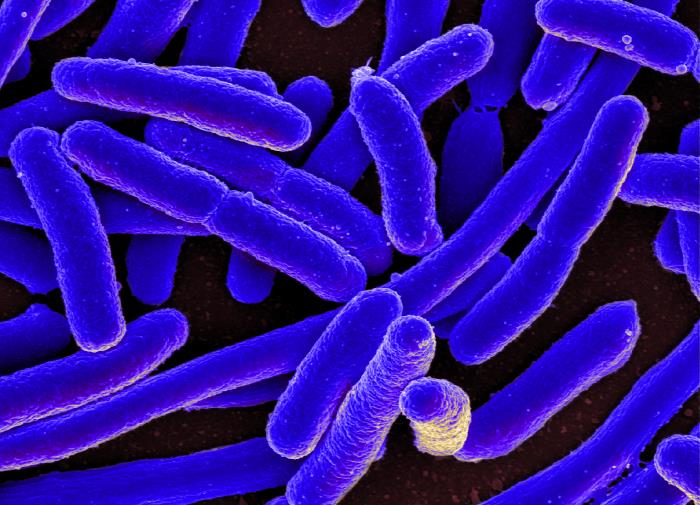
CDC monitoring long-running Listeria strain behind 12 deaths

Food Safety News

TORONTO – Monitoring of related Listeria infections over multiple years has seen more than 80 cases and a dozen deaths, according to the Centers for Disease Control and Prevention.

Michael Vasser, from the CDC, gave details about the reoccurring, emerging and persisting (REP) strain during a recent presentation at the International Association for Food Protection.

USA – Source of foodborne illness outbreak remains unknown – Cyclospora

Ouray News

Health officials unable to pinpoint food that has sickened more than 100 who ate at Ridgway’sTaco del GNAR

Three months after the first diner reported falling ill, federal and state health officials still haven’t pinpointed the source of contaminated food that has sickened more than 100 people who ate at Taco del GNAR in Ridgway.

Paul Galloway, a spokesman for the Colorado Department of Public Health and Environment, said a total of 144 cases of cyclosporiasis have been reported thus far to the state involving Western Slope residents who did not travel internationally. Health officials have attempted to interview 143 people, with all but 10 of them reporting they ate at the Ridgway taco shop. Of the remaining 10, two said they didn’t eat at the restaurant, one wasn’t sure and seven couldn’t be reached for an interview, according to Galloway. He said the last known date someone ate at Taco del GNAR and contracted the parasite was June 10.

The number of people infected with the Cyclospora parasite is likely much higher than that reported by the state health department, because the confirmed cases reflect only those who have reported their symptoms to the state or sought medical treatment.

Kenya – E. coli bacteria on the rise in Nairobi

Standard Media

This increase in E. coli is mostly associated with food poisoning, which happens when people consume contaminated water, food, undercooked meat, or unpasteurised milk.

Cases of these bacteria are causing drug resistance due to their mobile genetic elements.

A study published in the Proceedings of the National Academy of Sciences shows that pathogens are more likely to jump from animals to humans in dense areas.

The study showed that the bacteria is spreading more in areas of Nairobi with high populations of livestock and urban-adapted wildlife, like rats. These areas are often lower-income neighbourhoods with inadequate sanitation and poor waste management.

The study was led by Dr James Hassell, a wildlife veterinarian, and epidemiologist, along with Kenyan and United Kingdom partners. They collected E. coli samples from over 2,000 people, livestock, and urban wildlife in 33 locations across Nairobi.

Research – Cheese link in Italian HUS case

Food Safety News

Italian authorities have issued a warning after a young girl developed a serious condition after suffering an E. coli infection.

The Ministry of Health (Ministero della Salute) published a notice to consumers following a case of hemolytic uremic syndrome (HUS) which has affected a child in Trentino. HUS is a severe complication associated with E. coli infections that causes kidney failure.

Local health authorities have taken steps to try and verify the source of infection. They identified a probable link to the consumption of cheese produced in a malga, which is an alpine hut, in Coredo. In late July, local officials said the girl was hospitalized.

A related Rapid Alert System for Food and Feed (RASFF) report shows Shiga toxin-producing E. coli (STEC) O26 was detected in the cheese.

To protect public health, it was advised that anyone who had purchased dairy products from the implicated site, before July 14, should not consume them. Officials also added that raw milk products should not be given to children under 5 years of age or the elderly.

RASFF Alert – Animal Feed – Salmonella – Rapeseed Meal

RASFF

Salmonella spp. (in 3 out of 5 samples) in rapeseed meal from Belarus in France, Lithuania and Luxembourg

The Silent Threats in Our Salad Bowls: Research Harnessing Plant Defenses to Combat E. coli and Salmonella Infections

Food Safety.Com

Foodborne illnesses caused by bacteria like Escherichia coli (E. coli) and Salmonella pose a grave threat to public health. Among the various sources of contamination, plant-based and salad-related illnesses have garnered significant concern over the last decade. These infections can have severe repercussions, especially for individuals with compromised immune systems, such as children and seniors. The fear of these bacteria lingers in people’s minds, and it is crucial to address these concerns. This article explores the author’s groundbreaking research shedding light on the dangers of E. coli and Salmonella, and how this work can help safeguard lives through improved food safety practices.

UK – Wales – Salmonella: Wrexham food poisoning cluster sparks investigation

BBC Wales

A salmonella cluster in Wrexham has prompted an investigation to find the cause and prevent further cases.

Public Health Wales (PHW) is working with Wrexham council’s environmental health team and Betsi Cadwaladr health board to investigate.

PHW said the strain Salmonella Typhimurium can cause bloody diarrhoea, vomiting and stomach pain.

Most people who contract the bug usually recover but complications can occur among frail or very young people.

PHW has asked anyone who is worried about their health to call their GP or NHS Direct Wales on 111

USA – 29 sick, 6 hospitalized in outbreak at Washington care facility

Food Safety News

Public health officials in Seattle are investigating a Salmonella outbreak that has sickened more than two dozen residents of a long-term care facility.

“Based on the investigation, this outbreak was likely due to contaminated food served at the facility,” according to an outbreak announcement this afternoon from Public Health Seattle & King County. The department did not report what food was involved.

The public health department has identified 29 people as outbreak patients. Six of them have had to be admitted to hospitals, but no one has died. The outbreak has concluded, according to the health department

Illness onsets appear to have been July 1 through July 5. No ill food workers were identified as patients as of today. The public health department said the facility is not typically open to the public.

USA – FDA – Investigations of Foodborne Illness Outbreaks

FDA

What’s New

  • For the outbreak of Cyclospora cayetanensis (ref #1171), the case count has increased from 39 to 47 cases.
  • For the outbreak of Cyclospora cayetanensis (ref #1163), the case count has increased from 121 to 140 cases.
  • For the outbreak of Salmonella Paratyphi B var. L(+) tartrate+ (ref #1157), the case count has increased from 35 to 36 cases.
  • For the outbreak of Cyclospora cayetanensis (ref #1159), the case count has increased from 68 to 69 cases.