FDA
June 5, 2024
Audience
- Restaurants and food retailers in Arizona (AZ), California (CA), Colorado (CO), Hawaii (HI), Nevada (NV), New York (NY), Oregon (OR), and Washington (WA) that have recently purchased oysters and bay clams from growing areas in Netarts Bay and Tillamook Bay, OR harvested on or after 5/28/24, and all shellfish species from growing areas in Willapa Bay, WA: Stony Point, harvested between 5/26/24 and 5/30/24; Bay Center, harvested between 5/29/24 and 5/30/24; and Bruceport, harvested between 5/29/24 and 5/30/24.
- Consumers in AZ, CA, CO, HI, NV, NY, OR, and WA who have recently purchased oysters and bay clams harvested from growing areas in Netarts Bay and Tillamook Bay, OR harvested on or after 5/28/24, and all shellfish species from growing areas in Willapa Bay, WA: Stony Point, harvested between 5/26/24 and 5/30/24; Bay Center, harvested between 5/29/24 and 5/30/24; and Bruceport, harvested between 5/29/24 and 5/30/24.
Product
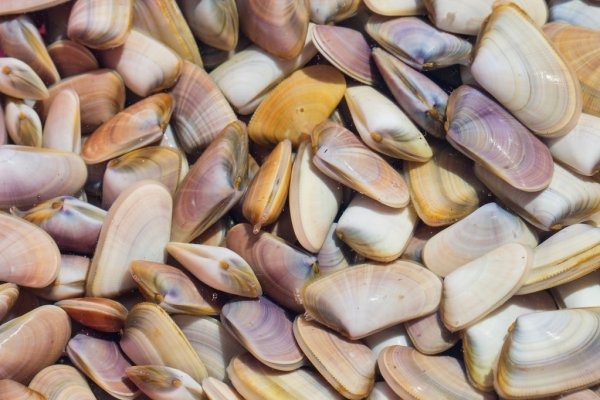
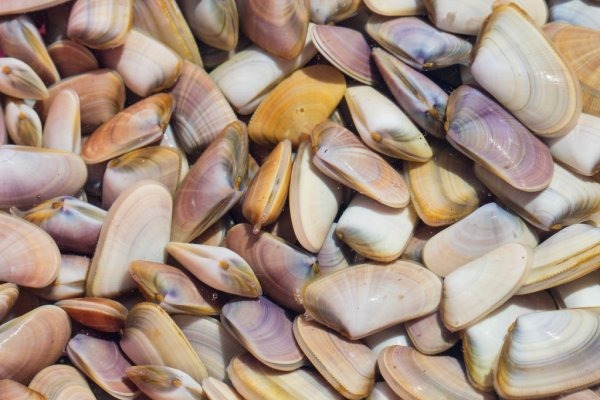
Certain oysters and bay clams harvested from OR growing areas in Netarts Bay and Tillamook Bay, harvested on or after 5/28/24, and shellfish species from growing areas in Willapa Bay, WA: Stony Point, harvested between 5/26/24 and 5/30/24; Bay Center, harvested between 5/29/24 and 5/30/24; and Bruceport, harvested between 5/29/24 and 5/30/24. The shellfish were distributed to restaurants and retailers in AZ, CA, CO, HI, NV, NY, OR, and WA and may have been distributed to other states as well.
Purpose
The FDA is advising restaurants and food retailers not to serve or sell and to dispose of, and consumers not to eat, oysters and bay clams harvested from growing areas in Netarts Bay and Tillamook Bay, OR harvested on or after 5/28/24, and all shellfish species from growing areas in Willapa Bay, WA: Stony Point, harvested between 5/26/24 and 5/30/24; Bay Center, harvested between 5/29/24 and 5/30/24; and Bruceport, harvested between 5/29/24 and 5/30/24, and distributed to AZ, CA, CO, HI, NV, NY, OR, and WA because they may be contaminated with the toxins that cause paralytic shellfish poisoning (PSP).
Molluscan shellfish contaminated with natural toxins from the water in which they lived can cause consumer illness. Most of these toxins are produced by naturally occurring marine algae (phytoplankton). Molluscan shellfish consume the algae which causes the toxins to accumulate in the shellfish’s flesh. Typically, contamination occurs following blooms of the toxic algal species; however, toxin contamination is possible even when algal concentrations are low in certain instances. One of the recognized natural toxin poisoning syndromes that can occur from consuming contaminated molluscan shellfish is paralytic shellfish poisoning (PSP).
PSP is caused by neurotoxins also referred to as saxitoxins or paralytic shellfish toxins (PSTs). Shellfish can retain the toxin for different lengths of time. Some species cleanse themselves of toxins rapidly, whereas others are much slower to remove the toxins. This lengthens the period of time they pose a human health risk from consumption.
Food containing PSTs may look, smell, and taste normal. These toxins cannot be removed by cooking or freezing. Consumers of these products who are experiencing symptoms of illness should contact their healthcare provider and report their symptoms to their local Health Department.



 FoodWorld