Category Archives: Illness

UK – Why more than 60 diners fell ill after eating at this pub – Clostridium perfringens

|Gloucestershire Live Clost

Health chiefs have identified the cause of a food poisoning outbreak at a pub which left dozens of diners suffering with sickness and diarrhoea.

Public Health England (PHE) and North Somerset Council launched an investigation after more than 60 people reportedly fell ill after eating at the Old Farmhouse in Nailsea, North Somerset, on Mothering Sunday last month.

The PHE says initial investigations have indicated the most likely organism that caused people to fall ill is Clostridium perfringens.

The infection often occurs when foods are prepared in large quantities and kept warm for a long time before serving.

USA- Iowa Salmonella Case Counts Associated with Chicken Salad Sold at Fareway – Salmonella

Iowa.gov

*Confirmed Case Definition:

Persons with Salmonella Typhimurium (confirmed or visual match to Pattern JPXX01.0275) with illness onset since January 1, 2018 reporting consumption of chicken salad from Fareway (any store) in the 7 days prior to illness onset.

Probable Case Definition:

Persons that are epi linked to a confirmed case (all confirmed cases are laboratory confirmed)

OR

Persons who test positive by CIDT or culture (with serotype and PFGE pending) with illness onset since January 1, 2018 reporting consumption of chicken salad from Fareway (any store) in the 7 days prior to illness onset.

January 1, 2018 – February 16, 2018* Confirmed 28
Probable 66

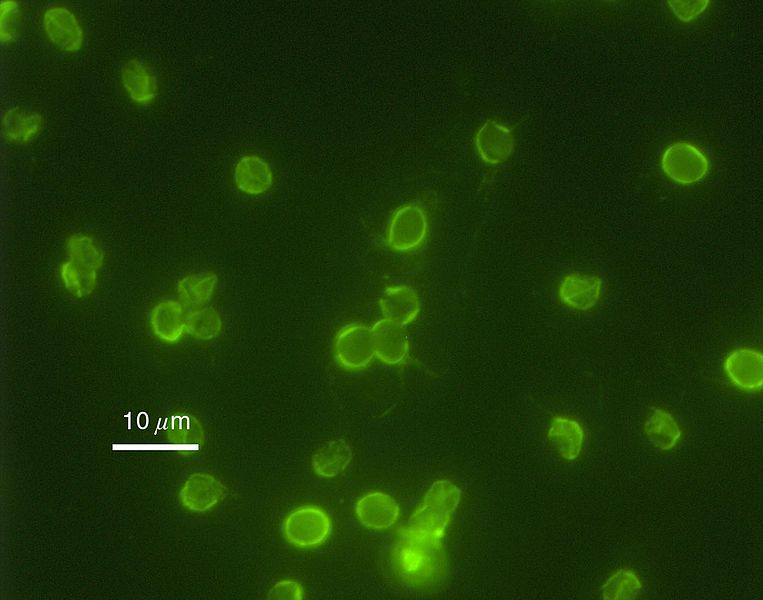
UK – Petting Farms and Crytosporidium

Westmorland Gazette 763px-Cryptosporidium_parvum_01

A CUMBRIA and north Lancashire public health chief is urging parents to be aware of potential infections that can be caught at farm attractions.

Dr Ken Lamden says everyone should practice good hand hygiene when visiting petting farms where animals can be handled.

Over the past 20 years, an average of around 80 cases of cryptosporidium infection linked to visits to petting farms have been reported to Public Health England each year. This is out of a total of around two million visits to the 1,000 plus farm attractions in the UK, with peak visitor times during school and public holidays.

Research – Levels of microbial contamination of domestic refrigerators in Italy

Science Direct iStock_000012710183Small

Aim

According to the EFSA Report 2013, 32.7% of outbreaks of foodborne illness registered in Europe occurs within the home, due to inadequate hygienic behaviour of consumers when preparing foods in the kitchen. The efficacy of proper cleaning of cutting boards, dishes and cutlery in limiting microbial cross-contaminations in the kitchen has been documented many times, whereas few researches have been performed to determine the microbial load of the internal walls of domestic refrigerators, in Italy. The aim of this investigation is to ascertain the role played by internal surfaces of home refrigerators as possible sources of microbial contamination of foods.

Material and methods

We analyzed 293 domestic refrigerators of students or workers at the university campus of Agripolis (Legnaro, Italy). For each refrigerator, 2 internal surfaces were sampled using sponge-bags. The amounts of total viable count (TVC), Gram-negative spoiling bacteria, moulds and yeasts and the main pathogenic bacterial species were determined.

Results

TVCs greater than 1 log CFU cm−2 are in a little over 50% of the samples analyzed and are found mainly on the bottom of the refrigerator (61%) compared to the walls (39%) (P < 0.001). Even for other microbial counts the risk ratio of finding them on the bottom of the refrigerator is significantly higher than on the walls; the possibility of there being a finding on the bottom with respect to the walls varies from 2.5 to 8.5 times respectively for moulds and Aeromonas spp. Salmonella spp. was found in 1.7% of the samples, Bacillus cereus in 5.6%, Coagulase-positive staphylococci (CPS) in 4%, the prevalence of which is always higher on the bottom of the refrigerator. Listeria monocytogenes and Yersinia enterocolitica were never found.

Conclusions

It is necessary to better educate consumers to clean their appliances more frequently.

Research – Poultry Food Safety Control Interventions in the Domestic Kitchen

Wiley Online Library imagesCAYZ5I84

Research was undertaken to investigate cross-contamination of the domestic kitchen environment during poultry fillet preparation using a streptomycin-resistant strain of Pseudomonas fluorescens as a model organism. The potential role of a cook-in-the-bag technology to control this cross-contamination was also investigated. Poultry fillets were inoculated with P. fluorescens (6.06 log10 CFU/cm2). Six people were challenged to unpack, defrost, cut and cook without contaminating the preparation environment. After preparation, the chopping board, knife blade, dishcloth, refrigerator handle, oven handle, oven buttons, draining board, tap, microwave handle, microwave buttons, plate, tinfoil and press handle were tested for the presence of the P. fluorescens strain, before and after washing. The experiment was then repeated with a precut cook-in-the-bag product. In a separate experiment, the effect of freezing and frozen storage (−20C) on Campylobacter and the sensory attributes of chicken fillets were investigated. The cook-in-the-bag approach considerably reduced the incidence and levels of cross-contamination in the domestic kitchen. Freezing significantly (P < 0.05) reduced the Campylobacter counts on inoculated fillets after 7 days at −20C (1.73 log10 CFU/g). While there was no adverse effect on taste, fillets that had been frozen were significantly more “firm” and “less moist” as compared with fresh product.

Australia/Bali – Two Die from Scomboid Poisoning and Secondary Illness

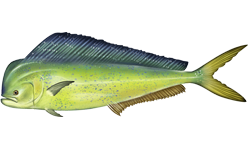
The Australian File:Coryphaena hippurus.png

NOELENE Bischoff and her teenage daughter Yvana died after eating toxic fish while on holidays in Bali, preliminary autopsy results reveal.

But the Sunshine Coast pair may have survived the rare poisoning, called Scombroid Syndrome Toxicity, had they not both been asthma sufferers which accelerated and intensified their reaction.

A spokesman for the Queensland Coroner Terry Ryan told The Australian the Bischoff family met with forensic pathologists in Brisbane yesterday and had been told the possible causes of death. However, autopsy testing has not been finalised.

Bischoff, 54, and her 14-year-old daughter died violently and mysteriously in Bali last month, hours after enjoying a final meal at the Padang Bai Beach resort restaurant.

They had eaten grilled mahi mahi fish, vegetarian pizza and chicken curry, before succumbing to vomiting and breathlessness.

USA – Chicken Livers – Campylobacter

Orgeon Food Safety AlertsCampylobacter_jejuni_01

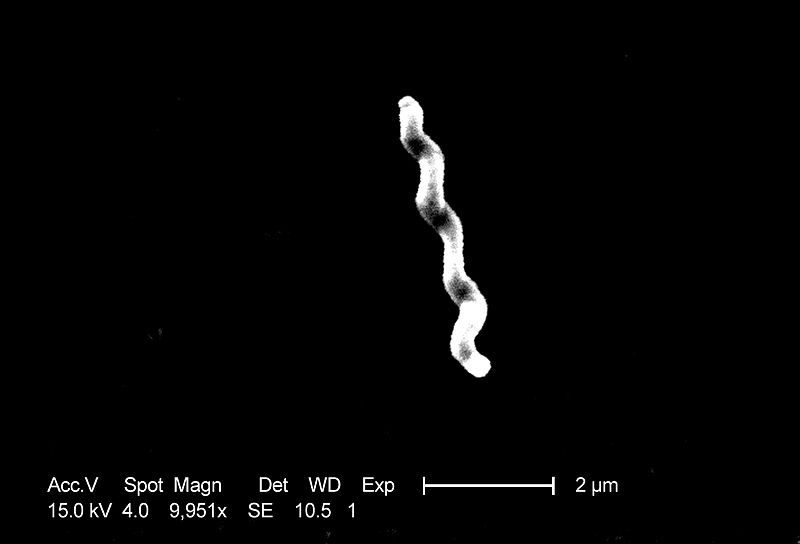
Since December 2013, Oregon health officials have been looking into the source of Campylobacteriosis that has sickened five individuals in Oregon and Ohio. All cases report eating undercooked or raw chicken livers; most cases consumed chicken livers prepared as pâté. The cases in Ohio ate chicken liver pâté while visiting Oregon. The Oregon Health Authority is working with USDA and CDC.

This is the second reported multistate outbreak of campylobacteriosis associated with consumption of undercooked chicken liver in the United States.

Oregon Live

A high-end chicken product enjoyed in high-end restaurants in Portland is part of a small food poisoning outbreak in Oregon.

Health officials issued a public health alert Tuesday, saying six people who consumed undercooked or raw chicken livers were infected with campylobacter, a common foodborne pathogen. Three people live in Oregon and two others were visiting the state from Ohio. The outbreak includes one person in Washington state who got sick after consuming chicken liver pills. Most of the others ate chicken liver pate.


USA – Food Sickness Outbreak in December was Norovirus – 282 People

Food Poisoning BulletinNorwalk_Caspid

Norovirus was the cause of a December food poisoning outbreak that sickened 282 people who ate at a Jimmy John’s restaurant in Garden City, Kansas, the Kansas Department of Health and Environment (KDHE) has confirmed.  State and county officials worked together to determine the source of the outbreak which sickened customers who visited the restaurant from December 10 to December 24.

The restaurant was inspected by the Kansas Department of Agriculture on December 18 and again on December 24. It closed voluntarily from December 24 through December 26 to clean and disinfect the restaurant

Canada – E. Coli From Eating Raw Meat

ecoliFood Safety News

Seven people are sick from E. coli after eating a raw meat dish at Marché 27 in Montreal.

The owner of the restaurant, Jason Masso, told the CBC that he’s been serving tartare at Marché 27 for six years and has never had a problem until now. He also said that the problem has been addressed and that his restaurant is safe.

USA – Salmonella Prison Outbreak – MR Chicken

Food Poisoning JournalSalm2

As of January 13, 2014, a total of 9 persons infected with the outbreak strain of Salmonella Heidelberg have been reported from Tennessee.

Two (22%) of 9 ill persons have been hospitalized, and no deaths have been reported.

All of the ill persons were incarcerated at a single correctional facility located in Tennessee.

Epidemiologic and traceback investigations conducted by Tennessee and federal officials indicate that consumption of Tyson brand mechanically separated chicken is the likely source of the outbreak of Salmonella Heidelberg infections at the Tennessee correctional facility.