Category Archives: Hygiene

Research – Norovirus v Dishwashers

Food Poisoning Bulletin

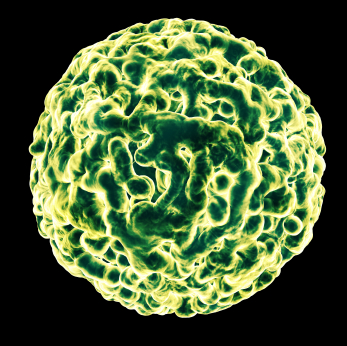
What do norovirus and baked-on lasagna have in common? Both can survive the dishwasher.

Researchers at Ohio State University have made a discovery that may help to explain why restaurants have a hard time controlling the spread of norovirus, the leading cause of food poisoning worldwide. About half of all foodborne illness outbreaks in the US are caused by norovirus, most of them, about 80 percent, happen between November and April, according to the Centers for Disease Control and Prevention (CDC).

USA – Small Turtles On-Going Salmonella Risk

Food Poisoning Bulletin 800px-Florida_Box_Turtle_Digon3_re-edited

Six ongoing Salmonella outbreaks that have sickened a total of 248 people in 34 states have been linked to illegal pet turtles, according to the Centers for Disease Control and Prevention (CDC).  Almost 70 percent of those who became ill were children under the age of 10.

It is precisely because of Salmonella risk , especially to young children, that the Food and Drug Administration banned the sale and distribution of small  turtles as pets in 1975. Turtles with shells shorter four inches should not be purchased as pets or given as gifts.

RASFF/European Alerts – E.coli – Salmonella – Aflatoxins

RASFF – E.coli in Mozzerella in France sourced in Italy.

RASFF – Salmonella in Spring Onions in Denmark sourced in Thailand

RASFF – Salmonella in Lemon Grass in Denamrk sourced in Thailand

RASFF – Aflatoxins in Pistachio’s in Italy sourced in Iran

USA – Illinois MacDonalds Closed Salmonella Investigation

Food Safety News

Owners of a Bloomington, Illinois McDonalds voluntarily shut the establishment down last week after it was linked to a series of Salmonella infections.

Bob and Julie Dobski, who own 9 McDonalds franchises in the Bloomington-Normal area, were informed by health officials Wednesday night that the South Main Street location had been connected to a cluster of Salmonella illnesses. The owners chose to shut down the restaurant before Thanksgiving the following day.

Less than 10 Salmonella cases have been reported, according to Keri Simon, communications director for the McClean County Health Department, as reported by Pantagraph. People affected by the bacteria report eating at the restaurant between October 18 and November 11, according to the county health department, which is conducting the investigation along with the Illinois Department of Public Health.

Research – Factors Affecting Pathogens on Fruit and Vegetable Farms

ASMAEA

Produce related outbreaks have been traced back to the preharvest environment. A longitudinal study was conducted on five farms in New York State to characterize prevalence, persistence, and diversity of foodborne pathogens in fresh produce fields and to determine landscape and meteorological factors that predict their presence. Produce fields were sampled four times per year for two years. A total of 588 samples were analyzed for L. monocytogenes, Salmonella and Shiga toxin-producing E. coli (STEC). The prevalence measures of L. monocytogenes, Salmonella and STEC were 15.0, 4.6, and 2.7%, respectively. L. monocytogenes and Salmonella were detected more frequently in water samples, while STEC was detected with equal frequency across all sample types (soil, water, feces and drag swabs). L. monocytogenes sigB gene allelic types 57, 58 and 61, and Salmonella Cerro, were repeatedly isolated from water samples. Soil available water storage (AWS), temperature, and proximity to three land cover classes: water, roads and urban development, and pasture/hay grass, influenced the likelihood of detecting L. monocytogenes. Drainage class, AWS, and precipitation were identified as important factors in Salmonella detection. This information was used in a geographic information systems framework to hypothesize locations of environmental reservoirs where the prevalence of foodborne pathogens may be elevated. The map indicated that not all croplands are equally likely to contain environmental reservoirs of L. monocytogenes. These findings advance recommendations to minimize the risk of preharvest contamination by enhancing models of the environmental constraints on the survival and persistence of foodborne pathogens in fields.

Australia – Cruise Ship Virus Strikes Again – Norovirus

The Telegraph

BOARDING of the mega liner Voyager of the Seas was thrown into chaos yesterday following an outbreak of a gastrointestinal illness thought to be norovirus.

Some 135 passengers already aboard the ship, which arrived from New Zealand on Thursday, were struck by the illness, along with eight staff, a spokeswoman confirmed, adding this was about 4 per cent of the ship’s guests.

“Those affected by the short-lived illness have responded well to over the counter medication administered on board the ship”‘ Royal Carribbean said in a statement late yesterday.

UK – FSA – Sunland and USA Peanut Butter Outbreak Hits UK

FSA

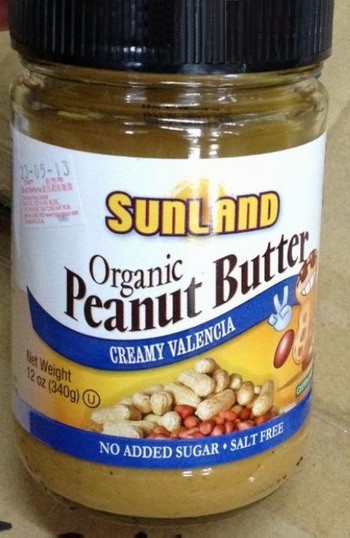
The Food Standards Agency (FSA) is warning consumers not to eat certain peanut butter and peanut-based products which have been imported from the US because of possible contamination with salmonella. Salmonella is a bacterium that causes food poisoning. The Agency has issued a Food Alert for Action.

An outbreak of a strain of salmonella called Salmonella Bredeney in the US has been linked to peanut butter produced by a company called Sunland Inc. As a result, the manufacturer is recalling a wide range of peanut butter and peanut-based products. Other products containing nuts and seeds are also being recalled.

USA – CDC – Multistate Outbreak of E.coli O157:H7 – Spinach

CDCE.coli O157

A total of 28 persons infected with the outbreak strain of Shiga toxin-producing Escherichia coliO157:H7 (STEC O157:H7) have been reported from five states, with most cases in New York.

42% of ill persons have been hospitalized. Two ill persons have developed hemolytic uremic syndrome (HUS), a type of kidney failure, and no deaths have been reported.

The outbreak was initially in New York. More recently, more ill persons in other states have been reported, and the investigation has expanded.

Australia – Tasmanian Scallops PSP and Unsafe Poultry

AFNSalmonella Campylobacter

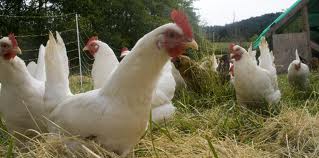
The Food Safety Information Council has released concerning national survey data this week that shows 60% of home cooks in Australia are putting themselves at additional risk of food poisoning from chicken.

The data showed that 60 per cent were at risk from washing whole poultry before it was cooked, which can spread bacteria around the kitchen. A further 16% of those surveyed incorrectly tasted chicken to see if it was cooked properly rather than using a safe meat thermometer.

The focus on cross-contamination of meats by the Food Safety Information Council (FSIC) comes as yesterday marked the start of Australian Food Safety Week. The FSIC week is specifically focusing on chicken and those most affected by food poisoning with the theme “vulnerable populations.”

Food Safety Information Council Chairman, Dr Michael Eyles said that chicken, as Australia’s most popular meat, was consumed by 8 in every ten home cooks.

”Home cooks are probably following what their parents or grandparents did in the past by washing poultry, not to mention probably patting it dry with a tea towel. Washing poultry splashes these bacteria around the kitchen cross contaminating sinks, taps, your hands, utensils, chopping boards and foods that aren’t going to be cooked like salads or desserts,” Dr Eyles said.

“Chicken is a healthy, convenient meal [but] other poultry is also becoming popular with just under half of those surveyed cooking whole turkey and 37% whole duck but these, too, are being washed before cooking, with 68% washing turkey and 74% duck,” he added.

According to a Food Standards Australia New Zealand survey referenced by the Food Safety Information Council, 84 per cent of raw chicken carcasses tested positive to the food poisoning bacteria Campylobacter and 22 per cent to Salmonella.

News Com Au

SCALLOPS from the east coast of Tasmania have joined the area’s mussels in being banned following a toxic algal bloom.

A scallop fishery in the White Rock area has been closed after the same paralytic shellfish toxin (PST) found in Spring Bay Seafood’s mussels was detected in samples taken on November 2.

“PST levels in tested scallops are currently either close to or slightly over the permitted level, but it’s possible the level will increase before it goes back down again,” a health department warning said.

The affected shellfish don’t look or taste different and the toxin is not destroyed by cooking or freezing, but there have been no reports of illness.


Research – Mobile Phones and Bugs

HACCPEUROPA

Our generation uses mobile phones and smartphones for work, college, making phone calls, reminders, sending messages, emails, music, photographs, games and the internet. Over 80% of the world citizens are in a possession of mobile phones.

With how attached people have become to their mobile phones or smartphones, it’s not a surprise that what we touch ends up on the screen. It’s what exactly ends up there that’s the real shocker.

Researchers from UW-Milwaukee’s Microbiology department tested heavily used mobile phones.

The tests found traces of E. coli and other coliforms. Coliforms are a bacteria indicating fecal contamination. They found between about 2,700 and 4,200 units of coliform bacteria on 8 phones.