Category Archives: foodborne outbreak

Australia – Outbreak of gastro at Canberra doughnut shop believed to be caused by sick worker and poor hand hygiene practices – Norovirus

ABC News

The investigation found the illness was caused by the spread of norovirus, a virus that often causes gastro and is spread through direct contact with an infected person or ingestion of faeces or vomit particles from an infected person.

It found no reports of gastro symptoms from customers in the store, making it unlikely a sick patron was the cause of the outbreak, and also noted food handlers on site did not provide stool samples for testing.

The report stated there was evidence collected on-site “suggestive of faecal contamination”, and the spread of the virus was most likely a result of a worker carrying the virus.

Research -Food Safety Issues Related to Eating In and Eating Out

MDPI

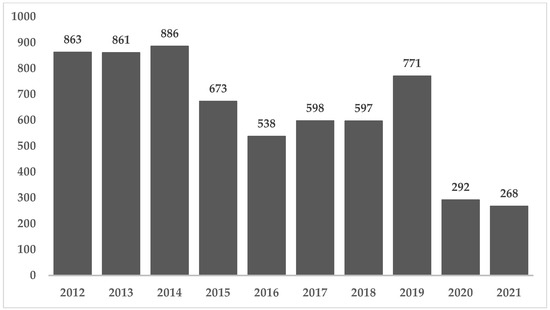
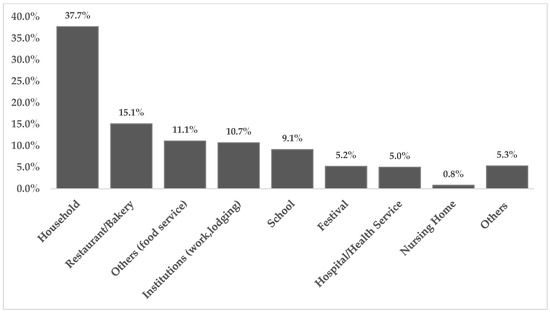
Because of growing urbanization and lack of time to prepare meals at home, eating out or getting food delivered have become common trends for many people. The consumption of food from unknown sources may impose an increased chance of contamination with microbiological hazards, especially if sanitary conditions are not met. We evaluated data from health surveillance agencies and scientific articles on foodborne diseases (FBD) reported internationally according to the exposure sites. We observed that the data are influenced by cultural, political, and socioeconomic differences. For instance, in New Zealand, Australia, United States, Denmark and India, the occurrence of FBD outbreaks was greater from foods prepared in commercial establishments and street vendors than from households. Conversely, in China, countries of the European Union and Brazil, the results are the opposite. Additionally, the pandemic imposed new eating behaviour patterns, increasing delivery services and foods prepared in so-called “Dark Kitchens”. The underreporting and heterogeneity of data among countries prevented a precise conclusion to the question of whether homemade foods are inherently safer than foods prepared out. Nevertheless, a lower level of development in a country influences its sanitation conditions, as well as the number of street food vendors, the search for cheaper foods, and insufficient knowledge of the population on good hygiene practices, which can all increase the chances of FBD cases.

USA – Outbreak Investigation of Salmonella: Seafood (October 2022)

FDA

The FDA, along with CDC and state and local partners, is investigating a multistate outbreak of Salmonella Litchfield infections linked to fresh, raw salmon supplied to restaurants in California and Arizona by Mariscos Bahia, Inc.

Based on epidemiologic information provided by CDC and interviews conducted by state and local public health officials, of 16 people interviewed, 12 reported eating sushi, sashimi, or poke. Of those interviewed, 11 people remembered details about the type of fish consumed and 9 report eating raw salmon before getting sick. The FDA’s investigation traced the distribution of fresh, raw salmon back to Mariscos Bahia, Inc.

In addition, the FDA collected an environmental sample that included multiple swabs at Mariscos Bahia, Inc. (Pico Rivera, CA). Multiple environmental swabs collected at the facility are positive for Salmonella and subsequent Whole Genome Sequencing (WGS) analysis is ongoing. The WGS completed to date indicates the Salmonella detected in at least one of the swabs from the facility matches the outbreak strain. While epidemiological evidence indicates that ill people consumed fresh, raw salmon processed at this firm, the presence of Salmonella in the processing environment indicates that additional types of fish processed in the same area of the facility could also be contaminated which includes fresh, raw halibut, Chilean seabass, tuna, and swordfish. Salmon, halibut, Chilean seabass, tuna, or swordfish processed in Marisco Bahia Inc.’s Pico Rivera, CA, facility could have also been sent to the Mariscos Bahia, Inc. facilities in Phoenix, AZ and then sent to restaurants.

The firm initiated a voluntary recall on October 20, 2022. As a result, the firm has contacted direct customers who received recalled product. A full list of recalled products is below.

The FDA’s investigation is ongoing. Updates to this advisory will be provided as they become available.

Recommendation

According to Mariscos Bahia, Inc., seafood was only sold directly to restaurants in California and Arizona and would not be available for purchase by consumers in stores.

Restaurants should check with their suppliers and not sell or serve recalled salmon, halibut, Chilean seabass, tuna, or swordfish received fresh, not frozen, from Mariscos Bahia, Inc. (Pico Rivera, CA, and Phoenix, AZ) on or after June 14, 2022. If restaurants received these fish and then froze it, they should not sell or serve it. Restaurants should also be sure to wash and sanitize locations where these fish from Mariscos Bahia, Inc. were stored or prepared.


Recalled Products

Mariscos Bahia, Inc. voluntarily recalled the following list of fresh (not frozen) fish. The firm began shipping recalled product on June 14, 2022:

  • Fresh Salmon Fillet
  • Fresh Deep Skin Salmon Fillet
  • Fresh Salmon Portions
  • Chilean Seabass (Fillet and Portions)
  • Halibut (Fillet and Portions)
  • Tuna (Fillet and Loin)
  • Swordfish (Loin, Fillet, and Wheel)

Map of U.S. Distribution

Map of U.S. Distribution

Case Count Map Provided by CDC

Salmon Outbreak of Salmonella - CDC Case Count Map as of October 19, 2022

Case Counts

Total Illnesses: 33
Hospitalizations: 13
Deaths: 0
Last illness onset: September 18, 2022
States with Cases: AZ (11), CA (21), IL (1)
Product Distribution*:  AZ, CA
*Distribution has been confirmed for states listed, but product could have been distributed further, reaching additional states

USA – Kerry’s former quality assurance director pleads guilty to Honey Smack outbreak – Salmonella

Food Safety News

A fast-moving, but somewhat secretive federal prosecution has extracted guilty pleas for three misdemeanors from the quality assurance director for a food manufacturer working for the Kellogg Company.

The former quality assurance director pleaded guilty on Oct. 21 to three misdemeanor counts of Introducing adulterated food into Interstate Commerce. It was part of a plea deal that is among a half dozen documents in the case that are sealed, and therefore not available for public viewing. The federal Magistrate for the Central District of Illinois, Jonathan P. Hawley, has scheduled sentencing for Jan. 30. 2023.

The charges stem from the multistate outbreak of Salmonella Mbandaka infections from Kellogg’s Honey Smacks cereal, which sickened 135 people in 35 states in 2018. The infections required hospitalizations for 34 patients. The Kellogg Company recalled Honey Smacks cereal on June 14, 2018.

USA – Salmonella outbreak linked to Chili’s South Indian Cuisine in Seattle

Food Poison Journal

Food Poisoning Salmonella

Summary

Public Health is investigating an outbreak of salmonellosis (caused by Salmonella bacteria) associated with Chili’s South Indian Cuisine in Seattle. The investigation is ongoing. At this time, we have not identified how Salmonella was spread within the restaurant. This is not uncommon because Salmonella can spread through contaminated food items, environmental surfaces, and from person to person.

Illnesses

Since October 6, 2022, three people from two separate meal parties reported becoming ill after consuming food from Chili’s South Indian Cuisine in Seattle on September 17, 2022 and September 23, 2022. All the people developed one or more symptoms consistent with salmonellosis, including diarrhea, abdominal cramping, nausea, and vomiting. We have not identified any ill employees.

Public Health actions

Public Health conducted interviews with the people ill with salmonellosis to identify potential common exposures and found that they all became ill after eating food from Chili’s South Indian Cuisine.

Environmental Health Investigators visited the restaurant on October 19, 2022. Investigators identified sanitizing issues, potential cross contamination, inadequate hand washing, and lack of proper access to handwashing stations. Corrective actions were taken during the inspection. Environmental Health Investigators will revisit the facility within 2 weeks to ensure proper compliance with food handling practices.

No ill employees were identified at the time of inspection. Investigators reviewed with restaurant management the requirement that ill staff are not allowed to work until they are symptom-free. Investigators provided education about preventing the spread of Salmonella – including preventing cross contamination, proper cooling methods, sanitizing procedures and handwashing.

Laboratory testing

Two of the cases have confirmatory testing indicating infections with Salmonella via culture. Both cases have the same strain of Salmonella, based on genetic fingerprinting (whole genome sequencing or WGS) at the Washington State Public Health Laboratory. The third case did not have confirmatory testing but had symptoms consistent with Salmonellosis and is epidemiologically linked.

Research – Salmonella Typhimurium outbreak associated with frozen tomato cubes at a restaurant in western Finland, January to February 2021

Eurosurveillance

On 2 February 2021, a local environmental health authority in western Finland notified the National Registry for Food and Waterborne Outbreaks about six cases of  infection suspected to be related to a local lunch restaurant in a region where there had been between one and three salmonellosis cases per month. More cases were soon discovered that were linked to food eaten at the same restaurant on the days 27–29 January 2021, and the Finnish Institute for Health and Welfare (THL) was informed of 44 outbreak-related cases. The estimated number of potentially exposed persons was 400. THL and the Finnish Food Authority joined the local outbreak investigation team to support and coordinate the epidemiological and microbiological investigations.

We report here a food-borne outbreak caused by a non-monophasic multidrug-resistant  Typhimurium strain that was not detected in Finland before.

USA – Outbreak Investigation of Salmonella: Seafood (October 2022)

FDA

The FDA, along with CDC and state and local partners, is investigating a multistate outbreak of Salmonella Litchfield infections linked to fresh, raw salmon supplied to restaurants in California and Arizona by Mariscos Bahia, Inc.

Based on epidemiologic information provided by CDC and interviews conducted by state and local public health officials, of 16 people interviewed, 12 reported eating sushi, sashimi, or poke. Of those interviewed, 11 people remembered details about the type of fish consumed and 9 report eating raw salmon before getting sick. The FDA’s investigation traced the distribution of fresh, raw salmon back to Mariscos Bahia, Inc.

In addition, the FDA collected an environmental sample that included multiple swabs at Mariscos Bahia, Inc. (Pico Rivera, CA). Multiple environmental swabs collected at the facility are positive for Salmonella and subsequent  Whole Genome Sequencing (WGS) analysis is ongoing. The WGS completed to date indicates the Salmonella detected in at least one of the swabs from the facility matches the outbreak strain. While epidemiological evidence indicates that ill people consumed fresh, raw salmon processed at this firm, the presence of Salmonella in the processing environment indicates that additional types of fish processed in the same area of the facility could also be contaminated which includes fresh, raw halibut, Chilean seabass, tuna, and swordfish. Salmon, halibut, Chilean seabass, tuna, and swordfish processed in Marisco Bahia Inc.’s Pico Rivera, CA, facility could have also been sent to the Mariscos Bahia, Inc. facilities in Phoenix, AZ and then sent to restaurants.

The firm is cooperating with the FDA investigation and has agreed to initiate a voluntary recall. As a part of the firm’s voluntary recall, the firm will contact its direct customers who received recalled product.

The FDA’s investigation is ongoing. Updates to this advisory will be provided as they become available.

Recommendation

According to Mariscos Bahia, Inc., seafood was only sold directly to restaurants in California and Arizona and would not be available for purchase by consumers in stores.

Restaurants should check with their suppliers and not sell or serve salmon, halibut, Chilean seabass, tuna, and swordfish received fresh, not frozen from Mariscos Bahia, Inc. (Pico Rivera, CA and Phoenix, AZ) on or after June 14, 2022. If restaurants received these fish and then froze it, they should not sell or serve it. Restaurants should also be sure to wash and sanitize locations where these fish from Mariscos Bahia, Inc. were stored or prepared.

Consumers eating salmon, halibut, Chilean seabass, tuna, and swordfish at a restaurant in California or Arizona should ask whether the fish is from Mariscos Bahia, Inc and was received fresh, not frozen.

Map of U.S. Distribution

Map of U.S. Distribution

Case Count Map Provided by CDC

Salmon Outbreak of Salmonella - CDC Case Count Map as of October 19, 2022

Case Counts

Total Illnesses: 33
Hospitalizations: 13
Deaths: 0
Last illness onset: September 18, 2022
States with Cases: AZ (11), CA (21), IL (1)
Product Distribution*:  AZ, CA
*Distribution has been confirmed for states listed, but product could have been distributed further, reaching additional states

Norway – Smoked salmon suspected as source of Listeriosis outbreak

Matportalen

The patient samples were taken between February and August this year (2022). The four people are aged 50 – 90, two women and two men, and they live in Nordland, Trøndelag, Oslo and Viken.

Bacteria with the same genetic profile have been detected in samples from all four patients. In addition, there is one suspected case where we are awaiting final clarification of the test result. 

The Norwegian Food Safety Authority has collaborated with the Institute of Public Health, the municipal chief veterinarians and the Veterinary Institute, in order to map whether the patients may have a common source of infection.

Three of the four patients have been interviewed by the Norwegian Food Safety Authority. All state having eaten smoked salmon or smoked trout in the time before they became ill, and two of them state smoked salmon from the same producer. During the outbreak investigation, the outbreak bacteria was found in a product from this manufacturer that had been analyzed earlier this year. The sample was a routine sample, taken in connection with the Norwegian Food Safety Authority’s monitoring program for ready-to-eat products in 2022. The amount of listeria in the routine sample was so low that it posed no health risk.

The Norwegian Food Safety Authority has followed up the manufacturer through an inspection of the premises and several environmental samples have been obtained which were analyzed at the Veterinary Institute. The bacterium Listeria monocytogene was found in some of the samples. Although that listeria bacterium was not genetically similar to the outbreak strain, a discrepancy has been found. The Norwegian Food Safety Authority therefore decided based on a precautionary principle that the company had to withdraw products from the market.

The company has initiated thorough internal work to find the source of the outbreak strain. Extra cleaning of premises and equipment has also been carried out, to ensure that their products are safe.

Types of Data Collected in Foodborne Outbreak Investigations

CDC

Three Types of Data

When a foodborne outbreak is detected, public health and regulatory officials work quickly to collect as much information as possible to find out what is making people sick.

Epidemiologic Data

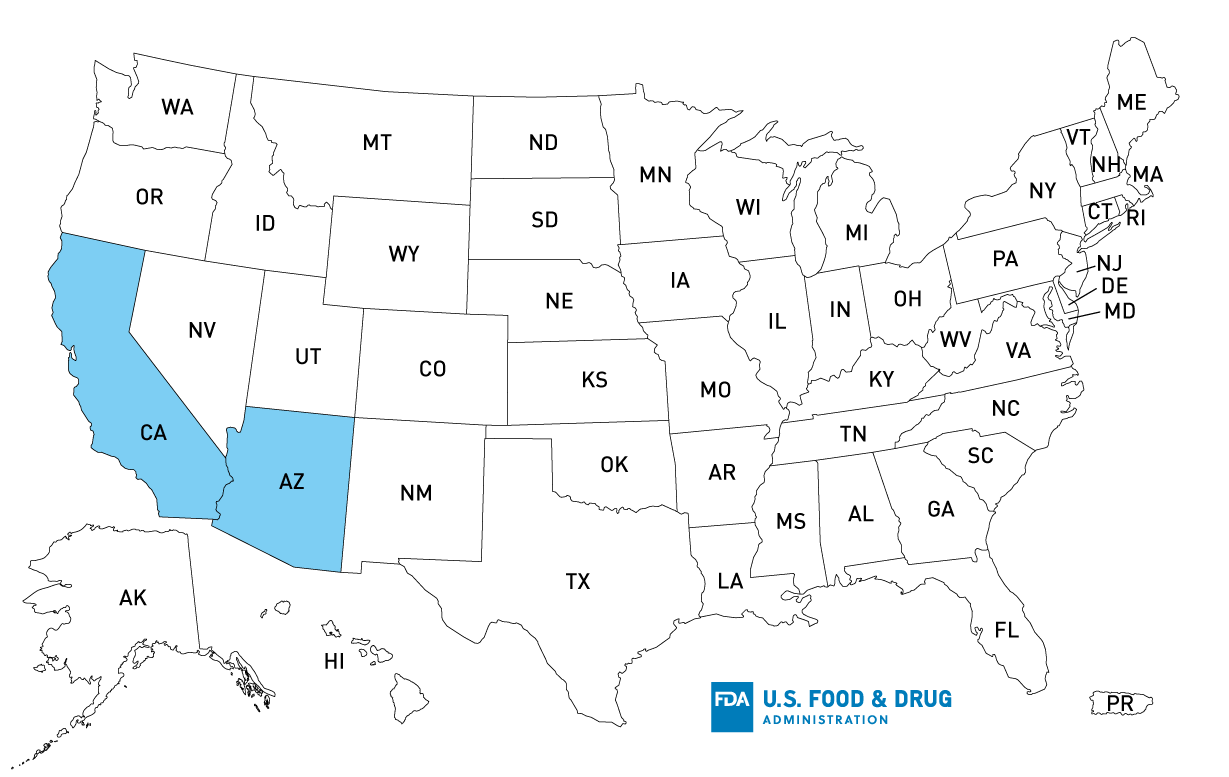
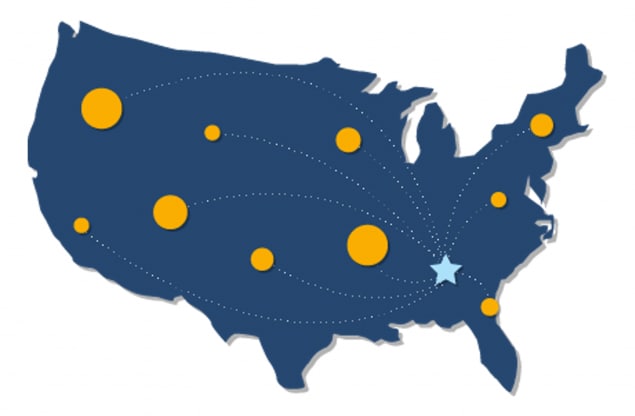
map of the continental U.S. with sites of outbreaks highlighted

Where and when did people get sick? Has the same germ caused outbreaks before? If it has, what made people sick in those outbreaks?

plate of food

What foods did people eat before they got sick?

restaurant and diners

What restaurants, grocery stores, or events did sick people go to?

Traceback Data

flow chart and checklists

Is there a common point in the distribution chain where the food could have gotten contaminated?

farm with barn and fields

Is there anything about the food production facilities, farms, or restaurants that made germs likely to spread?

Food and Environmental Testing Data

person wearing gloves and shield testing food

Is the germ causing the outbreak also found in a food item or in the food production environment?

woman looking at viruses under microscope

Do the germs found in the food or food production environment have the same DNA fingerprints as germs found in sick people?

Actions to Stop the Outbreak

Outbreak investigators take actions to protect the public when there is clear and convincing information showing that people got sick from the same contaminated food.

Live breaking news: outbreak

Health officials warn the public

recalled packaged lettuce

Companies recall contaminated products

"closed" sign

Restaurants or food production facilities close temporarily

Constantly Improving

investigators working at a table

Investigators don’t solve every outbreak. Sometimes outbreaks end before enough information is gathered to identify the contaminated food. Outbreak investigators are constantly developing new ways to investigate and solve outbreaks faster.

Research – Phenotypic and genotypic characterization of salmonella Enteritidis isolated from two consecutive Food-Poisoning outbreaks in Sichuan, China

Wiley Online

Abstract

Salmonella enterica serotype Enteritidis (SE) is a primary pathogen that causes foodborne diseases in humans. Although whole-genome sequencing (WGS) -based typing analyses have been increasingly used to investigate food-poisoning outbreaks, they are rarely applied to the epidemiology of multiple Salmonella outbreaks in Sichuan, China. This study therefore isolated SE from patients and food of two consecutive food-poisoning outbreaks during 2020 in Sichuan, China. We tracked outbreak origin using epidemiological investigation, serotyping, antimicrobial susceptibility testing (AST), pulsed-field gel electrophoresis (PFGE), and WGS. We also determined phylogenetic relationships using PFGE, whole and core genome multilocus sequence typing (wg/cgMLST), and whole-genome single nucleotide polymorphism (wgSNP) analyses. Epidemiological investigations identified a correlation between cake consumption and food poisoning. Thirteen strains isolated from patients and one strain isolated from the cake were confirmed as SE. Among the 14 strains, only six shared the same AST pattern (AMP-AMS-Sul-STR). Isolates from patients and cakes were indistinguishable in PFGE results. All four methods, namely PFGE, wgMLST, cgMLST, and wgSNP were appropriate for bacterial typing in SE-related outbreak investigation. However, wgSNP can assign 12 SE strains from the first outbreak to one cluster and assign two SE strains from the second outbreak to another cluster, while PFGE, wgMLST, cgMLST did not successfully distinguish the SE strains from different outbreaks. Thus, we conclude that SNP-based phylogenetic analysis might be a viable method for differentiating SE strains at the outbreak level.