Category Archives: Food Safety

Quebec – Lack of information necessary for the safe consumption of smoked salmon sold by the Center d’action communautaire aux 4 vents

Quebec

he Ministry of Agriculture, Fisheries and Food (MAPAQ), in collaboration with the Volunteer Center at 4 vents located at 107, rue Lewis Ouest in Waterloo , warns the population not to consume the product indicated in the table below if it has not been kept in the freezer at all times since the time of purchase. Indeed, the product does not bear a label providing the information necessary for its safe consumption, namely the statement “Keep frozen until use” which is required.

Product name

Format

Affected batch

 Smoked salmon

Unitary

Units sold until May 17, 2022

The product that is the subject of this warning was offered for sale until May 17, 2022 inclusive, only at the establishment designated above. It was placed on a silver tray covered with transparent film and sold frozen. The product did not have a label.

The operator is voluntarily recalling the product in question. It has agreed with MAPAQ to issue this warning as a precautionary measure. People who have this product in their possession and have not kept it in the freezer at all times since the time of purchase are advised not to consume it. They must either return it to the establishment where they bought it or throw it away. Even if the affected product shows no signs of tampering or suspicious odors, its consumption may represent a health risk. However, no case of disease associated with the consumption of this food has been reported to MAPAQ to date.

Kinder Salmonella Chocolate Outbreak top 369 in Europe and North America

Food Poison Journal

According to public health officials, the number of people who became ill due to a salmonella outbreak linked to Kinder chocolate products has increased to 369 across Europe and North America, including 16 in Ireland.

One additional Irish case involving a second strain has been identified in addition to the initial 15, according to the European Centre for Disease Prevention and Control (ECDC). Five of the people affected required hospital treatment.

Across Europe and north America, 274 cases from first cluster or strain and 37 from a second have been confirmed in 16 countries, along with 58 suspected cases. Most cases involved children aged under 10.

The two strains are multi-drug resistant and some samples were also resistant to disinfection using ammonium or hydrogen peroxide. The outbreak has been linked to specific products made in Italian confectionery company Ferrero’s factory in Belgium.

Two salmonella strains were identified in buttermilk used at the Belgian plant, which had come from Italy.

France – FLUID BUCKWHEAT FLOUR – Salmonella

Gov france

Identification information of the recalled product

  • Product category Food
  • Product subcategory Cereals and baked goods
  • Product brand name Unbranded
  • Model names or references FLUID BUCKWHEAT FLOUR
  • Identification of products
    GTIN Batch Date
    3422801000107 118CS11 Date of minimum durability 29/10/2022
  • Packaging1 kg bag
  • Storage temperature Product to be stored at room temperature
  • Geographic area of ​​sale Whole France
  • Distributors No sign
  • List of points of saleLIST_OF_POINTS_OF_SALE.pdf

Practical information regarding the recall

  • Reason for recall Presence of Salmonella
  • Risks incurred by the consumer Salmonella spp (causative agent of salmonellosis)

USA – FSIS Issues Public Health Alert for Ready-To-Eat Ham Product Due to Possible Processing Deviation

FSIS USDA

The U.S. Department of Agriculture’s Food Safety and Inspection Service (FSIS) is issuing a public health alert for ready-to-eat (RTE) ham product because the product may not be fully cooked due to underprocessing. FSIS is issuing this public health alert to ensure that consumers are aware that this product should not be consumed. A recall was not requested because it is believed that the product is no longer available for consumers to purchase.

The RTE, sliced Black Forest Ham item was produced by Plumrose USA, doing business as Swift Prepared Foods, a Council Bluffs, Iowa establishment, from April 28, 2022 through May 1, 2022. The following product is subject to the public health alert [view labels]:

  • 1-lb resealable plastic packages containing “Great Value Black Forest Ham Water Added” with a “BEST IF USED BY 07/15/22” date.

The product subject to this public health alert bears establishment number “EST. 26C” inside the USDA mark of inspection. This item was shipped to Walmart stores in Illinois, Indiana and Ohio.

The problem was discovered when the firm identified product that did not appear to be fully cooked, which prompted the establishment to perform an investigation and notify FSIS of their findings that the ham was underprocessed.

There have been no confirmed reports of adverse reactions due to consumption of these products. Anyone concerned about an injury or illness should contact a healthcare provider.

FSIS is concerned that some product may be in consumers’ refrigerators or freezers. Consumers who have purchased these products are urged not to consume them. These products should be thrown away or returned to the place of purchase.

Members of the media with questions about the public health alert can contact Nikki Richardson, Head of Communications, Swift Prepared Foods, at nikki.richardson@jbssa.com. Consumers with questions about the public health alert can contact Rusty Parker, Strategic Accounts Manager, Swift Prepared Foods, at 479-268-7131.

Click to access PHA-05182022-Labels.pdf

USA – FDA Issues Final Guidance for Seeds Used for Sprouting

FDA

Constituent Update

Download

May 13, 2022

Today the U.S. Food and Drug Administration (FDA) issued a final guidance titled “Reducing Microbial Food Safety Hazards in the Production of Seed for Sprouting: Guidance for Industry.” This guidance outlines FDA’s serious concerns over foodborne illness outbreaks associated with the consumption of raw and lightly-cooked sprouts and provides firms with recommended steps to prevent adulteration throughout the production chain of seed for sprouting.

Between 1996 and 2020, there were 52 reported outbreaks of foodborne illness associated with contaminated sprouts, resulting in more than 2,700 cases of illness. Although contamination can occur at any point along the sprout supply chain, seed has historically been, and continues to be, identified as the likely source of contamination in many of these outbreaks. The Produce Safety Rule (PSR) includes sprout-specific requirements for sprout growers. However, we do not consider seed for sprouting to be covered produce under the PSR and, therefore, the growing, conditioning, and distribution of seed for sprouting is not subject to PSR requirements. Although seed used for sprouting is not covered by the PSR, the FDA does consider seed used for sprouting to be food.

The final guidance recommends that everyone in the sprout seed supply chain become as informed as reasonably possible about the food safety practices, processes, and procedures followed by the firm(s) from which they source their seed, where the seed will go after it leaves their firm, and whether their seed is reasonably likely to be used to produce sprouts for human consumption. The final guidance acknowledges that the practices and conditions appropriate for producing seed for sprouting likely will necessitate a higher level of food safety precautions compared to practices and conditions for producing seed that will be used for other purposes.

Consistent with the draft guidance published in June 2019, this final guidance recommends that seed for sprouting be grown using Good Agricultural Practices or in conformance with international standards such as the Codex Alimentarius International Code of Hygienic Practice for Fresh Fruits and VegetablesExternal Link Disclaimer. In addition, this guidance clarifies that testing should not be used in place of GAPs or Codex standards.

USA – Bring Food Safety to Your Summer Vacation

FSIS USDA

As summertime brings families and friends together for outdoor celebrations, the U.S. Department of Agriculture (USDA) wants to make sure your summer festivities are food safe. Whether you’re grilling burgers, camping, or having a picnic, everyone should always remember to practice proper handwashing and use a food thermometer.

After observing that consumer behavior in test kitchens revealed that people are skipping basic food safety practices, USDA is concerned that consumers are not doing enough to reduce the risk of foodborne illness.

“Our research shows that participants were not adequately washing their hands or using a food thermometer,” says USDA Deputy Under Secretary for Food Safety Sandra Eskin “Summer is a time to relax and enjoy delicious meals with friends and family but foodborne pathogens never rest. Following safe food handling practices during this and all other seasons can reduce the risk of you and your loved ones getting sick.”

USDA encourages all Americans to follow these food safety tips to keep you and your family foodborne illness free this summer.

Wash Your Hands

Inadequate handwashing is a contributing factor to many illnesses, including foodborne illness. It is important to follow proper handwashing steps before, during, and after preparing food to prevent bacteria from transferring from your hands to your meal.

Recent USDA consumer research (January 2020-2021) showed that 56% of participants didn’t attempt to wash their hands during meal preparation. This is a major drop in handwashing attempts from prior years’ research. In year 3, this figure was 71% and in year 2 it was 74%.

In addition to low attempts at handwashing, roughly 95% of participants failed to wash their hands properly. The most common reason in the study for unsuccessful handwashing was failing to rub hands with soap for at least 20 seconds, followed by not wetting hands with water as a first step.

There are five steps for proper handwashing: wet hands, lather with soap, scrub for 20 seconds, rinse, and dry.

Use a Food Thermometer

Don’t forget to bring a food thermometer to your summer activities. Always use a food thermometer to check the internal temperature of your food to determine if it is safe to eat. Insert the thermometer into the thickest part of the meat, through the side, for the most accurate temperature reading. In the study, only 55% of participants used a food thermometer to check the internal temperature of the hamburgers and sausages they were cooking. Use a food thermometer to ensure the following foods have reached their safe internal temperature:

  • Beef, pork, lamb and veal steaks, chops and roasts: 145 F with a 3-minute rest
  • Fish: 145 F
  • Egg dishes: 160 F
  • Ground meats (beef, pork, lamb and veal): 160 F
  • All poultry (whole or ground): 165 F

Avoid Cross-Contamination

While preparing your meal this Memorial Day, be sure to keep your raw meat separate from your fruits and vegetables. Raw meat and poultry can carry bacteria that causes foodborne illness. To reduce the risk of cross-contamination, USDA recommends using separate cutting boards: one for raw meat and poultry, and another for fruits and vegetables.

In this study, cross-contamination was prevalent. Across all participants:

  • 32% contaminated their plates and cutting boards while preparing food.
  • 28% contaminated their kitchen sinks.
  • 12% contaminated spice containers.
  • 8% contaminated the cupboard handles in their kitchen.

These findings are part of a multi-year, mixed-method study that USDA’s Food Safety and Inspection Service (FSIS) commissioned to evaluate various consumer food handling behaviors. The study uses test kitchens, focus groups, and nationally representative surveys to better understand food safety practices and experiences with food recalls, foodborne illness, and FSIS food safety resources. More information about this study is available in an executive summary.

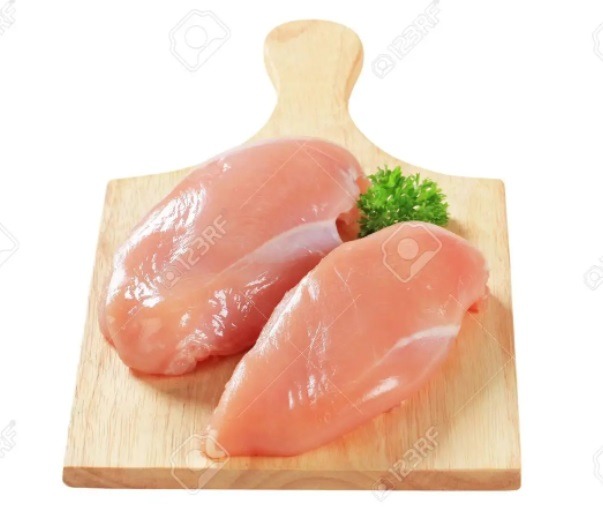
France – CHICKEN CUTLETS -Salmonella

Gov france

Identification information of the recalled product

  • Product category Food
  • Product subcategory Meats
  • Product brand name/
  • Model names or references CHICKEN CUTLETS SOLD AT THE BUTCHER STAND
  • Identification of products
    Batch
    CHICKEN CUTLETS SOLD AT THE BUTCHER STAND BETWEEN APRIL 11 AND 16
  • Products List Reminder_poster.pdf Enclosed
  • Packaging Packed in a butcher’s stand
  • Marketing start/end date From 04/11/2022 to 04/16/2022
  • Storage temperature Product to be stored in the refrigerator
  • Health mark/
  • Further information The packaging date is indicated on the label of the bag given to the customer.
  • Geographic area of ​​sale AUCHAN SUPERMARKET GOURMET GALLERIES STRASBOURG
  • Distributors AUCHAN SUPERMARKET GOURMET GALLERIES STRASBOURG

Practical information regarding the recall

  • Reason for recall presence of Salmonella
  • Risks incurred by the consumer Salmonella spp (causative agent of salmonellosis)

Iceland – Listeria is found in smoked salmon

MAST

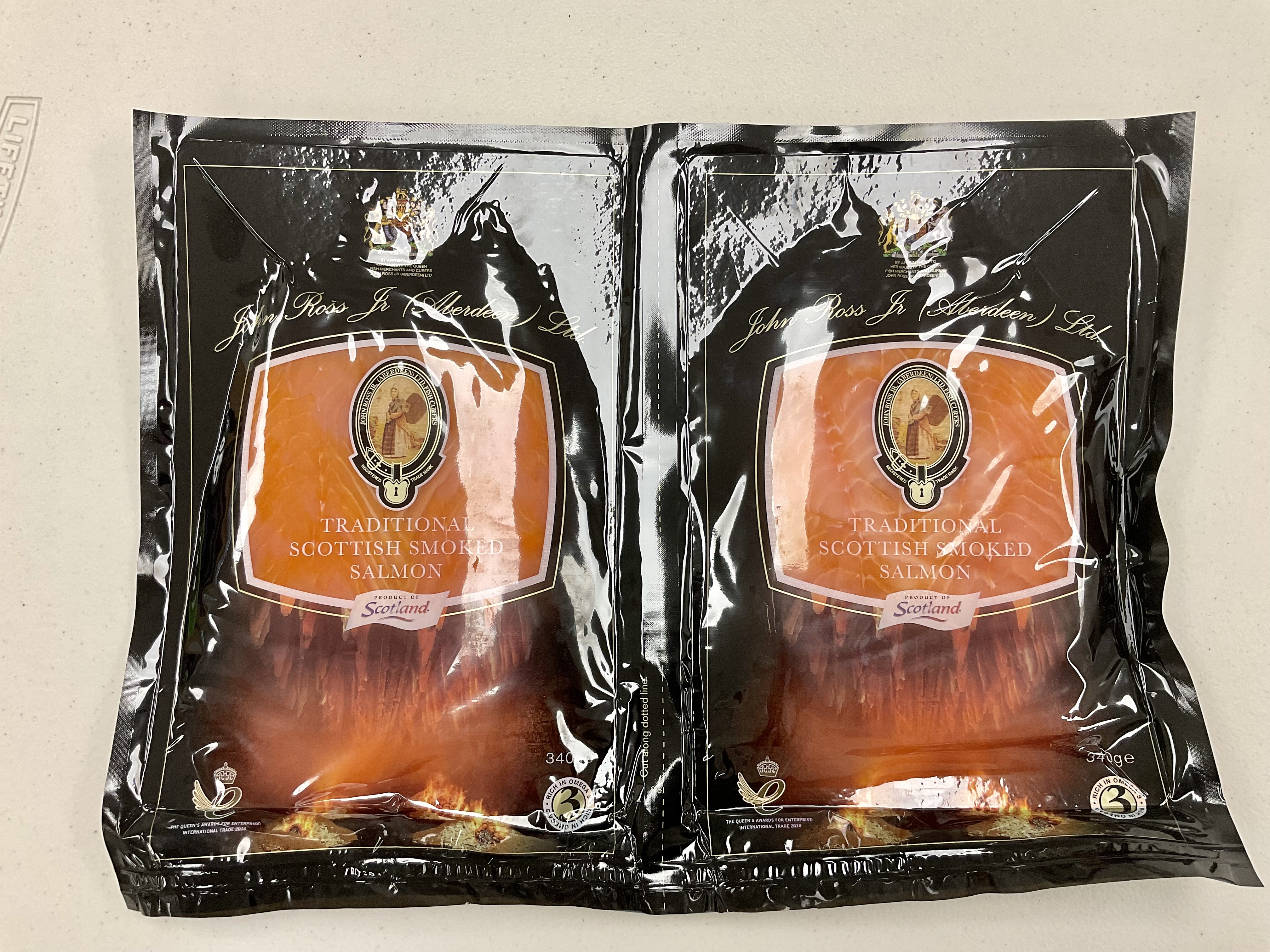
Matvælastofnun warns against consuming one batch of smoked salmon from John Ross Junior, Scotland, which is imported by Costco. The recall of the salmon is due to the fact that the microbial  Listeria monocytogenis was detected in the product. The company has, in consultation with the health inspectorates of Garðarbær, Hafnarfjörður, Kópavogur, Mosfellsbær and Seltjarnarnes (HEF), recalled the product with a notification to the buyers who have purchased the product.

Matvælastofnun took samples of the salmon during regular border checks.

The recall only applies to the following batch:

  • Brand:  John Ross
  • Product name:  Scottish smoked salmon  340 gr.
  • Country of manufacture: Scotland
  • Manufacturer: John Ross Junior ltd
  • Importer: Costco
  • Best before date:  28.05.22
  • Distribution: Costco

lax

In most healthy individuals, the consumption of listeria-contaminated foods does not cause disease. Risk groups are pregnant women, unborn and newborn babies, the elderly and people with impaired immune systems. Group infections caused by listeria are rare, usually individual infections.

Consumers are asked not to consume the product and discard it. Costco has removed all units of the product in question from disposal and disposed of them. You can get a refund from Costco. For more information contact Costco (help desk)

Related material

France – TRADITIONAL HAM PERE CHAMPAIN – Listeria monocytogenes

Gov france

Identification information of the recalled product

  • Product category Food
  • Product subcategory Others
  • Product brand name/
  • Model names or references PERE CHAMPAIN TRADITIONAL HAM SOLD AT THE CHARCUTERIE STAND
  • Identification of products
    Batch
    Traditional Père Champain ham sold in the traditional department of the store from 05/05/2022 to 05/17/2022.
  • Products List Reminder_poster.pdf Enclosed
  • Packaging Packaged in a charcuterie stand
  • Marketing start/end date From 05/05/2022 to 17/05/2022
  • Storage temperature Product to be stored in the refrigerator
  • Health mark/
  • Further information The packaging date is indicated on the label of the bag given to the customer.
  • Geographic area of ​​sale Auchan Supermarket Vouvray
  • Distributors Auchan Supermarket Vouvray

Practical information regarding the recall

  • Reason for recall presence of Listeria monocytogenes
  • Risks incurred by the consumer Listeria monocytogenes (causative agent of listeriosis)

France- Old Mustard Crust Pâté – Listeria monocytogenes

Gov france

Identification information of the recalled product

  • Product category Food
  • Product subcategory Meats
  • Product brand name SCEA du Cerisier
  • Model names or reference sold mustard crust pâté
  • Identification of products
    GTIN Date
    2212002031755 Use-by date 06/01/2022
  • Packaging under vacuum
  • Marketing start/end date From 05/14/2022 to 05/17/2022
  • Storage temperature Product to be stored in the refrigerator
  • Geographic area of ​​sale Villars les Dombes and Saint-Denis lès Bourg
  • Distributors The Dombes farmer in Villars les Dombes Ferm’andises in Saint-Denis-lès-Bourg

Practical information regarding the recall

  • Reason for recall Presence of Listeria
  • Risks incurred by the consumer Listeria monocytogenes (causative agent of listeriosis)