Food
09/10/2020
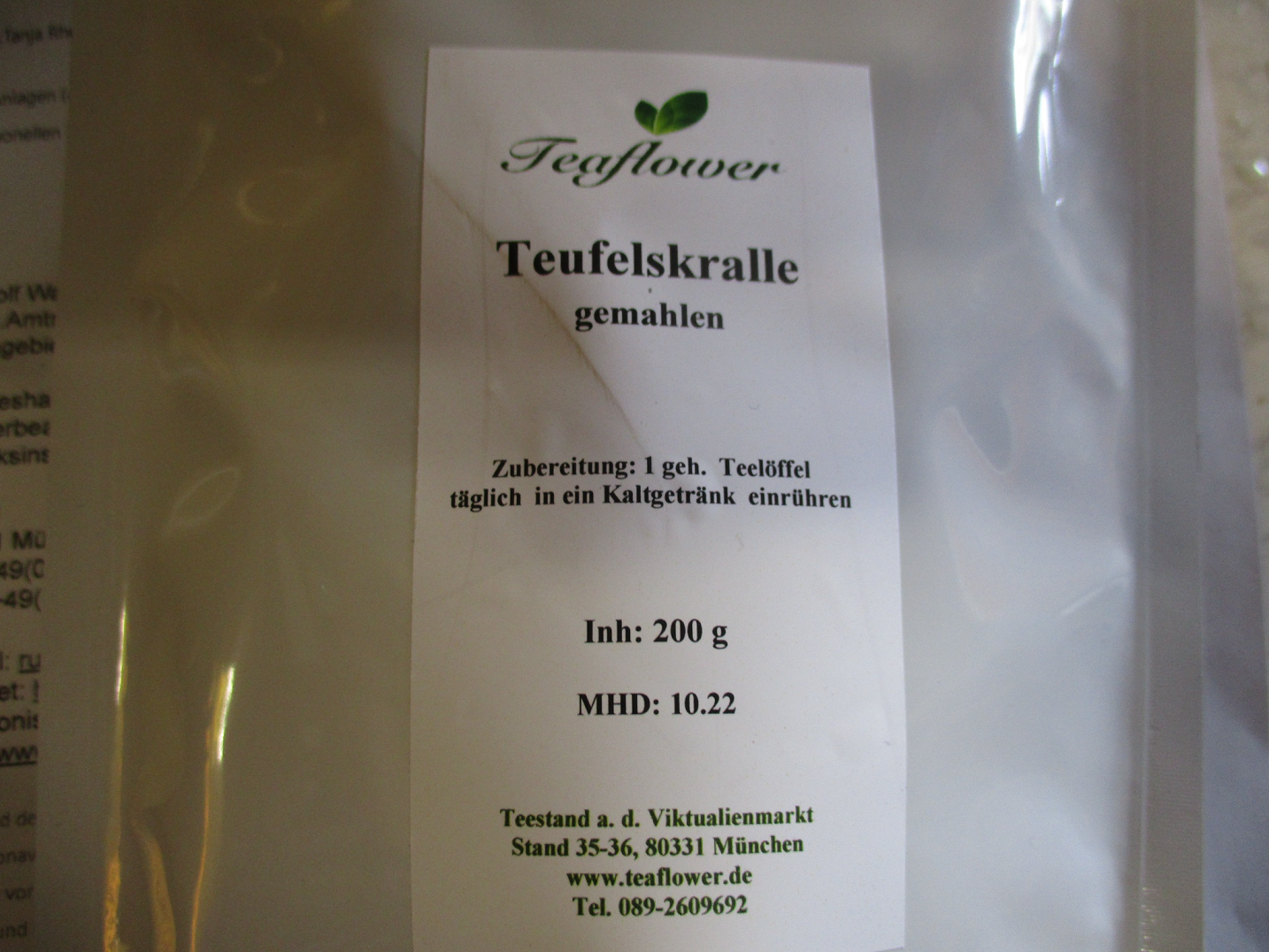
Teaflower ground devil’s claw
Teaflower market stand Shuster, Viktualienmarkt, stand 35/36, 80331 Munich, regional sales in Bavaria
Salmonella was found in the article.
Food
09/10/2020
Teaflower ground devil’s claw
Teaflower market stand Shuster, Viktualienmarkt, stand 35/36, 80331 Munich, regional sales in Bavaria
Salmonella was found in the article.
Brand : ROGNONI
Name : RASCHERA DOP
Reason for reporting : Recall due to microbiological risk
Publication date : 12 October 2020
Officials in Sweden and Denmark are investigating a hepatitis A outbreak with frozen imported berries suspected to be the source of infection.
Since mid-July, nine patients with the same type of hepatitis A virus have been reported from five different regions in Sweden. The latest patient fell ill on Sept. 18.
Six women and three men from Norrbotten, Västra Götaland, Stockholm, Uppsala and Södermanland are infected with the liver virus. Patients range from 2 to 78 years old. Also, a couple of people are ill in Denmark.
Frozen berries named as potential source
Interviews have found some people ate frozen imported berries, especially raspberries, which were not heated before consumption. However, analysis of sampled berries has not been able to detect the hepatitis A virus.
Local infection control units, Swedish Food Agency (Livsmedelsverket), and Public Health Agency of Sweden (Folkhälsomyndigheten) are investigating to confirm the source of the infections.
Two Danish cases have been linked to the Swedish outbreak and a cross-border investigation has been initiated.
Posted in food bourne outbreak, food contamination, Food Hygiene, Food Illness, Food Inspections, Food Micro Blog, Food Microbiology, Food Microbiology Blog, Food Pathogen, food recall, Food Safety, Food Safety Alert, Food Testing, Food Virus, foodborne outbreak, foodbourne outbreak, Hepatitis A, Virus
Seneca Snack Company, a Washington Corporation, is announcing a voluntary recall of Seneca Cinnamon Apple Chips and Clancy’s Cinnamon Apple Chips due to possible Salmonella contamination.
This recall is only for specific cinnamon flavor lot codes, no other flavor apple chips are affected. This only affects Clancy’s product sold by ALDI and Seneca products sold nationwide through Amazon and Gemline, no other retailers are affected.
Seneca is not aware of any reports of consumer illness related to this product.
Country Fresh is extending their Oct. 2 recall of watermelon chunks to include various containers of “Freshness Guaranteed“ cut and/or sliced apples, grapes, mangos, pineapples, and cantaloupe sold at Walmart because of possible Listeria monocytogenes contamination.
The recall affects product codes of items shipped directly to Walmarts in Arizona, Illinois, Indiana, Kansas, Kentucky, Louisiana, Missouri, Oklahoma, and Texas.
The recall was issued because Listeria monocytogenes was detected on equipment used in packing this product during a recent FDA inspection.
The product was packaged in a variety of clamshell containers with best-if-used by dates between Oct. 3 and 11, 2020.
Meijer, in conjunction with Eagle Produce, LLC in Aguila, AZ., is announcing a voluntary recall of whole cantaloupe and select cut cantaloupe fruit trays and bowls. The recall is part of a sampling investigation by the Michigan Department of Agriculture and Rural Development and is due to the potential risk of Salmonella.
Salmonella, an organism which can cause serious and sometimes fatal infections in young children, frail or elderly people, and others with weakened immune systems. Healthy persons infected with Salmonella often experience fever, diarrhea (which may be bloody), nausea, vomiting and abdominal pain. In rare circumstances, infection with Salmonella can result in the organism getting into the bloodstream and producing more severe illnesses such as arterial infections (i.e., infected aneurysms), endocarditis and arthritis.
The multi-state recall involves whole cantaloupe and select cut cantaloupe fruit trays and bowls in various weights ranging from 6–40 ounces sold between Sept. 26 and Oct. 5 of this year at all Meijer stores in Michigan, Ohio, Indiana, Illinois, Kentucky and Wisconsin. There have been no illnesses reported to date.
The recalled whole cantaloupe would have a sticker label stating Kandy Brand from Eagle Produce, LLC. If there is no sticker label to identify it, then it should be considered part of the recall. In addition, Meijer may have used cantaloupe ingredients that originated from Eagle Produce, LLC in the store made products. The following packaged products are in clear plastic containers under the Meijer brand label include:
9450 – Gas Station Mixed Melon Chunk Cup
9505 – Gas Station Mixed Fruit Cup
9644 – Gas Station Cantaloupe 6 oz
21921000000 – Fruit Frenzy Bowl 40 oz
21921400000 – Fruit Tray
21924800000 – Fruit Tray with Dip
21932300000 – Cantaloupe Chunks Large PLU 4960
21933400000 – Mixed Melon Chunks Large Bowl
21933700000 – Mixed Melon Chunks Small Bowl
21960100000 – Fruit Frenzy 16 oz Bowl PLU
21971100000 – Strawberry/Pineapple Cup 6 oz
21971200000 – Mixed Fruit Cup 6 oz
21971700000 – Berry Explosion Cup 6 oz
21971800000 – Mixed Melon Chunk Cup 6 oz
21984400000 – Mixed Melon Cup
22012400000 – Mixed Fruit Cup
22019600000 – Cantaloupe Chunks Small Bowl
22020000000 – Fruit Frenzy 32 oz Bowl PLU 1
22021900000 – Cantaloupe and Honeydew Slices
22022000000 – Mixed Melon Slices
22045000000 – Fruit Palooza
22045200000 – Melons & Berries
22045300000 – Triple Treat & Melon
22061600000 – Cantaloupe Chunks Large Kosher
22061700000 – Cantaloupe Chunks Large Kosher
28873400000 – Fruit Salad
Consumers who have purchased this product should throw it away or return the product to the nearest Meijer store for a full refund. Consumers with questions regarding this recall should contact Meijer at 800-543-3704, available 24 hours a day, seven days a week. Consumers with questions or concerns about their health should contact their physician.
About Meijer: Meijer is a Grand Rapids, Mich.-based retailer that operates 253 supercenters throughout Michigan, Ohio, Indiana, Illinois, Kentucky and Wisconsin. A privately-owned and family-operated company since 1934, Meijer pioneered the “one-stop shopping” concept and has evolved through the years to include expanded fresh produce and meat departments, as well as pharmacies, comprehensive apparel departments, garden centers and electronics offerings. For more information on Meijer, please visit www.meijer.comExternal Link Disclaimer.External Link Disclaimer Follow Meijer on Twitter @twitter.com/MeijerExternal Link Disclaimerand @twitter.com/MeijerPRExternal Link Disclaimeror become a fan at www.facebook.com/meijerExternal Link Disclaimer.External Link Disclaimer


The Minnesota Department of Health is investigating a salmonella outbreak associated with Nékter Juice Bar in Woodbury.
Nine Minnesotans ranging in age from 20 to 82 have been sickened with the salmonella paratyphi B infection, the Health Department said. They became ill between Aug. 27 and Sept. 21.
All of those infected live in or visited east metro counties. Two people have been hospitalized and are recovering.
Symptoms of salmonella infection include diarrhea, abdominal pain and fever and usually begin 12 to 96 hours after exposure, but they can begin up to two weeks after exposure.
Health officials say anyone experiencing severe symptoms of salmonellosis after consuming menu items from Nékter should talk to their health care provider.
The state and Washington County public health departments are working to identify a specific food source of the outbreak, the Health Department said.

More than 30 people have needed hospital treatment in Italy for suspected botulism intoxication.
The 35 patients seen at the emergency department of the Giglio Foundation hospital in Cefalù, a city in northern Sicily, had the same meal in a canteen.
Currently, 24 patients are being looked after in three Sicilian hospitals with seven in intensive care and four under observation in an emergency room. Admissions started on Wednesday this past week.
Suspicion falls on food for construction workers
Those sick are workers from Toto Costruzioni Generali and initial investigations point toward a shared meal of salad containing tuna, tomato and mozzarella.
The FDA has issued a recall of certain cantaloupe products due to the potential risk of Salmonella contamination.
Meijer, an Arizona-based company, announced a voluntary recall of whole cantaloupe and select cut cantaloupe fruit trays and bowls due to the potential risk of Salmonella, the FDA announced.
The multi-state recall involves whole cantaloupe and select cut cantaloupe fruit trays and bowls in various weights ranging from six to 40 ounces sold between Saturday, Sept. 26, and Monday, Oct. 5.
There have been no reported illnesses from consumers eating the product to date.
The FDA, along with CDC and Canadian, state, and local partners, has been investigating a multistate outbreak of Salmonella Newport infections. FDA’s traceback portion of the investigation is complete and has identified Thomson International, Inc. of Bakersfield, CA, as the likely source of potentially contaminated red onions.
The multistate outbreak of Salmonella Newport infections linked to red onions from Thomson International, Inc. that were sold in several regions of the United States and Canada, investigated by the FDA, along with CDC and Canadian, state, and local partners, is over. The outbreak resulted in recalls for multiple onion varieties and products containing onions. FDA’s traceback investigation identified a packing facility and multiple farms that supplied red onions during the time period of interest. Joint FDA, California Department of Public Health (CDPH), and California Department of Food and Agriculture (CDFA) field-level investigations were initiated at multiple Thomson International Inc. locations and surrounding areas within days of identifying the suspect vehicle and the firm. However, most product had already been harvested and distributed by that time. Thus far, FDA has completed over 2000 product and environmental analyses from multiple Thomson International Inc. locations and surrounding areas, including water, soil, and scat samples. Although a variety of genetic strains of Salmonella Newport have been detected, as well as multiple other Salmonella serotypes, a genetic match to the outbreak strain has yet to be identified in any of the samples collected. Additional sample analysis is underway. Although the outbreak is being declared over, the FDA will continue its root cause investigation and will communicate any findings that could assist future prevention efforts.
According to the CDC, this outbreak appears to be over. Recalled products should no longer be available in stores, but onions have a long shelf-life and recalled products could still be in consumer’s homes or in restaurants, especially if recalled products were frozen.
Advice for consumers, restaurants, and retailers: Consumers, restaurants, and retailers should not eat, sell, or serve recalled onions from Thomson International, Inc. or products containing recalled onions. If you cannot tell if your onion is part of the recall, or your food product contains recalled onions, you should not eat, sell, or serve it, and should throw it out.
FDA recommends that anyone who received or suspects having received recalled onions, or products containing recalled onions, use extra vigilance in cleaning and sanitizing any surfaces and containers that may have come in contact with recalled products to reduce the risk of cross-contamination. This includes cutting boards, slicers, countertops, refrigerators, and storage bins.
Consumers who have symptoms of Salmonella infection should contact their health care provider. Most people with salmonellosis develop diarrhea, fever, and abdominal cramps. More severe cases of salmonellosis may include a high fever, aches, headaches, lethargy, a rash, blood in the urine or stool, and in some cases may become fatal.
Suppliers and Distributors: Suppliers, distributors and others in the supply chain should not use, ship or sell recalled onions from Thomson International, Inc. or food products containing recalled onions. Suppliers and distributors that re-package raw onions should use extra vigilance in cleaning any surfaces and storage areas that may have come into contact with recalled onions. If there has been potential cross contamination or mixing of onions from other sources with recalled onions, suppliers and distributors should discard all comingled and potentially cross-contaminated product.
October 8 Update
According to the CDC, this outbreak appears to be over. Recalled products should no longer be available in stores, but onions have a long shelf-life and recalled products could still be in consumer’s homes or in restaurants, especially if recalled products were frozen.
Although the outbreak is being declared over, the FDA will continue its root cause investigation and will communicate any findings that could assist future prevention efforts.