Category Archives: Food Pathogen

New Zealand latest country part of Salmonella tahini outbreak – Salmonella Kintambo

Food Safety News

Tahini from Syria has been linked to a trio of illnesses in New Zealand with recalls continuing across Europe.

The three patients have been infected with Salmonella Kintambo. Patients have previously been reported in the United States, Canada and across Europe as part of a wider outbreak.

In late July in New Zealand, Middle East recalled specific batches of Algota brand Sesame Tahini due to the possible presence of Salmonella.

Italy –  VCV HAMBURGER VEAL 200g – Salmonella

Salute

Brand : Vitello Casa Vercelli

Name : VCV HAMBURGER VEAL 200g

Reason for reporting : Recall due to microbiological risk

Publication date : 8 August 2022

Documentation

Documentation

Belgium – “Tomme de Brebis” cheese 150g from the Franprix brand – Listeria monocytogenes

AFSCA

Recall by Franprix
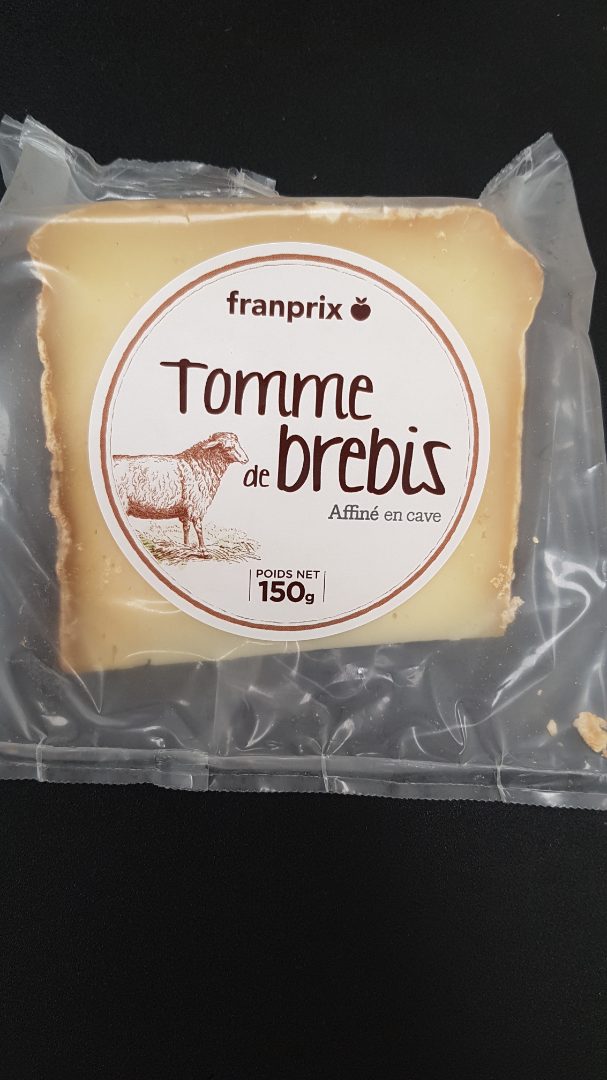
Product: “Tomme de Brebis” cheese 150g from the Franprix brand.
Problem: Possible presence of listeria monocytogenes .

In consultation with the FASFC, Franprix is ​​today withdrawing the sale of 150g “Tomme de Brebis” cheese from the Franprix brand and is recalling this product from consumers due to the possible presence of listeria monocytogenes.


Product description:

Name: “Tomme de Brebis” 150g
Brand: Franprix
Expiry date (DLC): 08/22/2022
Batch: vf059
Barcode: 3263859364410
Health stamp: FR 20.123.001 CE

This product was sold via the Franprix stores.

Customers who have purchased this product are invited not to consume it and to bring it back to the store, where they will be reimbursed.

For more information, customers can contact Customer Service on 09 70 17 10 00 (non-surcharged call) Monday to Friday from 8:30 a.m. to 10 p.m. or by e-mail at contact@franprix.fr

Netherlands – Safety Warning Tastes Less Carb granola bars hazelnut – Mold/Mould

NVWA

Safety Warning Tastes Less Carb granola bars hazelnut

De Smaakspecialist warns about the Taste Less Carb granola bars hazelnut. The bars can start to mold before they have reached the best-before date. Therefore don’t eat them. 

Which product is it? 

  • Tastes Less Carb granola bars hazelnut 115844-A
  • Best before: 7-9-2022, 16-9-2022, 5-10-2022, 27-9-2022, 14-10-2022, 16-12-2022, 14-1-2023

For more information, please contact the Smaakspecialist via telephone number 076-5656709 or via klantenservice@desmaakspecialist.nl.

Sincerely

The Dutch Food and Consumer Product Safety Authority

Mother Dairy brand Paneer Fresh Cheese recalled due to generic E. coli

CFIA

Summary

Product
Paneer Fresh Cheese
Issue
Food – Microbial Contamination – E. Coli – non-pathogenic
What to do

Do not use, sell, serve or distribute the affected product

Audience
Retail

Mother Dairy brand Paneer Fresh Cheese recalled due to generic E. coli.
The recalled product was sold in Alberta.

Italy – Fresh pure pork sausage / Sausage paste – Salmonella

Salute

Brand : Salumificio F.lli Cavallo SRL

Name : Fresh pure pork sausage / Sausage paste

Reason for reporting : Recall due to microbiological risk

Publication date : 5 August 2022

Documentation

Documentation

Research – Reclaimed wastewater in agriculture: health risk from pathogens on fruit and vegetables?

BFR

German Federal Institute for Risk Assessment (BfR) advises against irrigation in certain cases

In Germany, fresh produce intended to be eaten raw that grow close to the ground, such as lettuce, carrots, strawberries or fresh herbs, should not be irrigated with reclaimed wastewater. The German Federal Institute for Risk Assessment (BfR) advises against this, particularly with regard to pathogenic viruses and parasites that can get onto or into the plants via this route. Current data are still insufficient for a conclusive risk assessment. However, there is evidence that certain viruses and single-celled parasites (protozoa) can defy environmental influences and cause diseases via raw fruit and vegetables. “Reclaimed wastewater in agriculture poses a new challenge to food safety,” says BfR President Professor Dr Dr Andreas Hensel. “In order to reduce pathogens as much as possible, we need very good treatment and detection methods.”

Climate change, unpredictable weather patterns and droughts are depleting water resources in Germany and Europe. To counteract this, Regulation (EU) 2020/741 sets minimum requirements for the use of reclaimed wastewater for agricultural irrigation. The EU regulation for water reuse applies from June 26, 2023 and is intended to protect the environment and human and animal health. The BfR has assessed possible health risks from the use of reclaimed wastewater for the irrigation of plant-based foodstuffs with regard to selected pathogenic viruses and protozoa. Particular attention was paid to fruit and vegetables that can be eaten raw, in which any pathogens that may be present are not reduced or killed by heating.

On the basis of available data, the BfR recommends not using reclaimed wastewater to irrigate plants, whose parts intended for raw consumption are growing close to or in the ground. This applies until suitable treatment processes and controls can ensure that the irrigation water does not contain pathogens, especially human-pathogenic viruses or protozoa. Because according to the current state of knowledge, pathogens can get onto or into the edible parts of the plants via all of the irrigation systems considered (subsurface drip irrigation, drip irrigation, furrow irrigation, sprinkler system, hydroponic culture) and cause illness in humans when consumed raw. Depending on the type of pathogen and the state of health of the person affected, the health impairment may vary; severe illnesses are possible in risk groups. Further research is required with regard to the suitability of methods for inactivating or reducing pathogens during wastewater treatment.

In the opinion of the BfR, plants whose raw edible fraction grows far from the soil, for example vineyards and fruit trees, can be irrigated with reclaimed wastewater of quality class A or B, provided that direct contact of the raw edible fraction with the reclaimed wastewater (by selecting a suitable irrigation system) and the irrigated soil is excluded. Since the viruses and protozoa under consideration are heat-sensitive, no adverse health effects due to pathogens in the reclaimed wastewater are to be expected for plant foods that are sufficiently heated before consumption.

Denmark – Risk of mold/mould in lasagne sheets

DVFA

Risk of mold in lasagna sheets

Coop Danmark A/S is recalling Friske Nonna Elide Lasagna plates with eggs, due to the discovery of mold in the products.

Recalled Foods , Published: August 5, 2022

Which foods:
Fresh Nonna Elide Lasagna sheets with eggs 
Net content: 250 g
Batch: L178
Best before date: 09/05/22 
EAN: 7340012591008
Sold in:
Irma stores in Zealand. 
​
Company that revokes:
Coop Danmark A/S
Cause:
The company has established that there is a risk of mold in the products. If you experience symptoms in connection with consuming the products, you should contact your doctor. ​
Risk:
Mold formation makes the products unsuitable as food.
Advice for consumers:
The Danish Veterinary and Food Administration advises consumers to return the products to the store where they were purchased, or to discard them.

Denmark – Risk of Hepatitis E in seaweed salad

DVFA

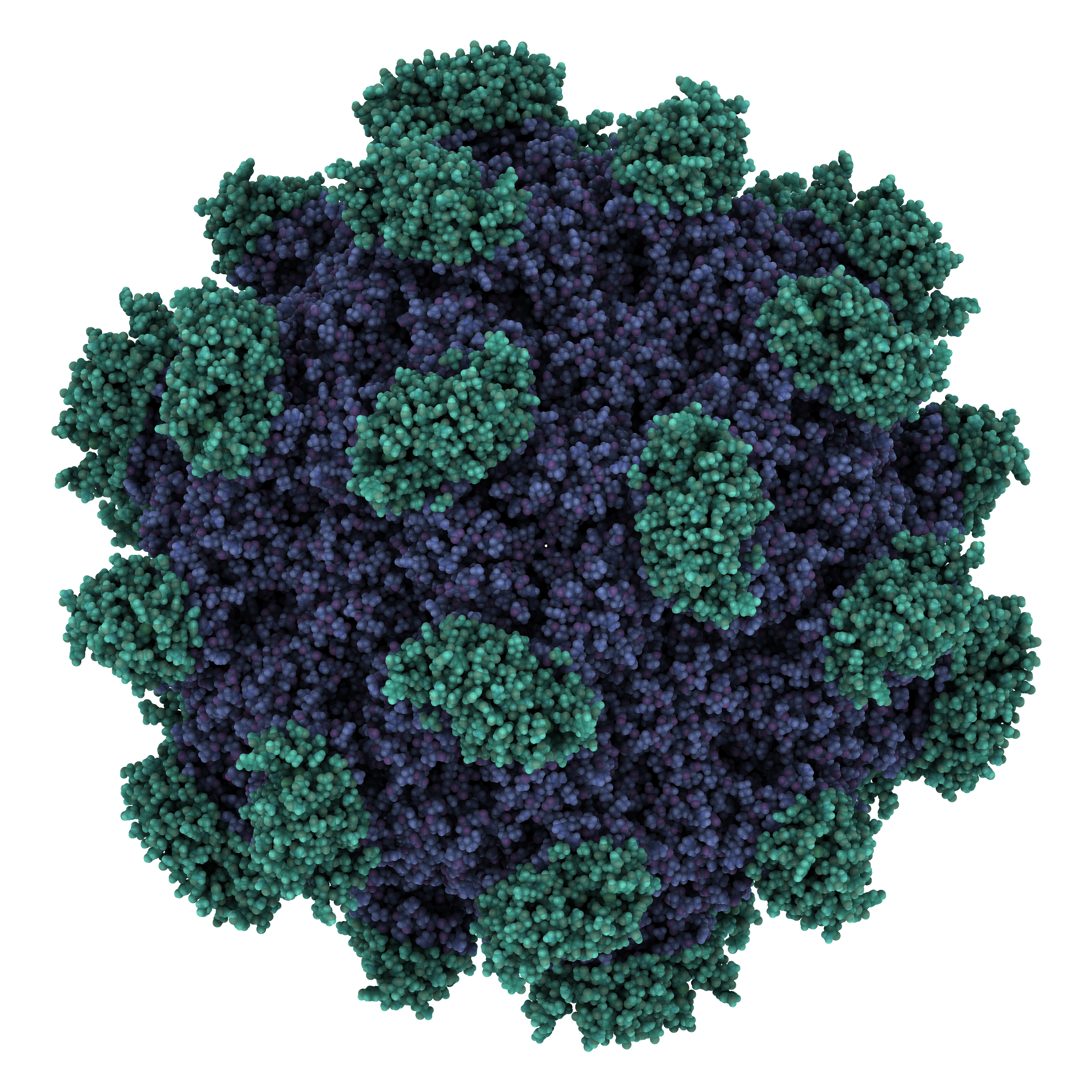
Hepatitis E virus capsid structure. HEV infection causes viral h

The Chinese Merchant and Asian Market are recalling a lot of seaweed salad, as there is a risk that the product is contaminated with Hepatitis E (updated with new point of sale)
Recalled Foods , Published: August 5, 2022
Modified August 5, 2022

​​​Which product:

ASIAN CHOICE Seaweed salad ( see picture )
Net weight: 225g
Valid until 25.07.2023
​
Sold in:
The Chinese Merchant in Copenhagen
Asian Market in Grenaa
 
Company that revokes:
DKK Wholesale – The Chinese Merchant and Asian Market
 
Cause:
There is a risk that the product is contaminated with Hepatitis E, which is unacceptable in terms of health.
 
Risk:
There is a risk of infection with Hepatitis E. If you have any questions about symptoms, contact your own doctor or the doctor on call.
 
Advice for consumers:
The Danish Veterinary and Food Administration advises consumers to return the product to the store where it was purchased, or to discard it.

France – Sheep cheese 150g FRANRPIX -Listeria monocytogenes

Gov france

Identification information of the recalled product

  • Product category Feed
  • Product subcategory Milk and dairy products
  • Product brand name FRANPRIX
  • Model names or references Sheep cheese 150g FRANPRIX
  • Identification of products
    GTIN Lot Date
    3263859364410 vf059 Date of minimum durability 08/22/2022
  • Packaging Product packaged in individual portions under film
  • Marketing start/end date From 06/27/2022 to 08/03/2022
  • Storage temperature Product to be stored in the refrigerator
  • Health mark FR 20.123.001 CE
  • Geographic area of ​​sale Whole France
  • Distributors FRANPRIX and Franprix distribution networks

Practical information regarding the recall

  • Reason for recall Microbiological: Listeria monocytogenes detected (<10 cfu/g)
  • Risks incurred by the consumer Listeria monocytogenes (causative agent of listeriosis)