Norovirus in oysters from France in Belgium
Norovirus in oysters from France in Denmark
Norovirus in oyster from France in Italy

Norovirus in oysters from France in Belgium
Norovirus in oysters from France in Denmark
Norovirus in oyster from France in Italy
Posted in food contamination, food handler, Food Hazard, Food Hygiene, Food Inspections, Food Micro Blog, Food Microbiology, Food Microbiology Blog, Food Microbiology Testing, Food Pathogen, food recall, Food Safety, Food Safety Alert, Food Safety Management, Food Safety Regulations, Food Testing, Food Virus, Norovirus, Norovirus Oysters, RASFF
Salmonella Enteritidis in chicken elements from Poland in the Czech Republic
Salmonella in Indian Sesame Seeds in the Netherlands
Salmonella spp. and benzoapiren in dried dill from Egypt in Poland
Salmonella in sesame seeds from Nigeria in Greece
Salmonella in parsley from Egypt in Spain
Salmonella spp. in frozen scallops from Canada in Belgium, France, Italy, Luxembourg, Monaco, Netherlands, Portugal
Poultry elements – Salmonella Typhimurium from Poland in Poland
Salmonella in chicken meat preparation from Brazil in the Netherlands
Salmonella in frozen salted chicken half breasts from Brazil in the Netherlands
Salmonella in frozen chicken and pork dumplings from Belgium in Germany
Salmonella spp. in halva from Egypt in Germany
Salmonella Typhimurium in Batches of Chicken Mince from Ireland in Northern Ireland
Salmonella spp. in sesame paste from Turkey in Germany
Posted in food contamination, food handler, Food Hazard, Food Hygiene, Food Inspections, Food Micro Blog, Food Microbiology, Food Microbiology Blog, Food Microbiology Testing, Food Pathogen, food recall, Food Safety, Food Safety Alert, Food Safety Management, Food Safety Regulations, Food Testing, Polish Chicken Salmonella, RASFF, Salmonella, Salmonella in Chicken, Salmonella Poland, Salmonella Sesame Seeds

| GTIN | Batch | Date |
|---|---|---|
| 3250392334710 | J30370568 | Use-by date 02/20/2023 |
Posted in food contamination, food handler, Food Hazard, Food Hygiene, Food Inspections, Food Micro Blog, Food Microbiology, Food Microbiology Blog, Food Microbiology Testing, Food Pathogen, food recall, Food Safety, Food Safety Alert, Food Safety Management, Food Safety Regulations, Food Testing, Salmonella
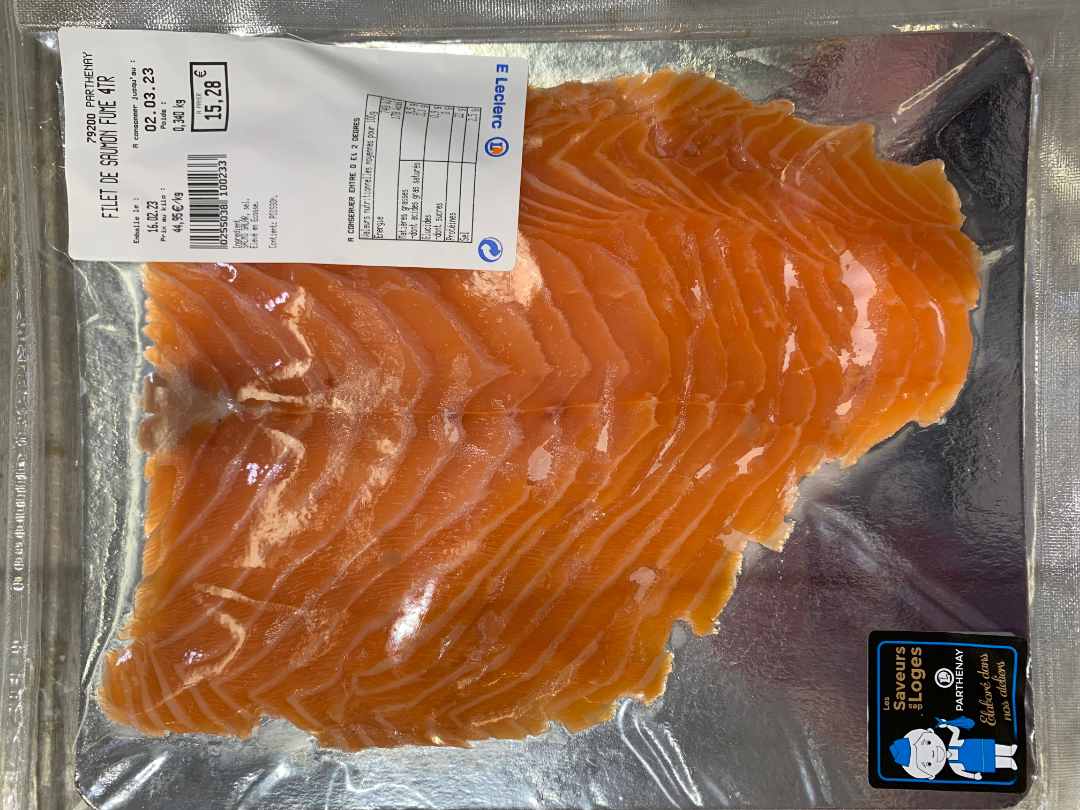
| GTIN | Batch | Date |
|---|---|---|
| 0255186000000 | 260123 | Use-by date 07/02/2023 |
| 0255038000000 | 260123 | Use-by date 07/02/2023 |
| 0255367000000 | 260123 | Use-by date 07/02/2023 |
Posted in food contamination, food handler, Food Hazard, Food Hygiene, Food Inspections, Food Micro Blog, Food Microbiology, Food Microbiology Blog, Food Microbiology Testing, Food Pathogen, food recall, Food Safety, Food Safety Alert, Food Safety Regulations, Food Testing, Listeria, Listeria monocytogenes
The Ministry of Agriculture, Fisheries and Food (MAPAQ), in collaboration with the Food Inspection Division of the City of Montreal and the company Poissonnerie Ô inc., located at 3414, rue Ontario Est, in Montreal, warns the public not to consume the product indicated in the table below, because this food is likely to contain the bacterium Listeria monocytogenes . Even if the expiration date of the product has passed, some consumers may have it in their possession.
|
Product name |
Format |
Affected lot |
|
“Trout gravlax with Rosemont rum and its aromas” |
150 g |
Best before 2023.FE.14 |
The product that is the subject of this warning has been offered for sale at the establishment named above only. The product was placed on a golden cardboard and vacuum-packed. It was sold chilled. The product label included, in addition to its name, the words “Poissonnerie O”.
The operator is voluntarily recalling the product in question. It has agreed with MAPAQ and the Food Inspection Division of the City of Montreal to distribute this warning as a precautionary measure. In addition, people who have this product in their possession are advised not to consume it. They must return it to the establishment where they bought it or throw it away.
Posted in food contamination, food handler, Food Hazard, Food Hygiene, Food Inspections, Food Micro Blog, Food Microbiology, Food Microbiology Blog, Food Microbiology Testing, Food Pathogen, food recall, Food Safety, Food Safety Alert, Food Safety Management, Food Safety Regulations, Food Testing, Listeria, Listeria monocytogenes

Oysters for raw consumption are a high-risk food as there is no heat treatment to kill pathogens before eating. Besides those sold alive, raw oysters available in the local market are often pre-shucked in either frozen or chilled forms. If not handled properly, it can lead to bacterial contamination and deterioration of the shellfish.
Frozen raw oysters have to be defrosted in the refrigerator to avoid exposure to dangerous temperatures. Defrosting in the fridge can take a long time, usually overnight. During defrosting, raw oysters should be stored in containers to avoid cross-contamination. Avoid eating chilled raw oysters pre-shucked at the exporting countries without cooking, as they were killed and susceptibie to temperature abuse and cross-contamination during production and transportation.
Pregnant women, infants and young children, the elderly and people with weakened immunity should avoid consuming raw or undercooked oysters.
Do not consume, use, sell, serve, or distribute recalled products
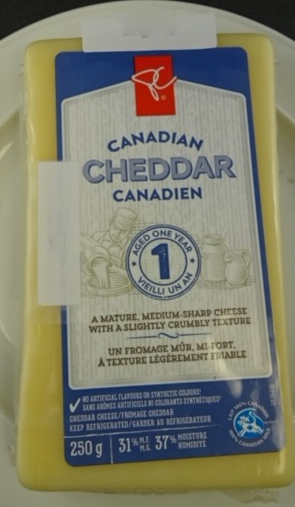
The affected product is being recalled from the marketplace due to possible Listeria contamination.
The recalled product has been sold nationally.
Food contaminated with Listeria monocytogenes may not look or smell spoiled but can still make you sick. Symptoms can include vomiting, nausea, persistent fever, muscle aches, severe headache and neck stiffness. Pregnant women, the elderly and people with weakened immune systems are particularly at risk. Although infected pregnant women may experience only mild, flu-like symptoms, the infection can lead to premature delivery, infection of the newborn or even stillbirth. In severe cases of illness, people may die.
Posted in CFIA, food contamination, food handler, Food Hazard, Food Hygiene, Food Inspections, Food Micro Blog, Food Microbiology, Food Microbiology Blog, Food Microbiology Testing, Food Pathogen, food recall, Food Safety, Food Safety Alert, Food Safety Management, Food Safety Regulations, Food Testing, Listeria, Listeria monocytogenes
The U.S. Department of Agriculture’s Food Safety and Inspection Service (FSIS) is issuing a public health alert due to concerns that not-ready-to-eat meat products were subject to temperature abuse during storage at a distribution center prior to delivery to retailers, which may have resulted in the growth of spoilage organisms or pathogens. FSIS is issuing this public health alert to ensure that consumers are aware that these products should not be consumed. A recall was not requested because the products are no longer available for purchase.
The following products are subject to the public health alert [view labels]:
The products bear establishment number “EST 45210” on the top panel of the cardboard box. These items were shipped to Albertsons Companies retail locations in Northern California and Northern Nevada. The Signature Select Breakfast Bowl products were available for purchase at the following Albertsons Companies banner stores: Andronico’s Community Markets, Pak ‘N Save, Safeway and Vons.
The problem was discovered when the producing establishment notified FSIS that their customer reported storing the product in an unrefrigerated area. FSIS found that the product was held at an incorrect temperature and then shipped into commerce. All remaining inventory of the affected items have been removed from the stores and destroyed.
There have been no confirmed reports of adverse reactions due to consumption of these products. Anyone concerned about an illness should contact a health care provider.
Posted in food contamination, food handler, Food Hazard, Food Hygiene, Food Inspections, Food Micro Blog, Food Microbiology, Food Microbiology Blog, Food Microbiology Testing, Food Pathogen, Food Poisoning, food recall, Food Safety, Food Safety Alert, Food Safety Management, Food Safety Regulations, Food Spoilage, Food Temperature Abuse, Food Testing, Pathogen
Do not consume, use, sell, serve, or distribute recalled products
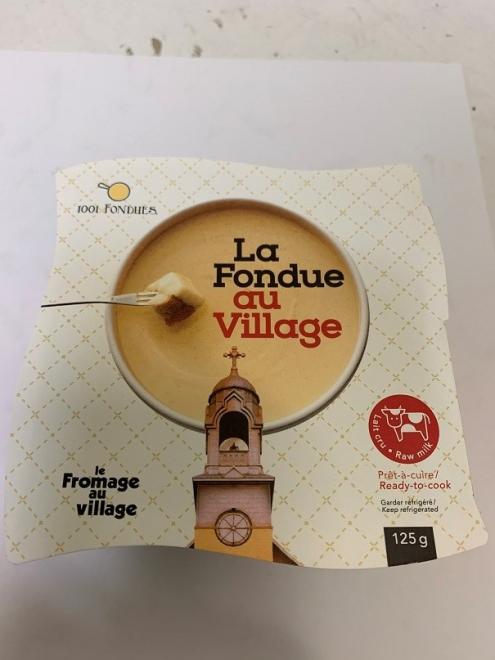

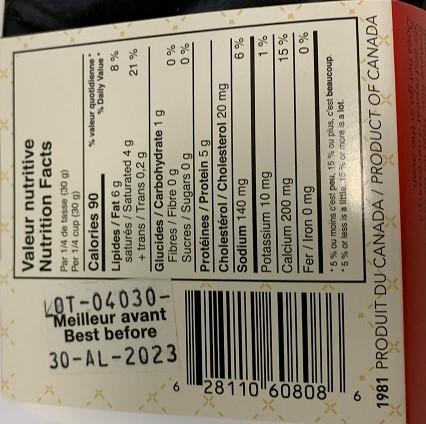
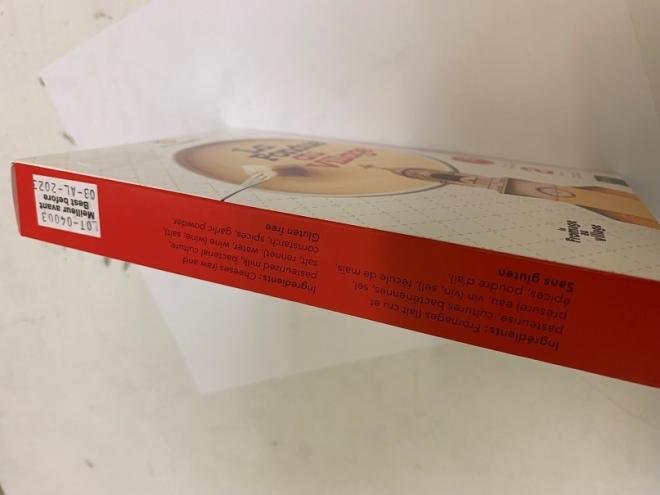
The affected products are being recalled from the marketplace due to possible Listeria contamination.
The recalled products have been sold in Quebec.
Food contaminated with Listeria monocytogenes may not look or smell spoiled but can still make you sick. Symptoms can include vomiting, nausea, persistent fever, muscle aches, severe headache and neck stiffness. Pregnant women, the elderly and people with weakened immune systems are particularly at risk. Although infected pregnant women may experience only mild, flu-like symptoms, the infection can lead to premature delivery, infection of the newborn or even stillbirth. In severe cases of illness, people may die.
Posted in CFIA, food contamination, food handler, Food Hazard, Food Hygiene, Food Inspections, Food Micro Blog, Food Microbiology, Food Microbiology Blog, Food Microbiology Testing, Food Pathogen, food recall, Food Safety, Food Safety Alert, Food Safety Management, Food Safety Regulations, Food Testing, Listeria, Listeria monocytogenes
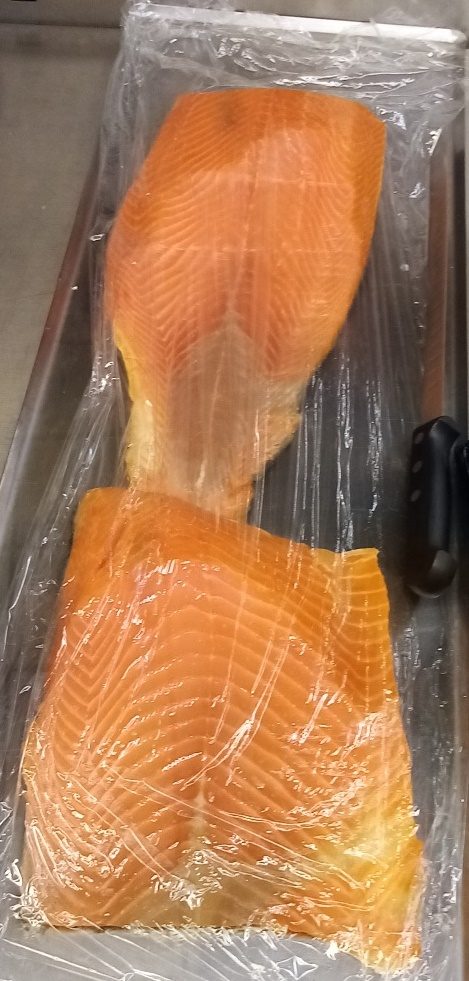
| GTIN | ||
|---|---|---|
| 0219543000000 | ||
Posted in food contamination, food handler, Food Hazard, Food Hygiene, Food Inspections, Food Micro Blog, Food Microbiology, Food Microbiology Blog, Food Microbiology Testing, Food Pathogen, food recall, Food Safety, Food Safety Alert, Food Safety Management, Food Safety Regulations, Food Testing, Listeria, Listeria monocytogenes


